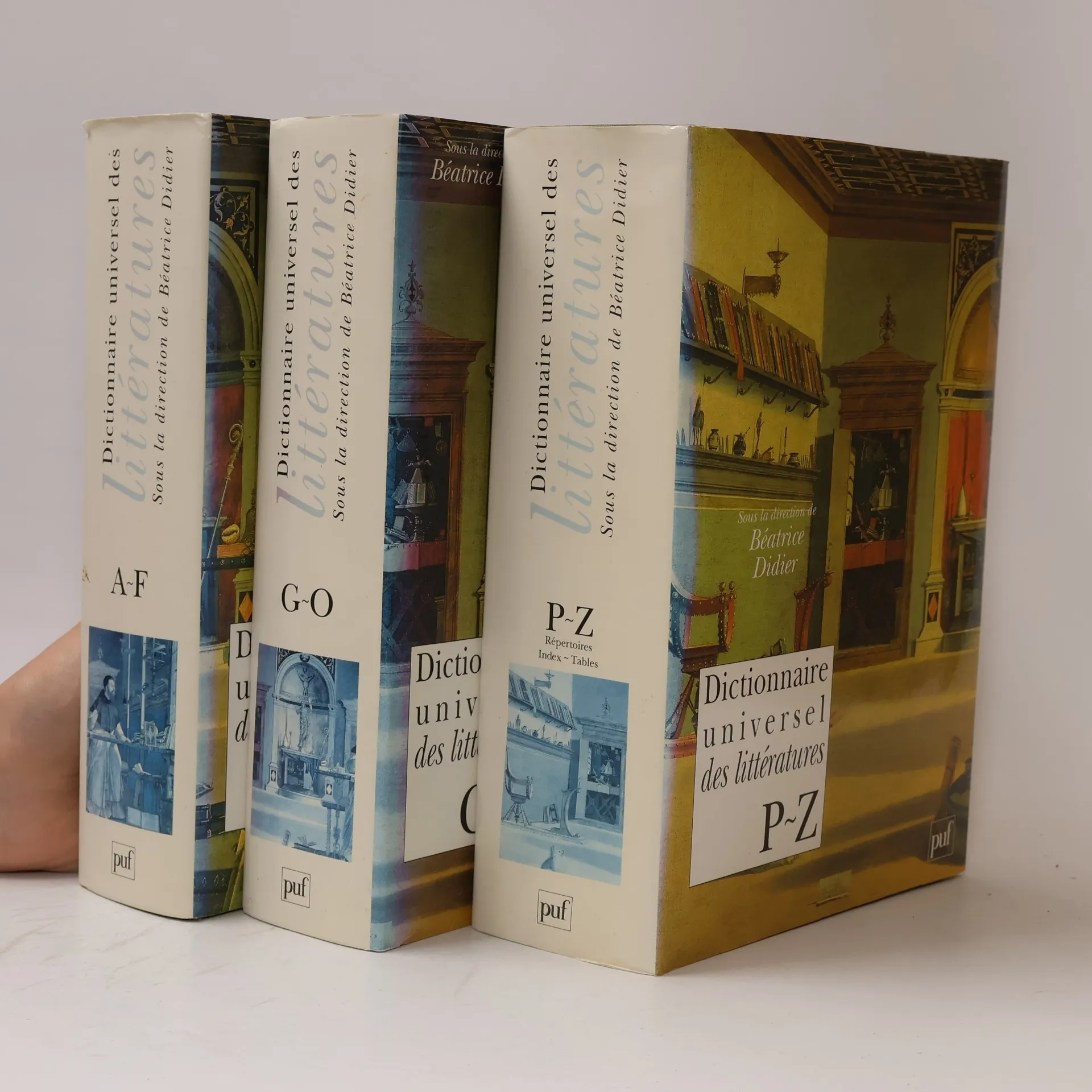
Béatrice Didier Pořadí knih (chronologicky)
Béatrice Didier je francouzská literární kritička, která se specializuje na francouzskou literaturu 18. a 19. století a autobiografické spisy. Její práce se zaměřuje na analýzu vztahů mezi literaturou a hudbou. Didier je uznávanou autorkou a editorkou s hlubokým porozuměním pro zkoumané autory a literární žánry.



Indiana
- 320 stránek
- 12 hodin čtení
Indiana (1831) is an absorbing and vivid romantic novel, set partly in provincial France, partly in Paris, and partly on a tropical island. It tells the story of a beautiful and innocent young woman, married at sixteen to a much older man.
The Child
- 376 stránek
- 14 hodin čtení
The Child is a story about growing up that is comparable in humor and humanity to Great Expectations , even as its unflinching exposure of violence and hypocrisy foreshadows the nightmare realsim of Louis-Ferdinand Céline. Jules Vallès, an anarchist and a bohemian, dedicated his book "to all those who were bored stiff at school or reduced to tears at home, who in childhood were bullied by their teachers or thrashed by their parents," and it tells the (autobiographical) tale of a young boy constantly scapegoated and abused, emotionally and physically, by his peasant mother and schoolteacher father, whose greatest concern is to improve their social status. But the young hero learns to stand up to his parents, even to love them, in time, and for all the intense pain the book registers it is anything but dreary. To the contrary, Vallès’s book is one of the funniest in French literature, a triumph of insubordinate comedy over the forces of order and the self-appointed defenders of decency.
Les nuits révolutionnaires
- 448 stránek
- 16 hodin čtení
Quand on lit Restif, outre l'admiration, on éprouve un sentiment particulier, tel qu'aucun autre auteur n'en suscite, qui est de plonger tout à coup dans notre propre, de le humer, de le palper. Il y a, si j'ose dire, une odeur de France qui s'élève de ses livres, à laquelle deux siècles n'ont rien fait perdre de sa force. Plus qu'une odeur : les livres de Restif sont encore tout chauds. (...) Ces prolétaires, ces paysans, ces vendeuses, ces garçons de magasin, ces domestiques, ces honnêtes petites gens qu'il campe par centaines, avec leurs roueries, leurs calculs, leurs naïvetés, leurs entraînements, sont de notre sang, et nous ne les trouvons que chez lui. Il a constitué notre album de famille.