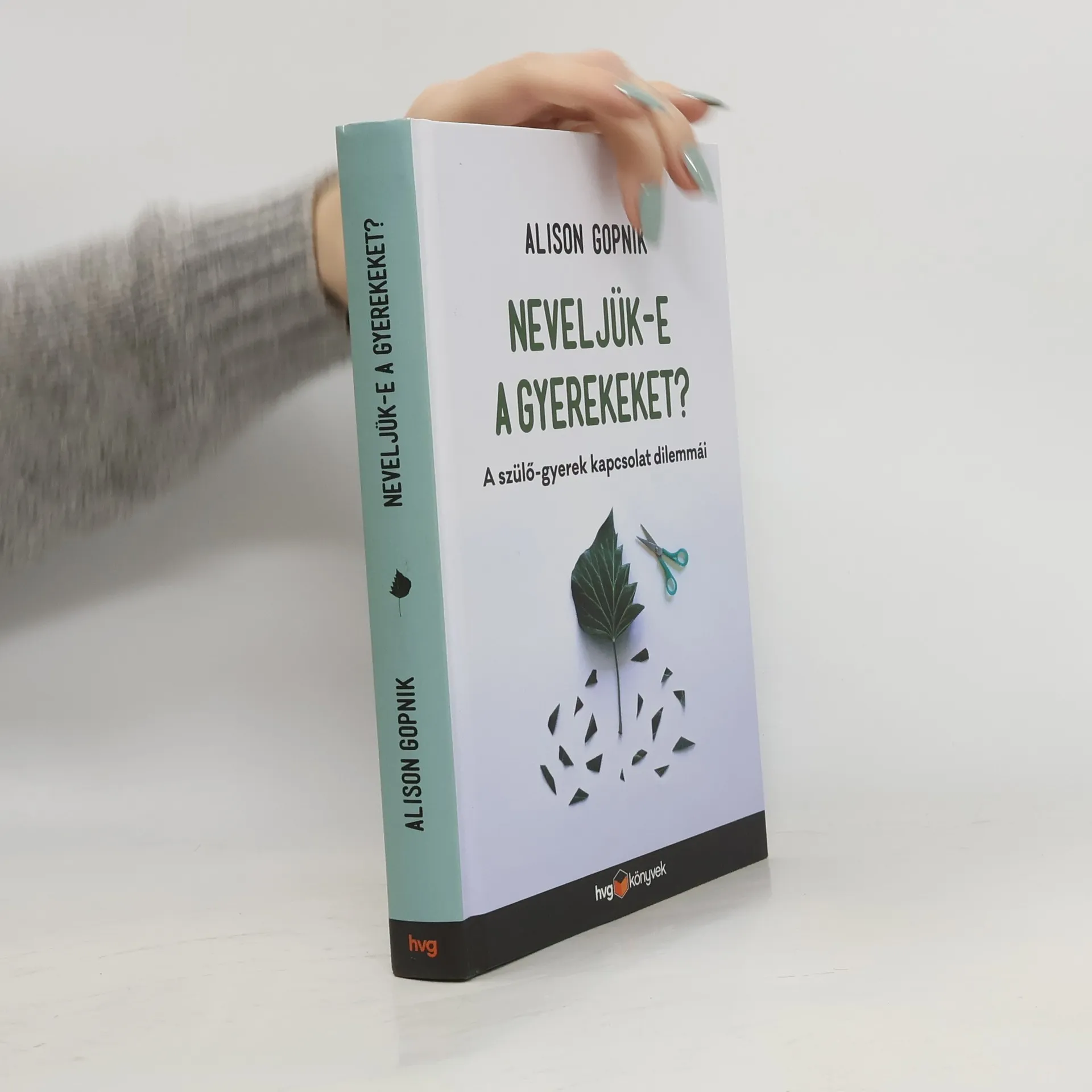
Alison Gopniková je uznávanou výzkumnicí v oblasti dětského učení a vývoje. Její práce osvětluje, jak děti přemýšlejí, a jako první navrhla, že dětská mysl může pomoci zodpovědět hluboké filozofické otázky. Je jednou ze zakladatelek „teorie mysli“ a formulovala „teorii teorie“, která popisuje, jak se děti učí podobně jako vědci. Její psaní pro širší publikum zkoumá, jak nás dětské myšlení může naučit o lásce, pravdě a smyslu života.
The book presents and defends the "theory theory" of cognitive and semantic development, suggesting that infants and young children learn about their environment by forming and adjusting theories, akin to scientific inquiry. This perspective offers significant insights into the origins of knowledge and meaning, influencing the field of cognitive science and reshaping our understanding of child development.
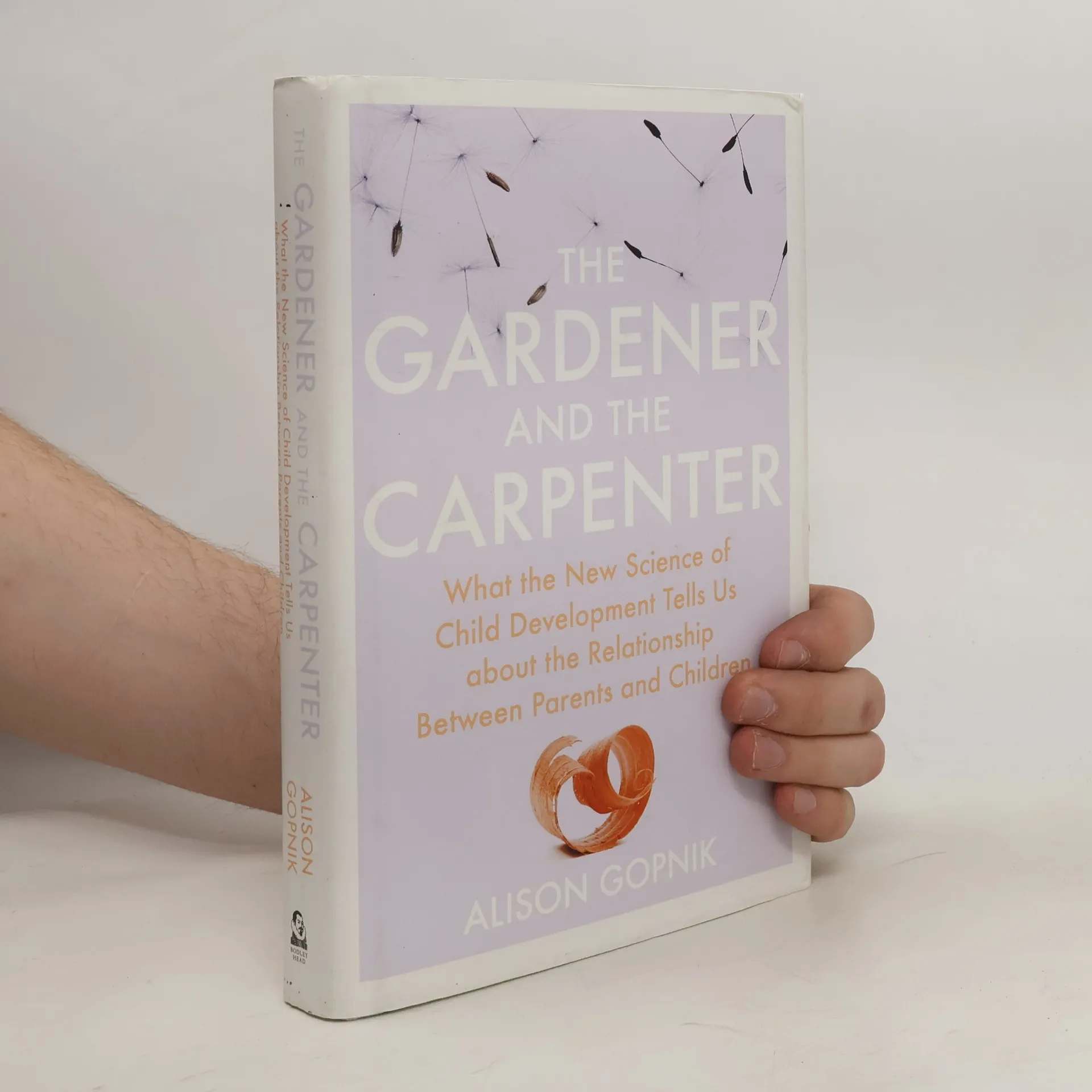
Caring deeply about our children is part of what makes us human. Yet the thing we call "parenting" is a surprisingly new invention. In the past thirty years, the concept of parenting and the multibillion dollar industry surrounding it have transformed child care into obsessive, controlling, and goal-oriented labor intended to create a particular kind of child and therefore a particular kind of adult. In The Parent Paradoxes, the pioneering developmental psychologist and philosopher Alison Gopnik argues that the familiar twenty-first-century picture of parents and children is profoundly wrong--it's not just based on bad science, it's bad for kids and parents, too. Drawing on the study of human evolution and her own cutting-edge scientific research into how children learn, Gopnik shows that although caring for children is profoundly important, it is not a matter of shaping them to turn out a particular way. Children are designed to be messy and unpredictable, playful and imaginative, and to be very different both from their parents and from each other. The variability and flexibility of childhood lets them innovate, create, and survive in an unpredictable world. "Parenting" won't make children learn--but caring parents let children learn by creating a secure, loving environment.
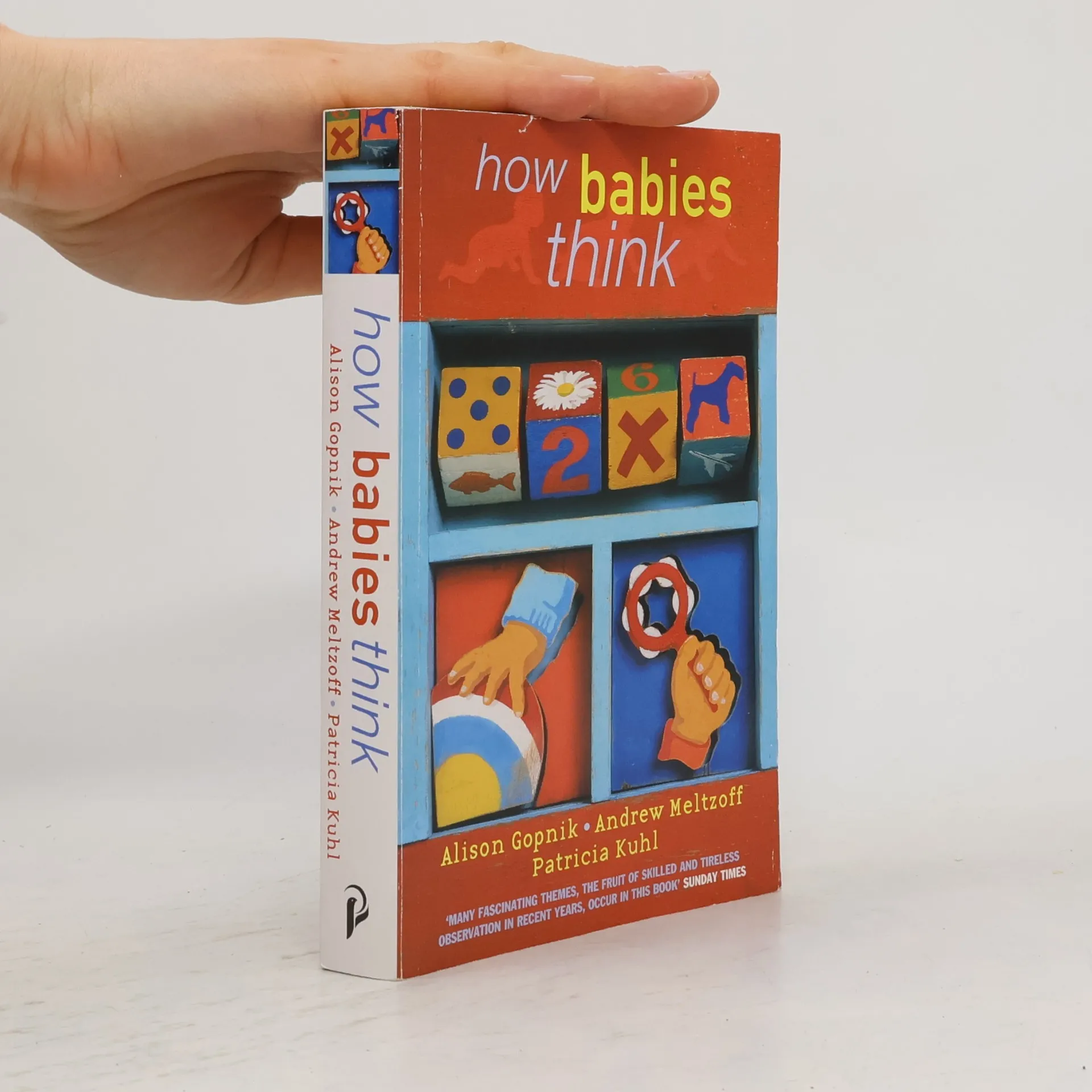
Learning begins in the first days of life. Scientists are now discovering how young children develop emotionally and intellectually, and are beginning to realize that from birth babies already know a staggering amount about the world around them. In the first book of its kind for a popular audience, three leading US scientists draw on twenty-five years of research in philosophy, psychology, computer science, linguistics and neuroscience to reveal what babies know and how they learn it.
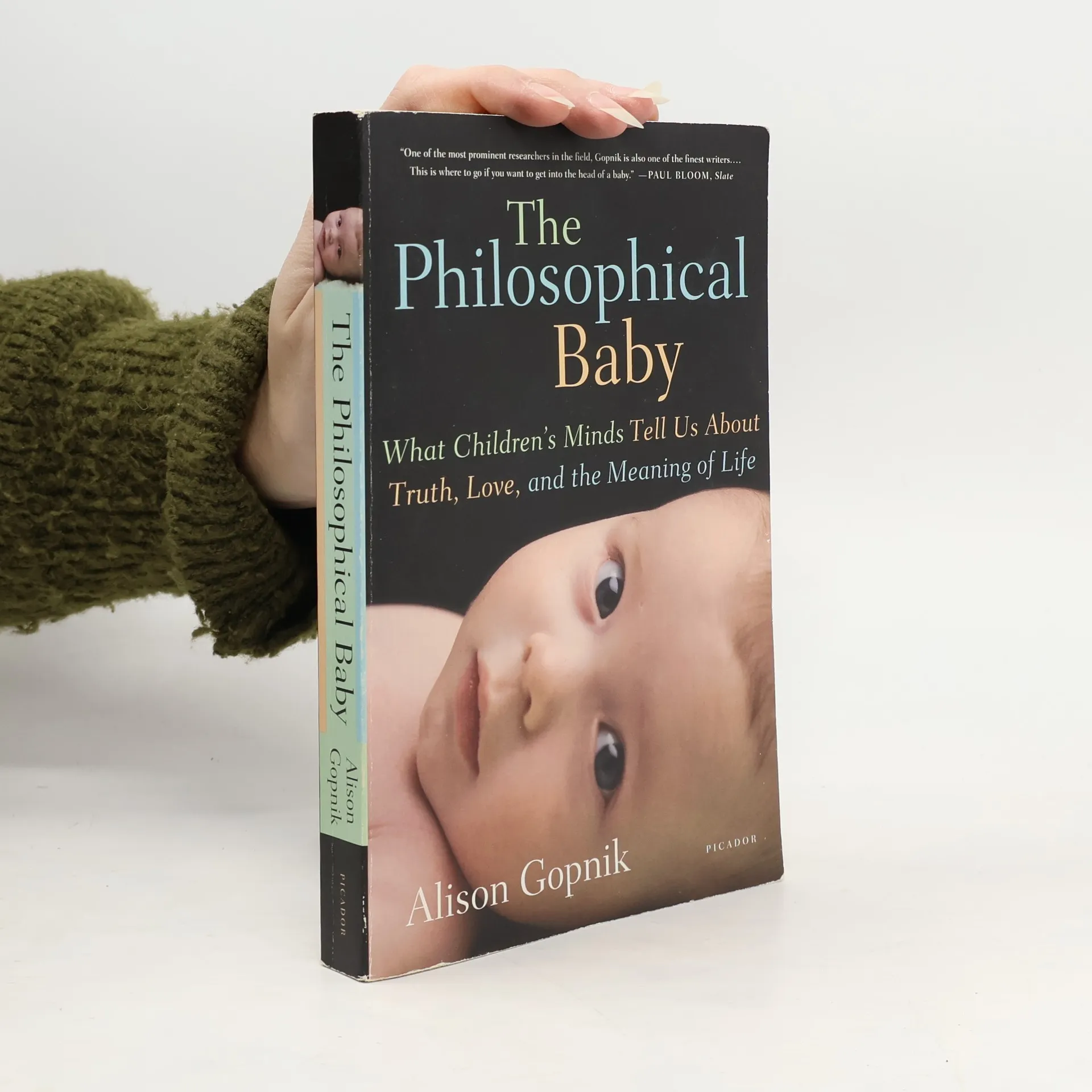
In the last decade there has been a revolution in our understanding of the minds of infants and young children. We used to believe that babies were irrational, and that their thinking and experience were limited. Now Alison Gopnik — a leading psychologist and philosopher, as well as a mother — explains the cutting-edge scientific and psychological research that has revealed that babies learn more, create more, care more, and experience more than we could ever have imagined. And there is good reason to believe that babies are actually smarter, more thoughtful, and more conscious than adults. In a lively and accessible tour of the groundbreaking new psychological, neuroscientific, and philosophical developments, Gopnik offers new insight into how babies see the world, and in turn promotes a deeper appreciation for the role of parents in shaping the lives of their children.