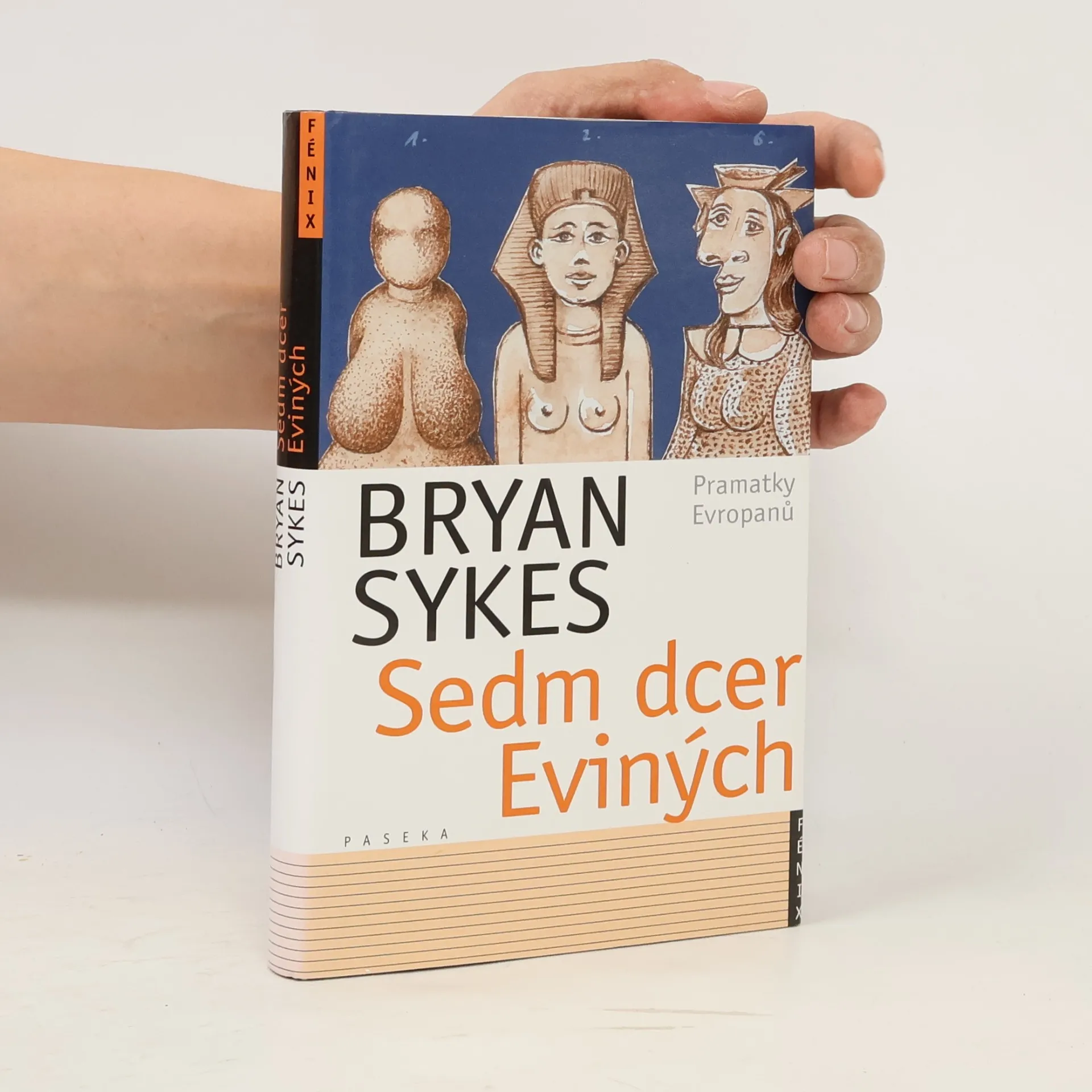
Autor seznamuje v knize, která se čte téměř jako detektivka, s nejnovějšími objevy vycházejícími ze studia lidské mitochondriální DNA. Čtenář se tak dočte o metodách studia DNA ve fosilním materiálu, o genetice "ledovcového muže", o případu "muže z Cheddaru", identifikaci ostatků carské rodiny, vyřešení záhady původu Polynésanů, problému jednoty a stáří lidstva a osídlení Evropy. Na základě svých výzkumů lidské mitochondriální DNA, předávané pouze na děti ženského pohlaví, dospívá autor k názoru, že všichni Evropané pocházejí ze sedmi žen, sedmi pramatek, které přišly do Evropy v různých dobách v průběhu uplynulých 45 000 let. Tento objev také významně podpořil teorii, podle níž je třeba kolébku dnešních lidí hledat v Africe. Genetický výzkum tak vnáší nové světlo do lidské historie.
Kniha zachycuje bouřlivý rozvoj lékařské genetiky, ke kterému došlo v 90. letech tohoto století, zejména otázky genomického imprintování, identifikace genů lidských chorob, projektu lidského genomu, mutací expanzí trinukleotidových repeticí, atd. Kniha je určena pro pre- a postgraduální studenty, lékaře i ostatní specialisty, jakož i pro další zájemce o lékařskou genetiku.
The author of Seven Daughters of Eve returns with a lively account of how all dogs are descended from a mere handful of wolves. How did wolves evolve into dogs? When did this happen, and what role did humans play? Oxford geneticist Bryan Sykes used the full array of modern technology to explore the canine genetic journey that likely began when a human child decided to adopt a wolf cub thousands of years ago. In the process, he discovered that only a handful of genes have created the huge range of shapes, sizes, and colors in modern dogs. Providing scientific insight into these adaptive stages, Sykes focuses attention on our own species, and how our own evolution from (perhaps equally aggressive) primates was enhanced by this most unlikely ally. Whether examining our obsession with canine purity, or delving into the prehistoric past to answer the most fundamental question of all, “Why do we love our dog so much?,” Once a Wolf is an engaging work no dog lover or ancestry aficionado should be without.
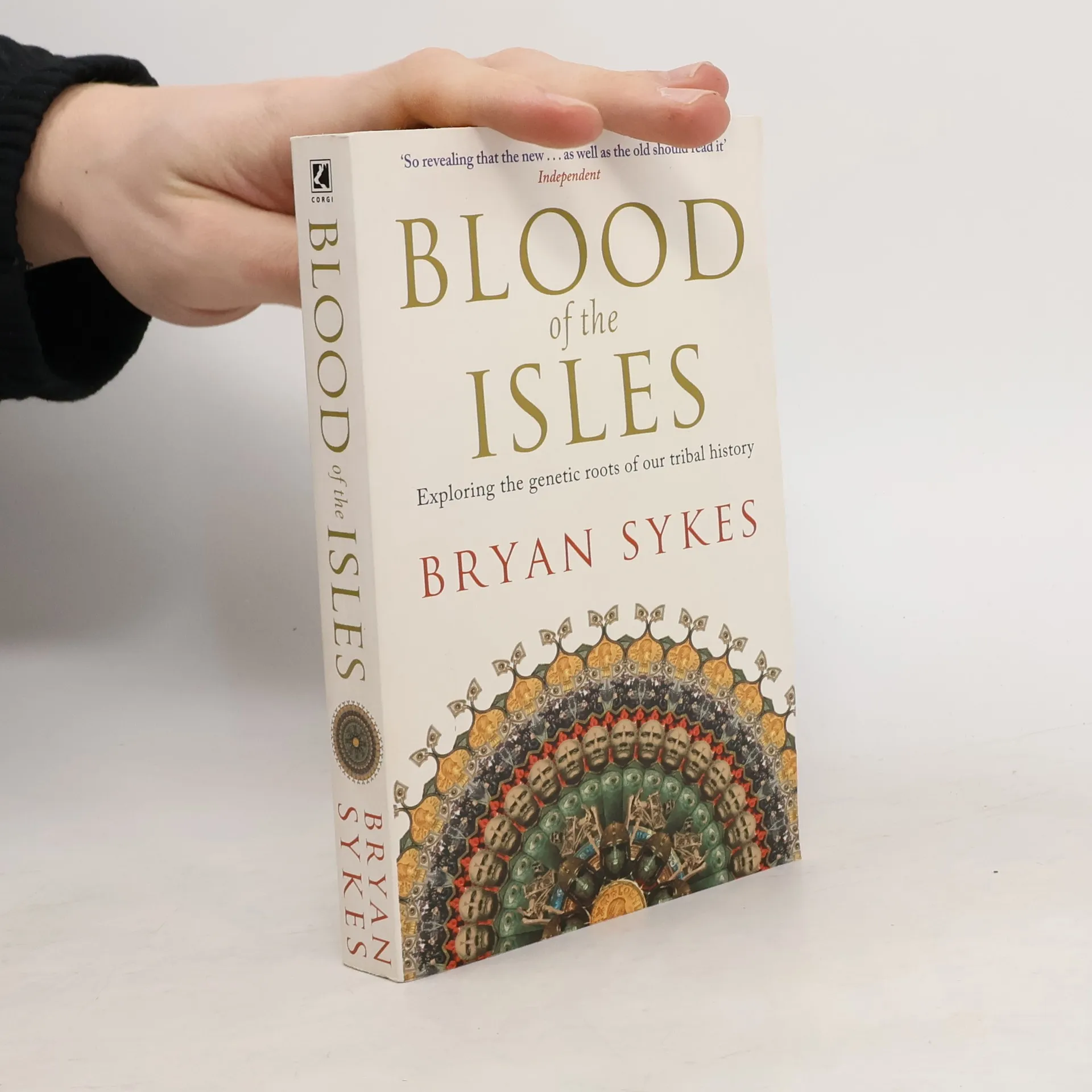
In 54 B.C. Julius Caesar launched the Roman invasion of Britain. His was the first detailed account of the Celtic tribes that inhabited the Isles. But where had they come from and how long had they been there? When the Romans eventually left five hundred years later, they were succeeded by Anglo-Saxons, Vikings and Normans. Did these successive invasions obliterate the genetic legacy of the Celts, or did they have very little effect? After two decades tracing the genetic origins of peoples from all over the world, Bryan Sykes has now turned the spotlight on his own back yard. In a major research programme, the first of its kind, he and his team at Oxford University set out to test the DNA of over ten thousand volunteers from across Britain and Ireland with the specific aim of answering this very question: what is our modern genetic make-up and what does it tell us of our tribal past? Where are today¿s Celtic genes? Did Vikings only rape and pillage, or did they settle with their families? And what of the genetic legacy of the Saxons and the Normans? Are the modern people of the Isles a delicious genetic cocktail? Or did the invaders keep mostly to themselves, forming separate genetic layers within the Isles? And where do you fit in? - BOOK JACKET.
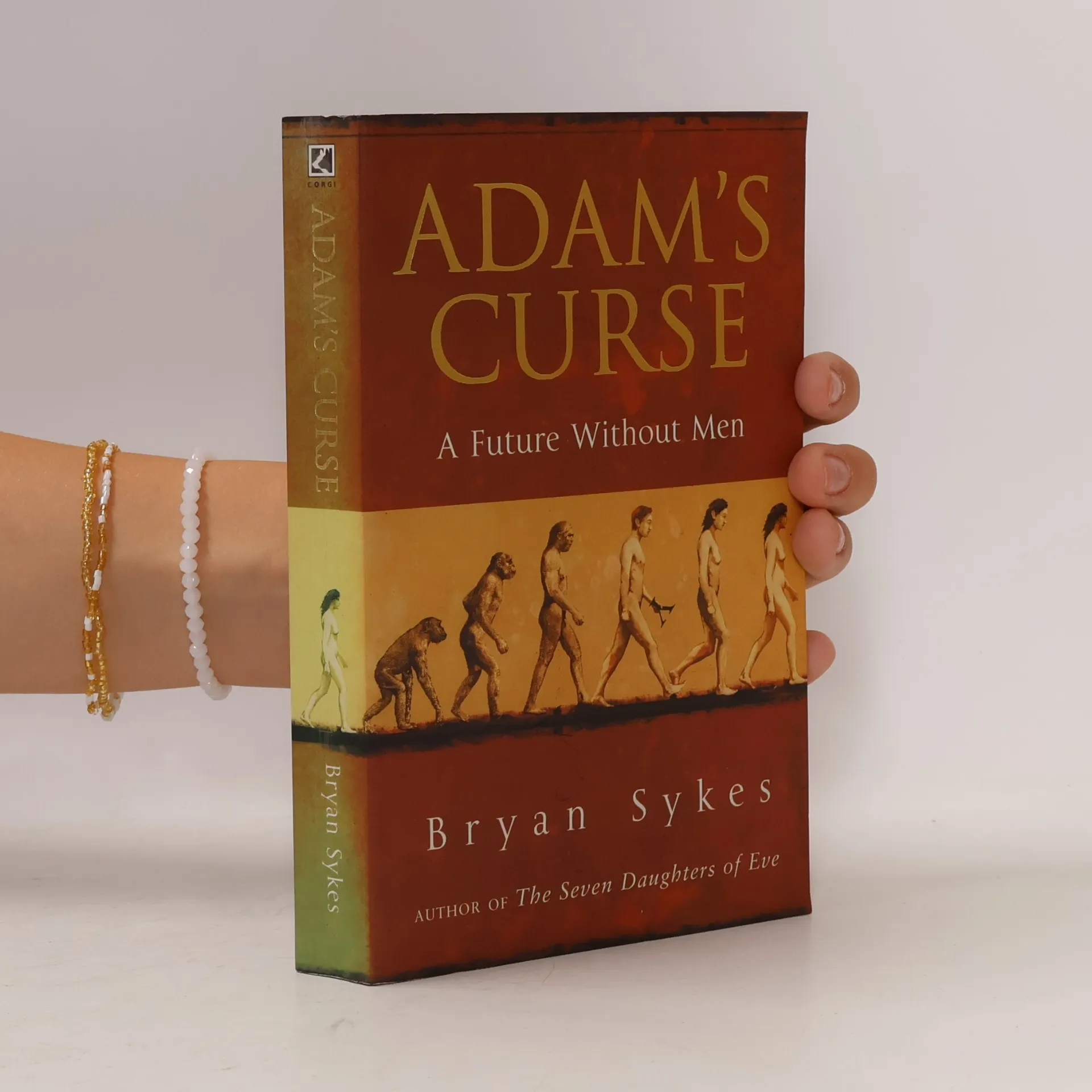
Genetically speaking, the only difference between men and women is that where women have two X chromosomes, men have one X and one Y. It is surprising that one chromosome difference out of our total of forty-six can have such an important consequence, but it does. Is this relatively small genetic variance really sufficient to explain the huge differences between the sexes, not just the physical but the psychological, social, even cultural? Drawing on his own work at the forefront of modern genetics and the exciting theories of evolutionary biology, Bryan Sykes explores the mysteries of the science of sex and gender, and takes a scientific look at what makes men tick. He addresses the most basic issues of why there are only two sexes in humans and, even, why there is sex at all. He also raises more far-reaching questions, such as: Is there a genetic cause for men's greed, aggression and promiscuity? Is there such a thing as the male homosexual gene? And what do genes tell us about the future for men? Sykes's conclusions will surprise some people and are bound to cause controversy. The all-important male Y chromosome is getting smaller and, as the generations pass, the female genome is taking over as it cannibalizes parts of the Y chromosome. Women are winning the evolutionary battle of the sexes. The shocking conclusion is that men, slowly but surely, are headed for extinction.
<strong>One of the most dramatic stories of genetic discovery since James Watson's <em>The Double Helix</em>—a work whose scientific and cultural reverberations will be discussed for years to come.</strong> In 1994 Professor Bryan Sykes, a leading world authority on DNA and human evolution, was called in to examine the frozen remains of a man trapped in glacial ice in northern Italy. News of both the Ice Man's discovery and his age, which was put at over five thousand years, fascinated scientists and newspapers throughout the world. But what made Sykes's story particularly revelatory was his successful identification of a genetic descendant of the Ice Man, a woman living in Great Britain today. How was Sykes able to locate a living relative of a man who died thousands of years ago? In <em>The Seven Daughters of Eve</em>, he gives us a firsthand account of his research into a remarkable gene, which passes undiluted from generation to generation through the maternal line. After plotting thousands of DNA sequences from all over the world, Sykes found that they clustered around a handful of distinct groups. Among Europeans and North American Caucasians, there are, in fact, only seven. This conclusion was staggering: almost everyone of native European descent, wherever they may live throughout the world, can trace their ancestry back to one of seven women, the Seven Daughters of Eve. Naming them Ursula, Xenia, Helena, Velda, Tara, Katrine, and Jasmine, Sykes has created portraits of their disparate worlds by mapping the migratory patterns followed by millions of their ancestors. In reading the stories of these seven women, we learn exactly how our origins can be traced, how and where our ancient genetic ancestors lived, and how we are each living proof of the almost indestructible strands of DNA, which have survived over so many thousands of years. Indeed, <em>The Seven Daughters of Eve</em> is filled with dramatic stories: from Sykes's identification, using DNA samples from two living relatives, of the remains of Tsar Nicholas and Tsaress Alexandra, to the Caribbean woman whose family had been sold into slavery centuries before and whose ancestry Sykes was able to trace back to the Eastern coast of central Africa. Ultimately, Sykes's investigation reveals that, as a race, what humans have in common is more deeply embedded than what separates us.