

Monografická práce o iráckém diktátorovi přináší zevrubné informace o jeho životě a pomáhá čtenáři lépe se orientovat v problematice Blízkého východu
Ephraim Karsh Knihy
6. září 1953
Efraim Karsh je předním autorem, jehož práce se hluboce zabývá geopolitikou Blízkého východu a širšími otázkami impéria a strategie. Jeho analýzy často zkoumají dlouhodobé historické síly a konflikty, které formovaly region. Karshův styl je charakterizován přísnou akademickou precizností a analytickou ostrostí. Jeho rozsáhlé publikace a komentáře nabízejí pronikavý pohled na složitost mezinárodních vztahů a dějiny Blízkého východu.


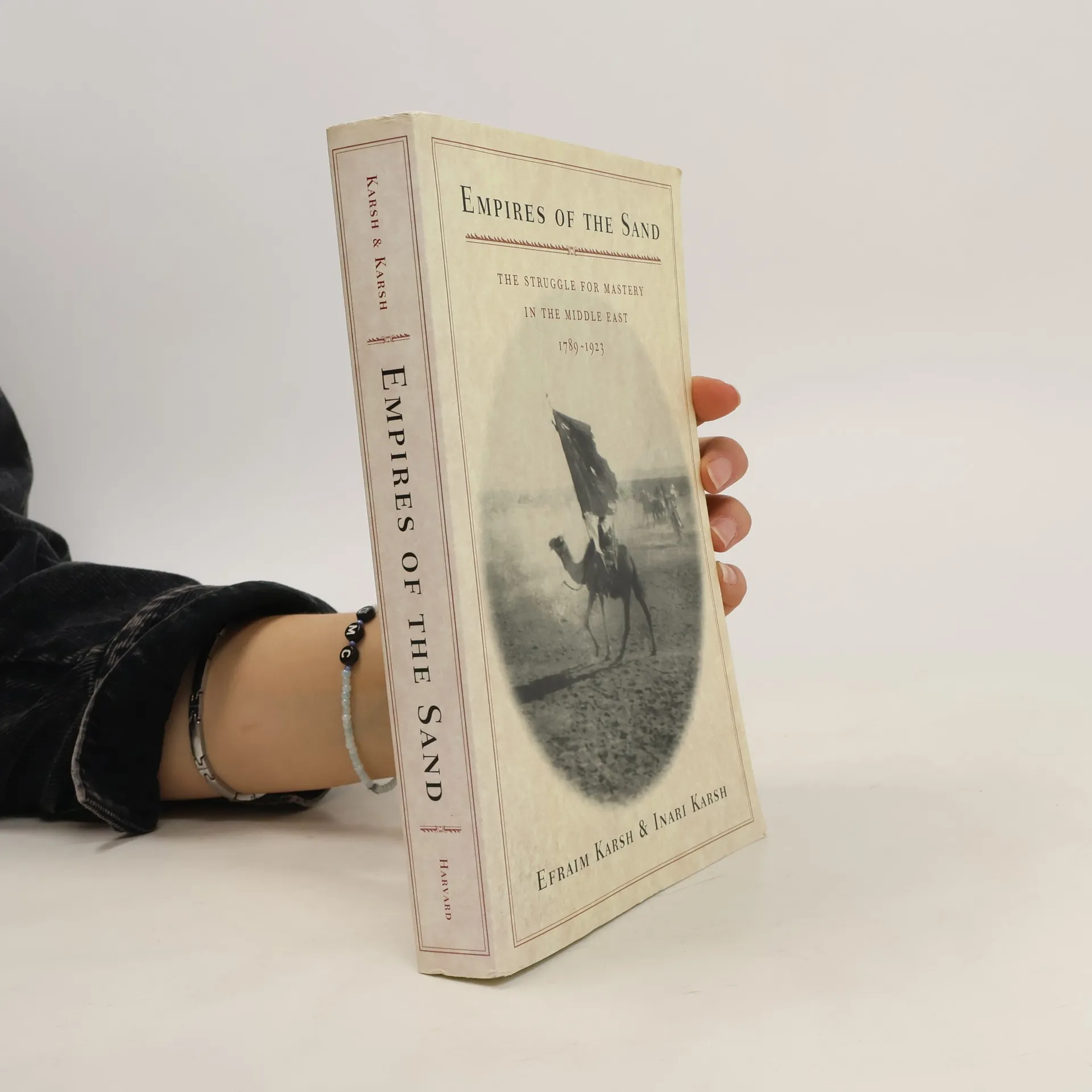
Empires of the Sand
- 426 stránek
- 15 hodin čtení
Rejecting the view of modern Middle Eastern history as an offshoot of global power politics, the authors argue that the main impetus for the developments of the momentous long 19th century (1789-1923) came from local actors. They see a pattern of pragmatic cooperation and conflict between the Middle East and the West during the past two centuries. schovat popis
Palestine Betrayed
- 342 stránek
- 12 hodin čtení
The 1947 UN resolution to partition Palestine irrevocably changed the political landscape of the Middle East, giving rise to six full-fledged wars between Arabs and Jews, countless armed clashes, blockades, and terrorism. This title tells the story from both the Arab and Jewish perspectives. číst celé
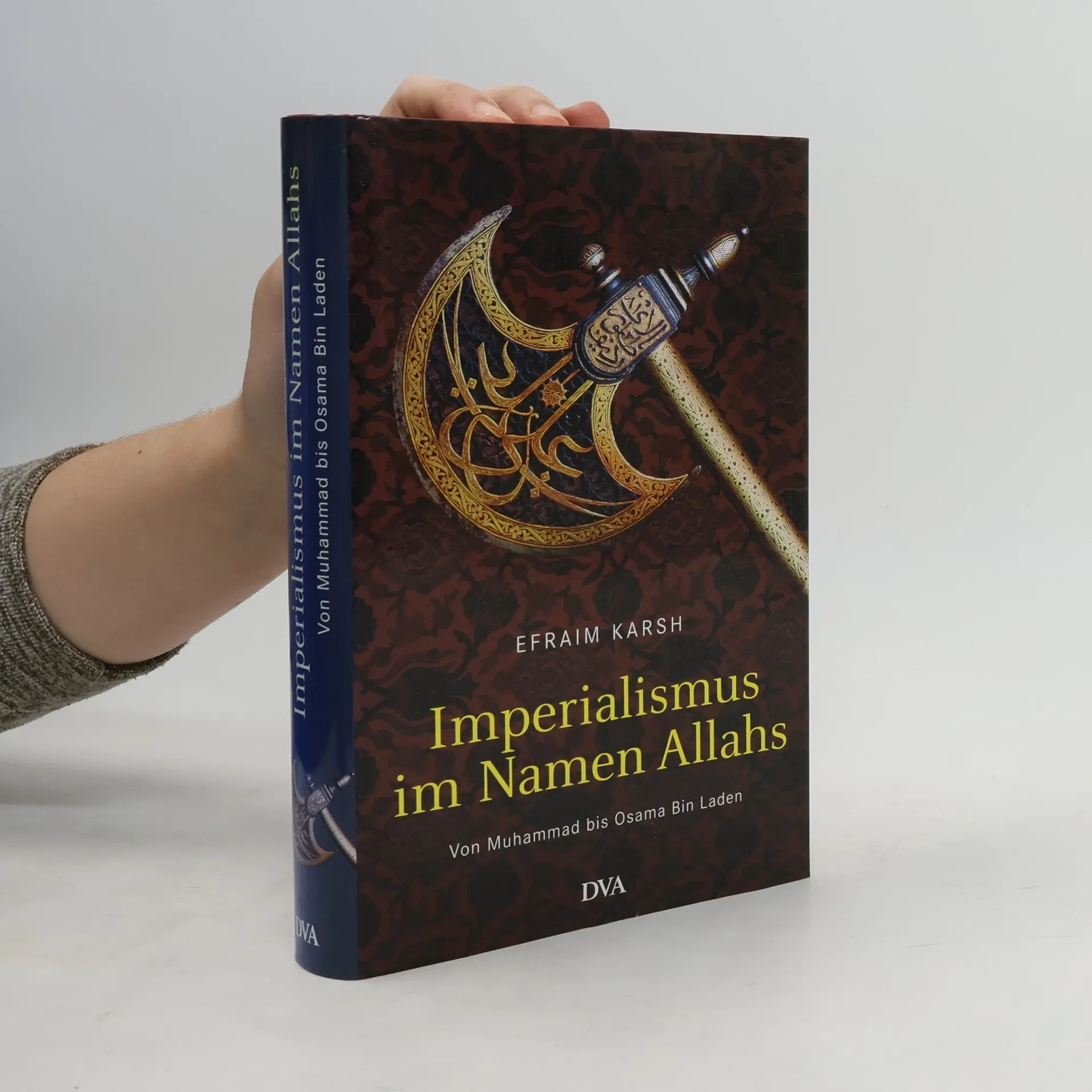
Will der Islam die Welt erobern? Von der ersten arabisch-islamischen Herrschaft im 7. Jahrhundert bis zum Osmanischen Reich war die Geschichte des Mittleren Ostens eine Geschichte von Aufstieg und Niedergang großer Imperien. Nicht zuletzt war sie die eines islamischen imperialistischen Traums. Dieser Traum, so Efraim Karsh, existiert bis zum heutigen Tag, und der 11. September 2001 kann als sein bisher letzter Ausdruck betrachtet werden. Karsh bietet eine neue Sicht auf Geschichte und Gegenwart der muslimischen Welt. Er betrachtet sie nicht als Ausläufer europäischer und amerikanischer Machtpolitik, sondern porträtiert sie als Gegenentwurf zur westlichen Zivilisation und stellt unmissverständlich klar, wonach der Islam strebt, nämlich der Veränderung der Welt nach seinen Vorstellungen. Die Botschaft des Buches ist klar: Der Westen täte gut daran, diese Ambitionen ernst zu nehmen. Eine brennende Frage - nicht erst seit der Regensburger Rede Papst Benedikts XVI.: Wonach strebt der Islam? Die beunruhigende und aufrüttelnde Analyse des Nahostexperten und Spezialisten für die Geschichte der islamischen Welt