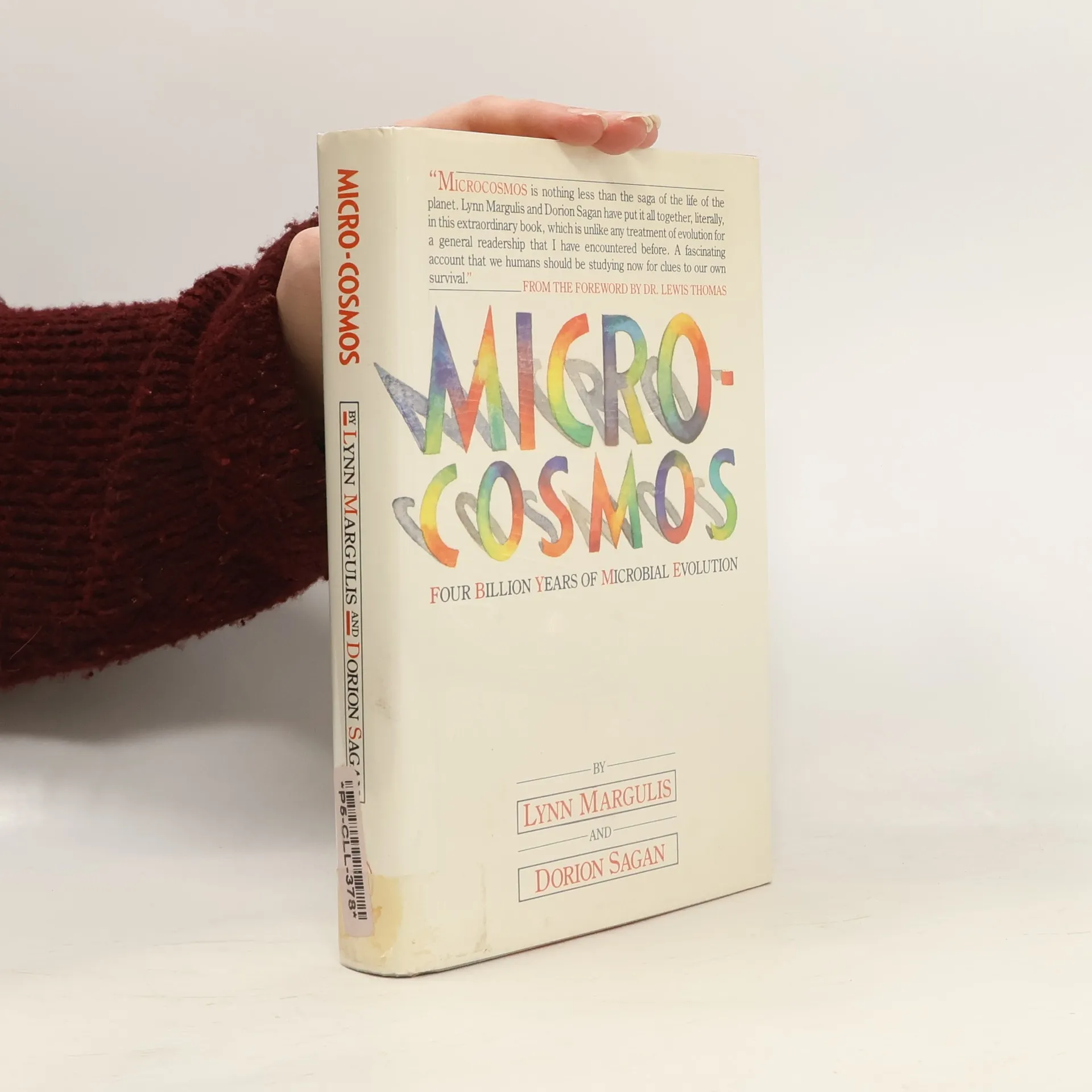
Darwinova evoluční teorie položila základy moderní biologie, ale pověděla velmi málo o vzniku druhů. Darwin a jeho moderní následovníci přesvědčivě dokazují, jak jsou změny děděných vlastností dány přírodním výběrem, ale ponechávají bez odpovědi otázku, jak různé organismy vlastně vznikly. Lynn Margulisová, jedna z nejznámějších osobností současné vědy, v této knize ukazuje, že symbióza je zásadní pro zrod evoluční novosti. Na širokém spektru organismů – od bakterií až k těm největším vysvětluje vznik těch nejdůležitějších evolučních novinek právě pomocí symbiźy. Mnohé buňky vznikly ze symbiotického spojení různých druhů bakterií. Sex – a jeho nevyhnutelný důsledek, smrt – vznikl, když nezdařený pokus o kanibalismus vyústil v opakované slučování našich nejmenších předků. Suchozem byla pokryta vegetací až jako důsledek symbiózy řas a hub, která vyústila v evoluci rostlinstva. Lynn Margulisová mimo to popisuje svůj vstup do světa vědy a svoje první kroky při práci na teorie symbiózy, která způsobila revoluci v evoluční biologii. Kniha, psaná se strhujícím nadšením a opírající se o autorčinu vědeckou erudici, může změnit váš pohled na životem kypící Zemi.
Lynn Margulis Knihy
Lynn Margulis byla významná vědkyně, jejíž práce zásadně ovlivnila naše chápání života na Zemi. Zabývala se evoluční biologií a předkládala radikální myšlenky o vzniku a vývoji organismů. Její výzkum zdůrazňoval symbiotické vztahy jako klíčový motor evoluce. Margulisin odkaz spočívá v jejím odvážném zpochybňování zavedených teorií a v podpoře holistického pohledu na přírodu.



Half a century ago the Austrian physicist and philosopher Erwin Schrodinger inspired a generation of scientists by rephrasing the philosophical question: What is life?. This text revisits this question in a narrative which combines rigorous science with philosophy, history and poetry. schovat popis
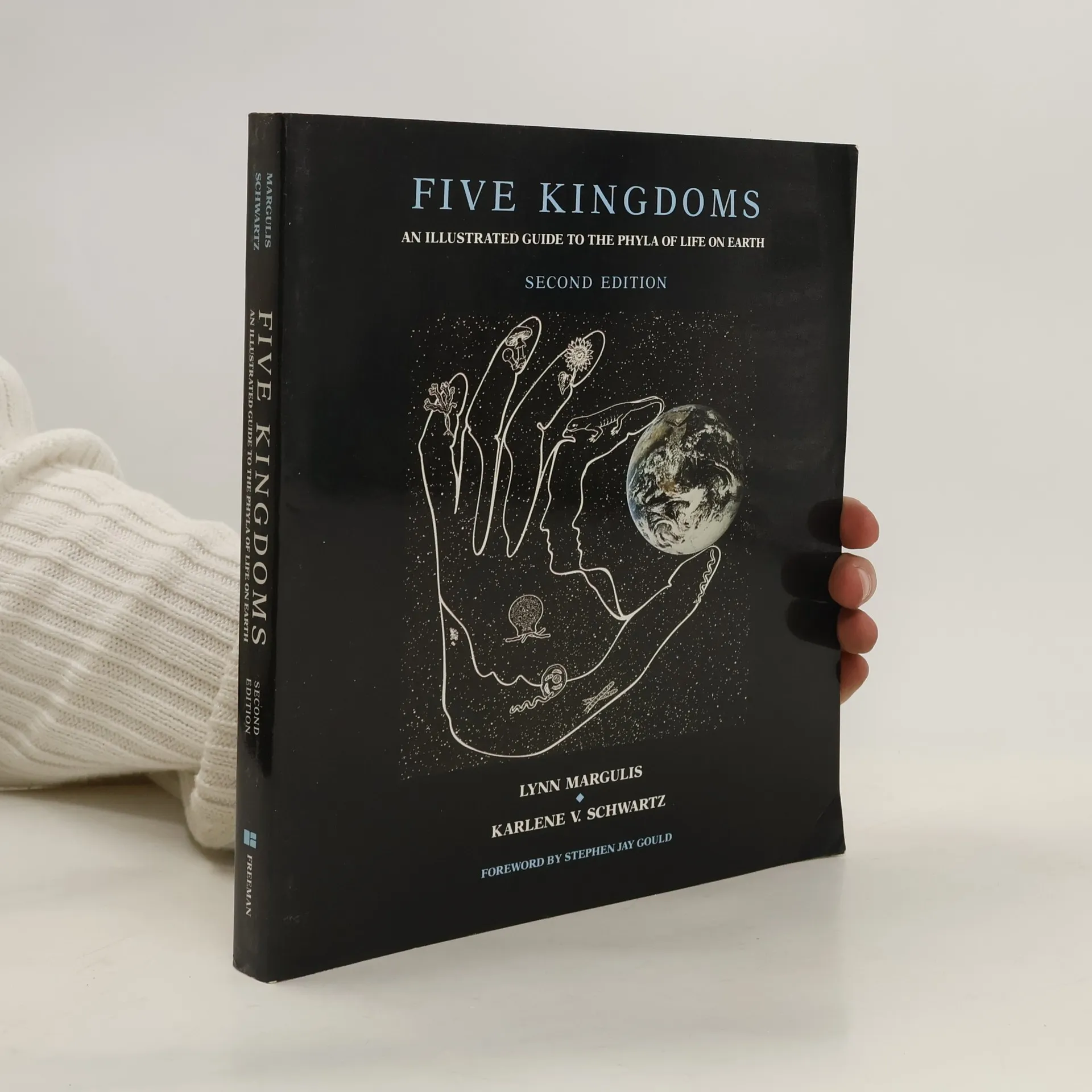
Five Kingdoms
- 376 stránek
- 14 hodin čtení
Offers an illustrated reference to both microbes and macroscopic organisms. Brief essays introduce broad outlines of kingdoms and phyla. Entries on specific organisms give information on appearance, environment, relations to other organisms, and how scientists group them, and include bandw photos and diagrams. An introduction explains classification systems. Includes lists of museums, geological sites, and Web sites, plus a glossary and lists of phyla and genera assigned to phyla. Six sets of 35-mm color transparencies are available. Useful for students of biology at any level. Annotation copyrighted by Book News, Inc., Portland, OR
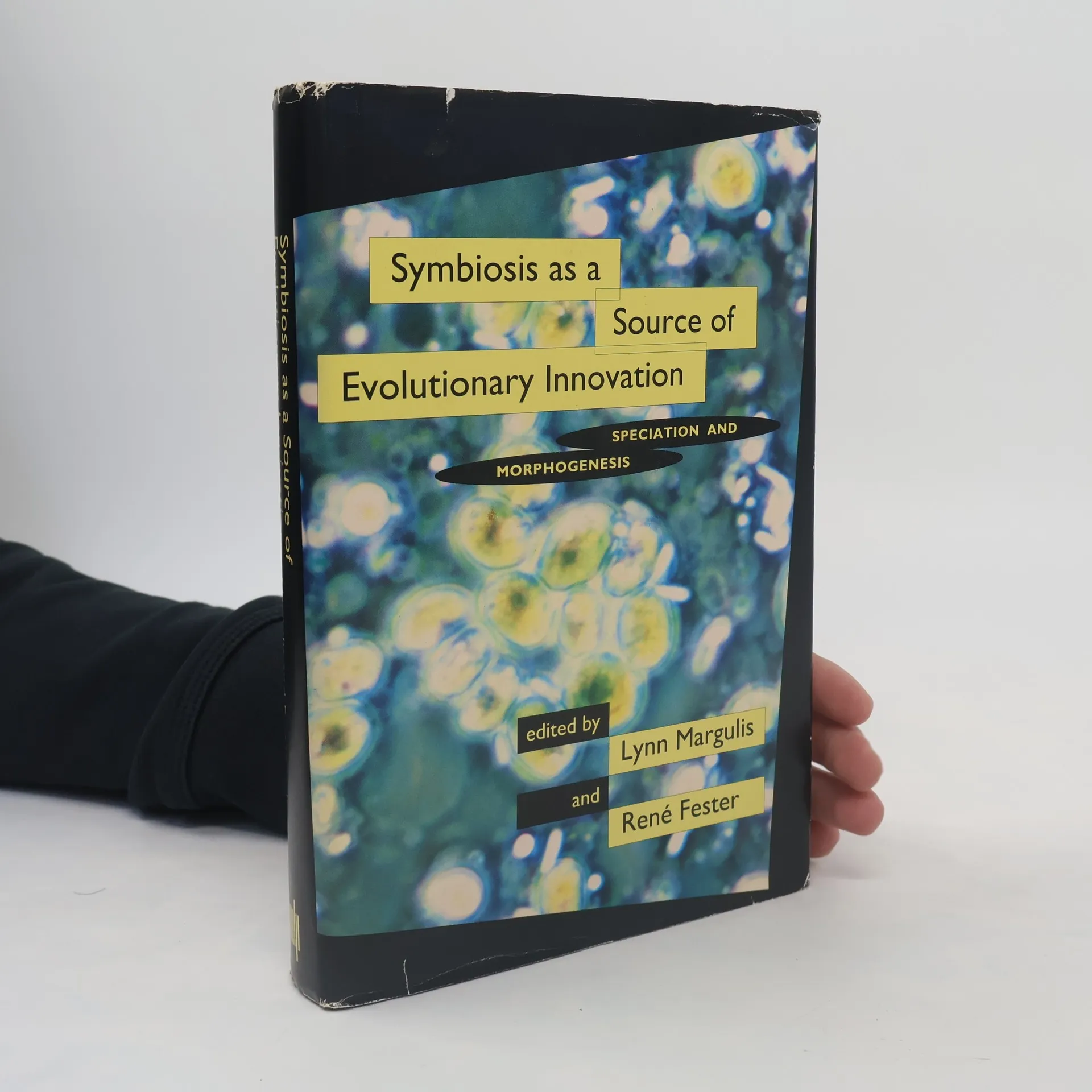
Symbiosis as a Source of Evolutionary Innovation
Speciation and Morphogenesis
- 470 stránek
- 17 hodin čtení
This collection features original contributions from symbiosis biologists and evolutionary theorists who challenge the adequacy of the neo-Darwinian concept of evolution. They present growing evidence that hereditary symbiosis, alongside gradual heritable mutations, plays a crucial role in the emergence of new species and morphological innovations. The concept of symbiosis, particularly the genetic and metabolic interactions of bacterial communities that evolved into the earliest eukaryotes, has garnered increasing interest among scientists. The contributions explore various topics, including the evolutionary implications of symbiosis, the prolonged physical associations between different species, and the significance of symbiosis in cell evolution, ecology, and morphogenesis. Key issues discussed include individuality, microbial symbioses, and animal-bacterial interactions. Lynn Margulis, a distinguished professor at the University of Massachusetts at Amherst, is recognized as the modern originator of the symbiotic theory of cell evolution, which has transitioned from being viewed as heretical to becoming integral to the microbiological revolution. The volume includes insights from notable contributors in the field, reflecting a shift in understanding evolution through the lens of symbiotic relationships.
Margulis, Lynn, Investigator, Non-NASA Center: U MA, Amherst.
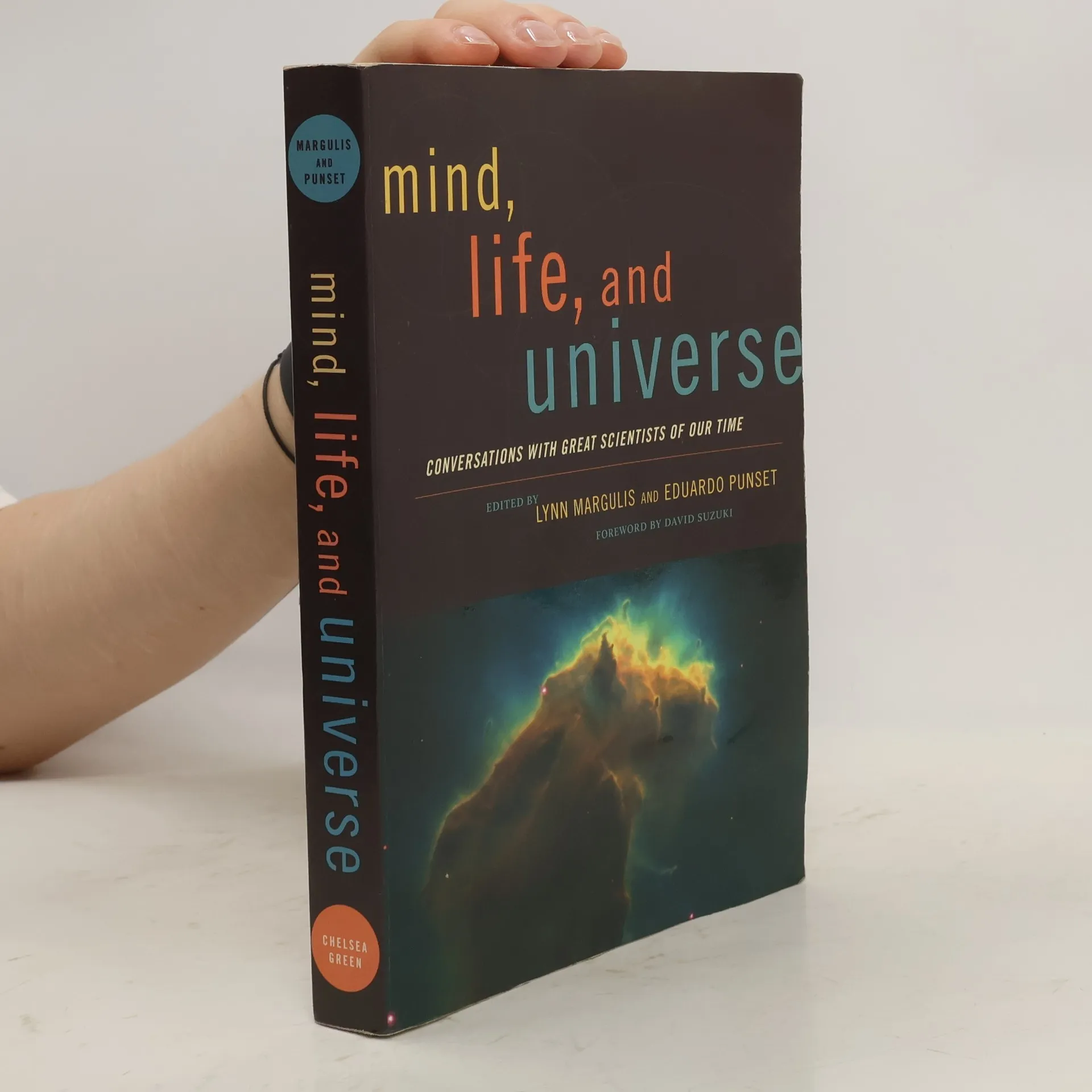
Mind, Life, and Universe
Conversations with Great Scientists of Our Time
Through Punset’s skillful questions, readers meet one scientist who spends her waking hours to assure the freedom of African primates, another passionate about his idea that his wife’s choice of husband was determined when she was a fetus, and another who explains the evidence for more than the standard four dimensions of length, width, height, and time. In captivating conversations with such science luminaries as Richard Dawkins, Sheldon Glashow, Jane Goodall, James E. Lovelock, Lisa Randall, Robert Sapolski, Oliver Sacks, and E.O. Wilson, the editors reveal a unique, hidden world of intellectual interest, verve, and humor.
Gaia and Philosophy
- 88 stránek
- 4 hodiny čtení
The Gaia theory states that on Earth, life interacts with and eventually becomes its own environment. Gaia is a holistic perspective asserting that the Earth is a self-regulating complex system, resonant with the ancient magico-religious understanding that all is one. Innovated by the atmospheric chemist James Lovelock, supported by microbiologist Lynn Margulis and named by novelist William Golding, Gaia states that the temperature and composition of the Earth's atmosphere are actively regulated by the sum of life on the planet, which, seeking a physical and chemical environment optimal for contemporary life, influences the physical attributes of Earth on a planetary scale. In the way that the human mind extends DNA, the atmosphere is an extension of the biosphere: as above, so below. Fusing science, mathematics, philosophy, ecology and mythology, Gaia and Philosophy challenges the anthropocentrism of Western rationalist thought to propose a symbiotic planet. In its striking philosophical conclusion - that the cybernetic control of the Earth's surface by its organisms calls into question the alleged uniqueness of human intelligent consciousness - the revolutionary Gaia paradigm holds important implications not only for understanding life's past but for shaping its future.
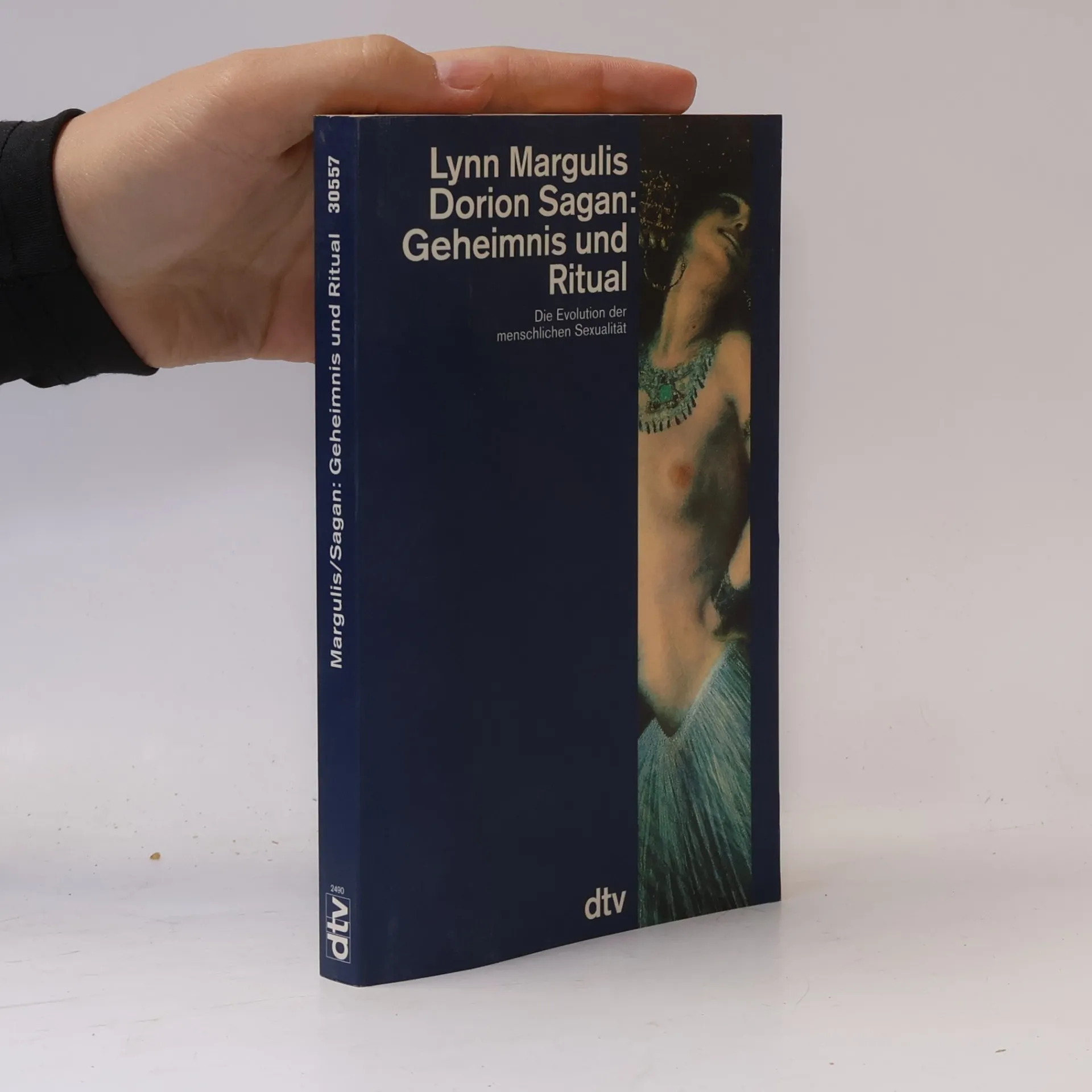
Die Autoren verfolgen die Entwicklung des menschlichen Sexualverhaltens und unsere komplexen Gefühle über Sex, gestützt auf Psychoanalyse, Philosophie, Religion, Linguistik und Politik. Lynn Margulis ist eine führende Evolutionsbiologin.
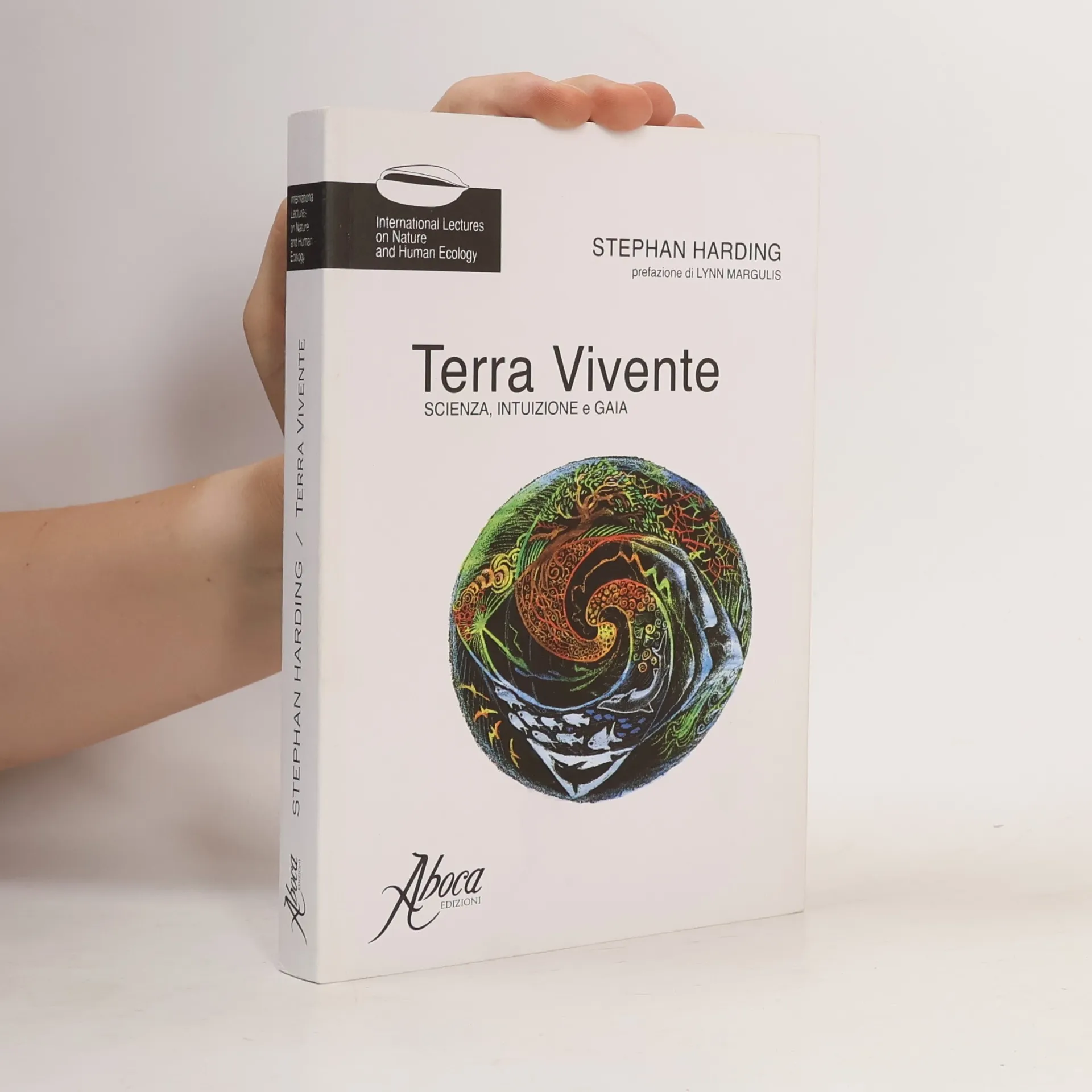
Terra vivente. Scienza, intuizione e Gaia
- 304 stránek
- 11 hodin čtení