
Knihobot

Henri de Lubac

    20. únor 1896 – 4. září 1991

    Henri-Marie de Lubac byl vlivný francouzský jezuitský teolog 20. století. Jeho práce a výzkum měly klíčový vliv na formování Druhého vatikánského koncilu. Vyučoval dějiny náboženství a ovlivnil řadu významných studentů. Jeho teologické dílo je zásadní pro pochopení moderní katolické myšlenky.

    Henri de Lubac
    Corpus mysticum
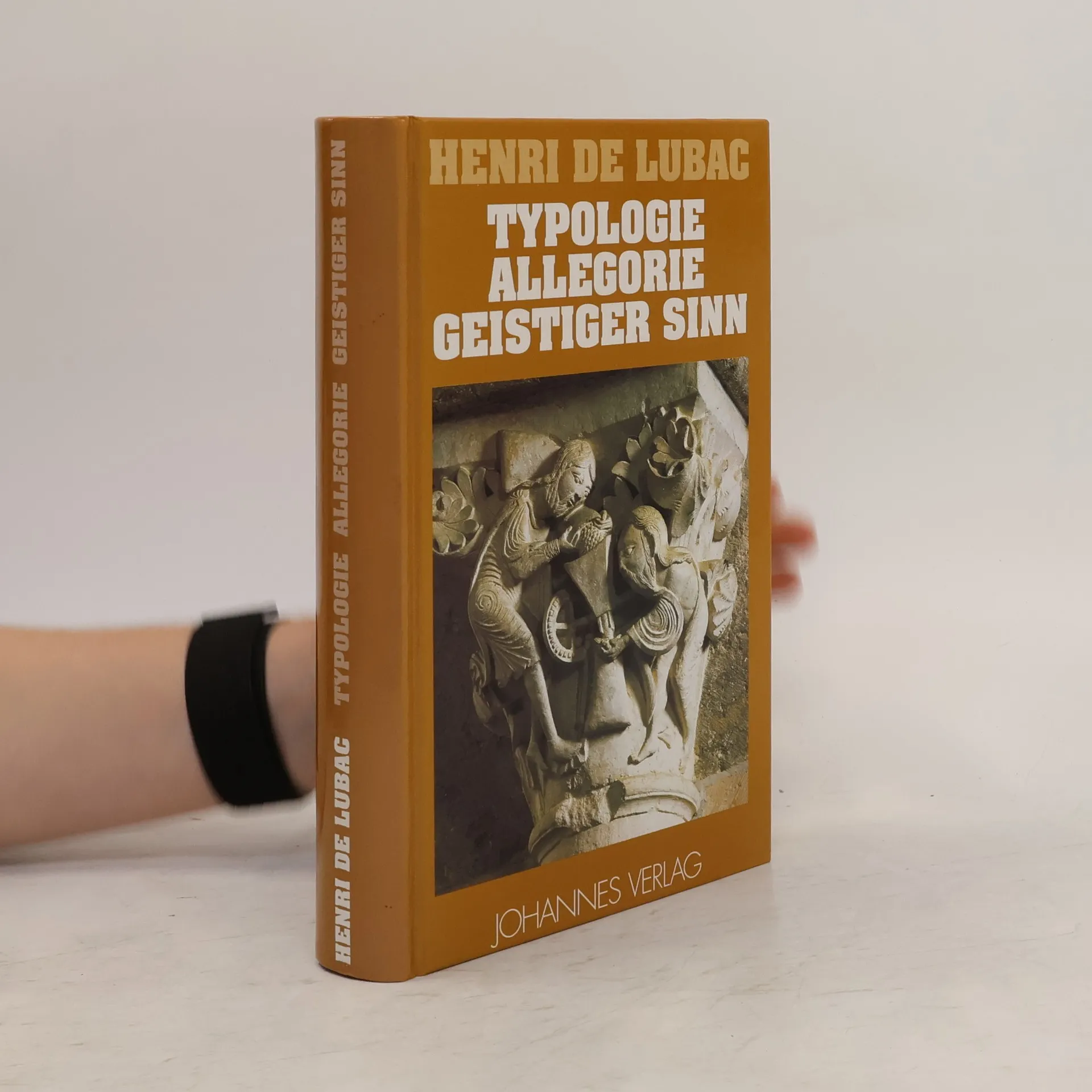
    Typologie, Allegorie, Geistiger Sinn
    The Discovery of God
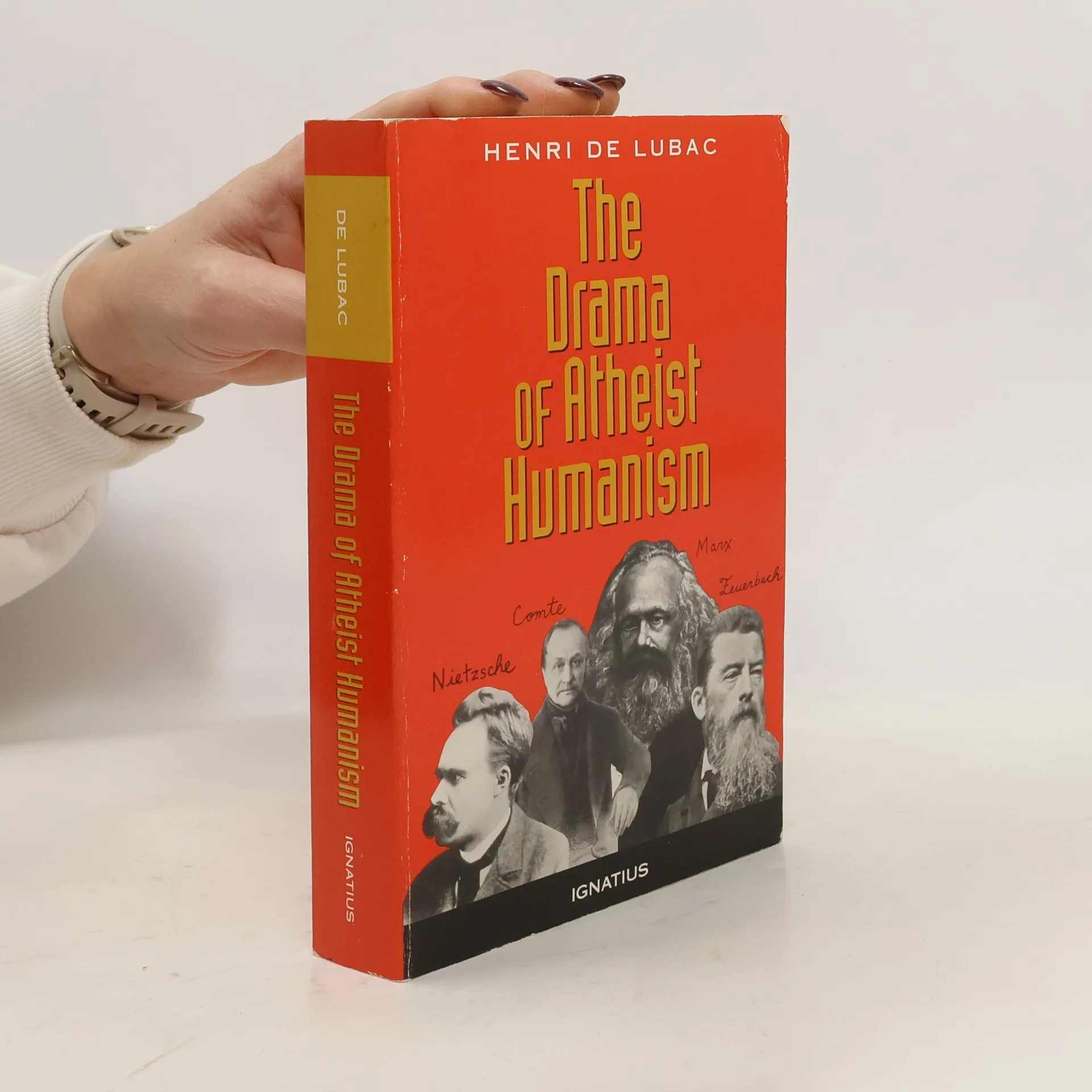
    The Drama of Atheist Humanism
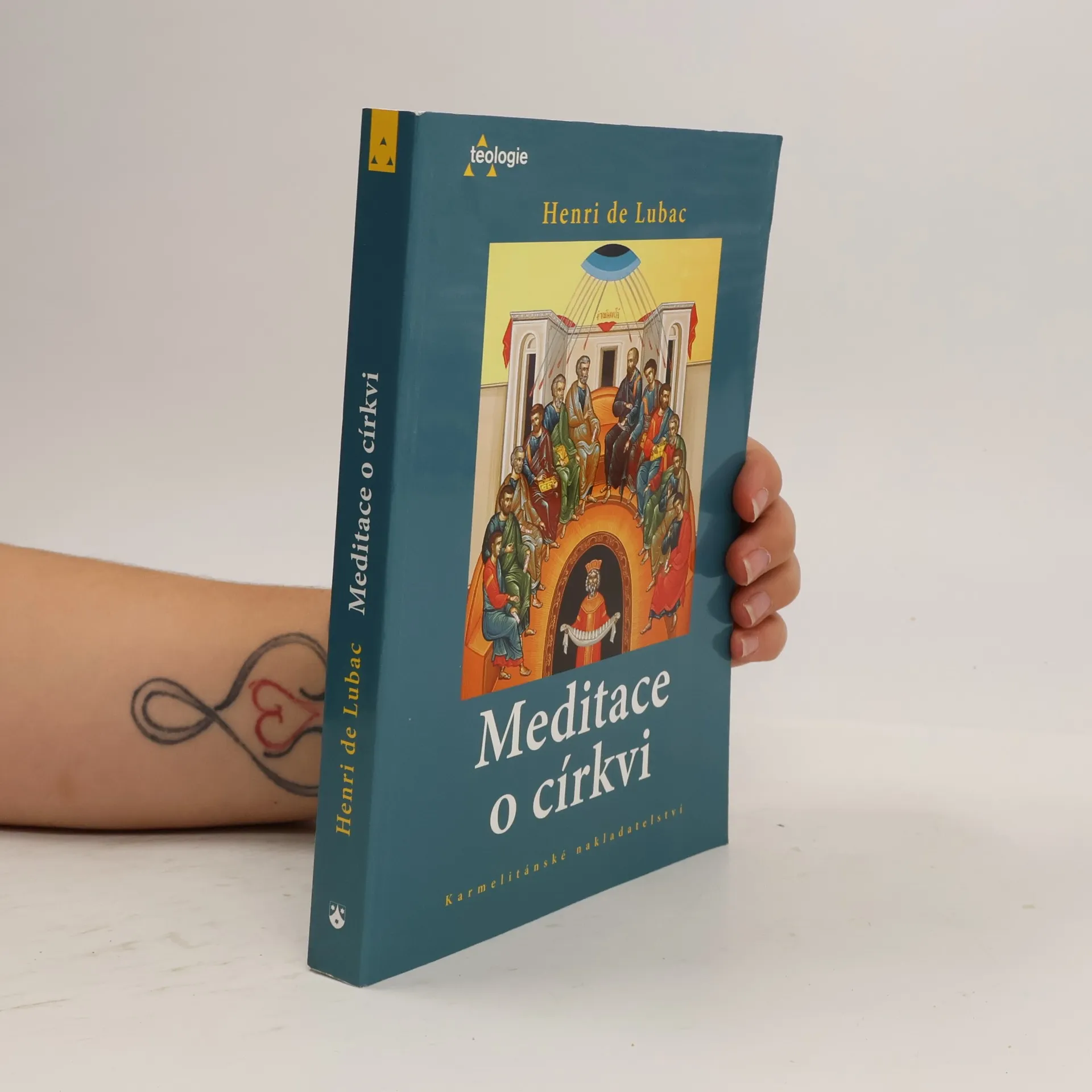
    Meditace o církvi
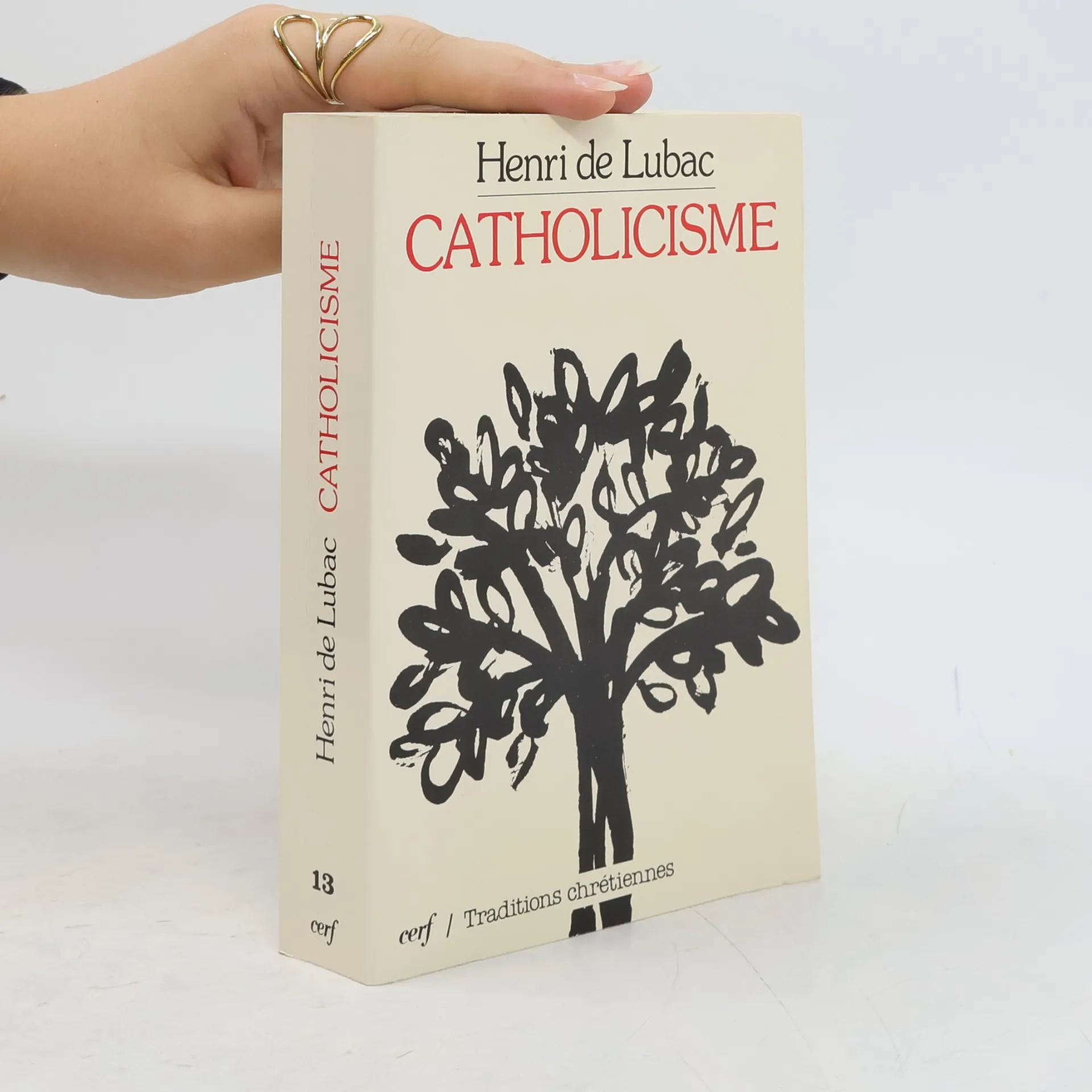
    Katolicismus
    • Katolicismus

      • 287 stránek
      • 11 hodin čtení
      5,0(1)Ohodnotit

      Může kniha o církvi, která vyšla poprvé v r. 1937 a která už dlouho předtím dozrávala v autorově vědomí, ještě něco říci čtenáři na přelomu tisíciletí a po druhém vatikánském koncilu? Odvažujeme se tvrdit, že ani dnes neztratila na své aktuálnosti, zejména pro křesťany, kteří prožívali jeden z nejdůležitějších úseků církevních dějin za "železnou oponou"! Ano, řekli bychom, že byla napsána právě teď a pro ně! Ekleziologie "koncilu našeho století" postavila silně do popředí církev jako společenství jediného Božího lidu, vykoupené Kristem, které je s ním sjednoceno jako údy s Hlavou a které se tajemně rozprostírá daleko za hranice takzvané církve "institucionální", viditelné.
      Katolicismus
    • Meditace o církvi

      • 339 stránek
      • 12 hodin čtení

      Medice o církvi je knihou hlubokých teologických a historických úvah a zároveň autorovým osobním rozjímáním o tajemství církve. Pozoruhodné je, že kniha vyšla v době, kdy se autor kvůli některým lidem z církve dostal do značných obtíží. Nejspíše právě proto v ní najdeme opravdovou úctu a lásku k církvi.

      Meditace o církvi
    • Henri de Lubac, S.J. De Lubac traces the origin of 19th century attempts to construct a humanism apart from God, the sources of contemporary atheism which purports to have "moved beyond God." The three persons he focuses on are Feuerbach, who greatly influenced Marx; Nietzsche, who represents nihilism; and Comte, who is the father of all forms of positivism. He then shows that the only one who really responded to this ideology was Dostoevsky, a kind of prophet who criticizes in his novels this attempt to have a society without God. Despite their historical and scholarly appearance, de Lubac's work clearly refers to the present. As he investigates the sources of modern atheism, particularly in its claim to have definitely moved beyond the idea of God, he is thinking of an ideology prevalent today in East and West which regards the Christian faith as a completely outdated.

      The Drama of Atheist Humanism
    • The Discovery of God

      • 236 stránek
      • 9 hodin čtení
      4,2(36)Ohodnotit

      Focusing on the concept of God and spiritual life, this work encapsulates Henri de Lubac's philosophical and theological insights. It explores the interconnectedness of faith and human existence, highlighting the significance of divine discovery in understanding the deeper aspects of spirituality. Through de Lubac's perspective, readers are invited to reflect on the essence of belief and its impact on the human experience.

      The Discovery of God
    • Rudolf Voderholzer legt hier nun die entsprechenden wichtigsten Originaltexte de Lubacs in deutscher Übersetzung vor:Die von de Lubac selbst zusammengestellte Kurzfassung des monumentalen vierbändigen Werkes «Exégèse médiévale» (1959-1964) mit dem Titel «L'Ecriture dans la Tradition» (1966) sowie drei umfangreiche Aufsätze: «Typologie et Allégorie» (1947), «Sur un vieux distique. Le quadruple sens de l'Ecriture» (1948) sowie «A propos de l'Allégorie chrétienne» (1959).Mit dieser Zusammenstellung ist dem deutschsprachigen Leser erstmals die Quintessenz von «Exégèse médiévale» zugänglich gemacht. Das Buch enthält auch die Texte des vergriffenen Bändchens «Der geistige Sinn der Schrift» (= Christ heute II/5) von 1952, dessen Vorwort von Hans Urs von Balthasar diesem Band als Nachwort angefügt ist.(Quelle: http://www.johannes-verlag.de/357x.htm)

      Typologie, Allegorie, Geistiger Sinn