

Nedávná ekonomická krize byla připsána do značné míry na vrub chybějícím regulačním mechanismům na finančním trhu. Tato skutečnost nastolila i v tradičně liberálních státech znovu otázku státních zásahů do hospodářství. Ian Bremmer ve své čtivé knize pečlivě rozkrývá výchozí situaci a formuluje argumenty zastánců linie volného trhu i těch, kteří volají po větší míře státního dirigismu. Ukazuje, že ve skutečnosti neexistuje ani jedna z obou variant v ideální podobě, ale jde vždy o proměnlivou směs obojího. Protikladem liberálního kapitalismu není socialismus, ale státní kapitalismus, za nímž nestojí ideologická východiska, ale politické zájmy státu, jimž je podřízena sféra ekonomiky. Bremmer předkládá kritické zamyšlení nad jejich pozitivy i negativy a poukazuje na probémy, které s sebou každá z cest přináší.
Ian Bremmer Knihy
Ian Bremmer je americký politolog, který se specializuje na americkou zahraniční politiku a globální politická rizika. Prostřednictvím své firmy Eurasia Group poskytuje analýzy politického vývoje a jeho dopadu na světové trhy. Jeho práce se zaměřuje na pochopení dynamiky států v přechodném období a na předvídání budoucích politických otřesů. Bremmerovy poznatky jsou klíčové pro pochopení složitosti mezinárodních vztahů a jejich dopadu na globální ekonomiku.

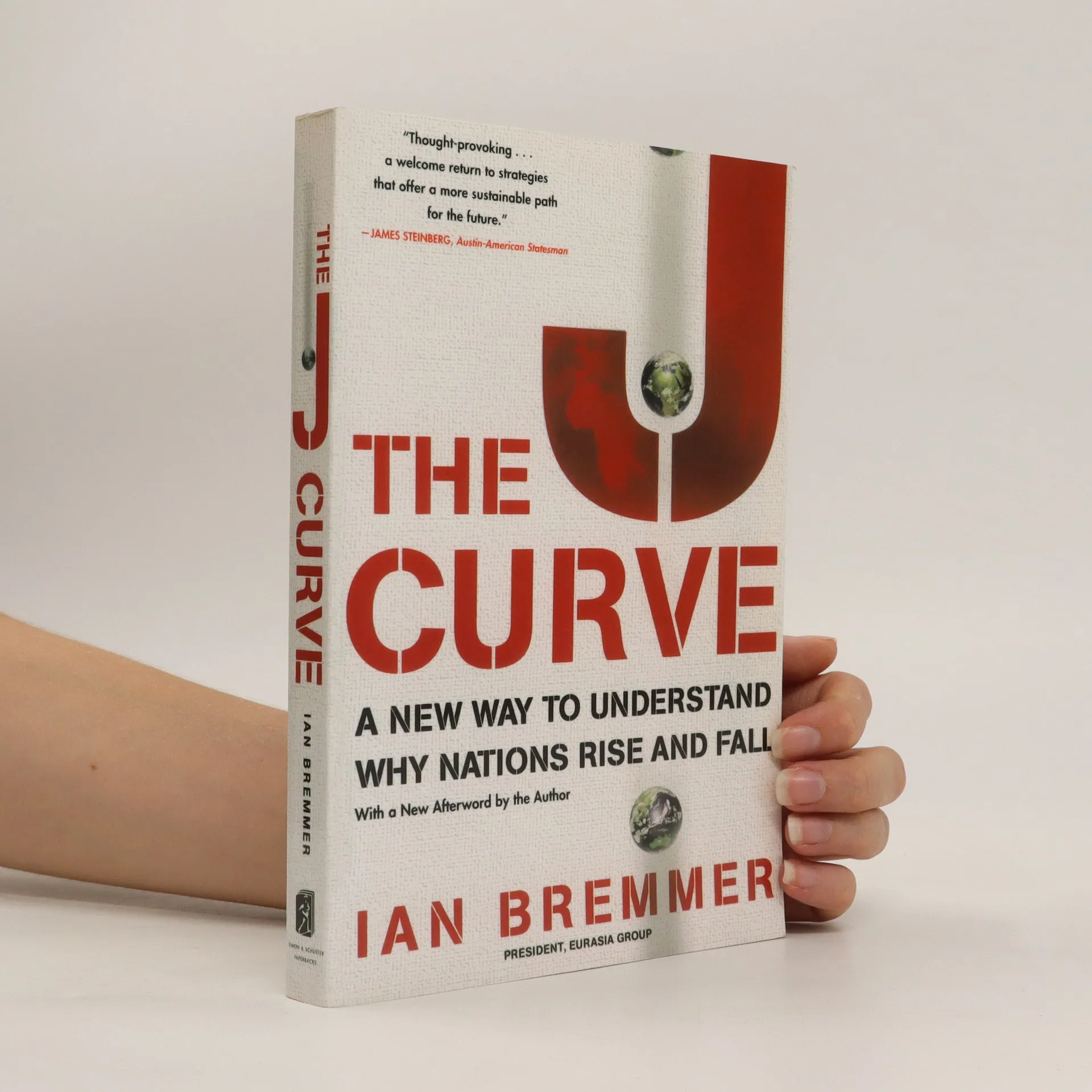
The J Curve: A New Way to Understand Why Nations Rise and Fall
- 336 stránek
- 12 hodin čtení
An international expert presents an analysis of why and how nations make business decisions while demonstrating how the U.S. can best act in its own interests, revealing how the examples of Saddam Hussein and Fidel Castro can inform us about North Korea's Kim Jong-Il, the role America should take in strengthening China's economy, and the importance of acting in Saudi Arabia before it is broken apart.
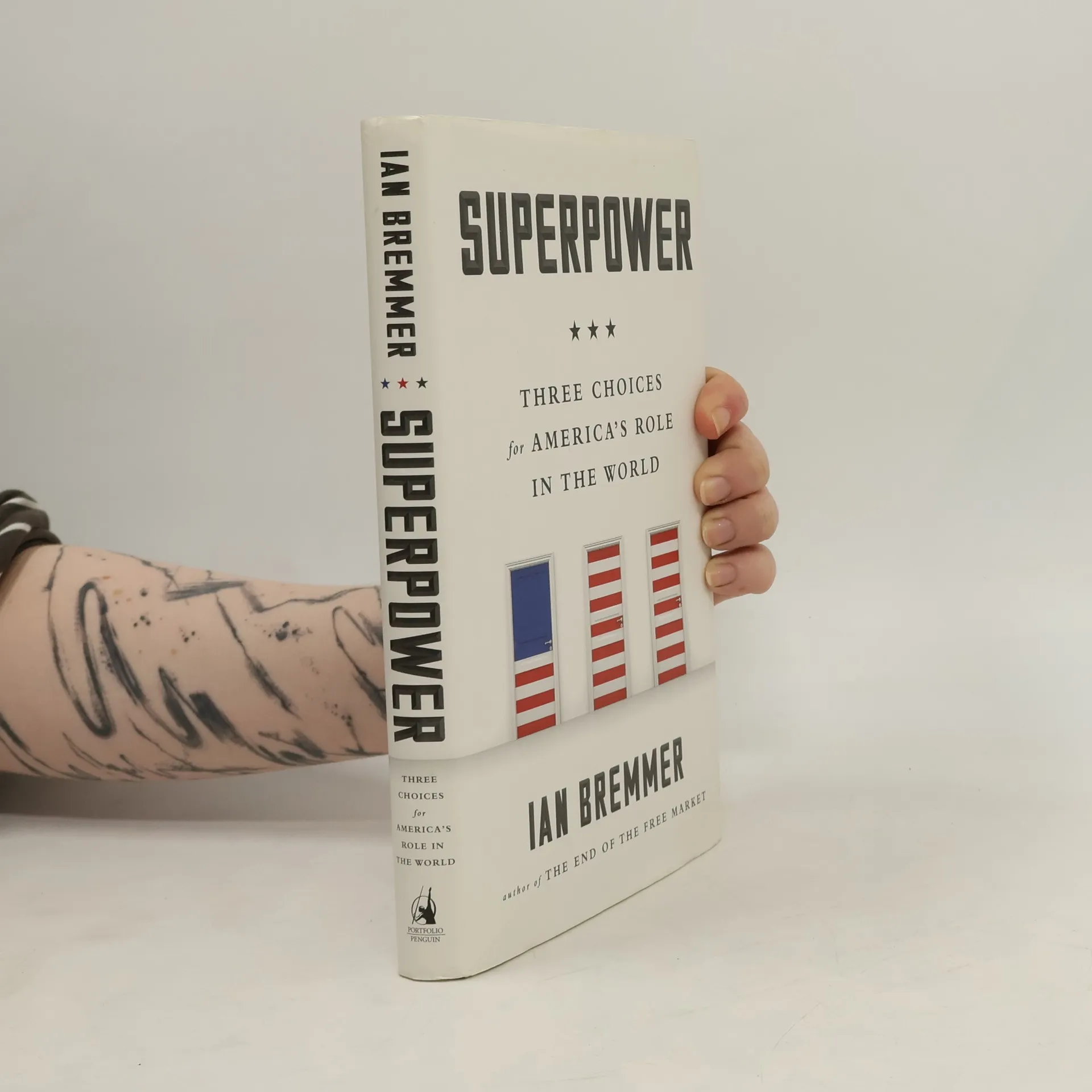
"America will remain the world's only superpower for the foreseeable future. But what sort of superpower? What role should America play in the world? What role do you want America to play? Ian Bremmer argues that Washington's directionless foreign policy has become prohibitively expensive and increasingly dangerous. Since the end of the Cold War, U.S. policymakers have stumbled from crisis to crisis in Afghanistan, Iraq, Iran, Libya, Syria, and Ukraine without a clear strategy. Ordinary Americans too often base their foreign policy choices on allegiance or opposition to the party in power. We can no longer afford this complacency, especially now that both parties are deeply divided about America's role in the world." --
The Power of Crisis
- 288 stránek
- 11 hodin čtení
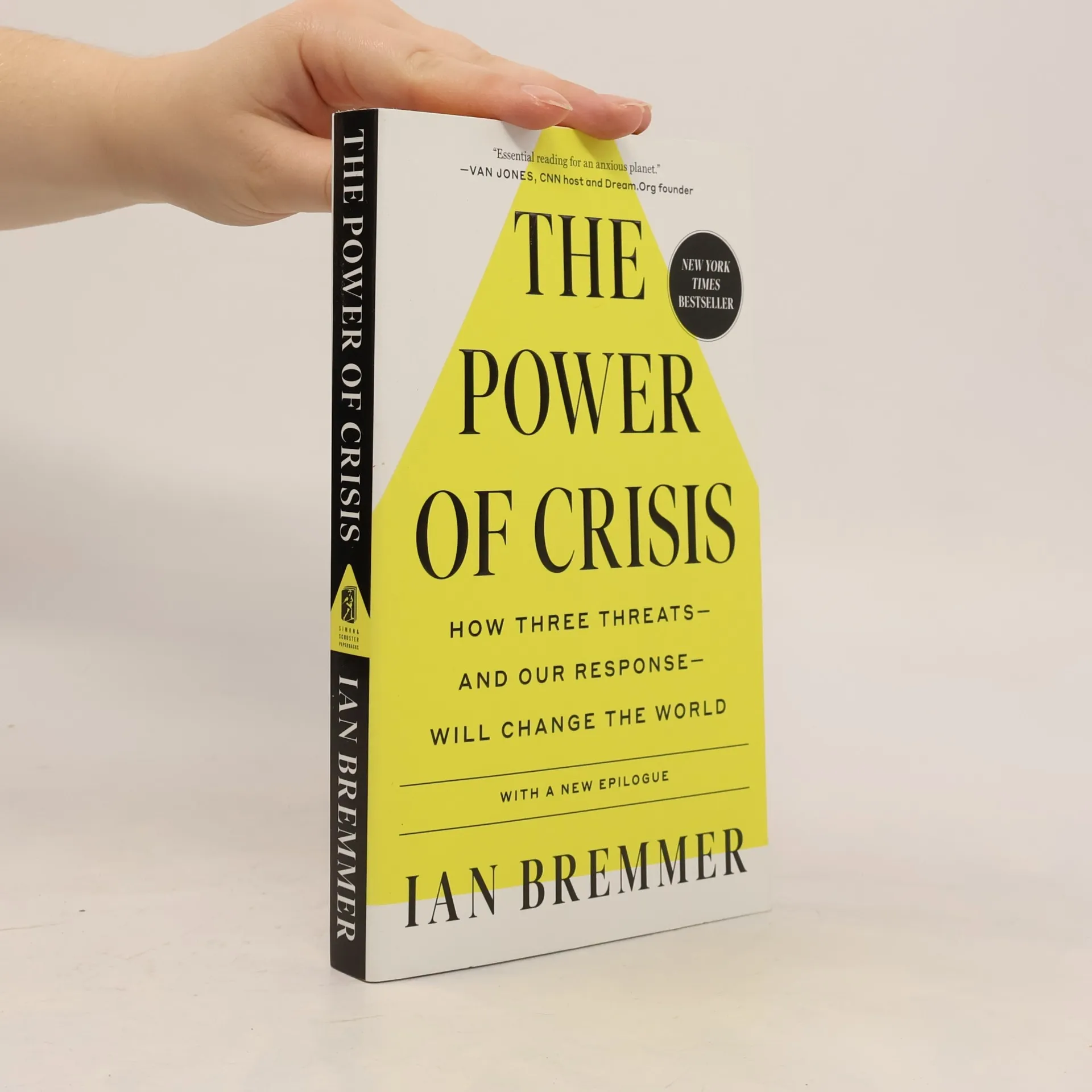
New York Times BestsellerRenowned political scientist Ian Bremmer draws lessons from global challenges of the past 100 years-including the pandemic-to show how we can respond to three great crises unfolding over the next decade.
The fat tail. The power of political knowledge for strategic investing
- 254 stránek
- 9 hodin čtení
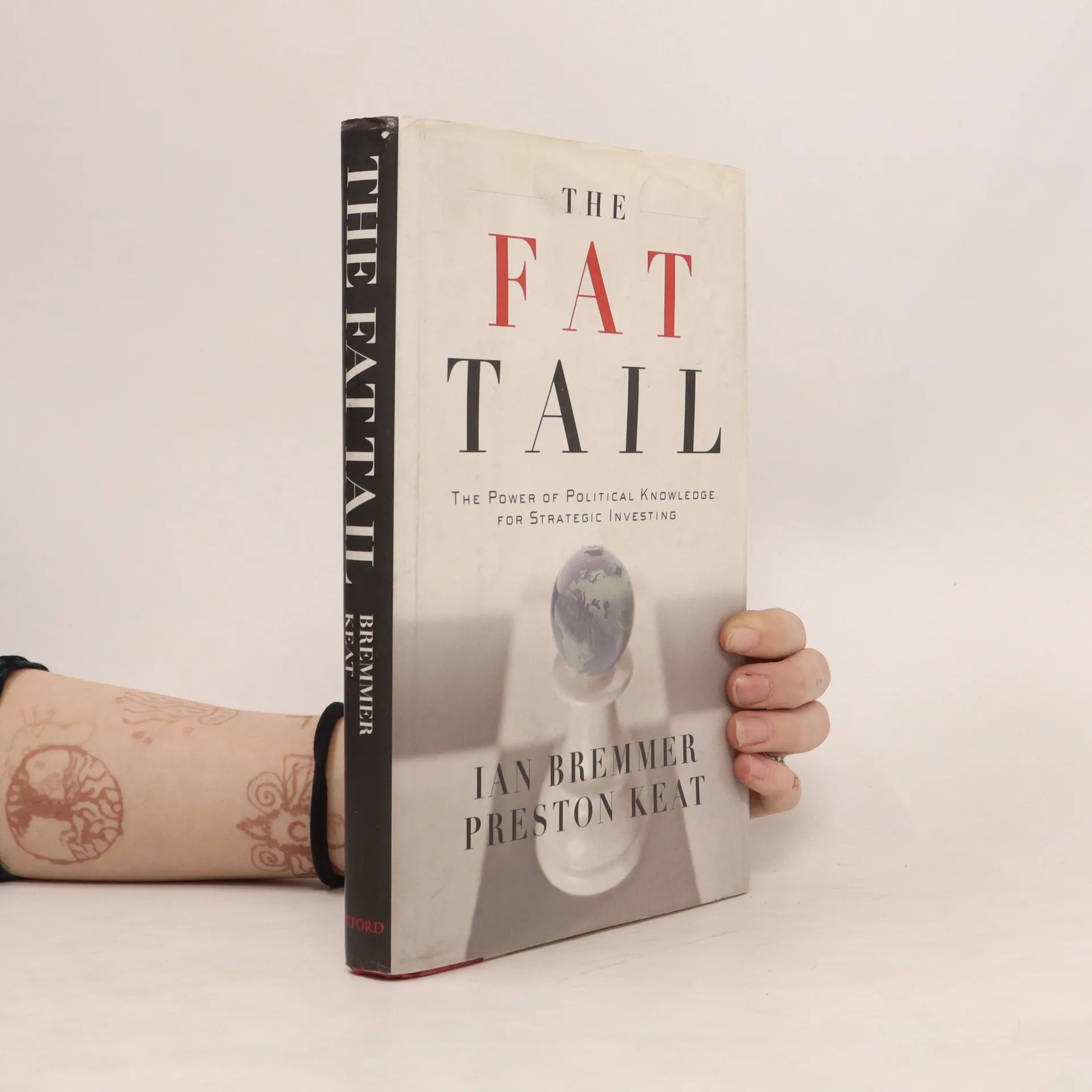
Explores a wide array of political risks--including risks that stem from terrorist groups, power rivalries, weak leaders and internal strife and more--and offers methods, tools and concepts to help corporations, money managers and policy makers understand political risks. Cowritten by the author of The J Curve. Reprint.
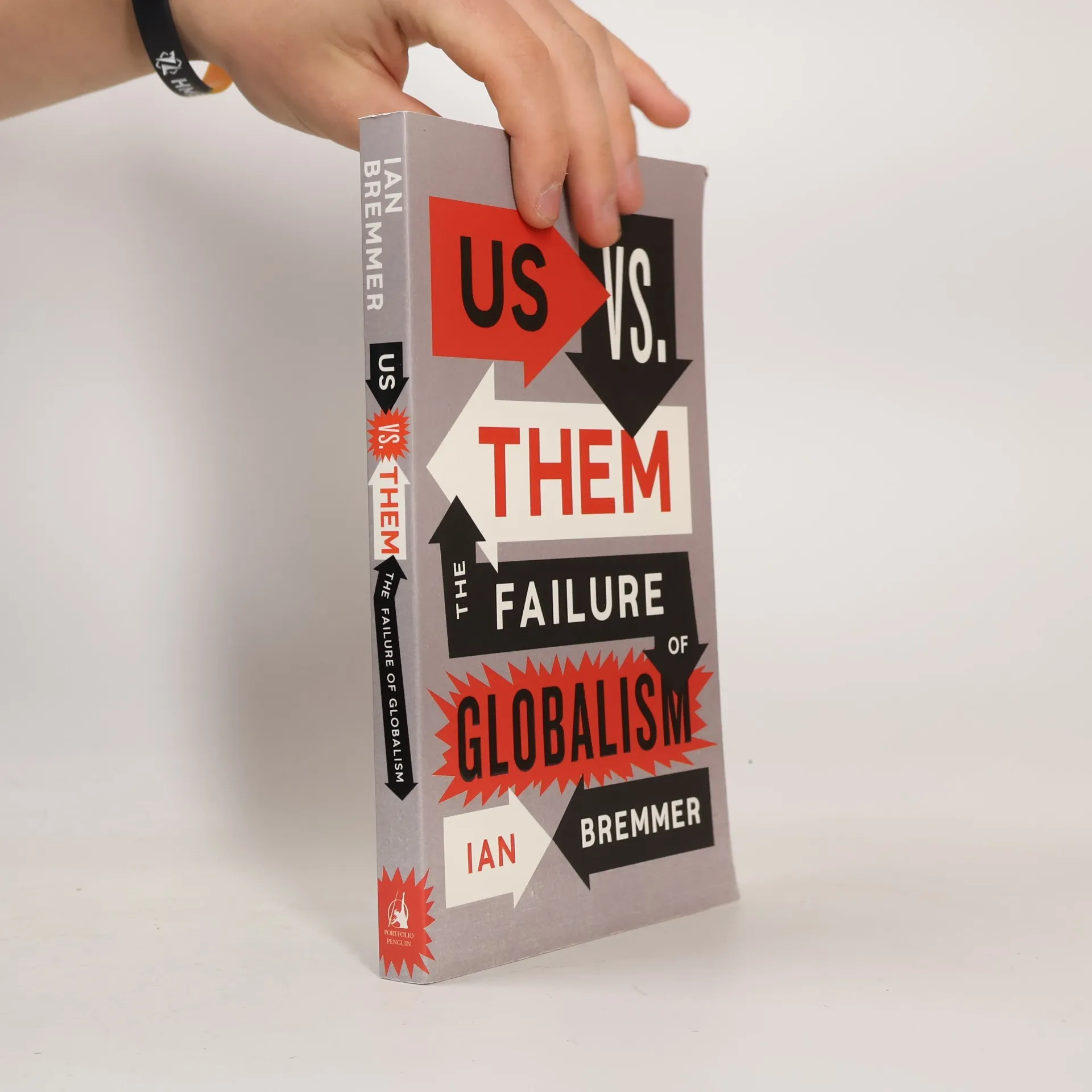
From Brexit, to Donald Trump, to extremist parties in Europe and the developing world, populism has dominated recent headlines. But what explains the rise of leaders who stoke nationalist anger in their countries, from Le Pen to Erdogan? How long will the populist wave last? Who will be the winners and losers in this climate, and how can we defend the values of democracy, free trade and international cooperation? No one is better suited to explore these questions than Ian Bremmer, the CEO of the Eurasia Group and acclaimed Time magazine columnist. Analysing the social, economic and technological forces fuelling this new wave of populism, Bremmer explains why we're witnessing a rejection of the democratic, global, cosmopolitan trends of the late 20th century. Us vs. Them is a definitive guide to navigating the shifting political landscape, for businesses looking to weather and survive the populist storm.
Wer übernimmt die Führung, wenn es zum Schlimmsten kommt – zu einer nuklearen Bedrohung durch einen Schurkenstaat, einer Pandemie oder einem Zusammenbruch des Weltfinanzsystems? Die USA, die sich mit ihrem politischen System lähmen und in Schulden versinken? Europa, dessen Euro-System auf der Kippe steht? China mit seiner rüden Menschenrechtspolitik? Russland, Brasilien oder Indien? Die Wahrheit: Zum ersten Mal seit Jahrzehnten gibt es keine Weltmacht, die aus eigener Kraft die Richtung vorgeben könnte. Wir stehen vor einem gewaltigen globalen Machtvakuum. Eine messerscharfe Analyse für alle, die verstehen wollen, in welcher Welt wir morgen leben, wer gewinnen und wer verlieren wird.
