Jiu-Jitsu and Self Defense
- 162 stránek
- 6 hodin čtení
Ten years of hand-to-hand combat spurred Moshe Feldenkrais to publish "Jiu-Jitsu and Self Defense" - his method of self-defense based on a person's automatic movements when attacked.




Ten years of hand-to-hand combat spurred Moshe Feldenkrais to publish "Jiu-Jitsu and Self Defense" - his method of self-defense based on a person's automatic movements when attacked.
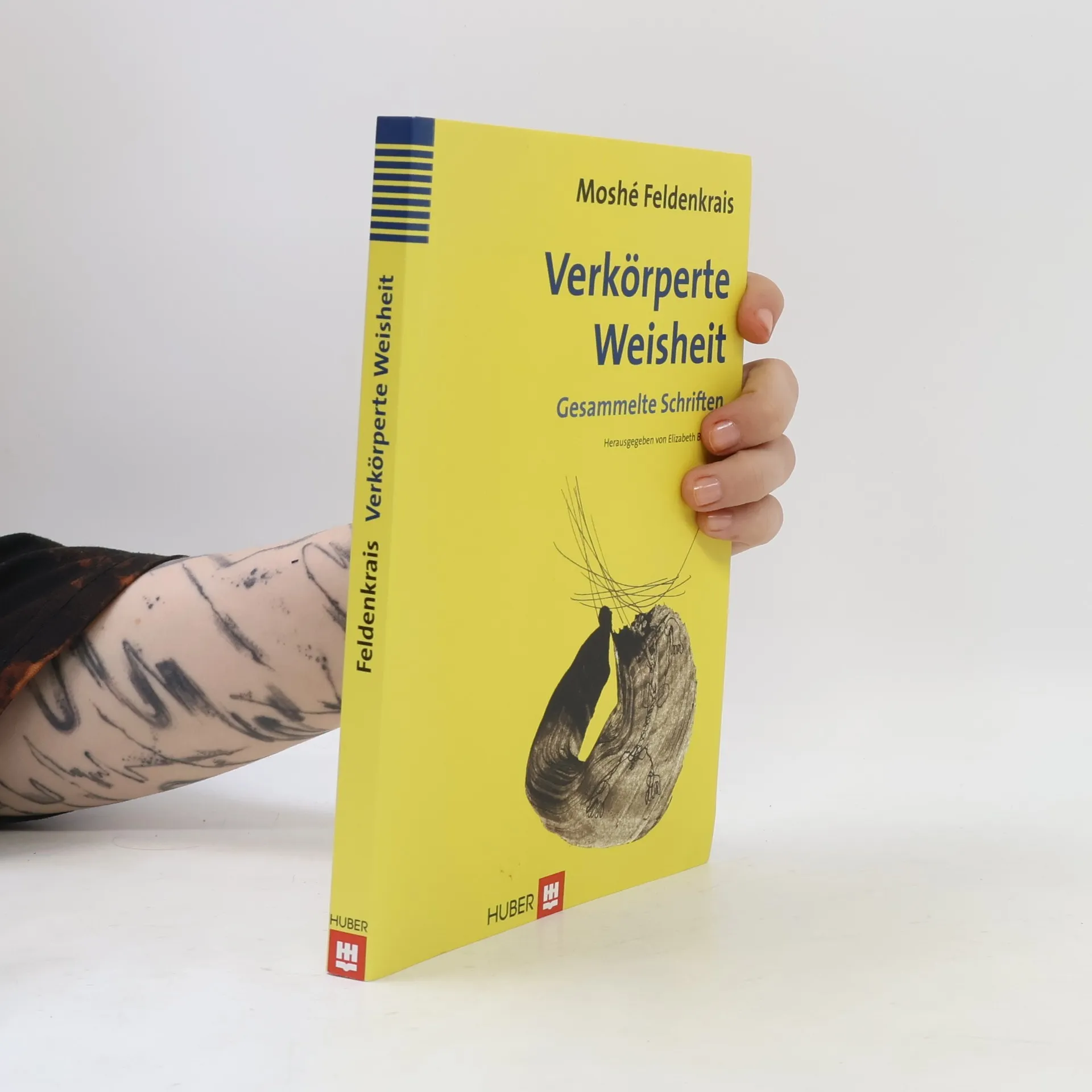
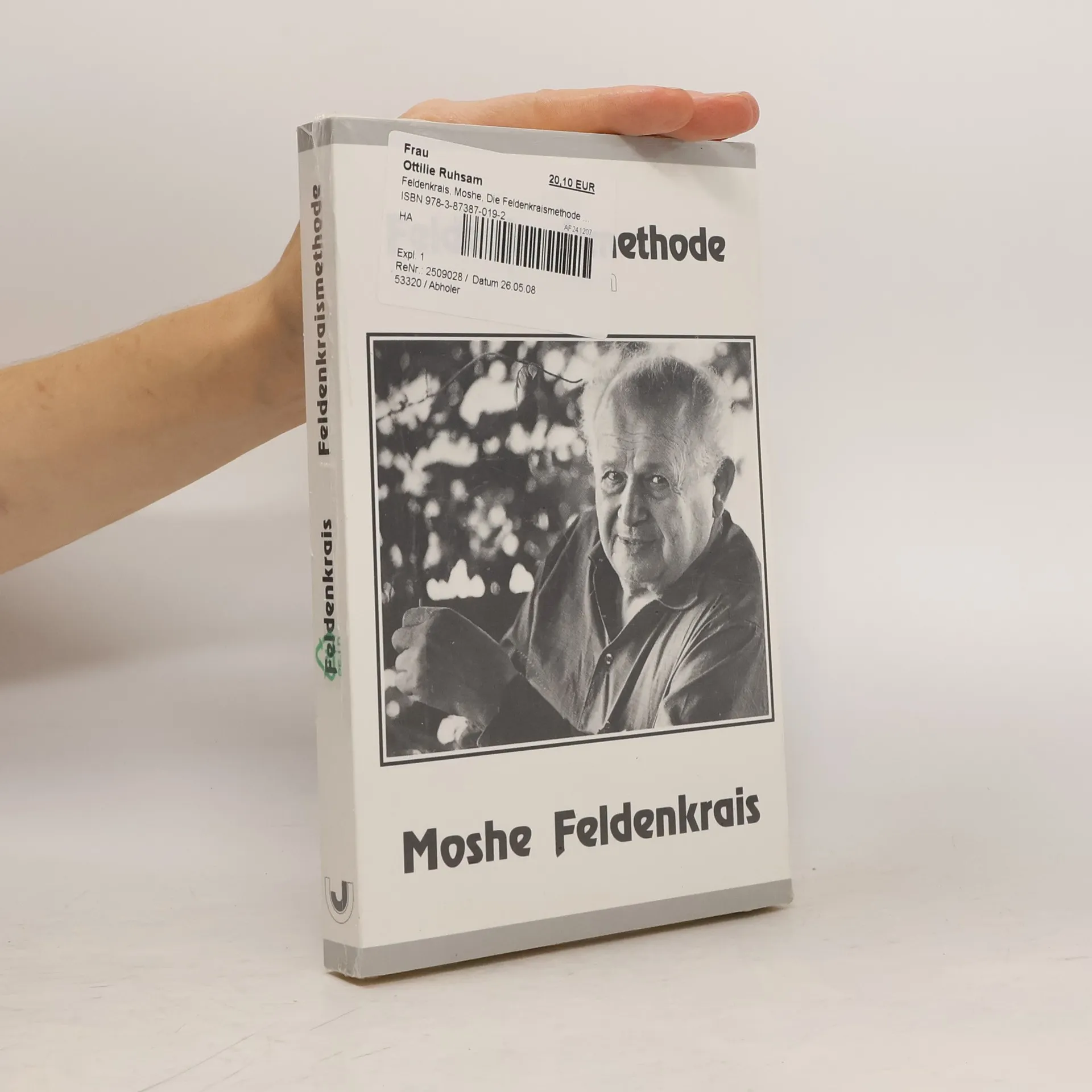
Vor mehr als 50 Jahren begann Moshé Feldenkrais die Methode des somatopsychischen Lernens durch Bewegung zu entwickeln, die seinen Namen trägt. Zum ersten Mal werden hier Feldenkrais' sämtliche zwischen 1964 und 1981 verstreut auf Englisch erschienenen Aufsätze und Interviews zusammengefasst. Viele Konzepte, die in diesem Buch vorgestellt werden, sind heute ebenso wichtig, anregend und radikal wie damals, als sie zum ersten Mal formuliert wurden; das zeigt, wie sehr Feldenkrais mit seinen Ideen seiner Zeit voraus war. Diese bemerkenswerten Texte enthalten einige der stichhaltigsten und komplexesten Argumente, die jemals für die biologische und funktionale Einheit von Geist und Körper benannt wurden. Die Feldenkrais-Schülerin, Begründerin von The Feldenkrais Journal und Aikido-Meisterin Elizabeth Beringer hat die Schriften zu einem sinnvollen Ganzen geordnet und mit Einführungen und Anmerkungen versehen.
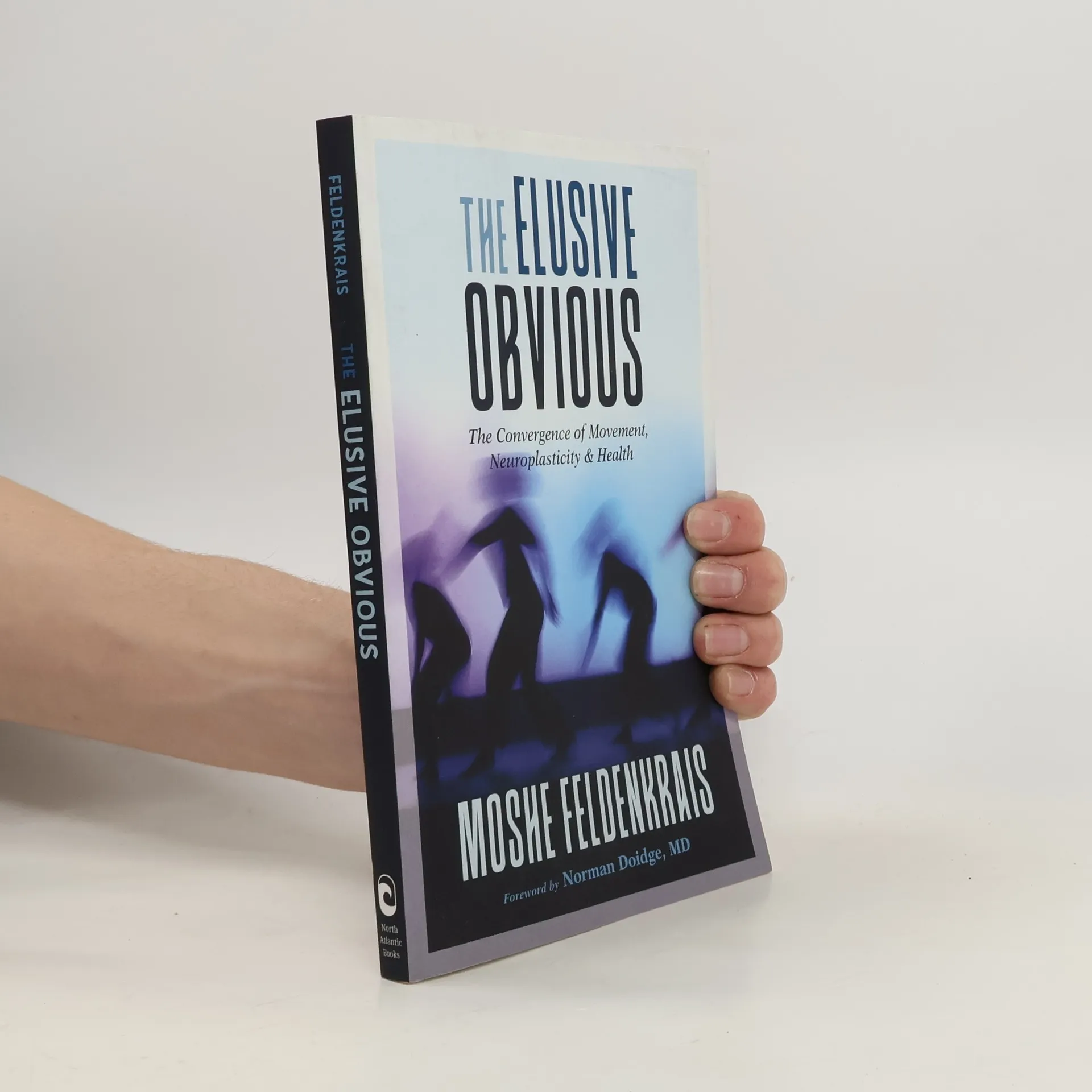
Discover the transformative insights of movement pioneer Moshe Feldenkrais Essential reading for somatic practitioners, movement teachers, performing artists, and anyone interested in self-improvement and healing As a scientist, martial artist, and founder of the Feldenkrais Method, Moshe Feldenkrais wrote several influential books on the relationship between movement, learning, and health. The Elusive Obvious is a thorough and accessible explanation of the method that is more relevant today than when it was first published, as current research strongly supports many of its insights. The Feldenkrais Method has two main strands: Awareness Through Movement and Functional Integration. Both are renowned worldwide for their ability to reduce pain and anxiety, cultivate vitality, and improve performance. This new edition of The Elusive Obvious includes a beautiful presentation featuring a fold-out insert with illustrations that depict these two approaches. By uncovering solutions that are often hidden in plain sight, this book can help you learn to move with greater ease, grace, and efficiency through the Feldenkrais Method.
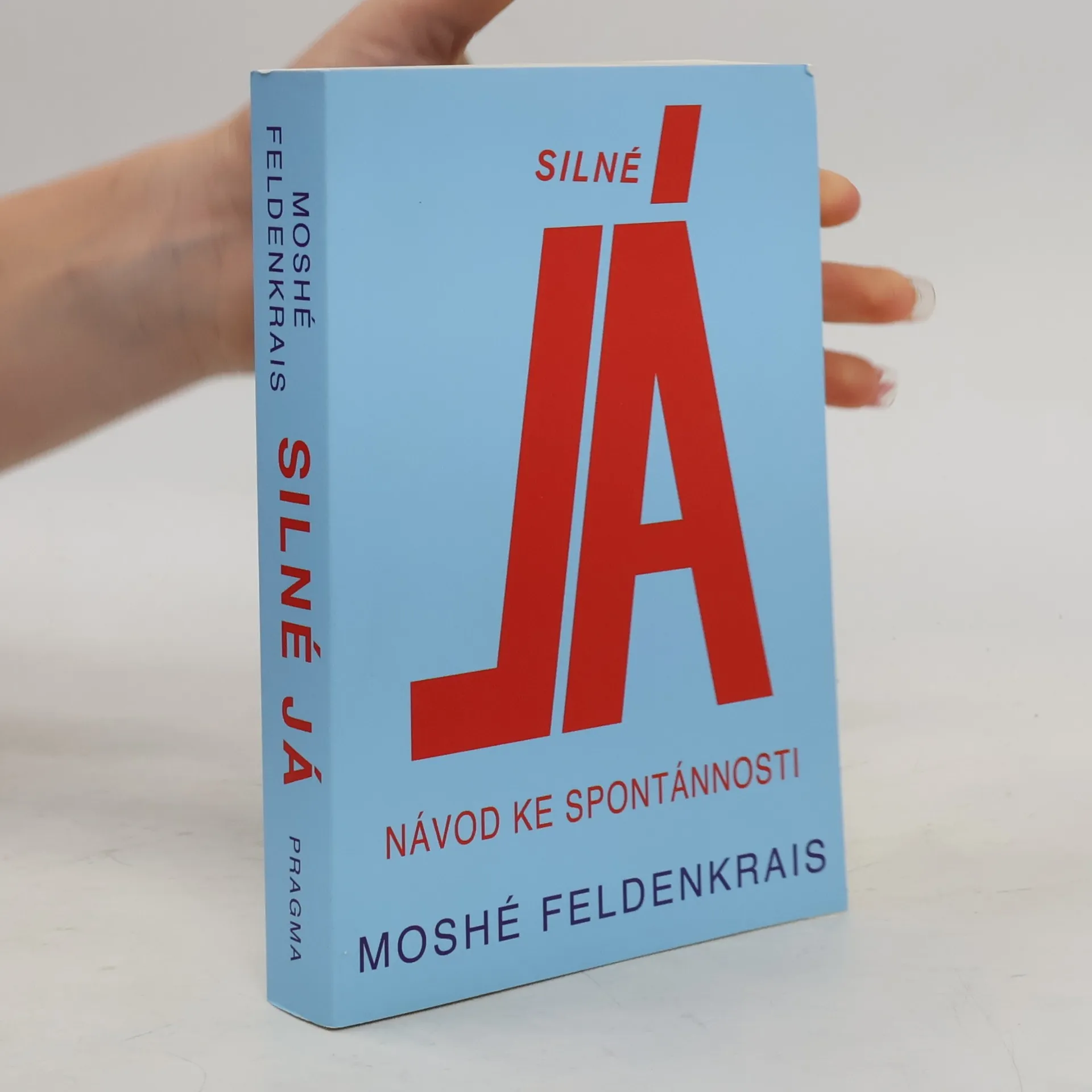
Kniha Silné Já je - i když je hlavně o emocích a tělesnosti - velmi racionální práce. Hlavním tématem je "silné já" nebo "zralá osobnost" a aspekty, které mají vliv na jejich rozvoj. Feldenkrais se ve své knize opírá o známé vědecké poznatky, ale hlavně o vlastní myšlenky. Neustálý soulad fyzických a duševních sil je jednou z hlavních sil.
Vor mehr als 50 Jahren begann Moshé Feldenkrais die Methode des somatopsychischen Lernens durch Bewegung zu entwickeln, die seinen Namen trägt. Zum ersten Mal werden hier Feldenkrais' sämtliche zwischen 1964 und 1981 verstreut auf Englisch erschienenen Aufsätze und Interviews zusammengefasst. Viele Konzepte, die in diesem Buch vorgestellt werden, sind heute ebenso wichtig, anregend und radikal wie damals, als sie zum ersten Mal formuliert wurden; das zeigt, wie sehr Feldenkrais mit seinen Ideen seiner Zeit voraus war. Diese bemerkenswerten Texte enthalten einige der stichhaltigsten und komplexesten Argumente, die jemals für die biologische und funktionale Einheit von Geist und Körper benannt wurden. Die Feldenkrais-Schülerin, Begründerin von The Feldenkrais Journal und Aikido-Meisterin Elizabeth Beringer hat die Schriften zu einem sinnvollen Ganzen geordnet und mit Einführungen und Anmerkungen versehen.
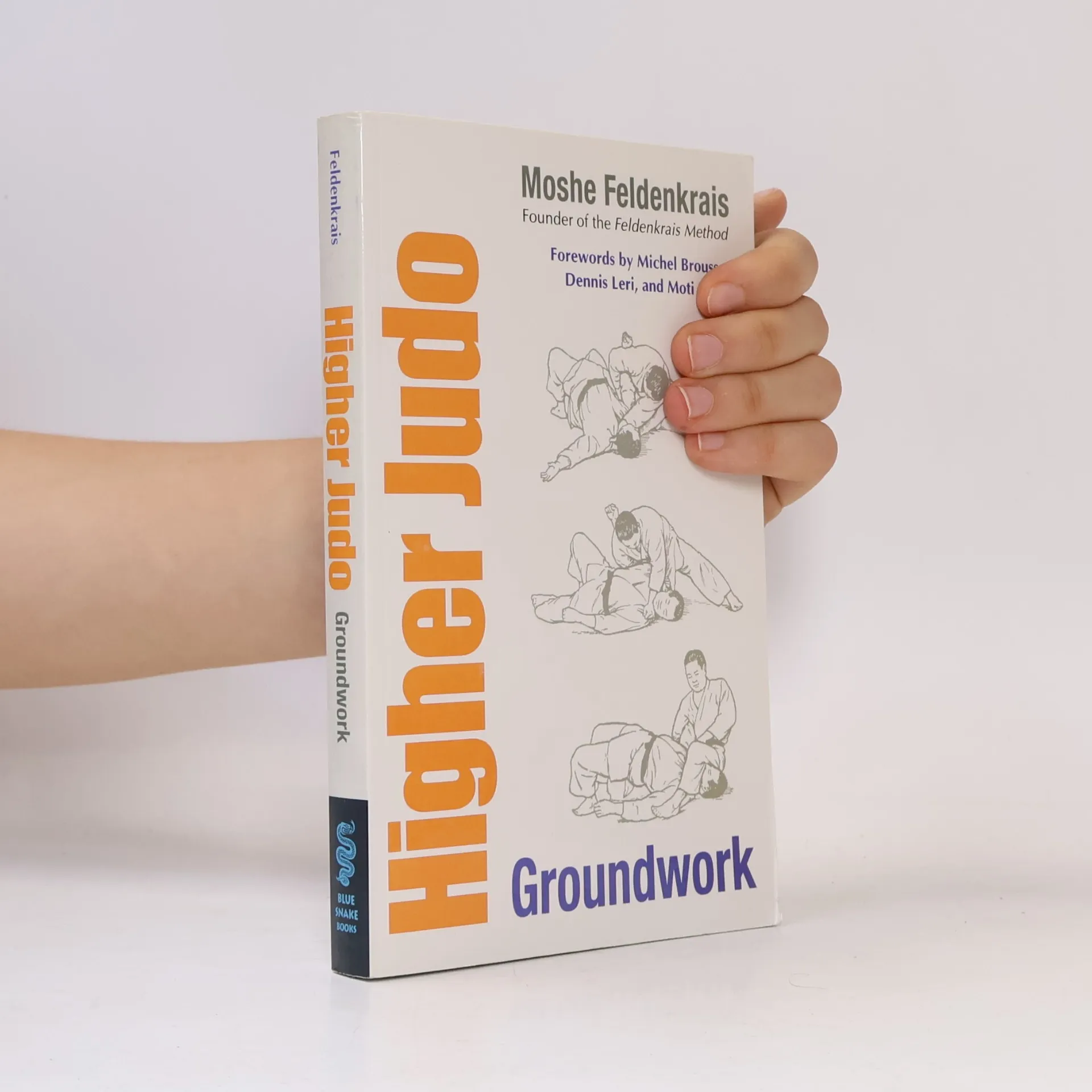
Dr. Moshe Feldenkrais is best known for pioneering the somatic therapy that bears his name. Less well known is that he was also one of the earliest European practitioners of the martial art of judo and wrote a number of influential texts on the subject. Primary among these is Higher Judo, first published in 1952 and now reprinted with a new foreword that offers useful context and elaborates on Feldenkrais’ comprehensive—and still timely—approach to the martial art and to the body. Judo was a natural choice for Feldenkrais’s fascination with body/mind exploration and how to promote optimal functioning through awareness. In Higher Judo, he presents judo as the art of using all parts of the body to promote general health, and as part of the “basic culture of the body.” He reveals judo’s potential for creating a sense of rhythm of movement and improving mental and physical coordination. Higher Judo covers specific movements and positions—the astride position, the six o’clock approach, falling techniques—in both the text and the clear line drawings. Even more importantly, it shows how such groundwork can help practitioners develop their mental and physical awareness to their full potential.
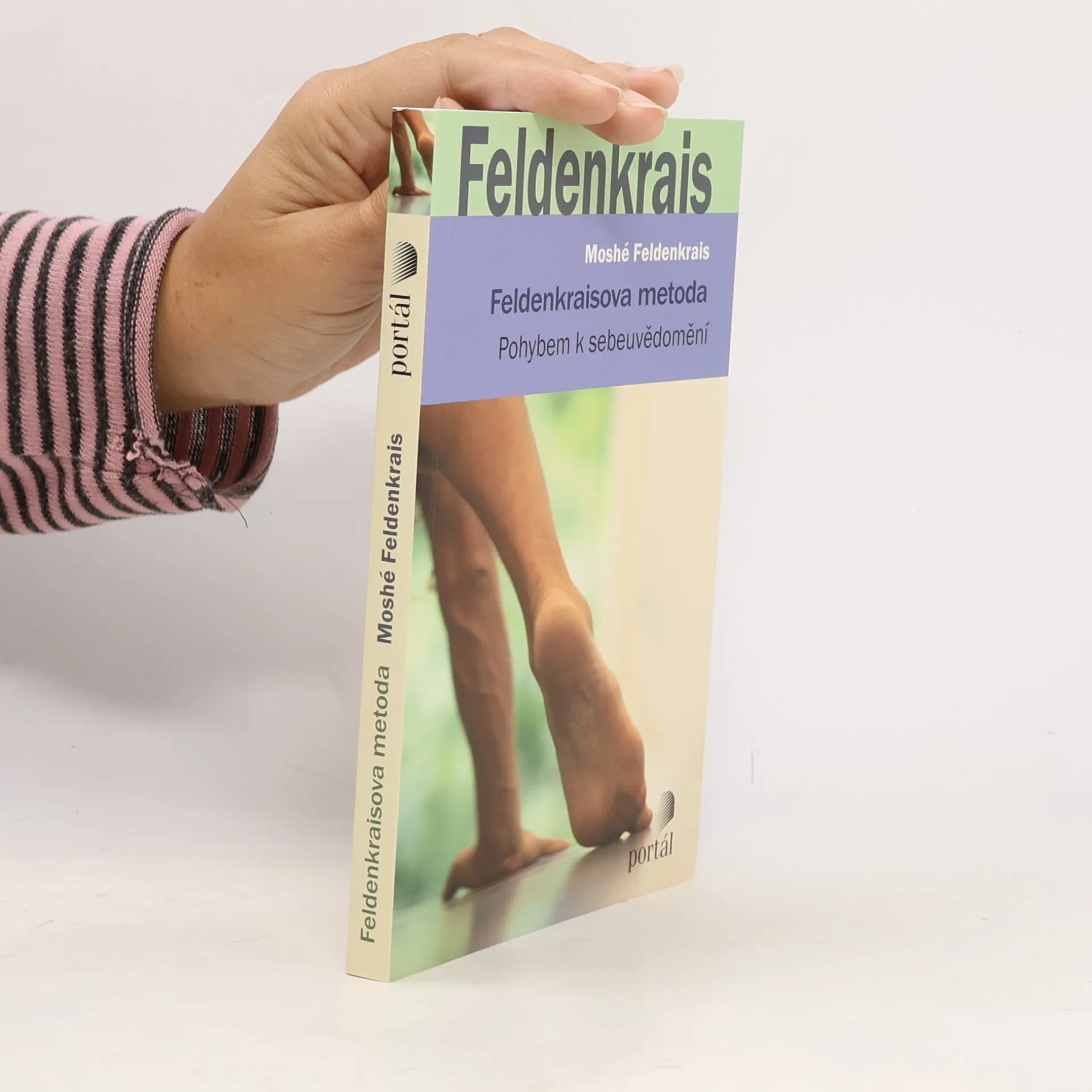
Feldenkraisova metoda představuje praktický program pro integraci tělesné a mentální stránky člověka. Je založena na zpětné vazbě, kterou nám dávají naše smyslové orgány a jež vede ke zlepšování žádoucího pohybu na základě vlastních měřítek účinného pohybu. Metodu využijí sportovci, umělci i lidé, kteří např. z důvodu zranění či bolesti chtějí zlepšit své pohybové návyky nebo navázat lepší kontakt s vlastním tělem. Cvičení jsou jednoduchá a vyžadují jen minimální množství energie. Lze je provádět individuálně nebo ve skupině. Ačkoli byla metoda vytvořena v polovině 20. století, zůstává dodnes platná a vykazuje též podobnost s koncepty mindfulness a neuroplasticity, které se v posledních desetiletí staly velmi populárními. Kromě obecnějších kapitol např. na téma sebeobrazu nebo vědomí kniha obsahuje 12 lekcí, jež se týkají např. držení těla, dýchání, koordinace svalů, pohybů pánve, držení hlavy, práce s prostorem, pohybu očí či myšlení. Součástí je i řada konkrétních cvičení. Kniha je pro kontext Feldenkraisova odkazu zcela zásadní a pro nové české vydání byla poprvé přeložena z autorizované verze.
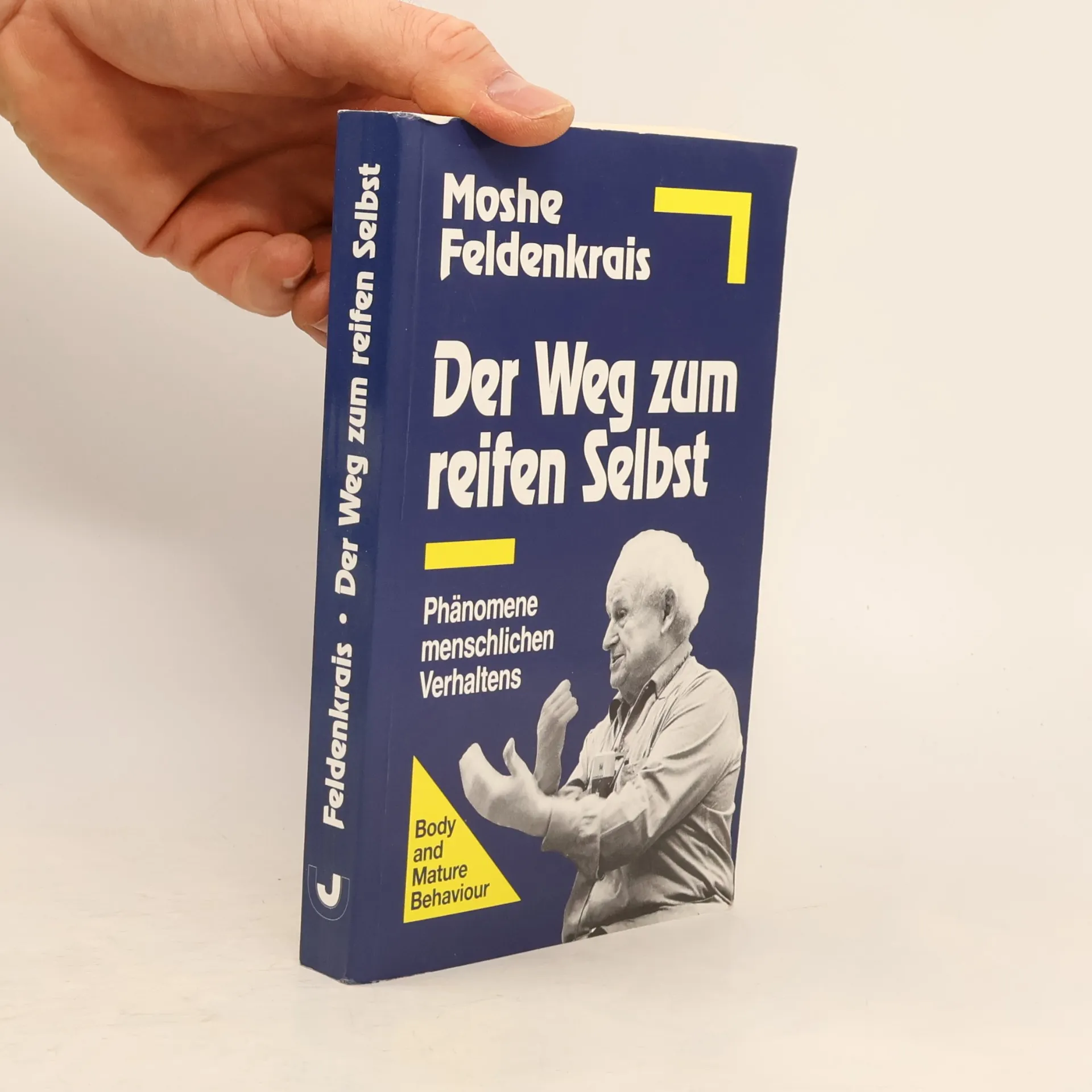
Degeneration und Unwissenheit Ermudung Anpassung und Korrelation Lernen - die Einzigartigkeit des Menschen Bedingte Reflexe und Gewohnheiten Die Anti-Schwerkraft-Mechanismen Aufrechter Gang und Aktion Sinnesempfindungen und Vestibularapparat Das korperliche Verhaltensmuster der Angst Motilitat und Anpassung Wie man die Haltung "miSSt" Der sechste Sinn Normale Anpassung an die Schwerkraft Tonische Anpassung Korper und Emotionen Muskulare Gewohnheiten und der Sexualakt Lokalisation der Funktionen und der Begriff der Reife
Body Awareness as Healing Therapy: The Case of Nora is Moshe Feldenkrais' classic study of his work with Nora, a woman who has suffered a severe stroke and lost her neuromuscular coordination, including the ability to read and write. Feldenkrais uses rational and intuitive approaches to help his student relearn basic motor skills. One can observe here the groundwork of Feldenkrais' extraordinary insights which became known as the Feldenkrais Method. We follow his detailed descriptions of the trial and error process which led him to see the ingredients that were needed to help Nora reshape her attention, perception, imagination and cognition.
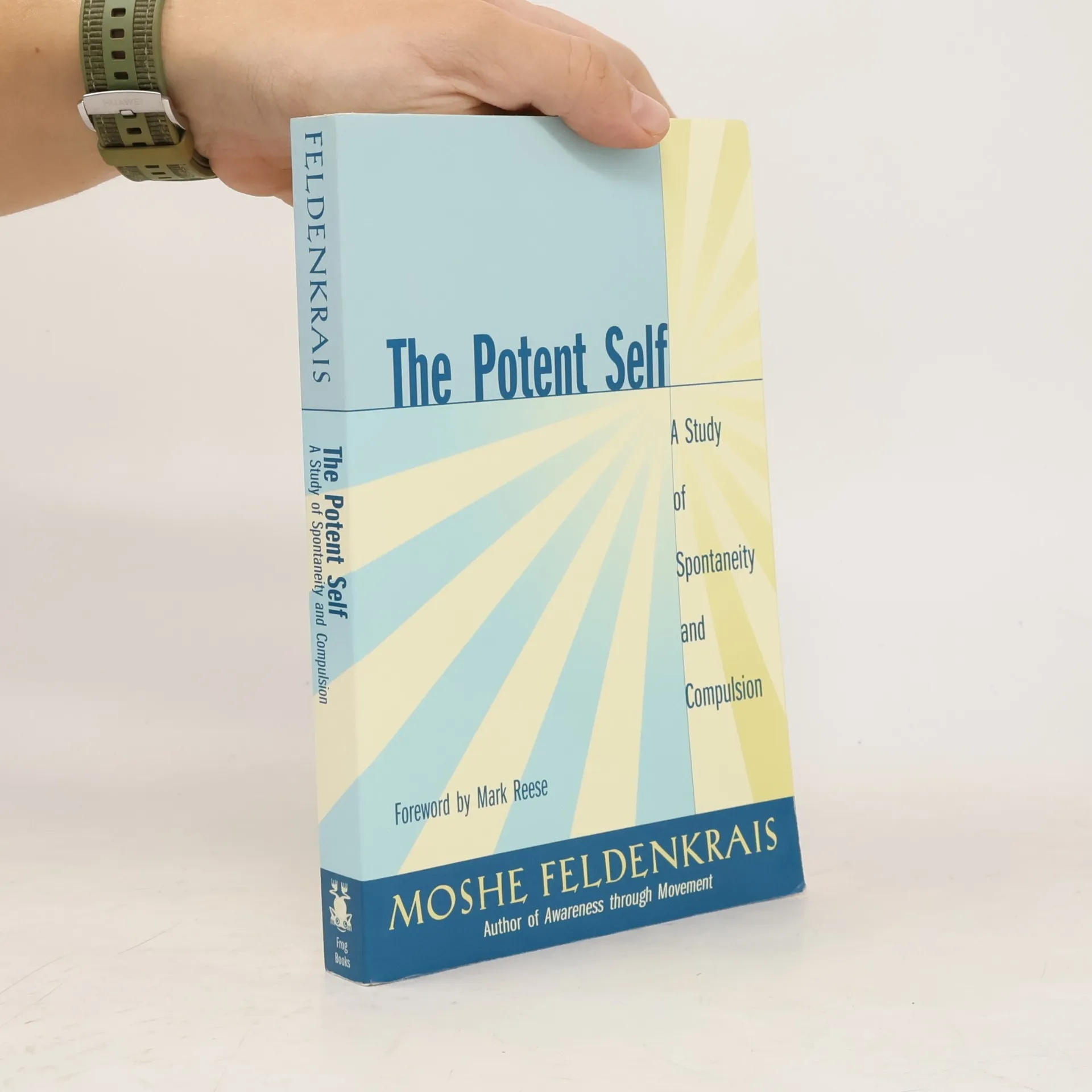
Moshe Feldenkrais, D.Sc., a visionary scientist who pioneered the field of mind-body education and therapy, has inspired countless people worldwide. His ability to translate his theories on human function into action resulted in the creation of his technique, now known as the Feldenkrais Method of Somatic Education. In The Potent Self , Feldenkrais delves deeply into the relationship between faulty posture, pain, and the underlying emotional mechanisms that lead to compulsive and dependent human behavior. He shares remarkable insights into resistance, motivation, habit formation, and the place of sex in full human potential. The Potent Self offers Feldenkrais' vision of how to achieve physical and mental wellness through the development of authentic maturity. This edition includes and extensive Forward by Mark Reese, a longtime student of Feldenkrais, in which Reese discusses many of the important ideas in the book and places them in the context of Feldenkrais' life and the intellectual and historical milieu of his time.
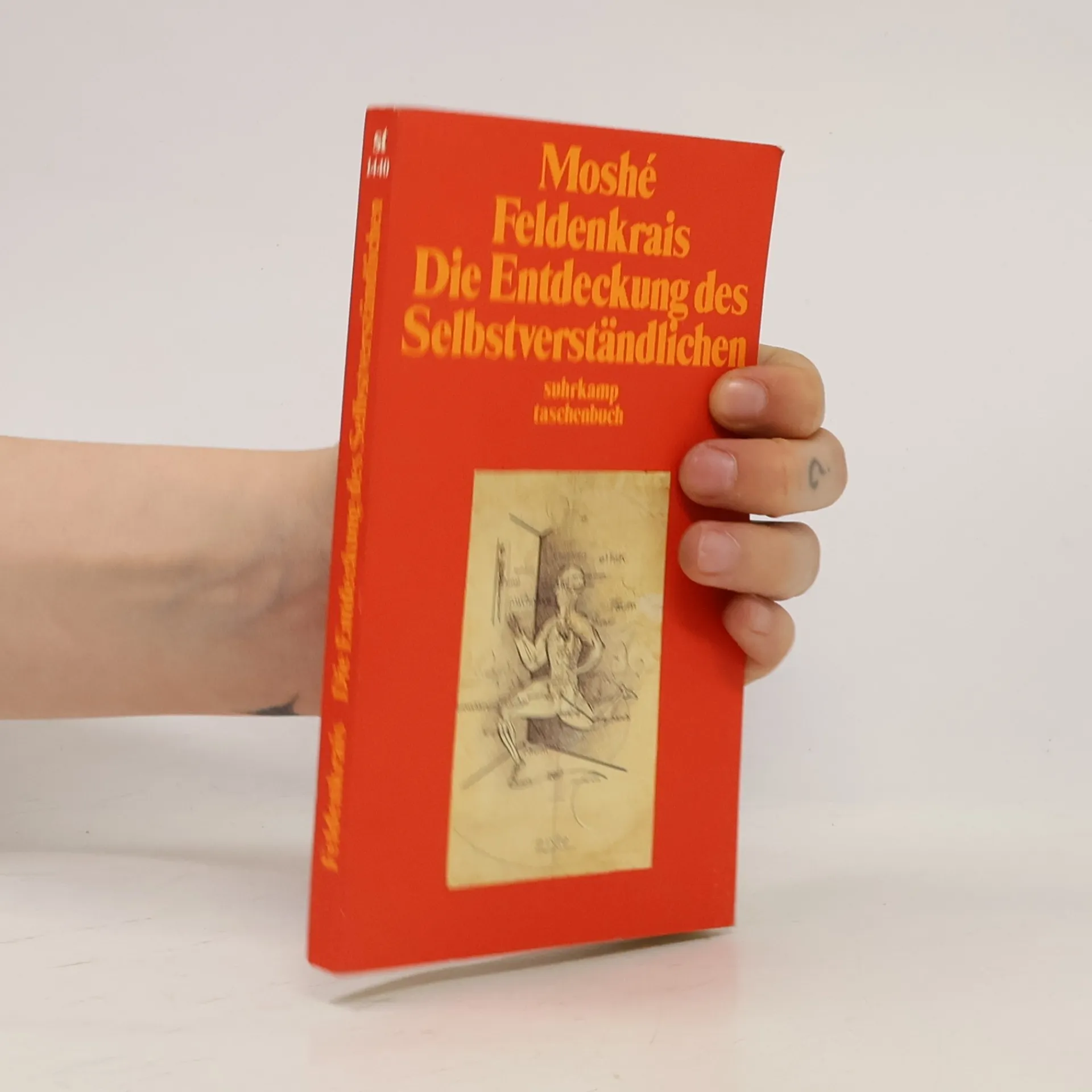
Davon ausgehend, daß der menschliche Organismus so gebaut ist, daß er der Schwerkraft ohne Energieverschleiß mühelos widerstehen und sich im Schwerefeld bewegen kann, untersuchte Moshé Feldenkrais, wie es dazu kommt, daß wir so vielerlei Fehlverhalten erlernen und beibehalten. Aus jahrzehntelanger Erforschung des Lernprozesses beim Menschen entwickelte er seine beiden Methoden: »Bewußtheit durch Bewegung« und die »Funktionale Integration«, bei der es darum geht, geschädigte, gestörte, gehemmte Bewegungsabläufe neu zu koordinieren. Dabei redet Feldenkrais von nichts als dem Selbstverständlichen, das wir schon immer hätten wissen müssen.
In diesem Buch geht es um den Fall Doris. Sie durchlebt einen Lebensverändernden morgen, an dem nichts so ist wie es soll. Ihre Handlungen, ihr Lesen und ihre Sprach sind plötzlich beeinträchtigt.
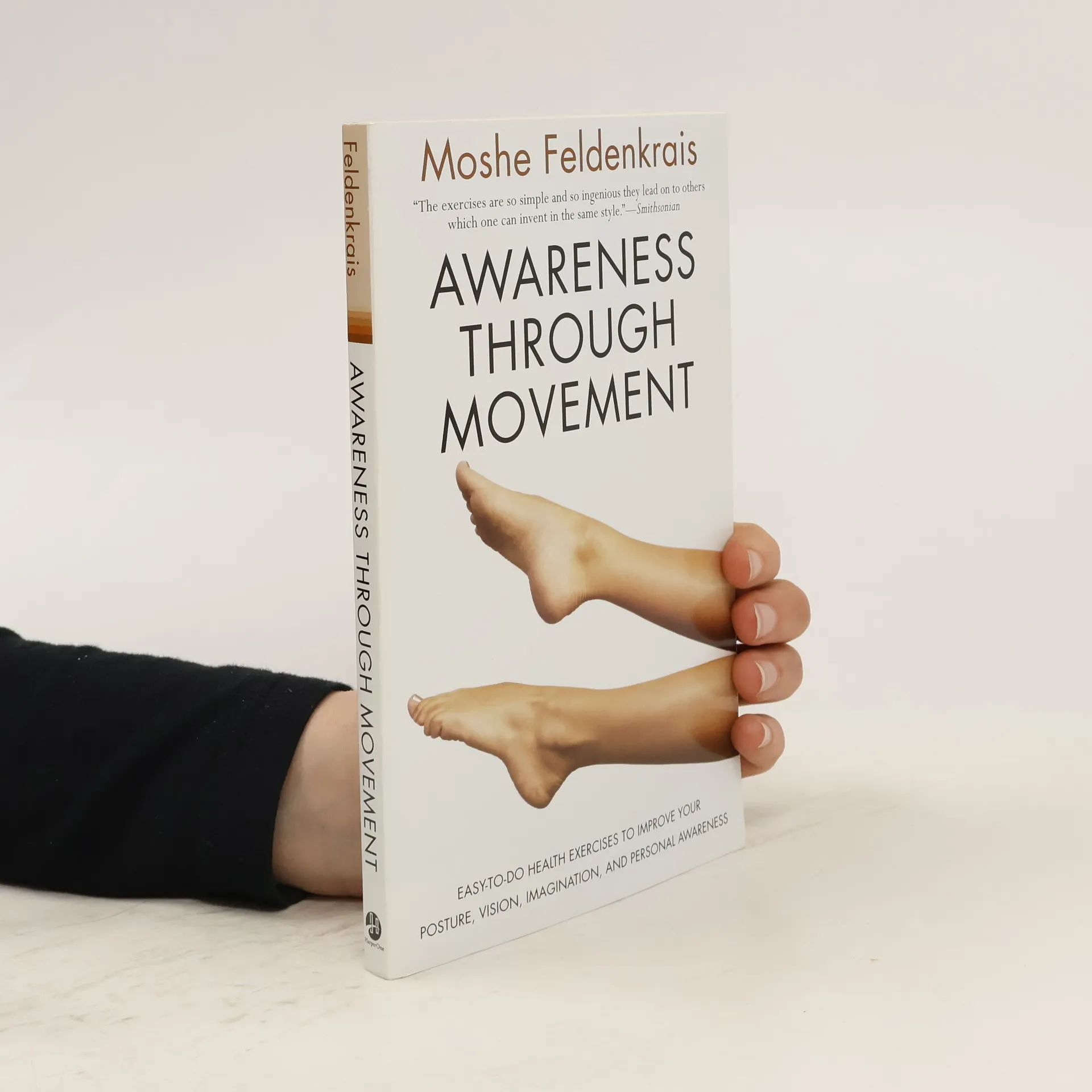
Thousands have found renewed health and increased sensory awareness through the Feldenkrais method as explained in Awareness Through Movement. Here is a way for people of every age to integrate physical and mental development into a new, invigorating wholeness. Feldenkrais provides a modern-day, practical program for the perennial ideal of a healthy mind in a healthy body. His down-to-earth method carefully avoids any mystical component and never obliges any pupil to master abstruse theories. Exercises for posture, eyes, imagination, and more will simultaneously build better body habits and focus new dimensions of awareness, self-image, and human potential.
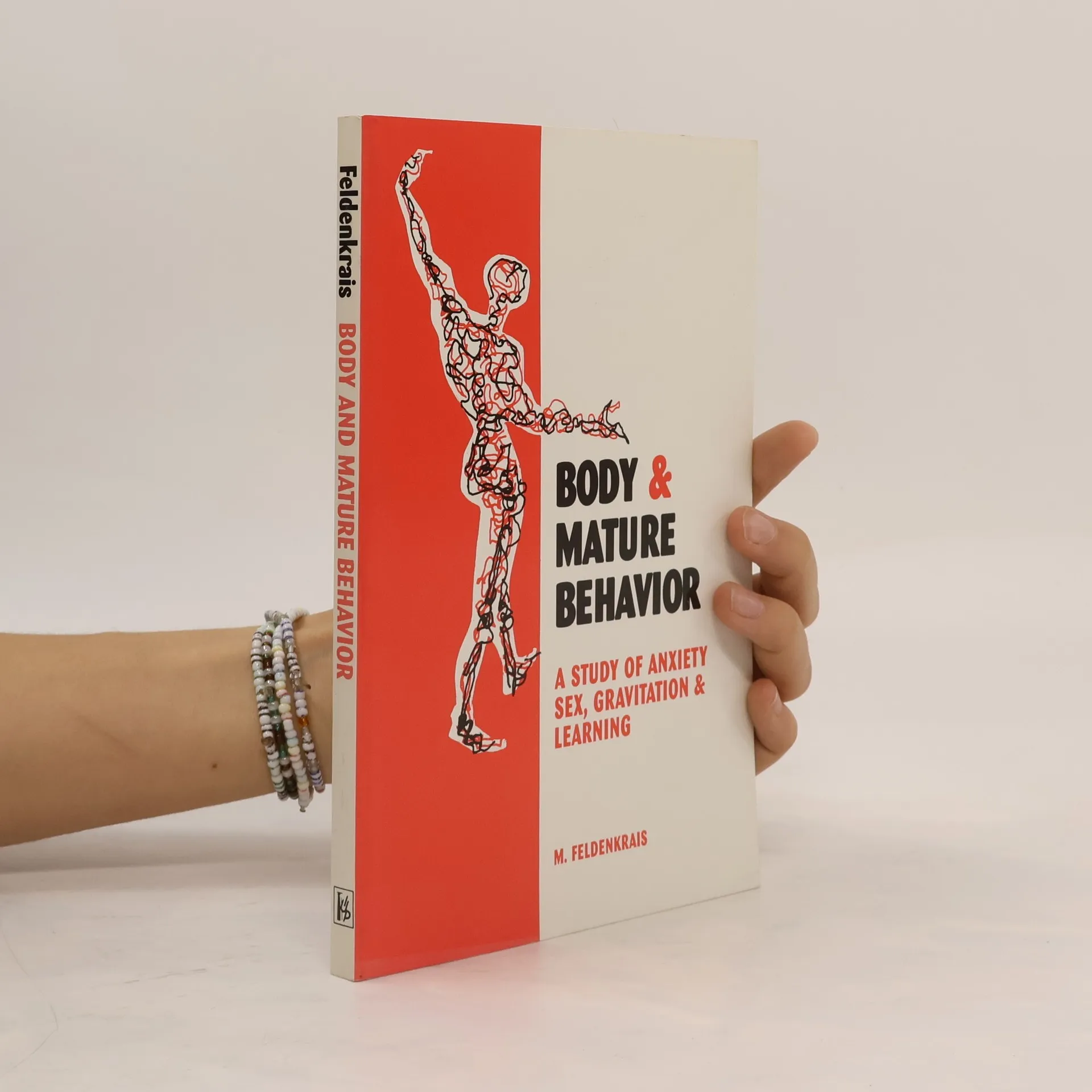
A Study of Anxiety, Sex, Gravitation & Learning
A victim of debilitating injuries, Moshe Feldenkrais was intimately aware of the link between bodily suffering and mental health. Through healing himself, he made revolutionary discoveries, culminating in the development of the method that now bears his name. In an intellectually rich and eloquent style, Feldenkrais delves into neurology, prehistory, child development, gravity and anti-gravity, reflexive versus learned behavior, the effects of emotion, especially anxiety, on posture, and most importantly, the inseparability of body and mind.