
Knihobot

Marco Stella

    Non-humans in Social Science
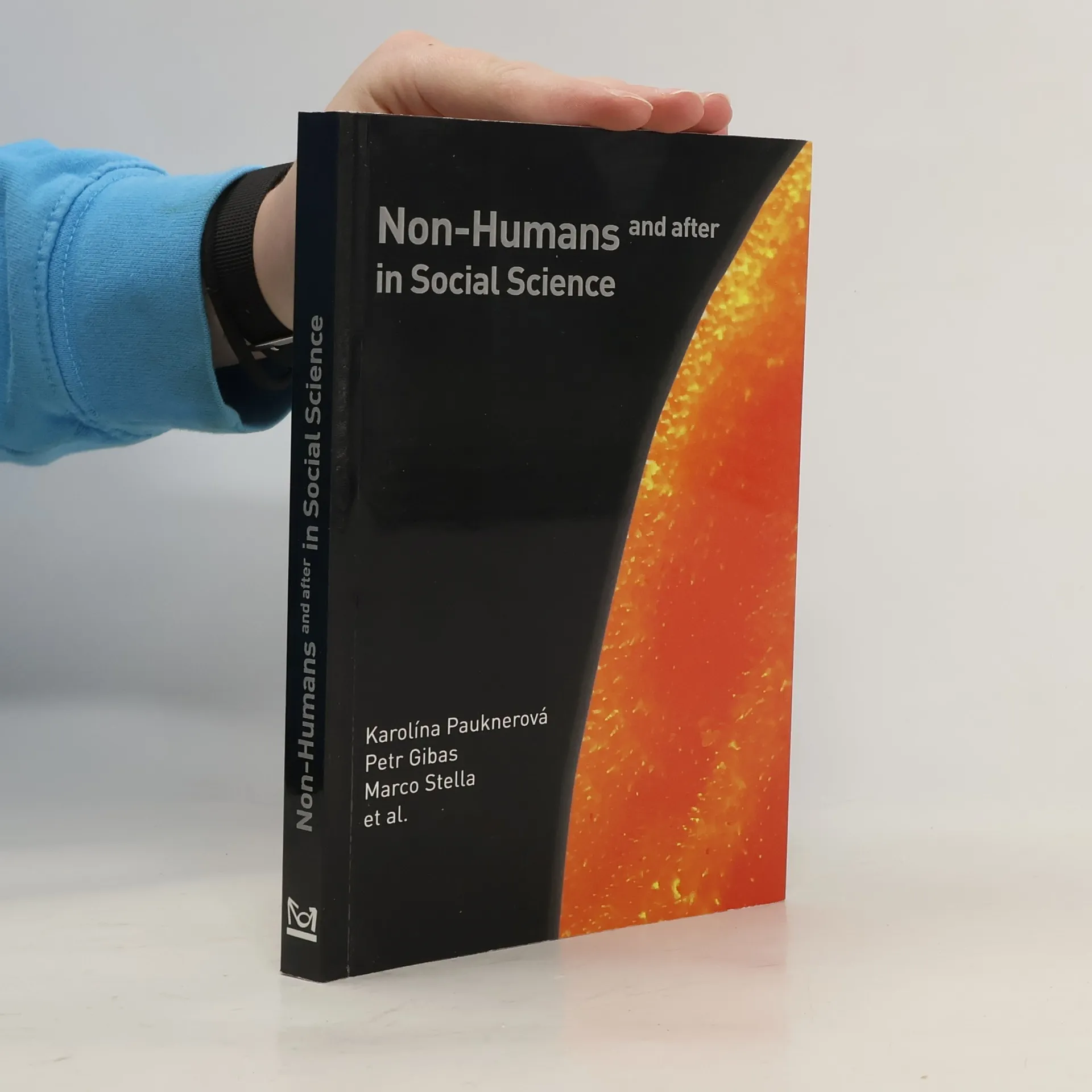
    Non-Humans and after in Social Science
    Non-humans in social science: ontologies, theories and case studies
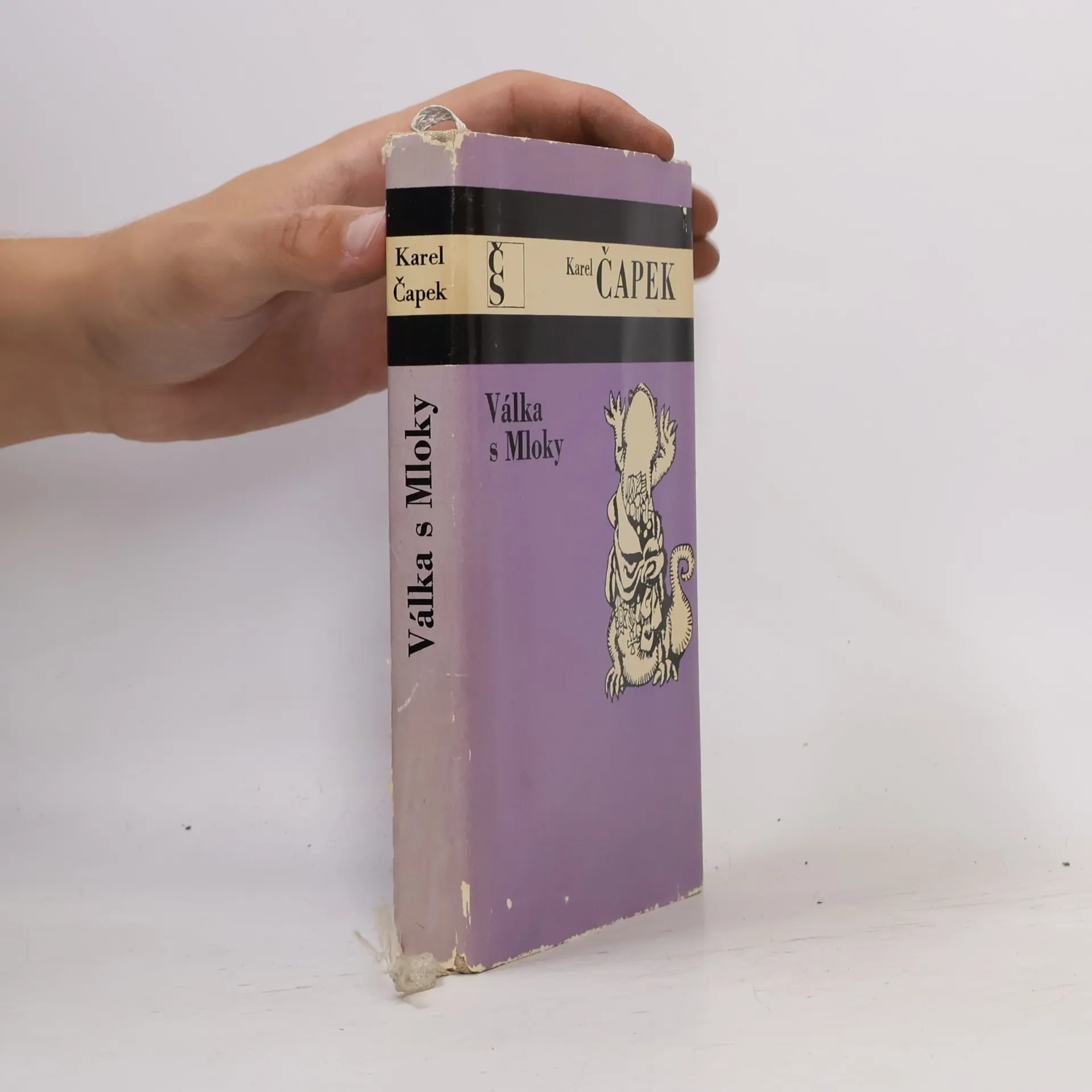
    Válka s mloky
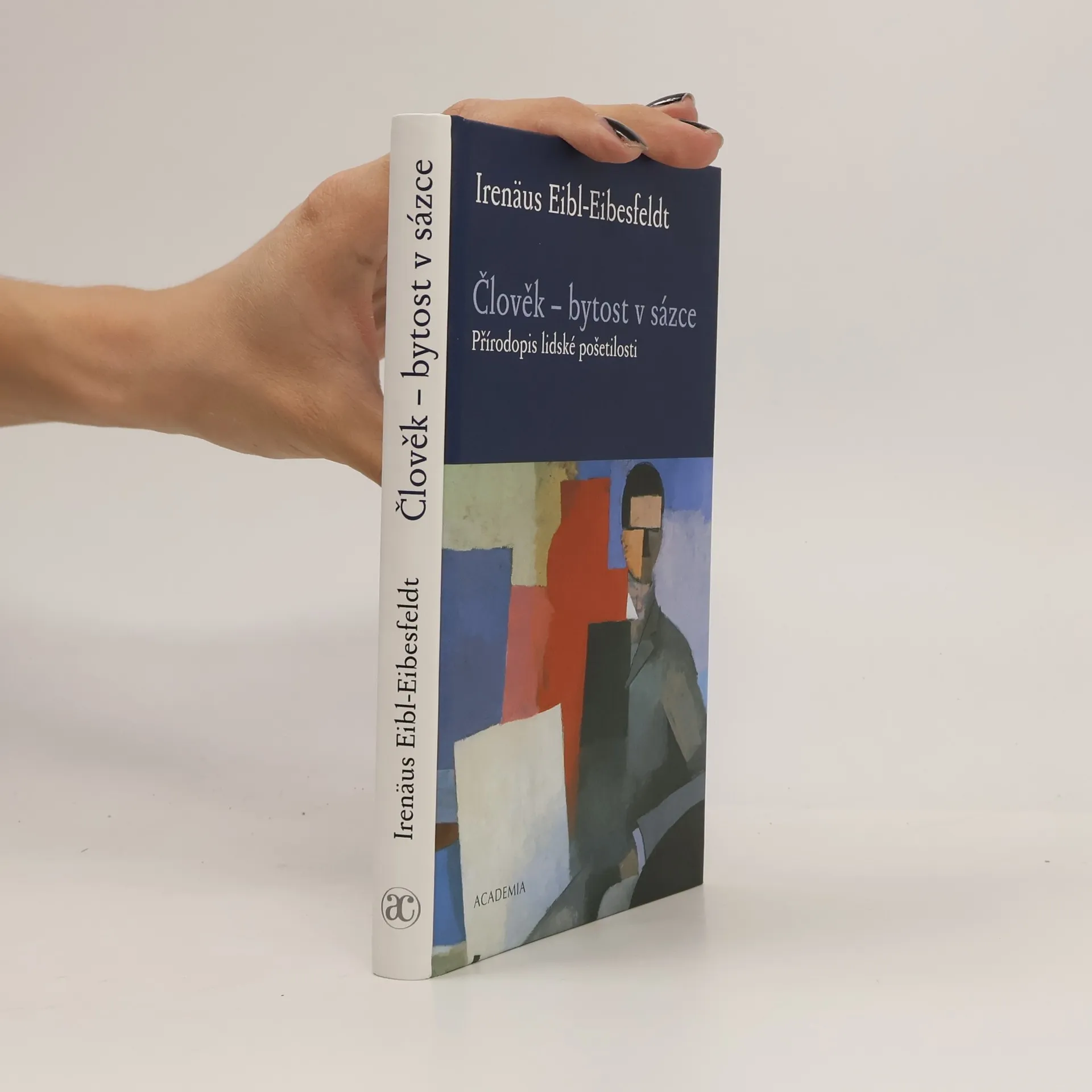
    Člověk - bytost v sázce: Přírodopis lidské pošetilosti
    • Přírodopis lidské pošetilosti. Kniha prof. Irenäa Eibl-Eibesfeldta, zakladatele nového vědního oboru – etologie člověka, tedy vědy zabývající se zkoumáním biologických determinant v lidském chování – je obsáhlou prací, ve které se autor vyjadřuje z pozice zoologa a etologa k současným problémům lidstva a navazuje tak na tradici nevídaně úspěšných sociálně-kritických děl svého učitele, Rakušana Konrada Lorenze. I když kniha nepatří rokem vydání (1991) k nejžhavějším novinkám na trhu, vyjadřuje se k problémům, které člověka již od počátků jeho „civilizované“ éry trápily a možná budou trápit čím dál tím více, pokud se několik klíčových věcí v lidském chování a smýšlení nezmění. Je třeba podotknout, že žádná jiná autorova kniha nebyla dosud v ČR vydána (kromě knihy „Galapágy“, která však za minulého režimu vyšla bez vědomí autora) a také to, že Eibl-Eibesfeldt, ač je ve své domovině i celosvětově díky svému významu pro vědy o člověku poměrně známou osobností, je v České republice jako vědec i myslitel obecně spíše opomíjen.

      Člověk - bytost v sázce: Přírodopis lidské pošetilosti
    • "Válka s Mloky" je svého druhu Čapkova "současná historie", neboť čerpá bohatě - jako málokteré jeho dílo - z historické reality ze situace v polovině let třicátých ... Tlumočí svým způsobem alegoricky skutečnost, především však proniká ke smyslu dějů ... Zdánlivě dost náhodně skloubena, obracejíc se každou chvíli jakoby bez plánu tam a opět jinam, je "Válka s Mloky" románem ve skutečnosti velmi promyšleným, v jehož konfúznosti je řád a záměr: být adekvátní době. Pohled z mnoha stran, zprostředkovaný střídáním prostředí, zprávámi z novin, projevy, prohlášeními, posudky a anketami, má vyjádřiti mnohotvárnost skutečnosti, koexistenci různého a rozmanitého, toho, čím dříve Čapek jinde opájel jakom celou skutečností, co však zde, "zastoupeno" hrozivou skutečností dějinnou, navršeno a zmnohonásobeno, vzbuzuje již pouze jeho obavy.

      Válka s mloky
    • The book explores the issue of non-humans and their role and position within contemporary social sciences. Inspired by current trends of bridging the dichotomy of nature and culture, the authors use the „non-human“ as a prism that offers a different perspective of the world, society, culture and last but not least, deing(s). To start paying attention to non-humans has the potential to hybridize social sciences and in turn enrich them as well as to offer social scientists novel perspectives and tools to approach social phenomena. Such an attitude might in turn lead to a rassessment of understanding of the relationship between the world and being, and of the categories of being and subject, hence the potential of non-humans to stimulate an ontological shift within social sciences.

      Non-humans in social science: ontologies, theories and case studies
    • Non-Humans and after in Social Science

      • 266 stránek
      • 10 hodin čtení

      This book, the third in a series, delves into the potential of non-humans to inspire new scholarly approaches that blur established boundaries in theory and research. It challenges the traditional ontological binary that places humans above other life forms, highlighting the co-presence of humans and non-humans in the world. The series reflects a growing interest in non-humans within the social sciences, offering fresh perspectives on long-standing issues. This interest disrupts conventional assumptions about the distinctions between humans and other life forms, as well as their relationships with inanimate objects. The chapters explore the idea that humans and non-humans are not as separate as previously thought; they often interact and co-create, leading to the dissolution of rigid boundaries. While non-humans differ from humans in many ways, these differences do not always dictate their relationships. A more nuanced understanding of these encounters is essential, which the chapters aim to provide. The book advocates for a close examination of how the co-presence of diverse entities—both humans and non-humans—shapes their interactions and influences the boundaries between them in moments of sharing and inhabiting the world.

      Non-Humans and after in Social Science
    • Non-humans in Social Science

      • 314 stránek
      • 11 hodin čtení

      Ideas of dead, inert space, non-living, machinelike, reflexively controlled bodies and passive, meaningless things are very modern. At the very heart of the program of modernity, resource exploitation and consumption is the idea that non-humans have no agency - they are simply resources to be manipulated and exploited at out will. Mostly leaving aside the more and more evident ethical concerns of this worldview and this particular setting of the human- nonhuman boundary, this volume attempts to explore what social sciences have to say about the relationship between the human and non-human. The intention of this book is to offer a non-human perspective. We realize that it is sometimes difficult to say whether the outcome of such a perspective would be just a shallow tendency to anthropomorphize, or whether we could reach some of the previously unseen properties of non-humans. Being aware of the dangers, this volume puts together different case studies that are more or less inspired by the non-human perspective. The aim is to explore what has been for a long time put aside and to provide new insight, new revelations that con lead social sciences to undiscovered or hidden realms. The outcome of this thrilling adventure can in the end be a discovery that the role of natural and social sciences, or even more, the character of the nature-culture dichotomy would have to be re-evaluated.

      Non-humans in Social Science