Knihobot

Ian Ayres Pořadí knih (chronologicky)

    Tato dvojice autorů se specializuje na praktické aplikace teorie her a strategického myšlení. Jejich práce zkoumá, jak lze komplexní problémy zjednodušit a efektivně řešit pomocí dat a algoritmů. Autoři čerpají ze svých rozsáhlých akademických zkušeností a překládají složité koncepty do přístupného jazyka pro širší publikum. Jejich knihy nabízejí čtenářům nástroje k lepšímu rozhodování v osobním i profesním životě.

    Carrots and Sticks
    Why Not?
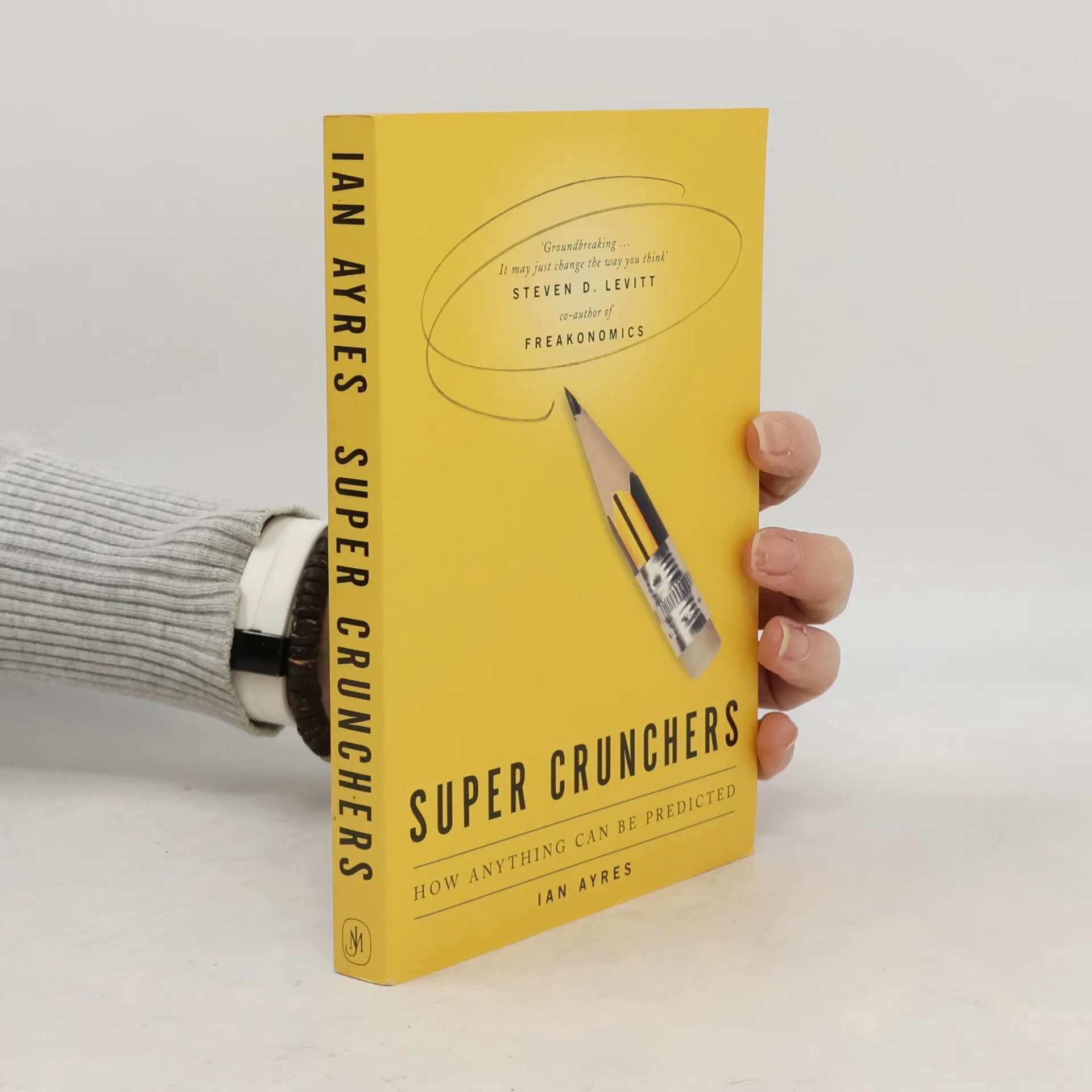
    Super Crunchers
    • Carrots and Sticks

      • 218 stránek
      • 8 hodin čtení

      The part-owner of StickK.com uses research into incentives and punishments to introduce the concept of "commitment contracts," an easy strategy for setting and achieving goals that is already in use by successful companies and individuals across America. Ayres shares engaging, often astounding, real-life stories that show the carrot-and-stick principle in action, from the compulsive sneezer who needed a "stick" (the potential loss of $50 per week to a charity he didn't like) to those who need a carrot with their stick (the New York Times columnist who quit smoking by pledging a friend $5,000 per smoke . . . if she would do the same for him). You'l learn why you might want to hire a "professional nagger" whom you'll do anything to avoid- no, your spouse won't do!- and how you can "hand-tie" your future self to accomplish what you want done now. You'll find out how a New Zealand ad exec successfully "sold his smoking addiction", and why Zappos offered new employees $2,000 to quit cigarettes.

      Carrots and Sticks2010
      3,2
    • In this lively and groundbreaking new book, economist Ayres shows how today's best and brightest organizations are analyzing massive databases at lightening speed to provide greater insights into human behavior.

      Super Crunchers2007
      3,7
    • Why Not?

      • 238 stránek
      • 9 hodin čtení

      Offers guidelines for brainstorming and problem solving in order to solve new problems with existing solutions and to generate new solutions for existing problems.

      Why Not?2003
      3,7