
Eric Dezenhall píše romány, které se často odehrávají v prostředí bulvárních médií. Jeho díla zkoumají témata pomsty a manipulace v éře neustálého mediálního zájmu. Prostřednictvím napínavých zápletek a komplexních postav nabízí pohled na fungování mediálního světa a jeho dopady na jednotlivce. Jeho literární styl je poutavý a nutí čtenáře k zamyšlení.
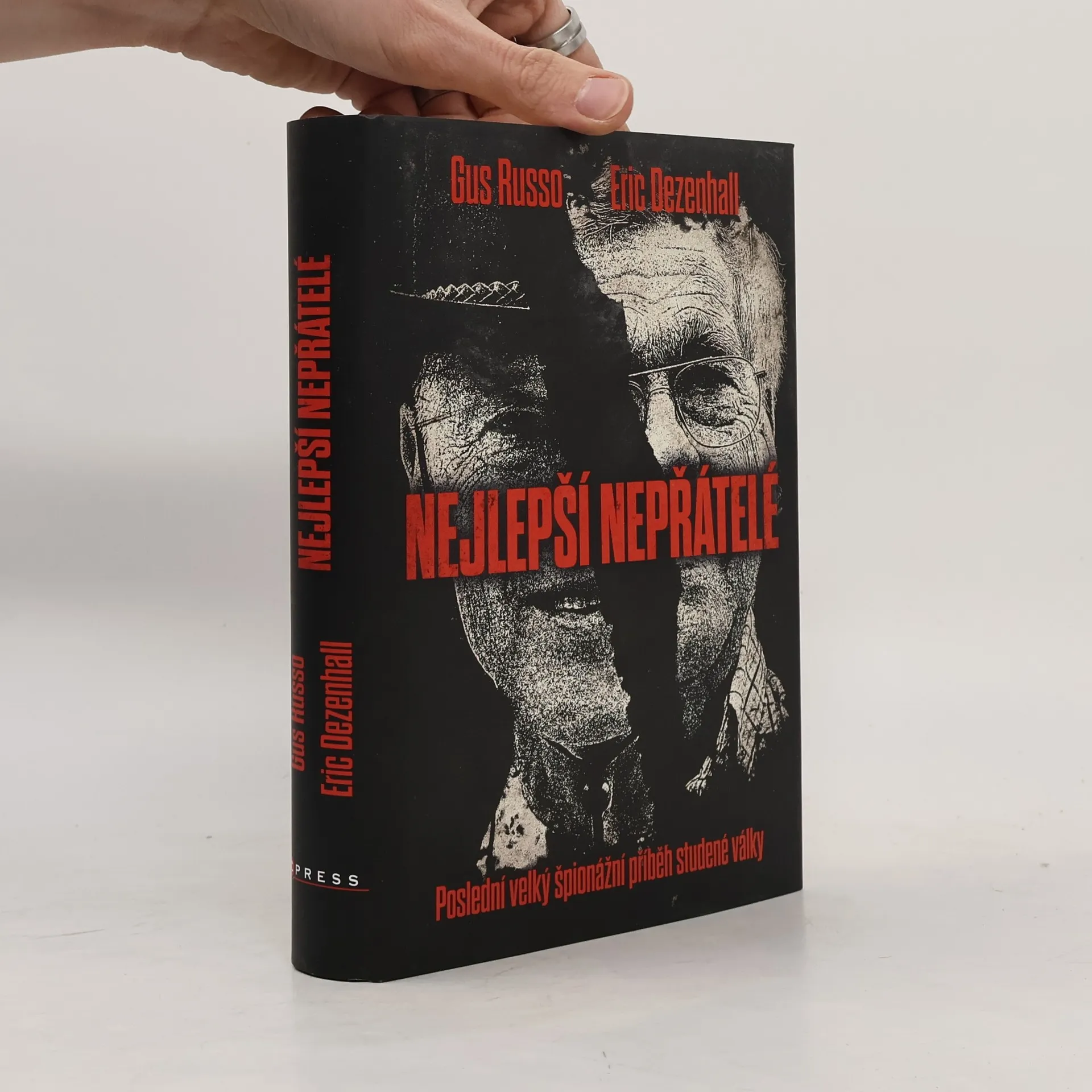
Studená válka, Washington, D.C. Jack „Kovboj“ Platt a Genadij Vasilenko. Agent CIA proti agentovi KGB. Na první pohled jsou oba nesmiřitelní a tvrdí, na druhou stranu mají v sobě něco, co je spojuje. Jsou v pravém smyslu rebely uvnitř svých špionážních agentur. To je první krůček k tomu, aby navázali nanejvýš nepravděpodobné přátelství. Přátelství bořící předsudky i hranice rozdílných světů. Přátelství mezi nepřáteli. Tento příběh je právem označovaný jako „poslední velký špionážní příběh studené války“.
2022 IBPA Benjamin Franklin Award GOLD winner in Mystery & Thriller Fiction A thrilling tale of revenge set against the vibrant backdrop of sensationalist modern media Seasoned reporter Sanford “Fuse” Petty is old-school in every way―anti-technology, anti-Millennial (don’t even mention Gen-Z), and anti-“gotcha” journalism. After Fuse is asked to leave his paper pending a disciplinary investigation, he has plenty of time on his hands. So when his oldest friend approaches him for advice after the man’s daughter says she was sexually assaulted by her boss, a prominent media star, Fuse agrees to help. He gives his buddy the only options he feels are report the incident to the police and risk a huge “he said/she said” smear campaign against the girl, or plan something even better―revenge. As a journalist, Fuse has a colorful background investigating criminals, politicians, gangsters, drug lords, and all-around shysters―and knows plenty of shady sources―so he’s the perfect person to enact a complex (and ultimately, entertaining) plan to bring the popular media mogul down in the court of public opinion . . . and make him pay.
Exploring the intricate connections between organized crime and the presidency, this exposé uncovers startling revelations about the influence of the Mob on U.S. leadership. The book provides a detailed account of how these relationships have shaped political decisions and the extent of their impact on governance, offering a compelling narrative that challenges perceptions of power and corruption in American history.