Gerd Gigerenzer je německý psycholog, který zkoumá využití omezené racionality a heuristik při rozhodování, zejména v medicíně. Je kritikem práce Daniela Kahnemana a Amose Tverského a tvrdí, že heuristiky bychom neměli vnímat jako důkaz iracionálních kognitivních zkreslení v lidském myšlení, ale spíše jako adaptivní nástroj, který není totožný s pravidly formální logiky nebo kalkulu pravděpodobnosti. Jeho práce se zaměřuje na to, jak činit racionální rozhodnutí v situacích s omezeným časem a informacemi a s nejistou budoucností.
The power of intuition is clear, but there is a common mistrust of intuition
as well. Researchers often confuse intuition with the arbitrary or
systematically error-prone judgments of inept decision makers. To dispel the
myths surrounding intuition, this book presents a scientific perspective.
Die Intelligenz des Unbewussten und die Macht der Intuition - Mit einem Vorwort zur Neuausgabe
288 stránek
11 hodin čtení
Warum der Bauch oft die besseren Entscheidungen trifft als der Verstand: Der internationale Bestseller jetzt bei Pantheon Wie wir durch Intuition schneller und effektiver handeln können Ein Mann verliebt sich in eine Frau, deren »Partnerprofil« eigentlich nicht zu ihm passt. Eine gute Ärztin spürt, wenn mit langjährigen Patienten etwas nicht in Ordnung ist, auch wenn sie nicht immer sofort sagen kann, was ihnen fehlt. Intuition schlägt Vernunft: Der weltweit renommierte Psychologe Gerd Gigerenzer zeigt anschaulich, warum rationales Abwägen in vielen Situationen nicht zum besten Ergebnis führt. Denn gute Entscheidungen basieren oft auf einer unbewussten Intelligenz, die sehr schnell operiert und gerade in komplexen Lagen verblüffend einfach funktioniert. Ein bahnbrechendes Buch, das unser Bild vom menschlichen Verstand revolutioniert. Ausstattung: s/w-Abbildungen im Text
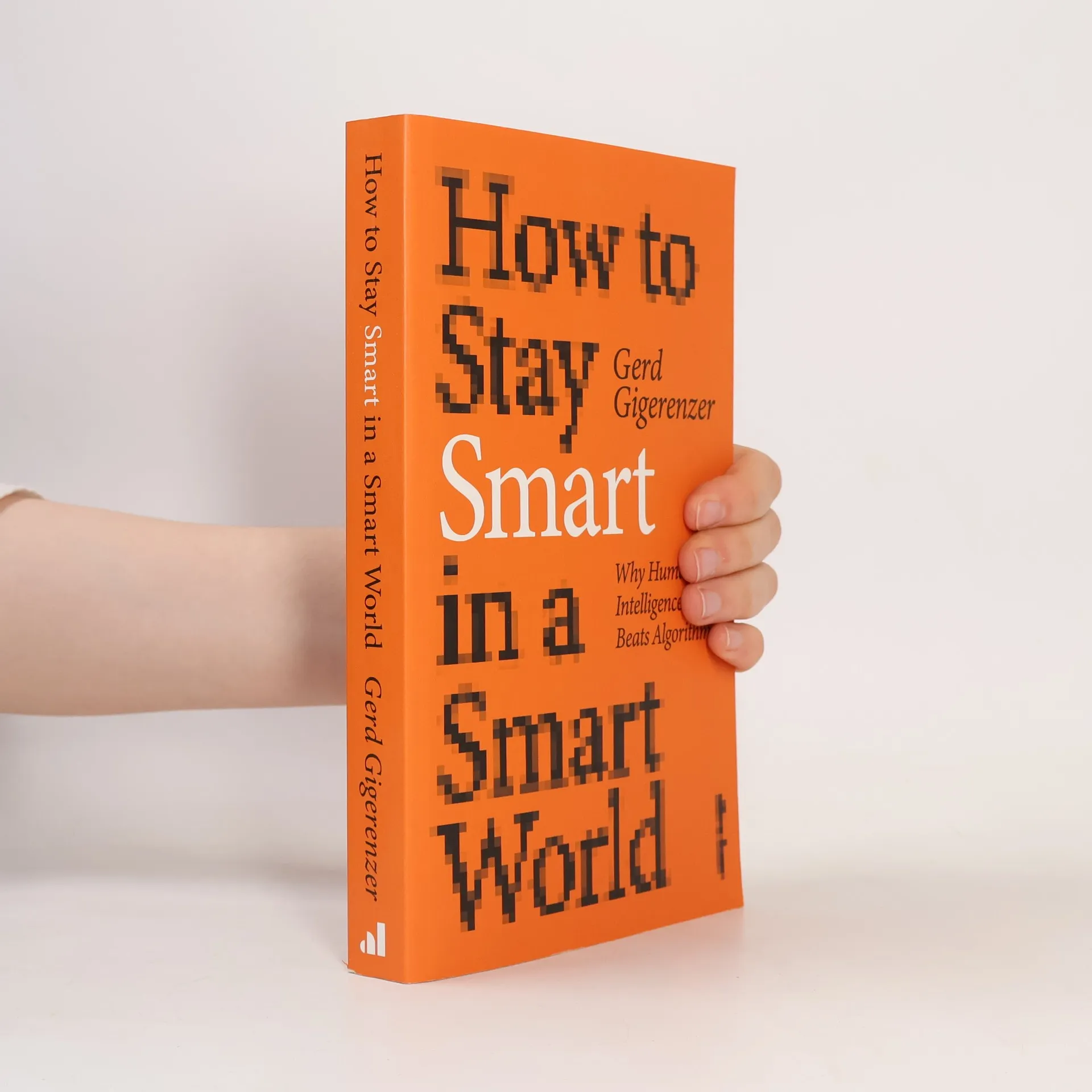
Is more data always better? Do algorithms really make better decisions than humans? Can we stay in control in an increasingly automated world? Drawing on decades of research into decision making under uncertainty, Gerd Gigerenzer makes a compelling case for the enduring importance of human discernment in an automated world that we are told can - and will - replace our efforts. From dating apps and self-driving cars to facial recognition and the justice system, the increasing presence of AI has been widely championed - but there are limitations and risks too. Humans are the greatest source of uncertainty in these situations and Gigerenzer shows how, when people are involved, trust in complex algorithms can lead to illusions of certainty that become a recipe for disaster. Filled with practical examples and cutting-edge research, How to Stay Smart in a Smart World examines the growing role of AI at all levels of daily life with refreshing clarity. This book is a life-raft in a sea of information and an urgent invitation to actively shape the digital world in which we want to live.
The contemporary rabbi is influenced by the modern rabbinic establishments throughout the world, including the rabbinate in Israel. The rabbinate's monopoly on opinions and interpretations prevents rabbis from expressing their individual positions out of fear of delegitimization. The current structure gives the public a negative impression of the rabbinic establishment. The Importance of the Community Rabbi strives to describe and delineate key requirements for a good rabbi, i.e., one who can provide socially acceptable halachic solutions within the parameters of Orthodox thinking. Rabbi Sperber elucidates the halachic techniques and mechanisms that may be used toward this goal. These are further illustrated with stories from rabbinic literature and examples from various responsa.
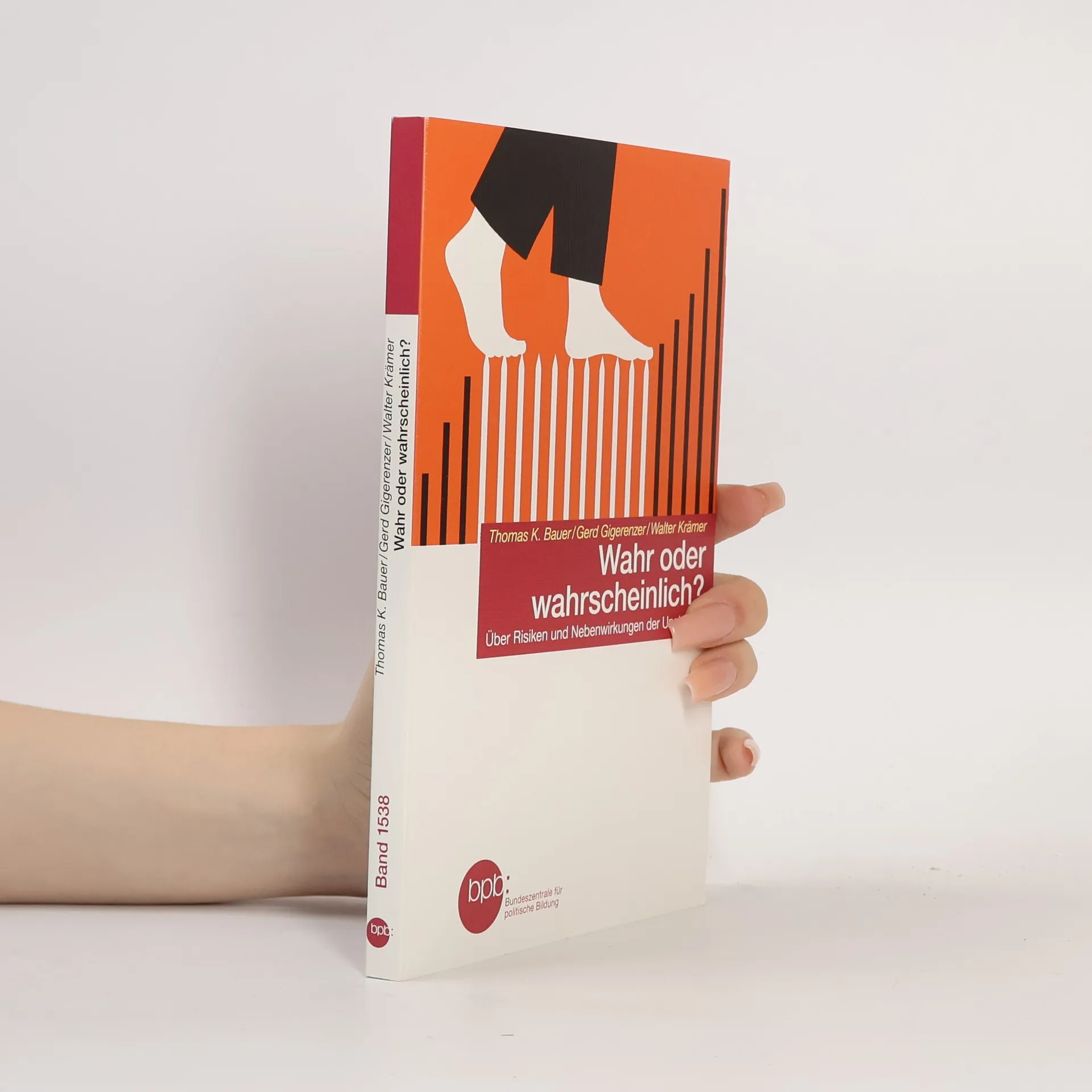
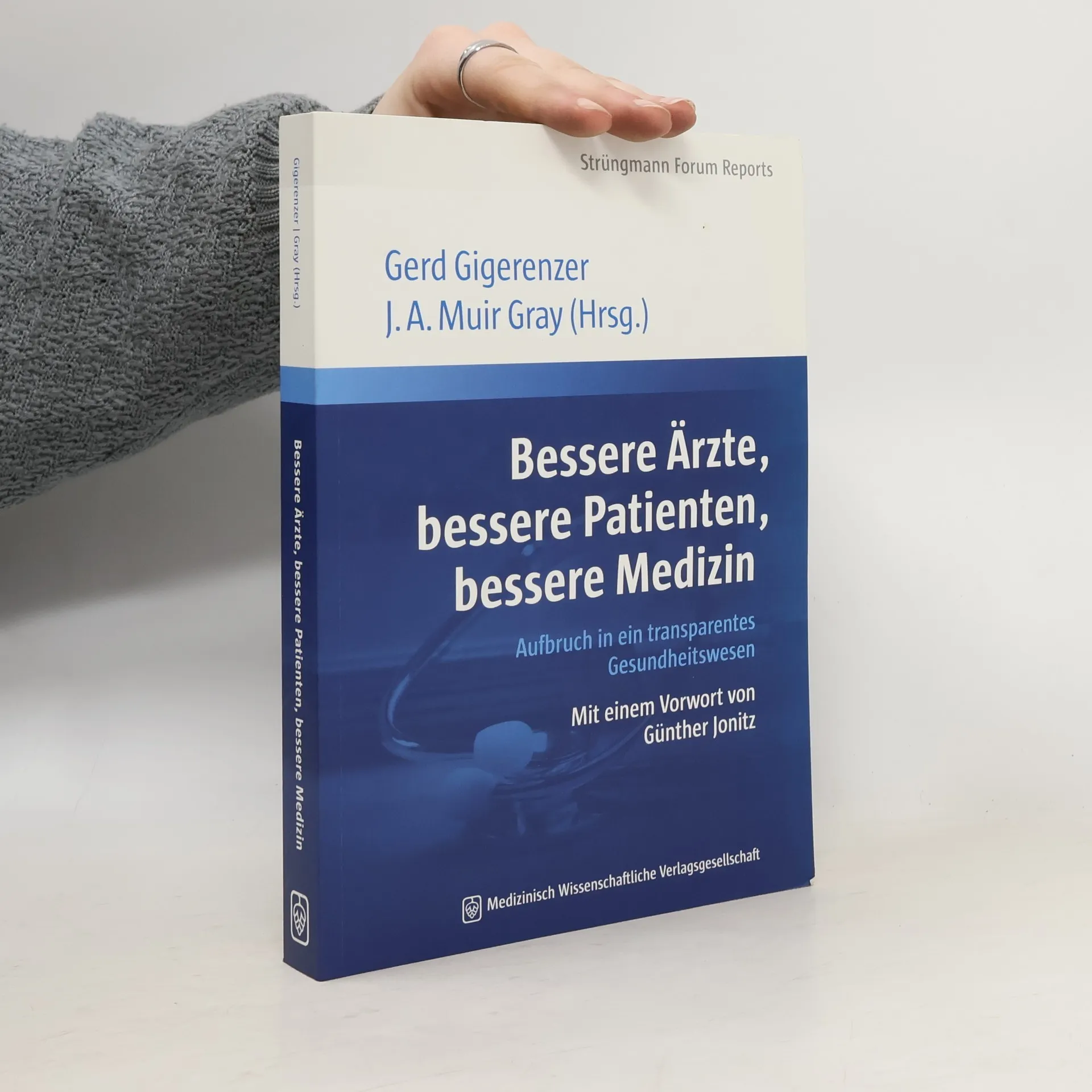
Entgegen der allgemeinen Annahme liegt das Hauptproblem bei der gerechten Verteilung von Gesundheitsleistungen nicht in einem Mangel an Geldmitteln, sondern in einem Mangel an Wissen – sowohl bei Ärzten als auch bei Patienten. Viele Ärzte und die meisten Patienten verstehen die verfügbaren Informationen zu Diagnostik und Therapie nicht. Besonders im Bereich der Risiko-Nutzen-Relationen sind viele Ärzte wahre „Risiko-Analphabeten“. Dieses fehlende Verständnis wird von Marketingstrategien für medizinische Verfahren ausgenutzt, die oft auf irreführenden Statistiken basieren. So werden beispielsweise weiterhin unnötige Pap-Abstriche bei Frauen nach einer Zervixentfernung durchgeführt, und die übermäßige Nutzung von CTs führt jährlich zu Zehntausenden neuen Krebserkrankungen. Die Autoren beleuchten die Ursachen dieser Entwicklungen: Die Industrie setzt oft die Schwerpunkte in der Forschung, während die Ausbildung der Ärzte nicht ausreicht, um wissenschaftliche Ergebnisse richtig einzuordnen. Zudem führen Interessenskonflikte zu irreführender Berichterstattung, und viele Ärzte fühlen sich aus Angst vor Klagen zu defensiver Medizin genötigt. Die Autoren analysieren das System und zeigen konkrete Verbesserungsmöglichkeiten auf, wie etwa die transparente Gestaltung der Forschungsfinanzierung und die Verbesserung der medizinischen Ausbildung. Antworten auf diese Fragen könnten zu einem aufgeklärteren Gesundheitssystem führen, in dem inf
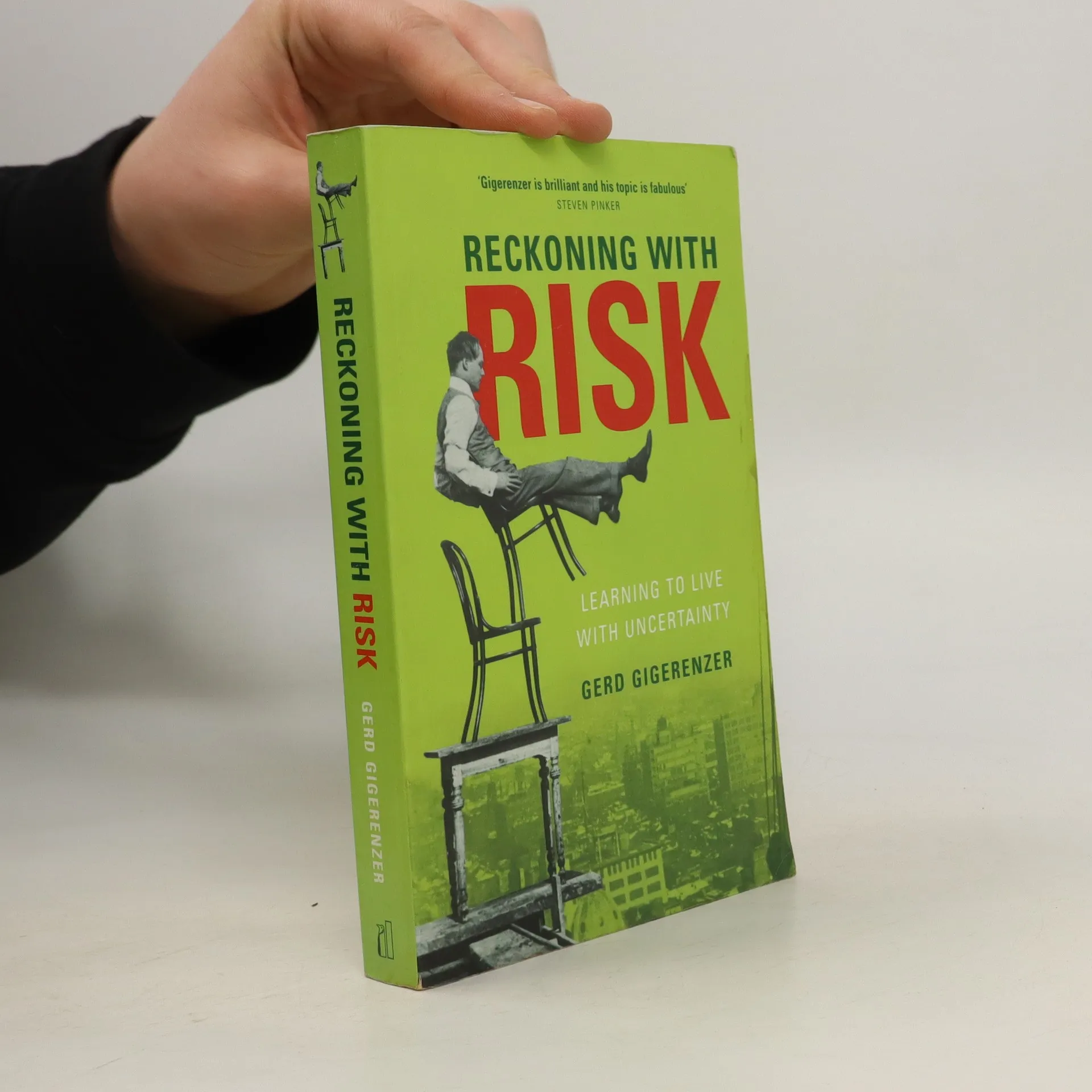
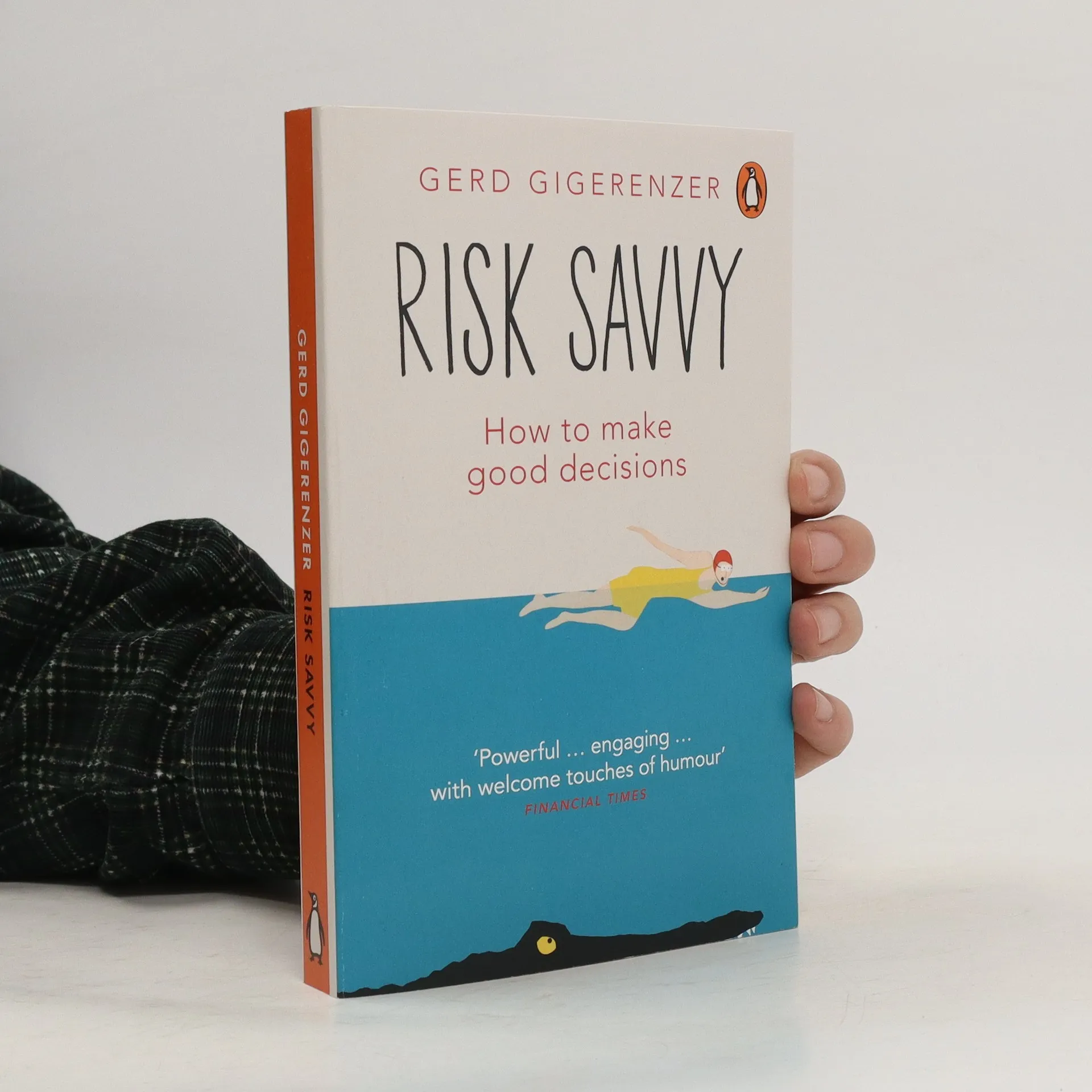
Risk-taking is essential for innovation, fun, and the courage to face the uncertainties in life. Yet for many important decisions, we're often presented with statistics and probabilities that we don't really understand and we inevitably rely on experts in the relevant fields. But what if they don't quite understand the way the information is presented either? This entertaining book shows us how to recognize when we don't have all the information and know what to do about it. Gerd Gigerenzer looks at examples from every aspect of life to identify the reasons for our collective misunderstanding of the risks we face. He shows how we can all use simple rules to avoid being manipulated into unrealistic fears or hopes, to make better-informed decisions, and to learn to understand risk and uncertainty in our own lives.
Think less � and know more. A sportsman can catch a ball without calculating its speed or distance. A group of amateurs beat the experts at playing the stock market. A man falls for the right woman even though she�s �wrong� on paper. All these people succeeded by trusting their instincts � but how does it work? In Gut Feelings psychologist and behavioural expert Gerd Gigerenzer reveals the secrets of fast and effective decision-making. He explains that, in an uncertain world, sometimes we have to ignore too much information and rely on our brain�s �short cut�, or heuristic. By explaining how intuition works and analyzing the techniques that people use to make good decisions � whether it�s in personnel selection or heart surgery � Gigerenzer will show you why gut thinking can change your world.
In the beginning of the 20th century, the father of modern science fiction, H.G. Wells, predicted that statistical thinking would be as necessary for citizenship in a technological world as the ability to read and write. Yet, a century on, most of us, from TV weather forecasters to the American President, seem to have no idea of how to reason about uncertainties.
The Empire of Chance tells how quantitative ideas of chance transformed the
natural and social sciences, as well as daily life, in the last three
centuries. It connects the earliest applications of probability and statistics
in gambling and insurance to the most recent forays into law, medicine polling
and baseball.