

Knihobot

Catherine L. Mann

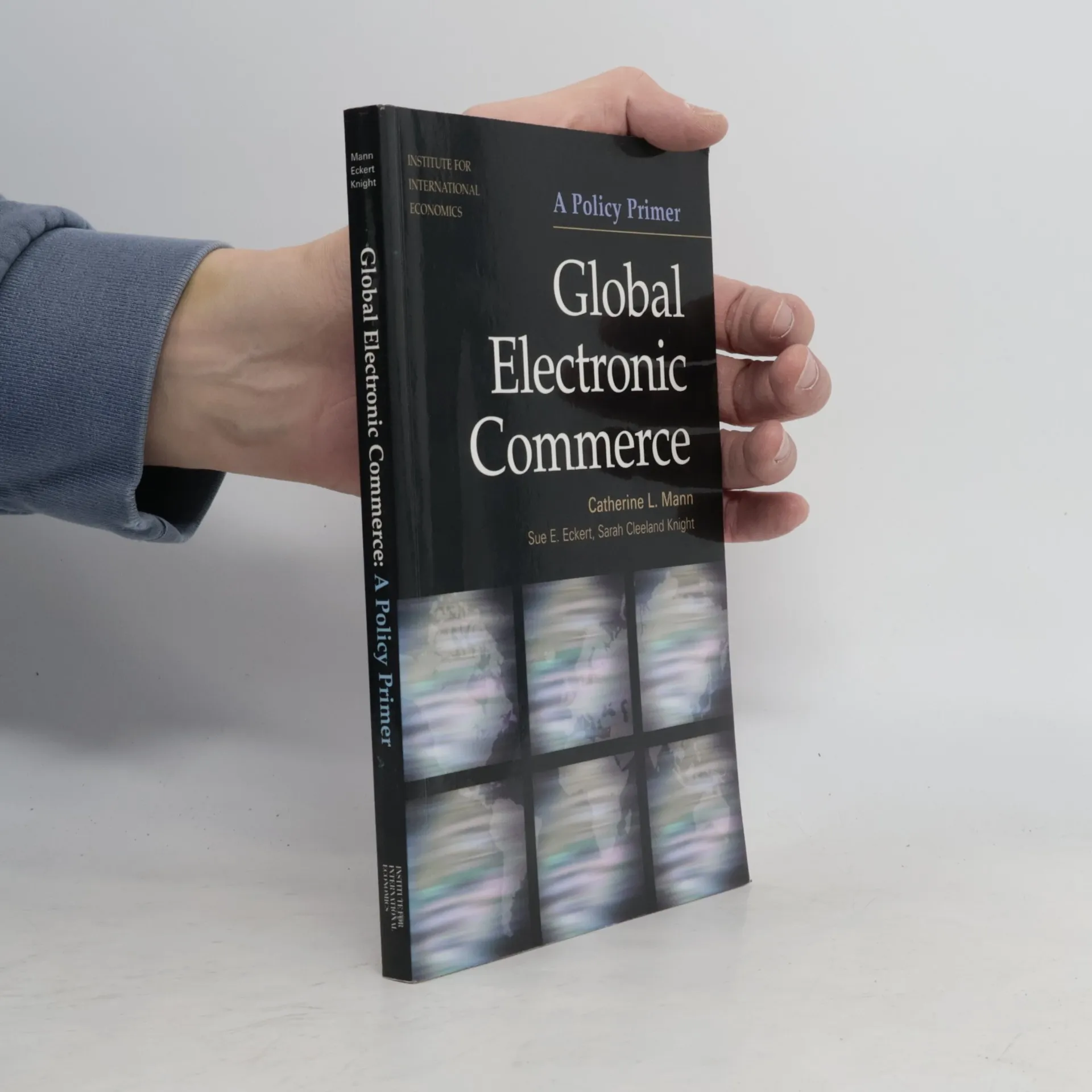
    Global Electronic Commerce
    Is the U.S. Trade Deficit Sustainable?
    • Is the U.S. Trade Deficit Sustainable?

      • 200 stránek
      • 7 hodin čtení

      The global financial crisis of 1997-98 and the widening US trade deficit have precipitated fresh inquiry into a set of perennial questions about global integration and the US economy. How has global integration affected US producers and workers, and overall growth and inflation? Is a chronic and widening deficit sustainable, or will the dollar crash, perhaps taking the economy with it? If the problem was one of "twin deficits," as many thought, why has the trade deficit continued to grow even as the budget deficit narrowed to zero? If US companies are so competitive, why does the trade deficit persist? Is the trade deficit a result of protectionism abroad? Will it lead to protectionism at home? What role do international capital markets have?Each chapter presents relevant data and a simple analytical framework as the basis for concise discussions of these major issues. The final section of the book provides an outlook for the deficit and suggests alternative policy courses for dealing with it. This book is designed for policymakers and others who are interested in the US role in the world economy. It is also suitable for courses in international economics, business, and international affairs.

      Is the U.S. Trade Deficit Sustainable?
      5,0
    • Global Electronic Commerce

      A Policy Primer

      • 213 stránek
      • 8 hodin čtení

      Electronic commerce is changing the way businesses and consumers create, sell, and buy products, and the way they communicate and learn. How can policymakers position their countries to take advantage of this new environment? How should policymaking adjust to a more global, more networked, and more information-rich marketplace where relationships and jurisdictions between the governments, businesses, and citizens increasingly overlap? How can governments effectively harness rapidly changing technologies and partner with both domestic and foreign private sectors to reap the greatest benefits for their constituents?This primer answers these questions using both general analysis and specific examples. It addresses in particular the needs of policymakers in emerging markets who must formulate and refine policies that affect e-commerce in areas such as telecommunications, finance, taxation, privacy, and international trade and domestic distribution. Companies considering doing business in these economies also will find that the examples offer insights into the issues that policymakers face, the different policy approaches they choose, and the market opportunities that arise as more and more economies around the world embrace global electronic commerce.

      Global Electronic Commerce