Knihobot

Jonathan Haidt

    19. říjen 1963

    Jonathan Haidt is a prominent psychologist and professor who explores the moral psychology of humans. His work delves into the nature of morality, why people are divided by politics and religion, and the search for lasting wisdom. He examines how ancient philosophies can illuminate modern truths, offering insights into human nature and societal divisions.

    Jonathan Haidt
    The Canceling of the American Mind
    The Coddling of the American Mind
    The Anxious Generation
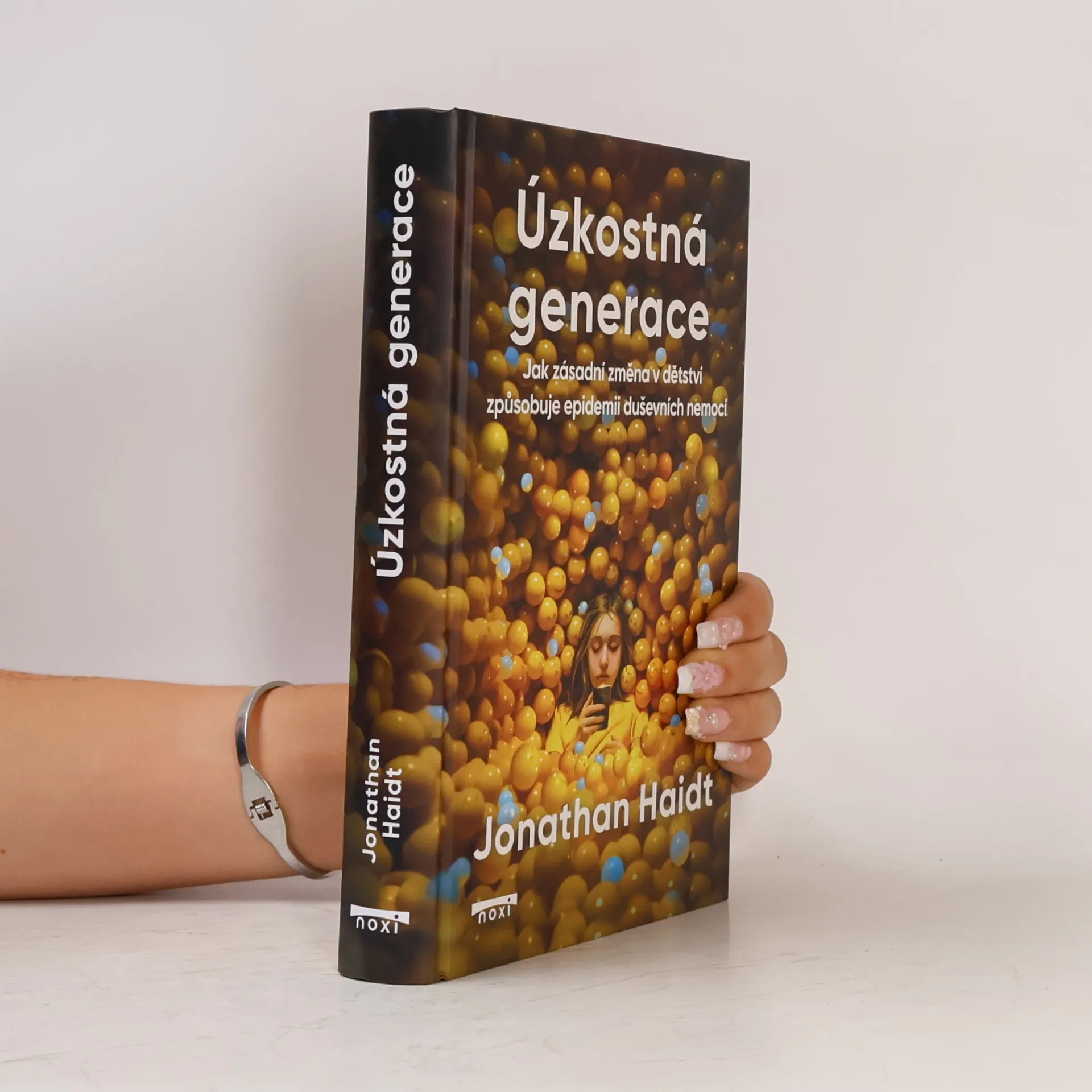
    Úzkostná generace - Jak zásadní změna v dětství způsobuje epidemii duševních nemocí
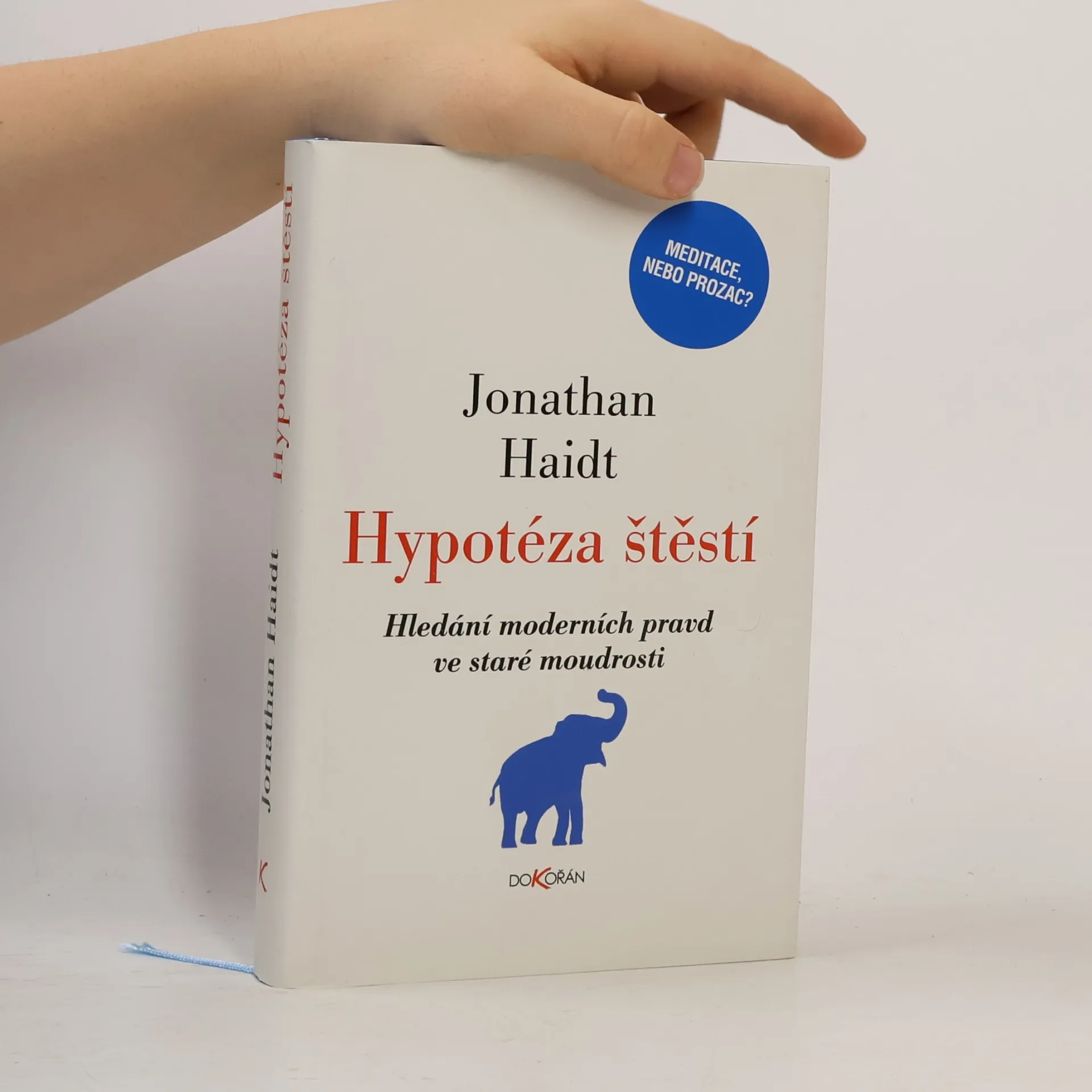
    Hypotéza štěstí. Hledání moderních pravd ve staré moudrosti
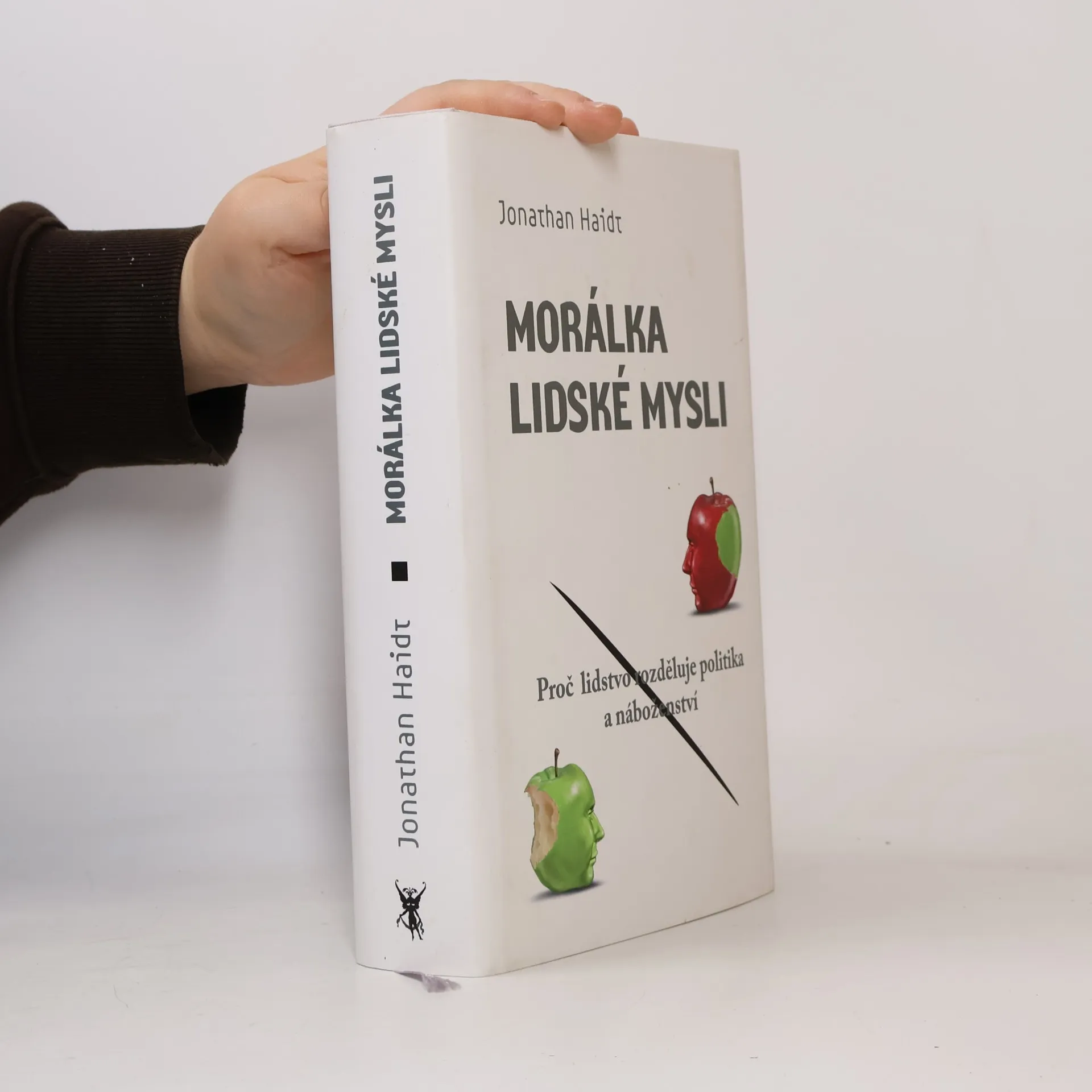
    Morálka lidské mysli : proč lidstvo rozděluje politika a náboženství
    • Proč existují rozdíly v lidském jednání a rozhodování? Jakou roli hraje morálka v našem uvažování? Tyto otázky zkoumá psycholog Jonathan Haidt. Analyzuje teorie starých filozofů a dospívá k současným debatám o původu morálky: je vrozená, nebo formována zkušenostmi z dětství? Pokud je vrozená, proč se názory na morální témata liší napříč kulturami? A pokud je získaná, jak to, že lze nalézt opakující se vzorce? Haidt tvrdí, že naše morální úsudky vycházejí z intuice, zatímco rozumové uvažování slouží k obhajobě těchto intuic. Jsme tedy spíše „intuitivní právníci“, kteří hledají argumenty pro své názory. Haidtovo vyprávění je obohaceno osobními příběhy, jako je jeho dětství, které ho nasměrovalo k levici, a studijní pobyt v Indii, jenž ho přiměl přehodnotit své názory. Popisuje pět základů morálky a ukazuje, proč sympatizanti levice kladou důraz na dva z nich, zatímco pravice se opírá o všechny. Tím odhaluje nedorozumění, která z toho vyplývají. Dokáže tato kniha zúžit propast mezi individualistickými a sociocentrickými společnostmi a mezi politickou levicí a pravicí?
      Morálka lidské mysli : proč lidstvo rozděluje politika a náboženství
      4,3
    • Podtitul: Hledání moderních pravd ve staré moudrosti. Jak naplnit svůj život a dát mu smysl? Může být pomsta sladká? Co je štěstí a jak ho dosáhnout? K čemu je nám ctnost? Proč a jak vycházet s ostatními lidmi? Jak vyvážit rozum a city? To jsou příklady velkých filozofických, náboženských a psychologických otázek, na které po mnoho tisíc let hledali a nacházeli odpovědi největší myslitelé Západu i Východu. Americký sociální psycholog Jonathan Haidt v deseti kapitolách probírá deset základních aspektů těchto velkých problémů porovnává závěry nejvýznamnějších autorit minulosti s tím, co nám říkají poslední sociologické, psychologické a neurologické výzkumy. Je pozoruhodné, kolik z myšlenek starých mudrců potvrzuje moderní věda, některé závěry jsou však se současnými poznatky o anatomii mozku, mysli i lidské společnosti v rozporu. Autor si na dobrodružné cestě po zákoutích lidského nitra pomáhá názornou metaforu jezdce (rozumu) na slonu (iracionálních pohnutkách), která je od té doby v psychologii užívána s velkým úspěchem.

      Hypotéza štěstí. Hledání moderních pravd ve staré moudrosti
      4,1
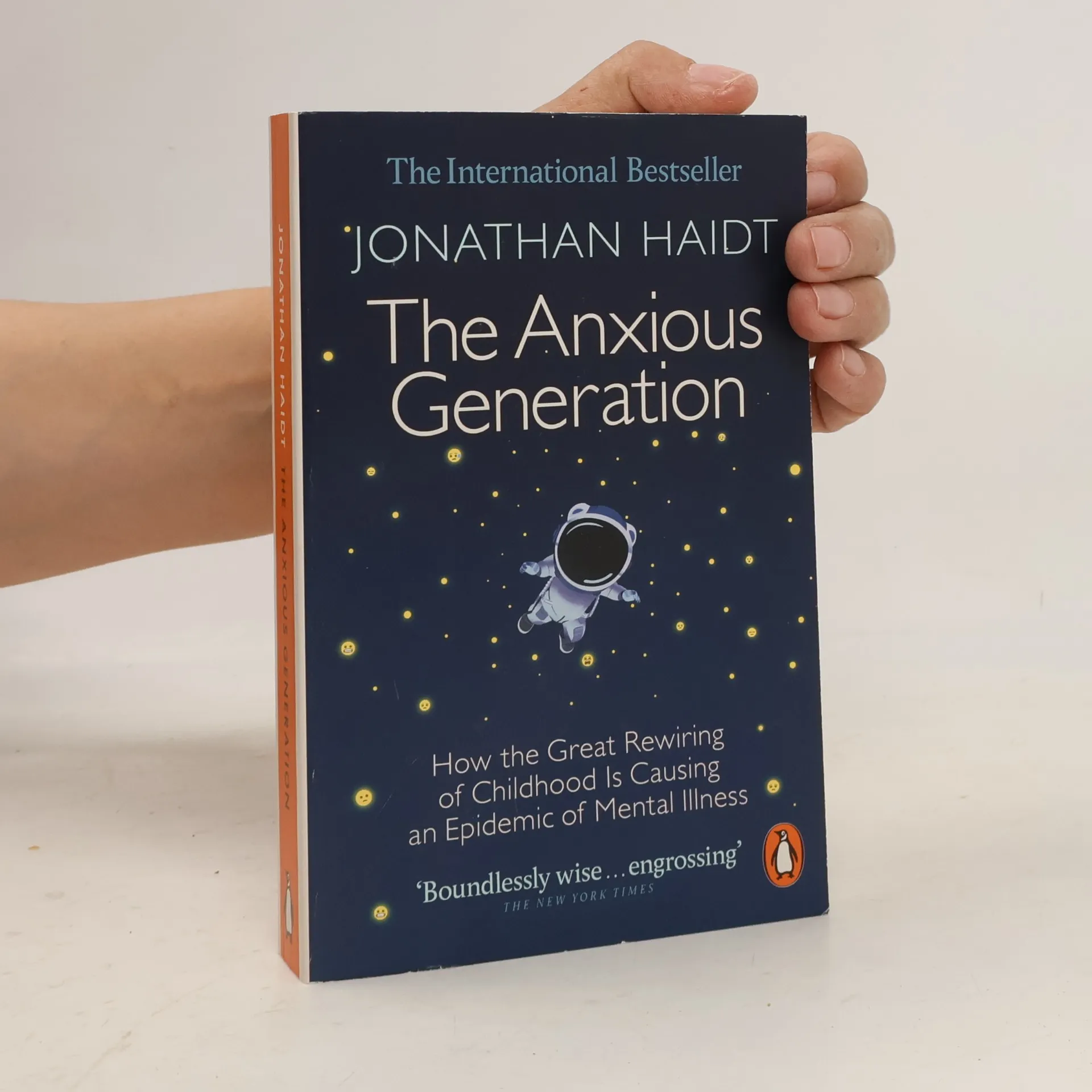
    • A must-read for all parents, this generation-defining investigation delves into the alarming decline of youth mental health amid the rise of smartphones, social media, and big tech. After years of stability, adolescent mental health plummeted in the early 2010s, with significant increases in depression, anxiety, self-harm, and suicide rates. Social psychologist Jonathan Haidt explores the epidemic of teen mental illness affecting many countries, examining the vital role of play and independent exploration in childhood development. He traces the decline of the “play-based childhood” since the 1980s and its replacement by the “phone-based childhood” of the 2010s. Haidt identifies over a dozen ways this shift has disrupted children's social and neurological growth, including sleep deprivation, attention fragmentation, addiction, and social comparison. He highlights the unique vulnerabilities of girls to social media and the alarming trend of boys retreating into virtual worlds. Most importantly, Haidt calls for action, outlining four simple rules to combat these issues and proposing steps for parents, educators, tech companies, and governments to help end the mental health crisis and foster a healthier childhood. His insights are vital for safeguarding the well-being of future generations.

      The Anxious Generation
      4,3
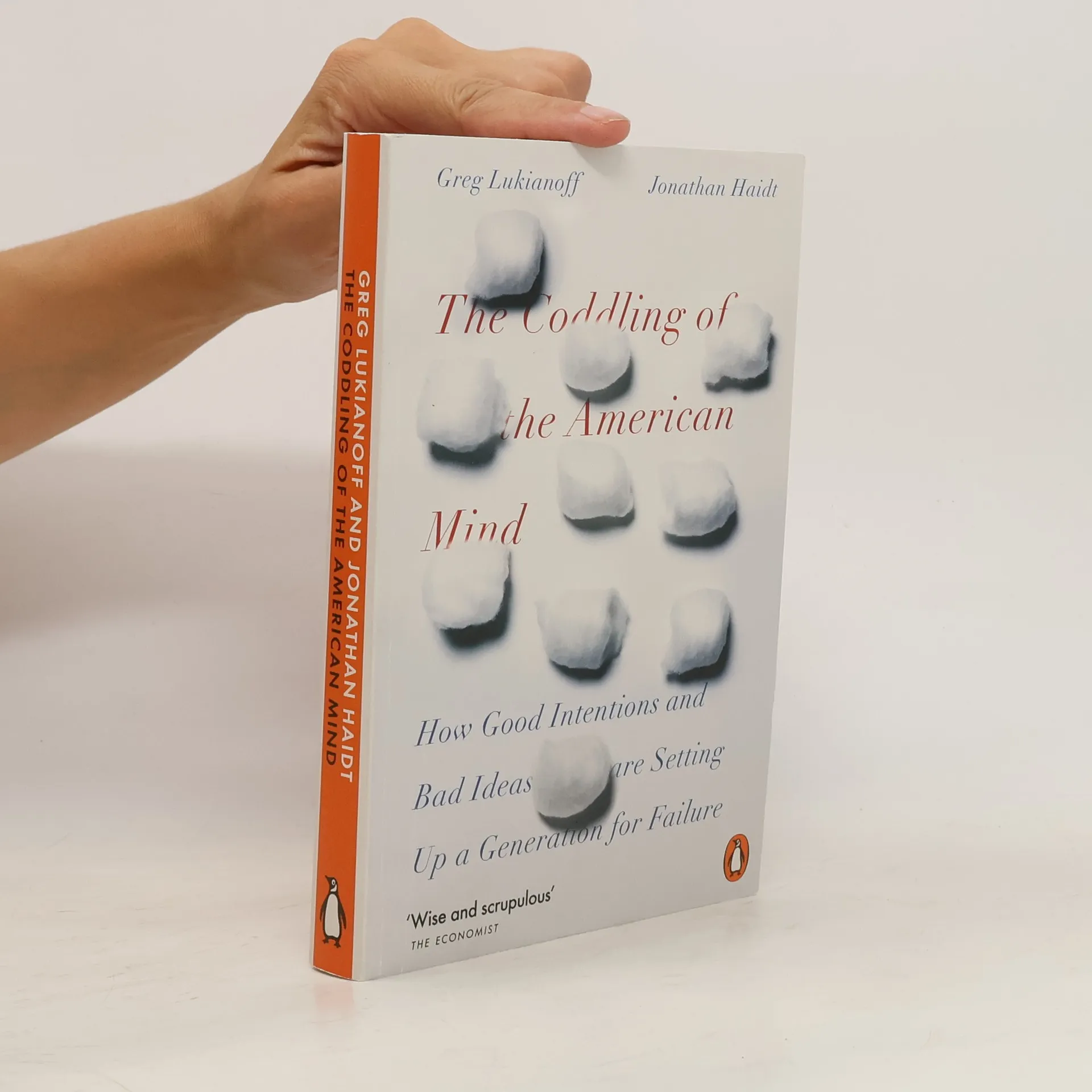
    • Three bad ideas. The untruth of fragility : what doesn't kill you makes you weaker ; The untruth of emotional reasoning : always trust your feelings ; The untruth of us versus them : life is a battle between good people and evil people -- Bad ideas in action. Intimidation and violence ; Witch hunts -- How did we get here? The polarization cycle ; Anxiety and depression ; Paranoid parenting ; The decline of play ; The bureaucracy of safetyism ; The quest for justice -- Wising up. Wiser kids ; Wiser universities ; Wiser societies.

      The Coddling of the American Mind
      4,3
    • The Canceling of the American Mind

      • 464 stránek
      • 17 hodin čtení

      "A timely deep dive into cancel culture, an account of its dangers to all Americans, and the much-needed antidote from the team that brought you Coddling of the American Mind ... [Includes] hard data and research on what cancel culture is and how it works, along with hundreds of new examples showing the left and the right both working to silence their enemies ...Offers concrete steps toward reclaiming a free speech culture, with materials specifically tailored for parents, teachers, business leaders, and everyone who uses social media"

      The Canceling of the American Mind
      4,1
    • The Happiness Hypothesis

      Finding Modern Truth in Ancient Wisdom

      • 297 stránek
      • 11 hodin čtení

      Jonathan Haidt skillfully combines two genres-philosophical wisdom and scientific research-delighting the reader with surprising insights. He explains, for example, why we have such difficulty controlling ourselves and sticking to our plans; why no achievement brings lasting happiness, yet a few changes in your life can have profound effects, and why even confirmed atheists experience spiritual elevation. In a stunning final chapter, Haidt addresses the grand question "How can I live a meaningful life?," offering an original answer that draws on the rich inspiration of both philosophy and science. " The Happiness Hypothesis is a wonderful and nuanced book that provides deep insight into the some of the most important questions in life--Why are we here? What kind of life should we lead? What paths lead to happiness? From the ancient philosophers to cutting edge scientists, Haidt weaves a tapestry of the best and the brightest. His highly original work on elevation and awe--two long-neglected emotions--adds a new weave to that tapestry. A truly inspiring book." - David M. Buss , author of The Evolution of Desire: Strategies of Human Mating “In this beautifully written book, Jonathan Haidt shows us the deep connection that exists between cutting-edge psychological research and the wisdom of the ancients. It is inspiring to see how much modern psychology informs life's most central and persistent questions -Barry Schwartz, author of The Paradox of Choice: Why More Is Less “In our quest for happiness, we must find a balance between modern science and ancient wisdom, between East and West, and between ‘left brain’ and ‘right brain.’ Jon Haidt has struck that balance perfectly, and in doing so has given us the most brilliant and lucid analysis of virtue and well-being in the entire literature of positive psychology. For the reader who seeks to understand happiness, my advice is: Begin with Haidt.”- Martin E.P. Seligman, Director, Positive Psychology Center at the University of Pennsylvania and author of Authentic Happiness “Haidt is a fine guide on this journey between past and present, discussing the current complexities of psychological theory with clarity and humor. . . Haidt’s is an open-minded, robust look at philosophy, psychological fact and spiritual mystery, of scientific rationalism and the unknowable ephemeral – an honest inquiry that concludes that the best life is, perhaps, one lived in the balance of opposites.”- Bookpage

      The Happiness Hypothesis
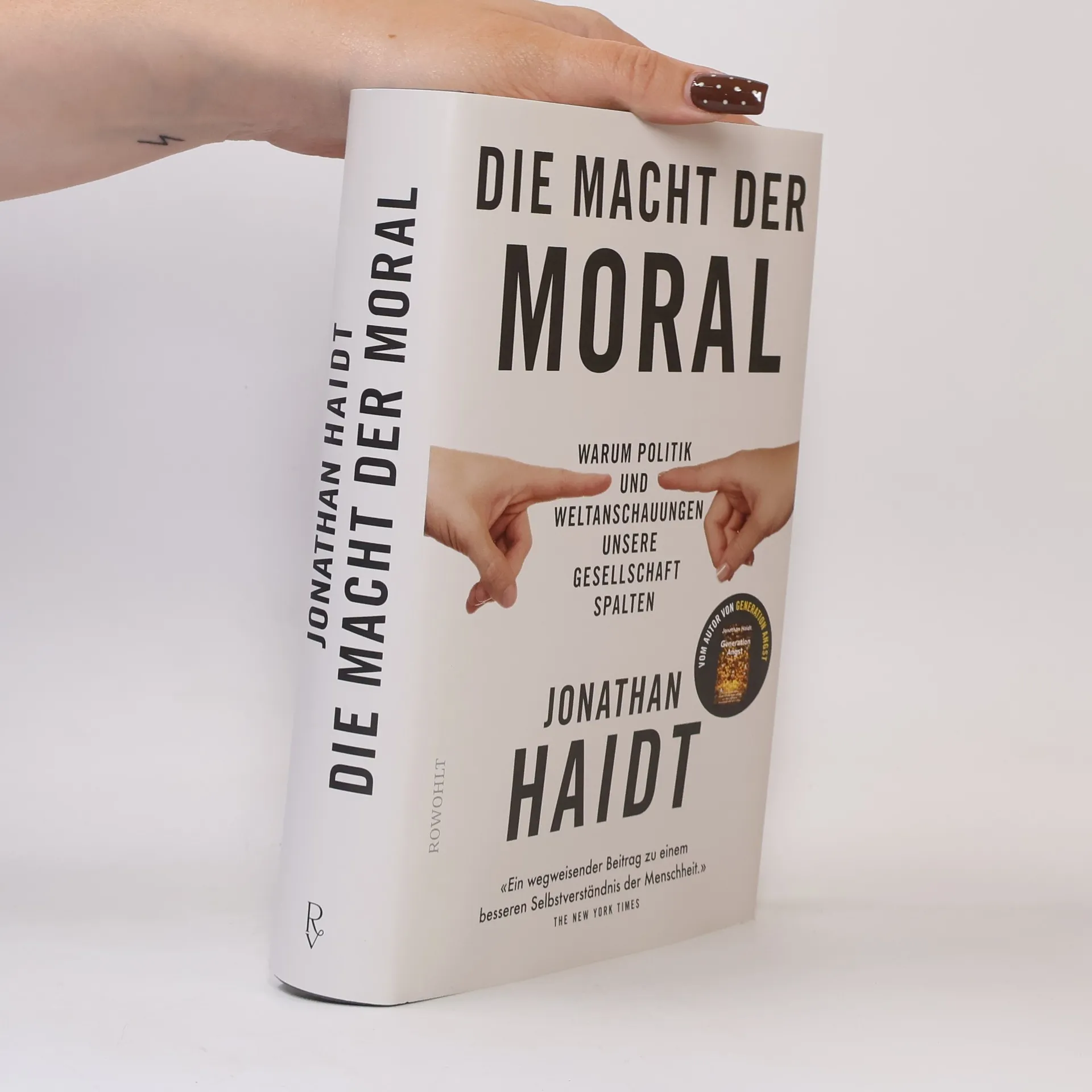
    • Die Macht der Moral

      Warum Politik und Weltanschauungen unsere Gesellschaft spalten

      • 528 stránek
      • 19 hodin čtení

      Warum fühlt es sich oft so an, als würde die Hälfte der Bevölkerung in einem anderen moralischen Universum leben? Warum bedeuten «Gerechtigkeit» und «Freiheit» für verschiedene Menschen so unterschiedliche Dinge? Warum geraten wir ständig wegen unserer Weltanschauungen aneinander, selbst wenn wir im Grunde dasselbe wollen? Der Sozialpsychologe Jonathan Haidt zeigt: Die Antwort liegt in unserer Moral – die weit weniger auf Rationalität und Logik gründet als auf Intuition und Sozialtrieb. Moral bringt uns dazu, individuelle Interessen zu überwinden und mit anderen zu kooperieren; zugleich aber macht sie uns blind für die Perspektiven anderer Gruppen. So haben sich im Lauf der Evolution und Geschichte zwischen Gemeinschaften und Kulturen sehr unterschiedliche moralische Intuitionen herausgebildet. Haidt erklärt, wie diese uns sozial binden, aber auch blenden, etwa im politischen Dauerstreit zwischen Progressiven und Konservativen. Sein Buch hilft uns, nicht nur unser individuelles Verhalten besser zu verstehen, sondern auch die gesellschaftlichen Auseinandersetzungen der Gegenwart – und über weltanschauliche Gräben hinweg zueinanderzufinden.

      Die Macht der Moral
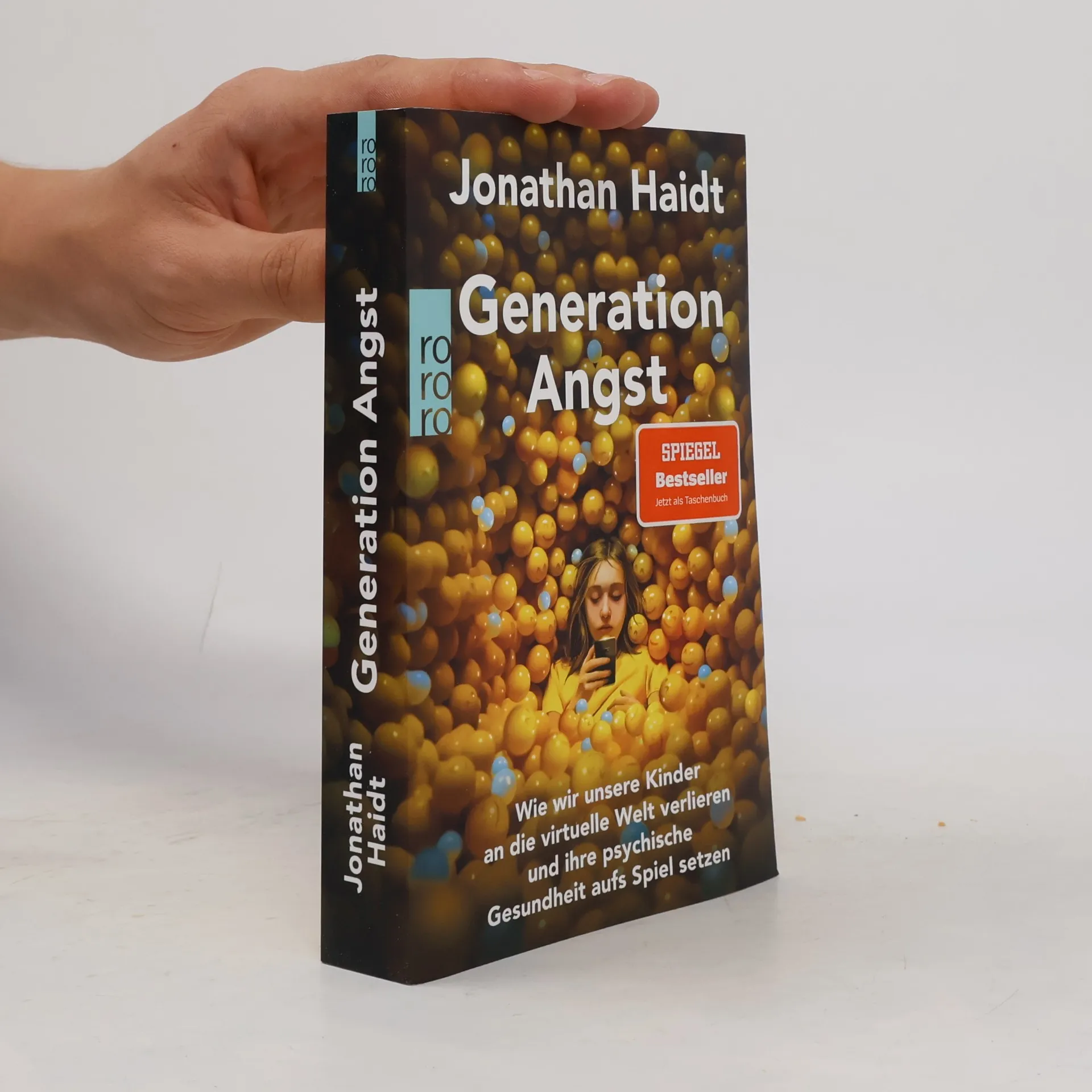
    • Generation Angst

      Wie wir unsere Kinder an die virtuelle Welt verlieren und ihre psychische Gesundheit aufs Spiel setzen

      • 448 stránek
      • 16 hodin čtení

      Die Taschenbuch-Ausgabe des Spiegel-Bestsellers Drei mediale Megatrends bestimmten die frühen 2010er-Jahre: Smartphones, Social-Media-Plattformen und die Selfie-Kultur. Das Ergebnis: Eine ganze Generation von Kindern und Jugendlichen verwendete mehrere Stunden am Tag darauf, durch die Beiträge von Influencer:innen und mehr oder weniger fremden Nutzer:innen zu scrollen, statt sich mit Menschen in ihrem unmittelbaren Umfeld auseinanderzusetzen. Die Mitglieder der Generation Z, die als Erste ihre Pubertät mit den neuen Medien in der Tasche durchlebten, wurden so zu Testpersonen für das Aufwachsen in einer radikal umgestalteten, zunehmend digitalen Umgebung. Die Folgen dieses Experiments waren, wie Jonathan Haidt auf Grundlage umfangreichen Datenmaterials zeigt, katastrophal – und sie betreffen auch die heute Heranwachsenden. Die schnellste und allumfassendste Neuverdrahtung menschlicher Beziehungen führte dazu, dass sich die mentale Gesundheit der Kinder und Jugendlichen rapide und dauerhaft verschlechtert hat. Dieser Entwicklung müssen wir jetzt entgegentreten: Haidt erklärt, was Regierungen, Schulen und Eltern tun können, um Kindern ein gesundes Aufwachsen zu ermöglichen.

      Generation Angst
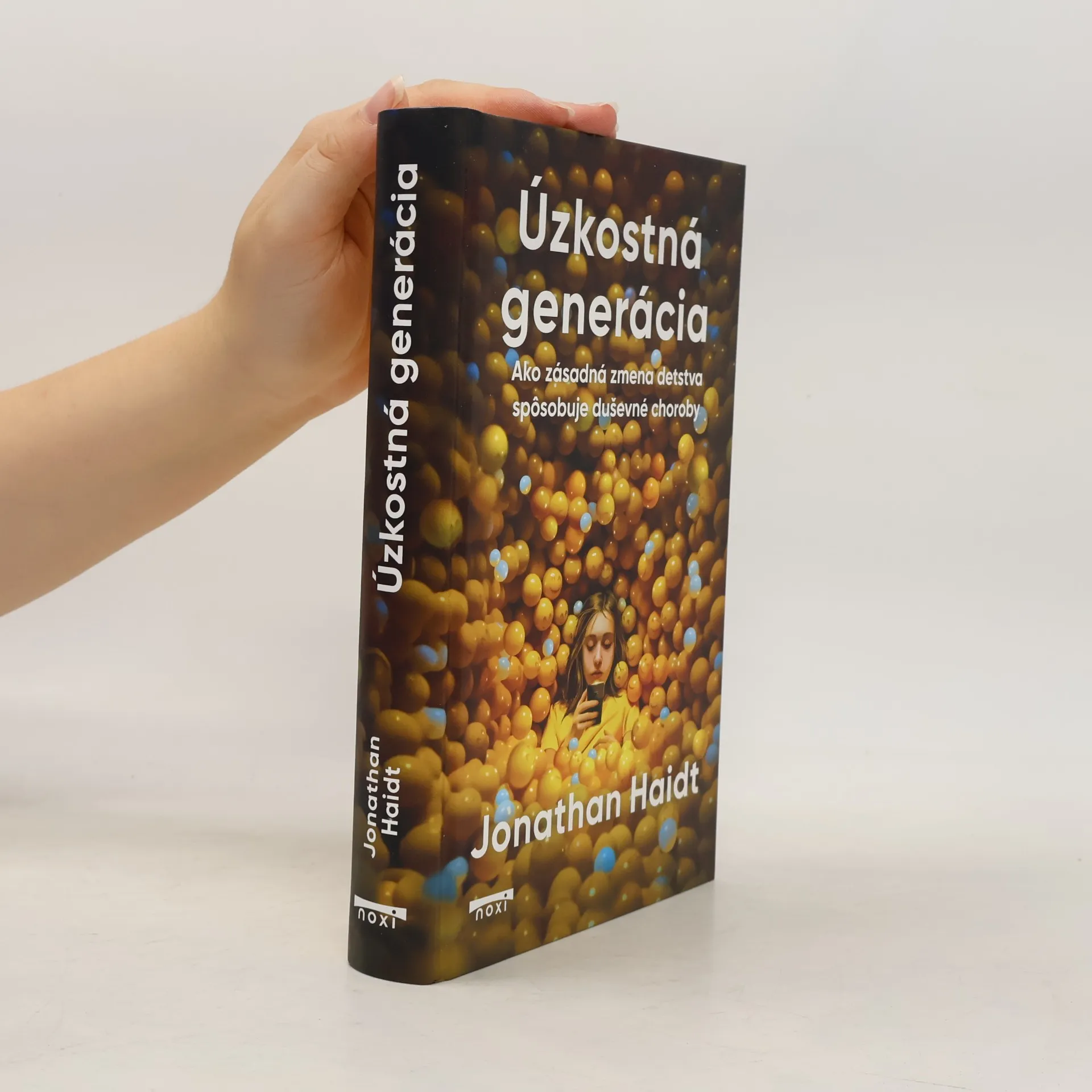
    • Úzkostná generácia

      • 376 stránek
      • 14 hodin čtení

      V knihe Úzkostná generácia sociálny psychológ Jonathan Haidt uvádza fakty o epidémii duševných chorôb dospievajúcich, ktorá zasiahla mnohé krajiny v rovnakom čase. Skúma podstatu detstva vrátane toho, prečo deti potrebujú hru a nezávislé skúmanie, aby dozreli na kompetentných a prosperujúcich dospelých. Ukazuje, ako detstvo založené na hre začalo upadať v 80. rokoch 20. storočia a ako ho napokon zlikvidoval príchod detstva založeného na telefóne začiatkom roka 2010. Predstavuje viac ako tucet mechanizmov, ktorými táto zásadná zmena detstva zasiahla do sociálneho a neurologického vývoja detí, pričom zahŕňa všetko od nedostatku spánku po trieštenie pozornosti, závislosť, osamelosť, porovnávanie sa s ostatnými na internete a perfekcionizmus. Vysvetľuje, prečo sociálne siete škodia viac dievčatám ako chlapcom a prečo sa chlapci sťahujú z reálneho do virtuálneho sveta, čo má katastrofálne dôsledky pre nich samých, ich rodiny a spoločnosť.

      Úzkostná generácia