


Knihobot

W. J. T. (William John Thomas) Mitchell

    24. březen 1942
    Das Klonen und der Terror
    Bildtheorie
    Extreme Music
    Mental Traveler - A Father, a Son, and a Journey through Schizophrenia
    Iconology
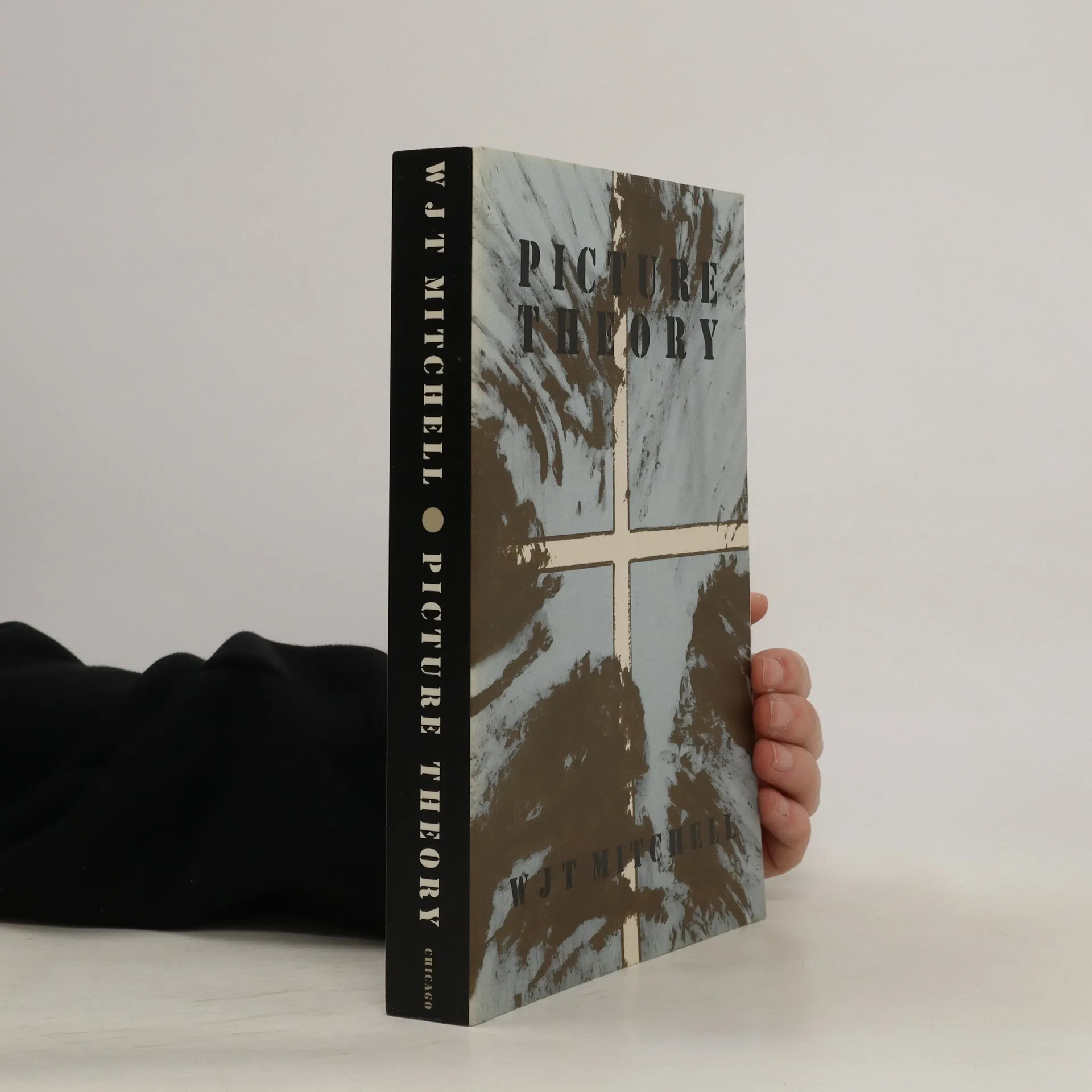
    Teorie obrazu: Eseje o verbální a vizuální reprezentaci
    • Publikace je souborem esejí, které se postupně věnují jednotlivým aspektům vztahu textu a obrazu. Mitchell rozebírá reprezentace obrazové i verbální, souvislosti obrazu a jazyka, a to vše dokládá na velmi široké škále praktických ukázek z každodenního života. Základem Mitchellova přístupu k obrazům (a nejen k nim) je interdisciplinarita: jeho hlavní argument pro multidisciplinární náhled vychází z obavy, že důkladná lingvistická interpretace obrazů fakticky brání jejich hlubšímu porozumění. Kouzlem textů je, že se v nich nenásilně potkávají William Blake, dinosauři z Jurského parku, Nelson Goodman, přímý přenos CNN, Spike Lee, Erwin Panofsky, ale také film Olivera Stonea. Zjednodušeně můžeme konstatovat, že Teorie obrazu propaguje vizuální gramotnost, a Mitchell v tomto svém textu dospívá k závěru, že obrazům, které nás obklopují, se sice nemůžeme bránit, ale můžeme jim lépe rozumět, a tak činit svět lepším. Kniha je vhodnou vstupní branou do světa obrazů, nástrojem a pomůckou pro lepší pochopení vizuální složky světa, ve kterém žijeme.

      Teorie obrazu: Eseje o verbální a vizuální reprezentaci
    • Iconology

      • 236 stránek
      • 9 hodin čtení
      4,0(151)Ohodnotit

      This is a book about the things people say about images. It is not primarily concerned with specific pictures and the things people say about them, but rather with the way we talk about the idea of imagery, and all its related notions of picturing, imagining, perceiving, likening, and imitating. It is a book about images, therefore, that has no illustrations except for a few schematic diagrams, a book about vision written as if by a blind author for a blind reader. If it contains any insight into real, material pictures, it is the sort that might come to a blind listener, overhearing the conversation the sighted speakers talking about images. My hypothesis is that such a listener might see patterns in these conversations that would be invisible to the sighted participant.

      Iconology
    • W. J. T. Mitchell's son Gabriel was diagnosed with schizophrenia at nineteen and died by suicide at thirty-eight, leaving behind a remarkable archive of creative work. As a father, Mitchell grapples with his skepticism about psychiatry while witnessing his son’s struggles with mental illness. He seeks to understand and bear witness to Gabe's journey, navigating the complexities of loving a gifted but delusional child. Gabe's story offers valuable insights for parents and caregivers of the mentally ill, as well as those interested in mental illness as a social and political identity. He aspired to create a film that would portray madness from multiple perspectives, challenging stereotypes and stigma while highlighting the subjective experiences shared by all. Gabe aimed to transform schizophrenia from a death sentence into a learning experience, exploring various representations of madness—from the monster to the magician, the clown to the kook, and beyond. This narrative invites readers to learn from Gabe's quest for redemption within his madness, while also serving as a poignant testament to a father's love and a family's resilience.

      Mental Traveler - A Father, a Son, and a Journey through Schizophrenia
    • Expand your aural and sensory experiences with an exploration of tomorrow's sounds (and silences) today. Michael Tau has dedicated years to the extremes of musical expression, culminating in a comprehensive study of the sounds and silences that challenge conventional definitions of music. He categorizes these recorded sounds into sections, inviting both fans and newcomers to delve into the intriguing world of musicians who defy norms. Covering a wide array of extremes—volume, speed, vulgarity, packaging, recording methods, unplayable media, outdated technologies, and digital innovations—Tau poses thought-provoking questions: Are all sounds music? Is silence music? Can a plate of rotting food, once cataloged and sold, be considered music? The work features over 100 interviews with creators and musicians, utilizing Tau's background in psychiatry to explore the motivations behind non-mainstream music. As a fan of avant-garde genres, he reveals the joys, pains, and frustrations found at the fringes of music. This guide is perfect for curious seekers, die-hard fans, and cultural investigators, complete with images and curated links to music samples.

      Extreme Music
    • Bildtheorie

      • 497 stránek
      • 18 hodin čtení
      4,5(4)Ohodnotit

      Was sind Bilder und wie unterscheiden sie sich von Worten? In einer Zeit, in der die Macht des Sichtbaren größer ist als je zuvor, stellt W. J. T. Mitchell, ein Pionier der „Visual Culture Studies“, diese Fragen in bahnbrechenden Aufsätzen, die als Klassiker der bildwissenschaftlichen Forschung gelten. Er untersucht das Zusammenspiel von Sichtbarem und Sagbarem in verschiedenen kulturellen Bereichen, von Literatur über bildende Kunst bis zu Massenmedien. Dabei analysiert er grundlegende theoretische Texte von Plinius bis Foucault sowie zahlreiche Produkte der Hoch- und Alltagskultur. Die Frage „Was sind Bilder?“ wandelt sich in die Frage nach ihrer Faszination und der Macht, die sie über uns ausüben. Warum verhalten wir uns, als ob Bilder lebten und uns beeinflussen könnten? Trotz ihrer Bedeutung für die internationale Bildforschung sind Mitchells Arbeiten in Deutschland wenig bekannt, da keines seiner Bücher bislang in deutscher Sprache vorliegt. Der vorliegende Band schließt diese Lücke und bietet neue Impulse für die Debatten um Gottfried Boehms „Iconic Turn“, Hans Beltings Bildanthropologie und Horst Bredekamps reformierte Kunstgeschichte. Die Auswahl dokumentiert Mitchells wichtigste Beiträge der letzten 20 Jahre, beginnend mit „Iconology“ von 1986 bis zu „What do pictures want?“ aus 2005.

      Bildtheorie
    • Suhrkamp, Berlin, (2011). 288 S., 21 cm, Pappband mit Schutzumschlag - neuwertig / original verlagsfrisch verschweit -

      Das Klonen und der Terror