

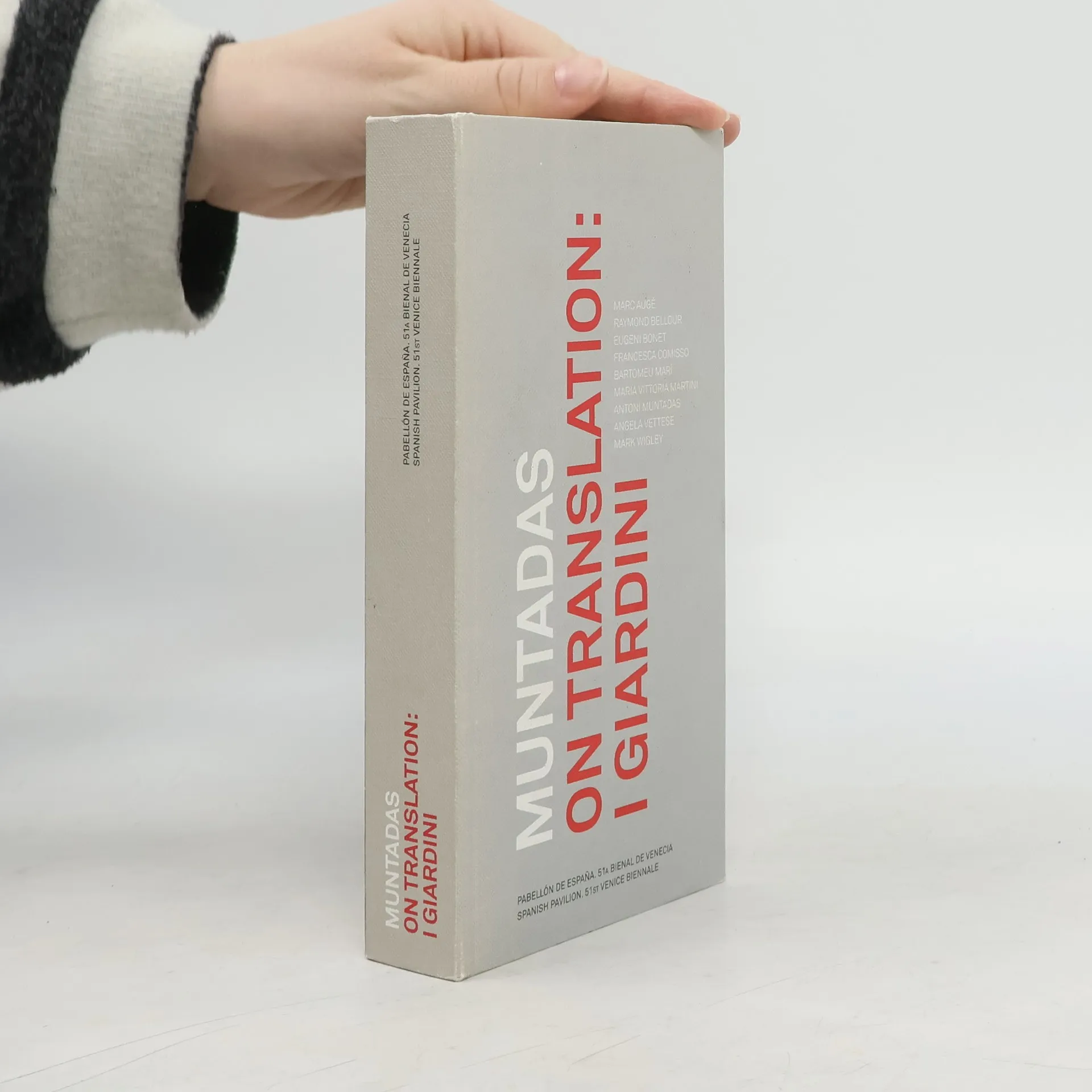
In a year when Spanish curators directed the Venice Biennale for the first time, Antoni Muntadas, representing Spain in the Spanish pavilion, told a reporter that the Biennale "takes its ideas from international fairs. It connotes the theme park. There was exoticism, invention, the new... but by now it is an obsolete structure." Muntadas's On I Giardini, the latest in a series of often site-specific On Translation projects completed over the last 10 years, is here documented from its inception. Translation is a metaphor, as Muntadas states, "I am not talking about translation in a literal sense, but in a cultural sense--how the world we live in is a totally translated world, everything is always filtered by some social, political, cultural and economic factor... by the media, of course, by context and by history." Accordingly, I Giardini looks into the context and history of the Biennale's Giardini del Castello, delving into the transformations and "translations" it has undergone over time, and investigating Venice's status and the space that frames the Biennale. Muntadas notes, for instance, that a new Italian pavilion built on Mussolini's orders was replaced again after the war.
Antoni Muntadas Knihy
Antoni Muntadas je všestranný mediální umělec, jehož dílo zkoumá vztahy mezi uměním, technologií a společností. Jeho umělecký přístup se často zaměřuje na kritické zkoumání mediálních systémů a jejich vlivu na naše vnímání světa. Prostřednictvím různých médií, od instalací po videa, Muntadas podněcuje diváky k zamyšlení nad způsoby, jakými jsou informace a obrazy prezentovány a konzumovány. Jeho práce vyznačuje hloubka myšlenek a univerzální témata, která rezonují napříč kulturami.
Ladies & Gentlemen
- 164 stránek
- 6 hodin čtení
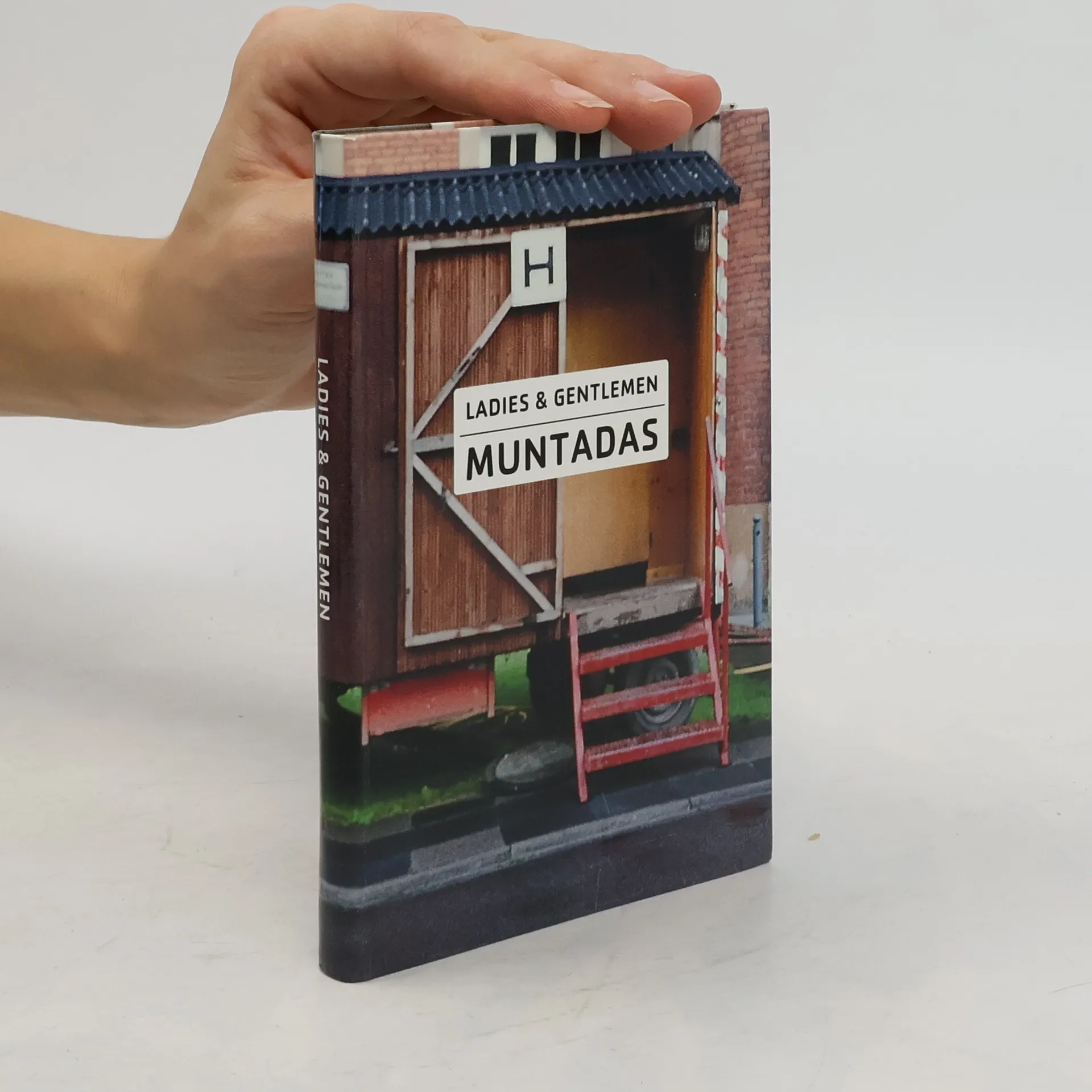
"Men's Room." "Women's Room." We see these signs everywhere, every day, so much that we take them for granted. New York-based photographer Antoni Muntadas, however, has taken photographs of these signs all over the world, and they are published in Ladies & Gentlemen. As we turn page after page of these signs in different languages, signs with different graphics, we are not only amused, but we realize that these symbols have been transformed into gender symbols that refer to a universally accepted gender division. Virtually without text, this volume simply presents the images for what they signifiers of public spaces that exist for a private function.
Of Bridges & Borders: Édition Anglaise
- 408 stránek
- 15 hodin čtení
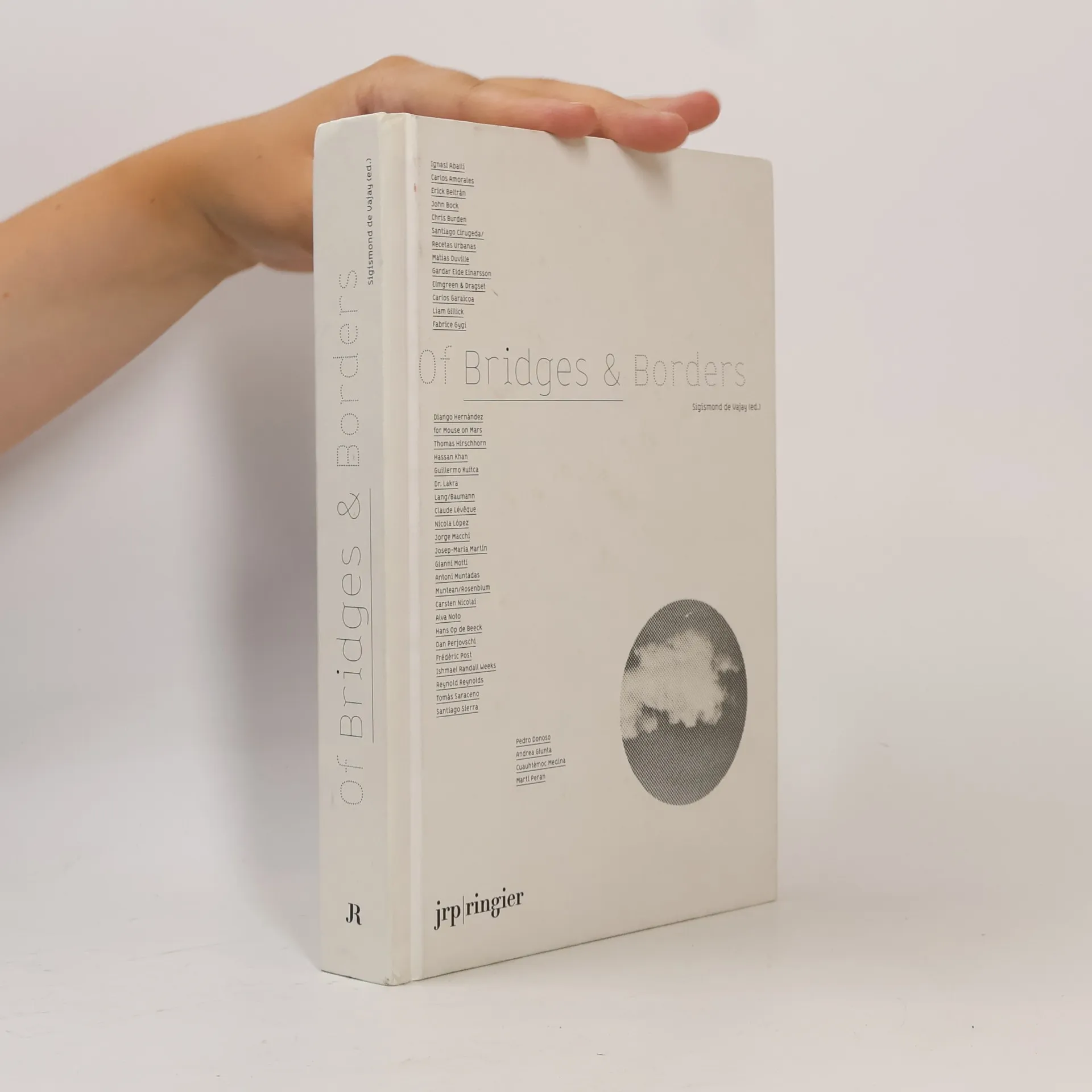
Of Bridges & Borders celebrates the opening up of communication ("bridges") among writers and artists worldwide following the collapse of the Berlin Wall (the primary border referred to in the title), to mark the emergence of a new collective memory in the age of global connectivity. Described as "a project in book form," its numerous contributors include Carlos Amorales, John Bock, Chris Burden, Matias Duville, Gardar Eide Einarsson, Elmgreen & Dragset, Carlos Garaicoa, Liam Gillick, Fabrice Gygi, Thomas Hirschhorn, Hassan Khan, Guillermo Kuitca, Dr. Lakra, Gianni Motti, Antoni Muntadas, Carsten Nicolai, Alva Noto, Hans Op de Beeck, Dan Perjovschi, Ishmael Randall Weeks, Reynold Reynolds and Santiago Sierra.