

Knihobot

G. W. Bowersock

    Glen Warren Bowersock je současný americký badatel antického světa. Jeho rozsáhlé publikace pokrývají řecké, římské a blízkovýchodní dějiny a kulturu, stejně jako klasickou tradici. Zaměřuje se na historické a kulturní aspekty antiky a na její trvalý vliv.

    The Crucible of Islam
    Life of Apollonius
    Julian the Apostate
    • Julian the Apostate

      • 152 stránek
      • 6 hodin čtení
      3,8(57)Ohodnotit

      This portrayal of one of antiquity’s most enigmatic figures offers a vivid and compact assessment of the Apostate’s life and reign. Proceeding directly from an evaluation of the ancient sources―the testimony of friends and enemies of Julian as well as the writings of the emperor himself―the author traces Julian’s youth, his years as the commander of the Roman forces in Gaul, and his emergence as sole ruler in the course of a dramatic march to Constantinople. In G. W. Bowersock’s analysis of Julian’s religious revolution, the emperor’s ardent espousal of a lost cause is seen to have made intolerable demands upon pagans, Jews, and Christians alike.

      Julian the Apostate
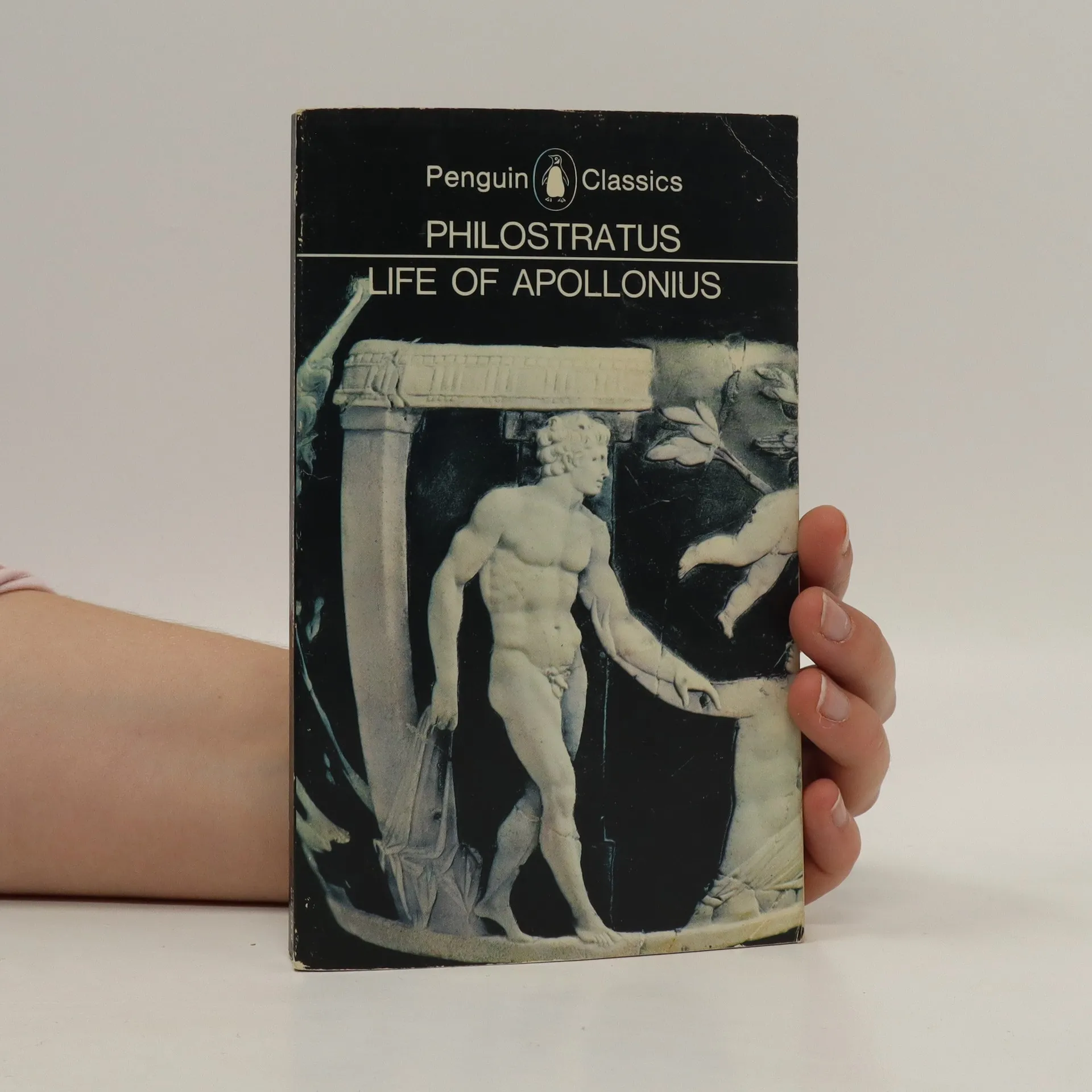
    • Apollonius is said to have been born in the early years of the Christian era in Cappadocia and according to Philostratus he raised the dead, healed the sick and ascended bodily into heaven. He was, as Professor Bowersock explains in his introduction, one of life's committed non-conformists who became a figure of importance in the great struggle of the pagans against the Christians. Later St. Augustine himself rebuked the foolishness of those who ranked Apollonius above Jesus Christ.

      Life of Apollonius
    • The Crucible of Islam

      • 220 stránek
      • 8 hodin čtení

      Little is known about Arabia in the sixth century CE. Yet from this distant time and place emerged a faith and an empire that stretched from the Iberian peninsula to India. Today, Muslims account for nearly a quarter of the global population. G. W. Bowersock seeks to illuminate this most obscure and yet most dynamic period in the history of Islam from the mid-sixth to mid-seventh century exploring why arid Arabia proved to be such fertile ground for Muhammad s prophetic message, and why that message spread so quickly to the wider world. In Muhammad's time Arabia stood at the crossroads of great empires, a place where Christianity, Judaism, and local polytheistic traditions vied for adherents.

      The Crucible of Islam