

Mít odpuštěné hříchy je úžasné. Strávit věčnost s Bohem je skvělé. Ale proč je tedy křesťanský život takový zápas? Protože odpuštění představuje jen část evangelia! TAJEMSTVÍ EVANGELIA nespočívá v tom, že se snažíme být z vlastních sil "dobrými" křesťany, ale v tom, že Kristus, který je v nás, žije naším prostřednictvím, zatímco v Něm odpočíváme.
Greg Smith Knihy




Having Gods forgiveness is wonderful. Spending eternity with God is great. But for now, where is the abundant life Jesus promised? Why is the Christian life such a struggle? Because getting forgiven is only half of the gospel The Rest of the Gospel is not us striving on our own to be good Christians, but Christ in us, living His life through us as we rest in Him.
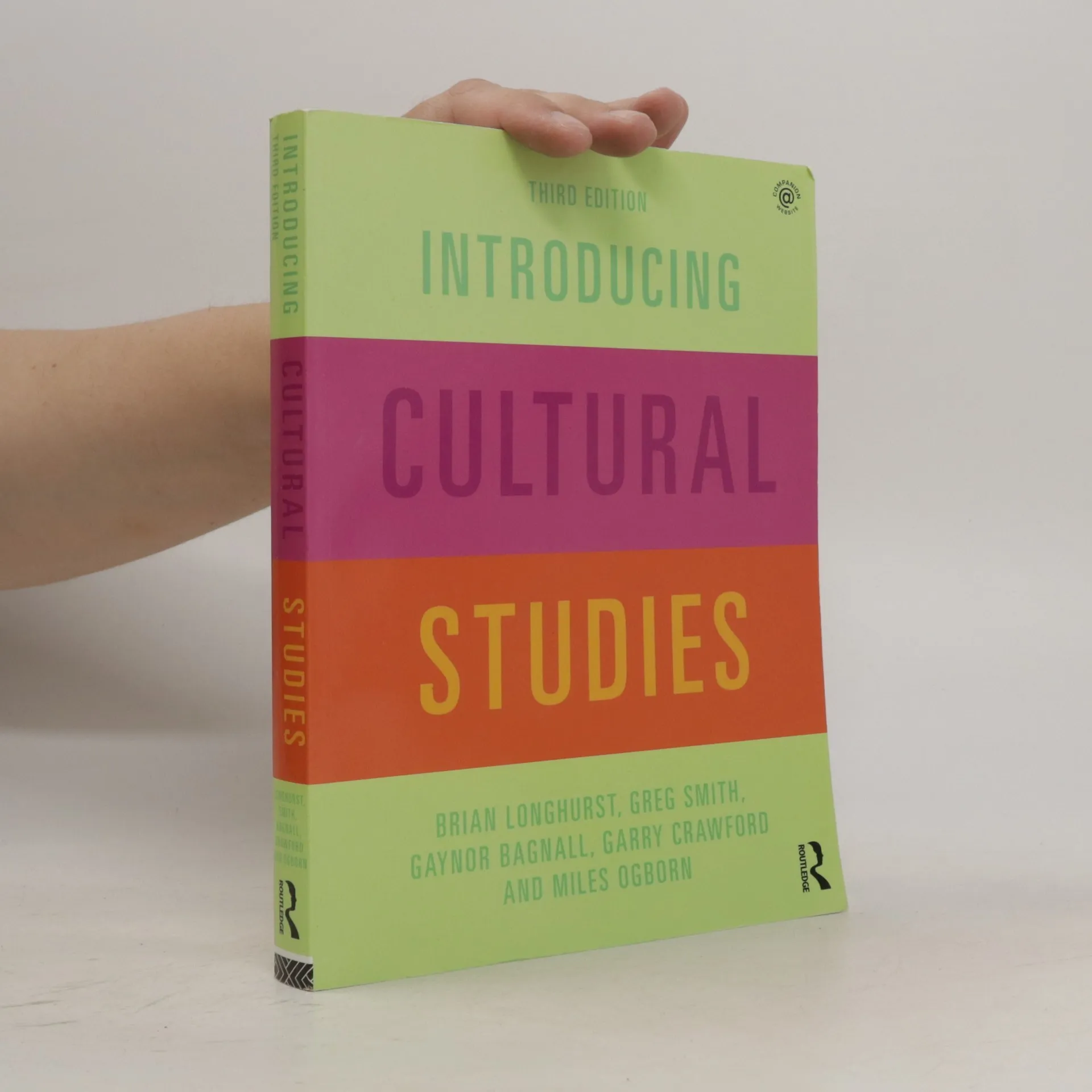
Introducing Cultural Studies
- 488 stránek
- 18 hodin čtení
Culture and cultural studies -- Culture, communication and representation -- Culture, power, globalization and inequality -- Consumption, collaboration and digital media -- Researching culture, communication and media -- Topographies of culture: geography, meaning and power -- Politics and culture -- Cultured bodies -- Audiences, fans, subcultures and postsubcultures -- Visual culture
On March 14, 2012, Greg Smith's Op-Ed in the New York Times, "Why I Am Leaving Goldman Sachs," captured the attention of over three million readers, triggering widespread discussion and debate. The piece resonated with the public's growing skepticism about Wall Street's role in society and the prevailing "take-the-money-and-run" mentality that contributed to the economic crisis. Smith's narrative begins in 2000 when he joins Goldman Sachs as an idealistic intern, embracing the firm's principle that clients' interests come first. As he rises through the ranks to become a sales trader, he experiences the highs and lows of the financial world, from the tech bubble to the real estate boom, and even encounters Warren Buffett during a critical moment for the firm. Smith vividly recounts how Goldman Sachs transformed from an institution that took iconic companies public into a "vampire squid" that viewed clients as "muppets," culminating in a record settlement with the SEC. He illustrates the industry's shift towards conflicts of interest and a profit-at-all-costs mentality, portraying Wall Street as a rigged game detrimental to the economy and society. After unsuccessful attempts to instigate change through discussions with partners, Smith realized that true reform could only come from an insider's public revelation. He ultimately chose to leave his career and share his story.
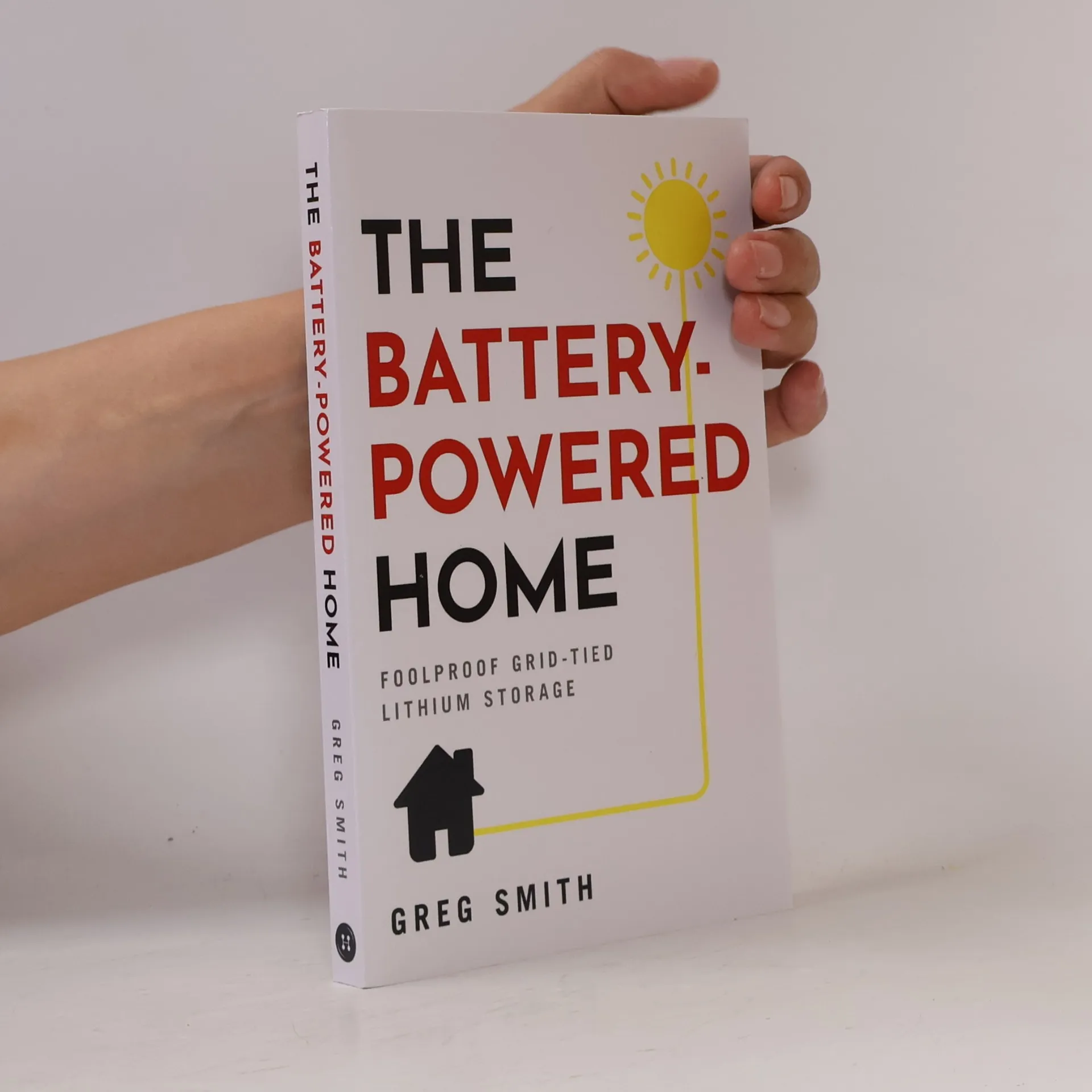
Do you size, design, or sell solar and storage systems? Would your customers consider those systems 100 percent successful? Pick up The Battery-Powered Home and turn your solar and storage customers into the best lead generators you could ask for. Written by a solar-and-storage technical trainer with more than thirteen years of experience, The Battery-Powered Home identifies the most common industry mistakes that lead to unhappy customers, lost revenue, and diminished reputation. Learn how to avoid these pitfalls and delight your customers, properly sizing and designing each solar and storage system while informing and driving your customers' expectations. The companies that follow these proven strategies report success rates as high as 100 percent, with dramatically fewer service calls and far happier homeowners. Grab your copy of The Battery-Powered Home and feel confident that each new customer will have a solar and storage system that can keep the power on for as long as they need.