Norman Rockwell
- 96 stránek
- 4 hodiny čtení
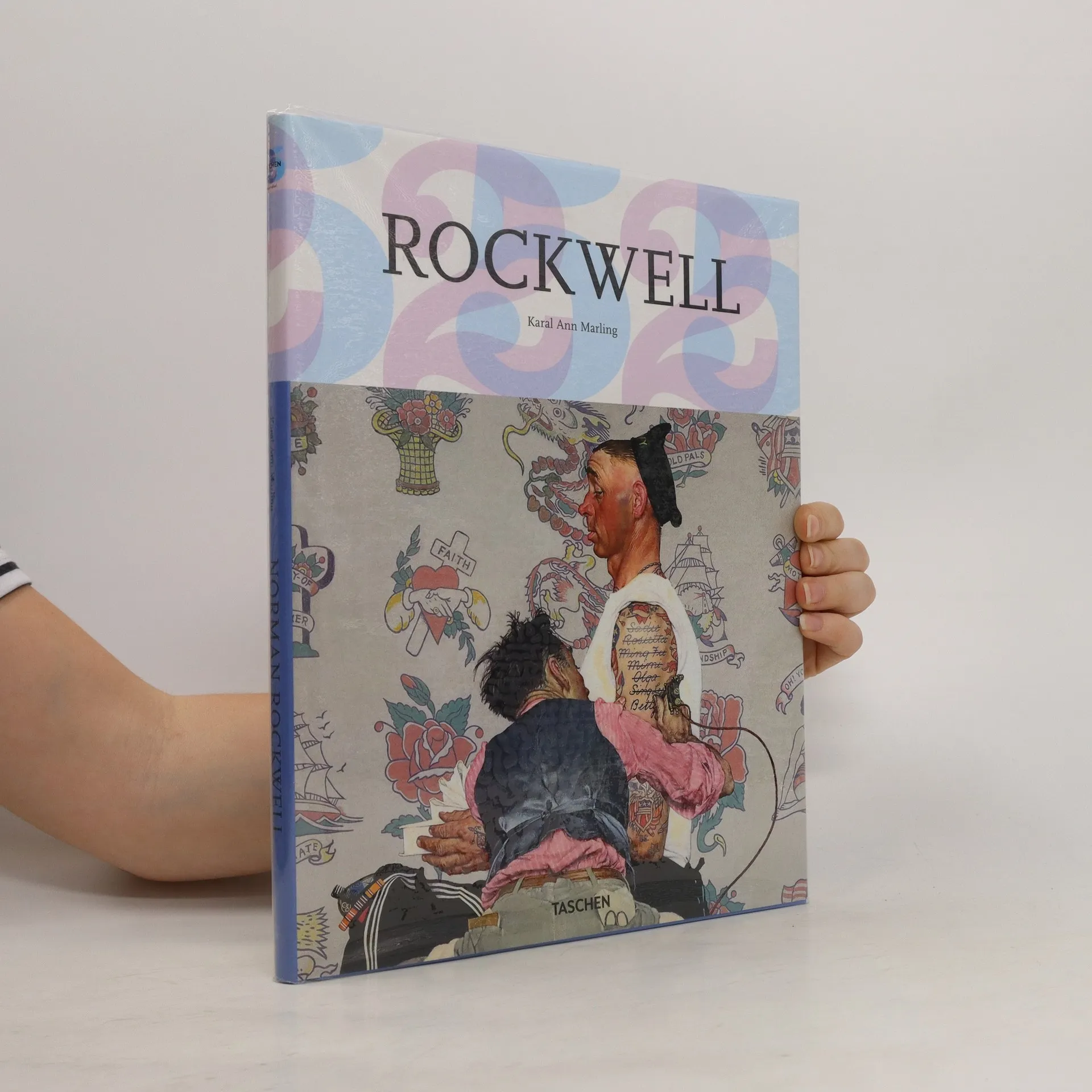
This book features a detailed chronological summary of the artist's life and work.


Karal Ann Marling je profesorkou dějin umění a amerických studií na Minnesotské univerzitě. Je autorkou mnoha knih, které se zabývají mimo jiné americkým nástěnným malířstvím z období Velké hospodářské krize, ilustracemi 40. let, architekturou zábavních parků a vlivem televize na vizuální kulturu 50. let. Její práce se ponořuje do vizuální historie a zkoumá, jak umění a kultura formovaly americkou identitu. Prostřednictvím jejích studií získáváme hlubší porozumění vizuálním projevům a jejich společenskému dopadu.

This book features a detailed chronological summary of the artist's life and work.
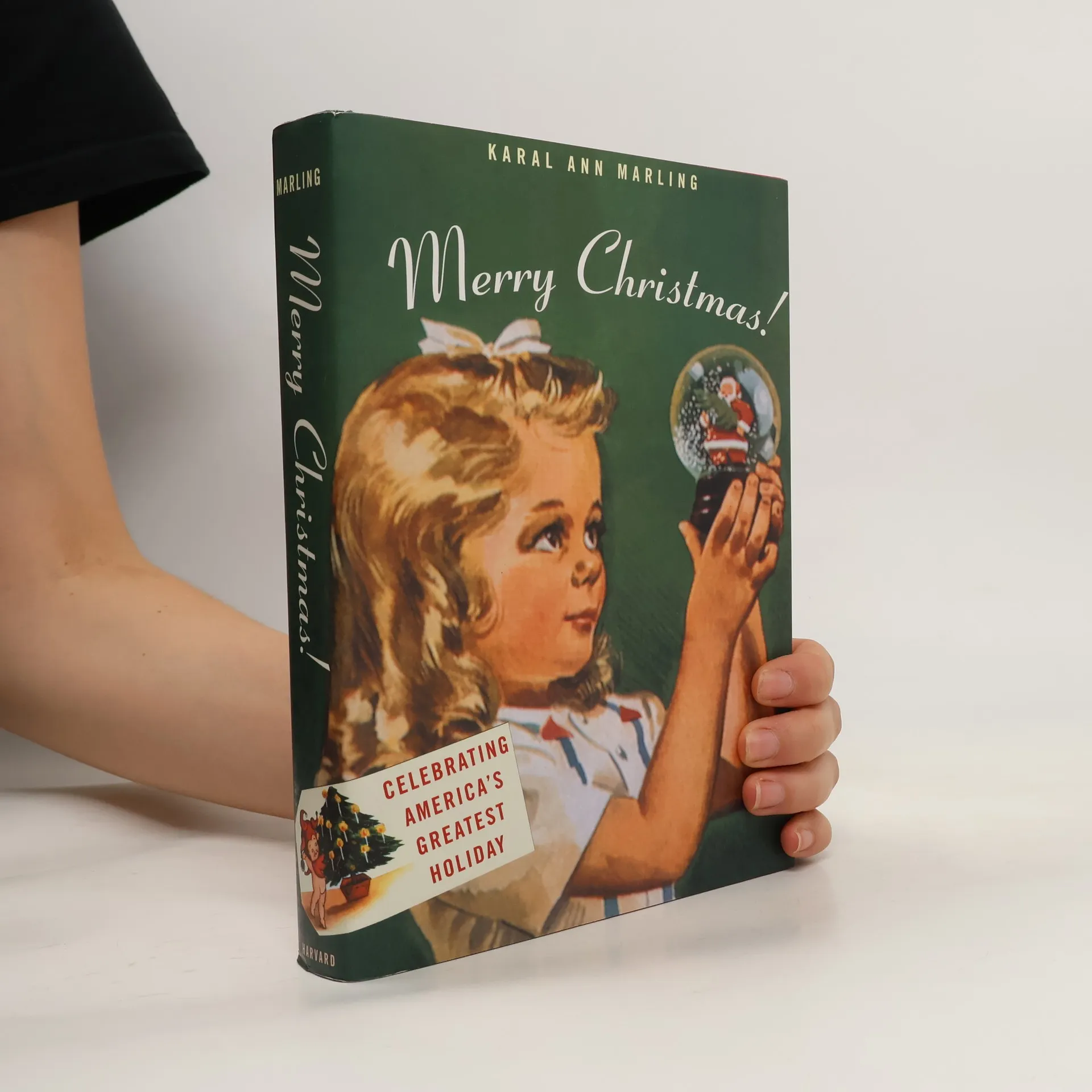
Describes the outsize spectacle that Christmas has become, showing the provenance and significance of each of its essential parts: the decorated trees and holiday lights, the cards and gifts and wrapping papers, the toy villages and store displays and Macy's holiday parade, Bing Crosby and Santa Claus. Includes information on Dayton department stores' Santabear
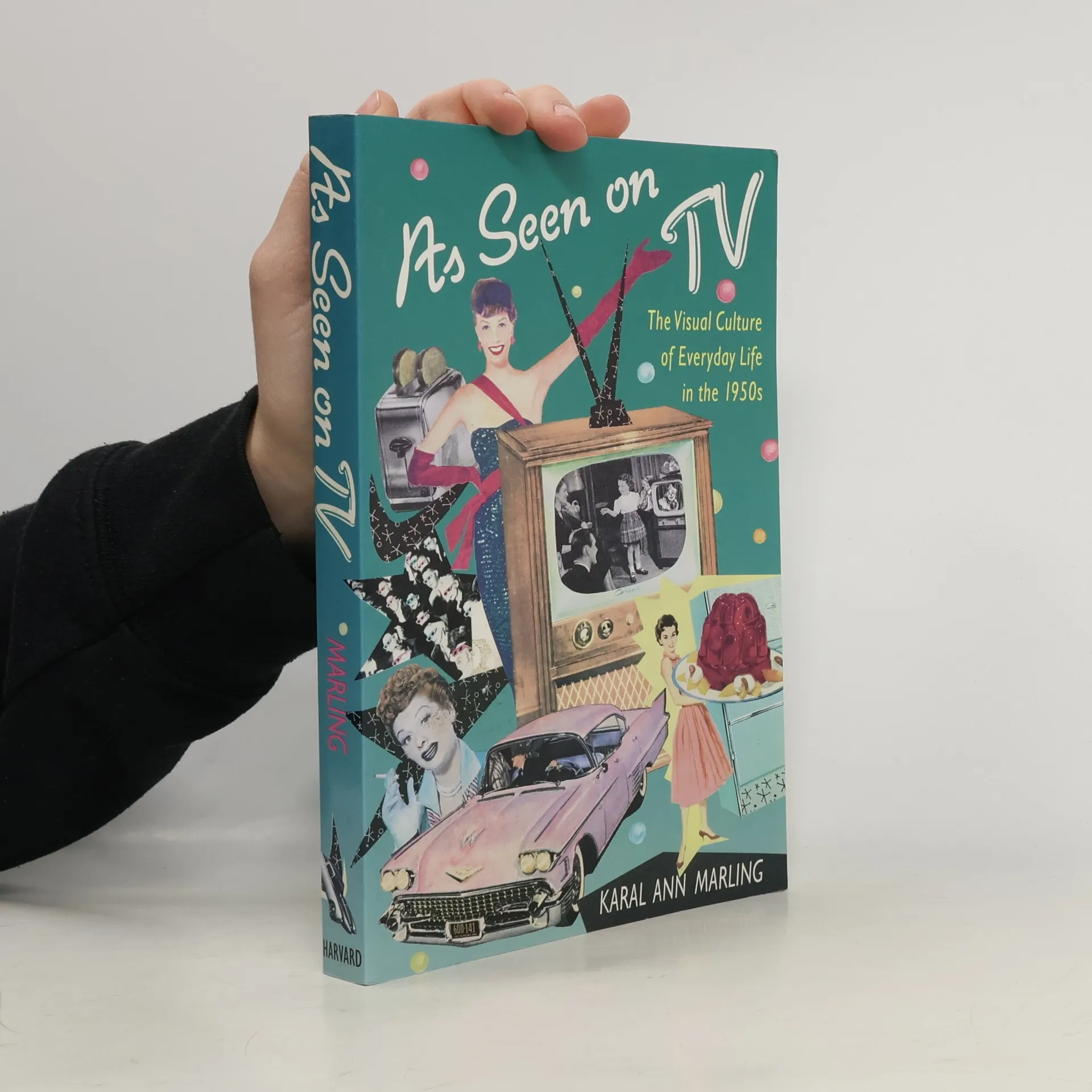
Discusses popular culture in the United States after the invention of the television.
Without a detailed description, it's challenging to provide a specific summary. However, "Graceland" often explores themes of identity, belonging, and the complexities of life in a changing cultural landscape. It may feature characters navigating their dreams and struggles, set against a backdrop that reflects personal and societal challenges. The narrative could intertwine elements of music, family dynamics, and the pursuit of hope in difficult circumstances.
Perhaps Norman Rockwell will always be saddled with the reputation of a sentimental magazine illustrator who airbrushed American reality. But art historian Karal Ann Marling's generous reassessment strives with considerable success to rescue Norman Rockwell (1894-1978) from cultural cliché. "Rockwell fits readily into the grand continuum of realist masters," she contends persuasively. His life had its share of hardships, Marling notes, including his wife's alcoholism and his own bouts of depression; his depiction of American society became more somber over time and eventually led to his break with the Saturday Evening Post . Handsome reproductions of all of the famous images brace her argument.