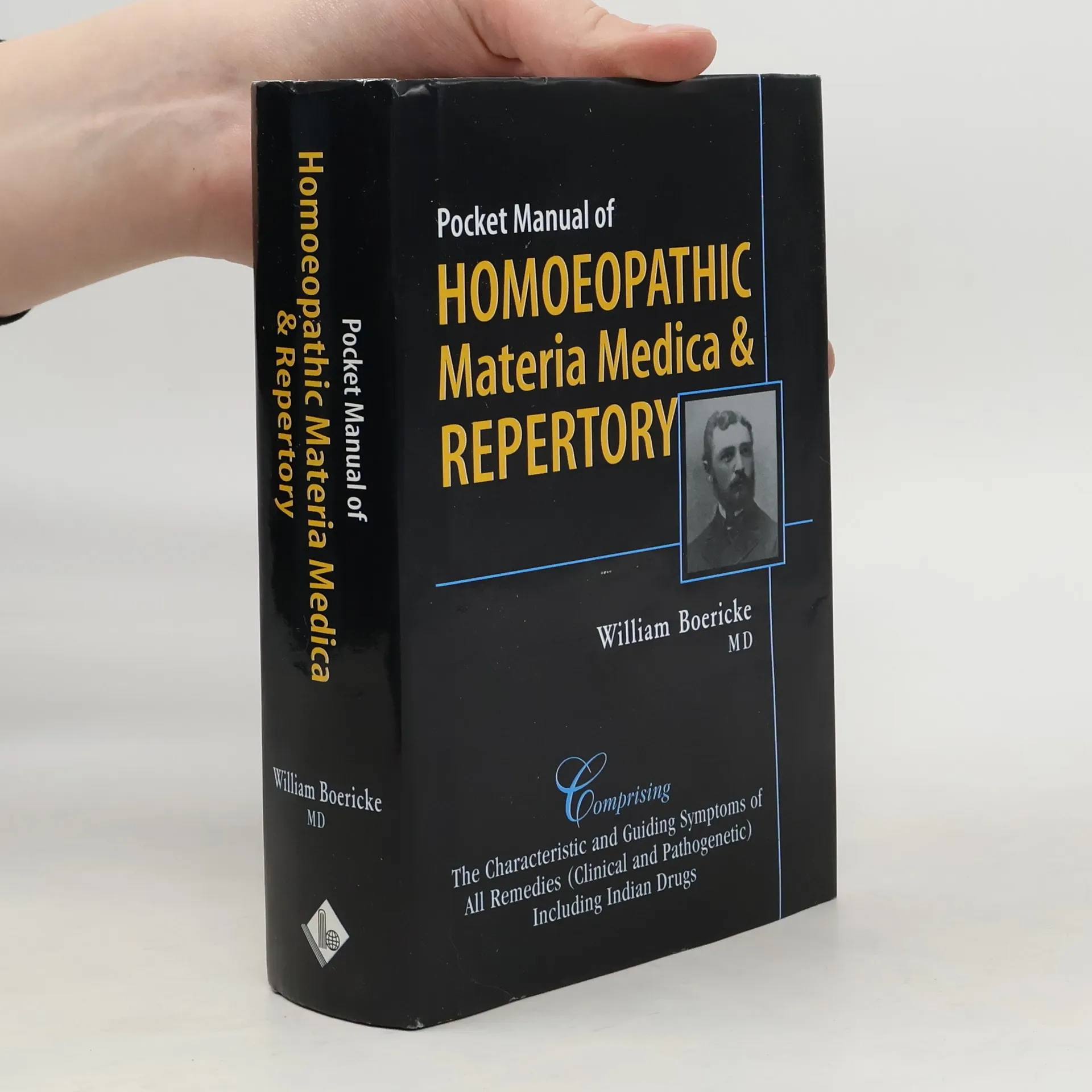
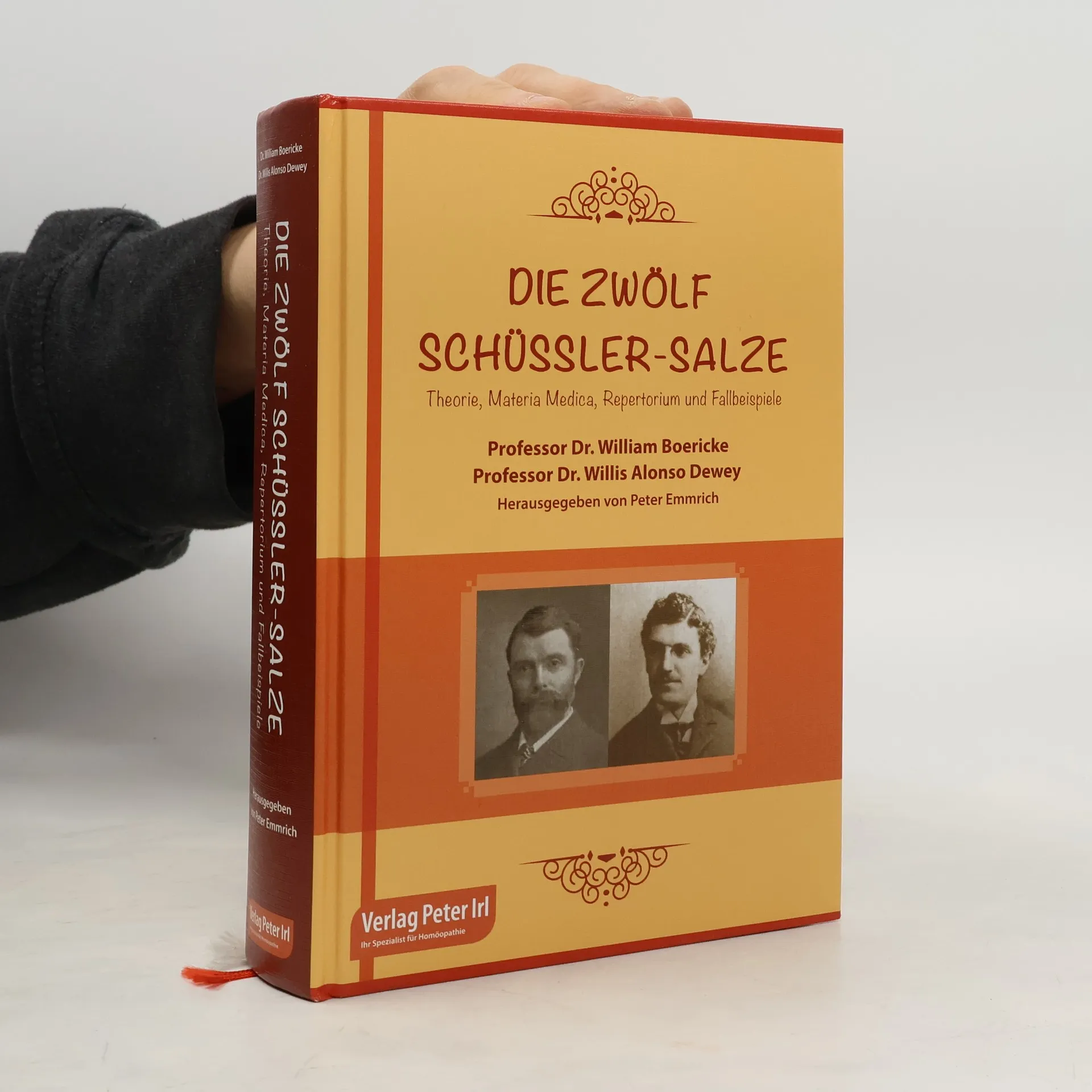
Kniha dvou amerických lékařů obsahuje popis téměř osmi set léků. Jedná se o popis stručný a výstižný, zahrnující všechny podstatné znaky léků. V témž svazku je připojeno 300 str.Repertorium. Určeno pro rychlou orientaci v případu a pro klinickou praxi.
Kniha dvou amerických lékařů obsahuje popis téměř osmi set léků. Jedná se o popis stručný a výstižný, zahrnující všechny podstatné znaky léků. V témž svazku je připojeno 300 str.Repertorium. Určeno pro rychlou orientaci v případu a pro klinickou praxi.
A book on homeopathy. It contains the well-known verified characteristics and symptoms of our medicines besides other less important symptoms aiding the selection of the curative remedy.
A treatise that contains all that Schussler wrote on the subject. It covers topics such as: Introduction; History; The Theory; Health & Diseases; Preparation; Dose, Biochemic and Homeopathic relationship; and, Materia medica of the twelve tissue remedies, symptoms, common name, chemical data, general action, and characteristic indications.
Gives abbreviations and names of drugs that have been standardised according to synthesis in the whole text. This title introduces, under contents, an index of the drugs in both common and Latin names.
Gives abbreviations and names of drugs that have been standardised according to synthesis in the whole text. This title introduces, under contents, an index of the drugs in both common and Latin names.
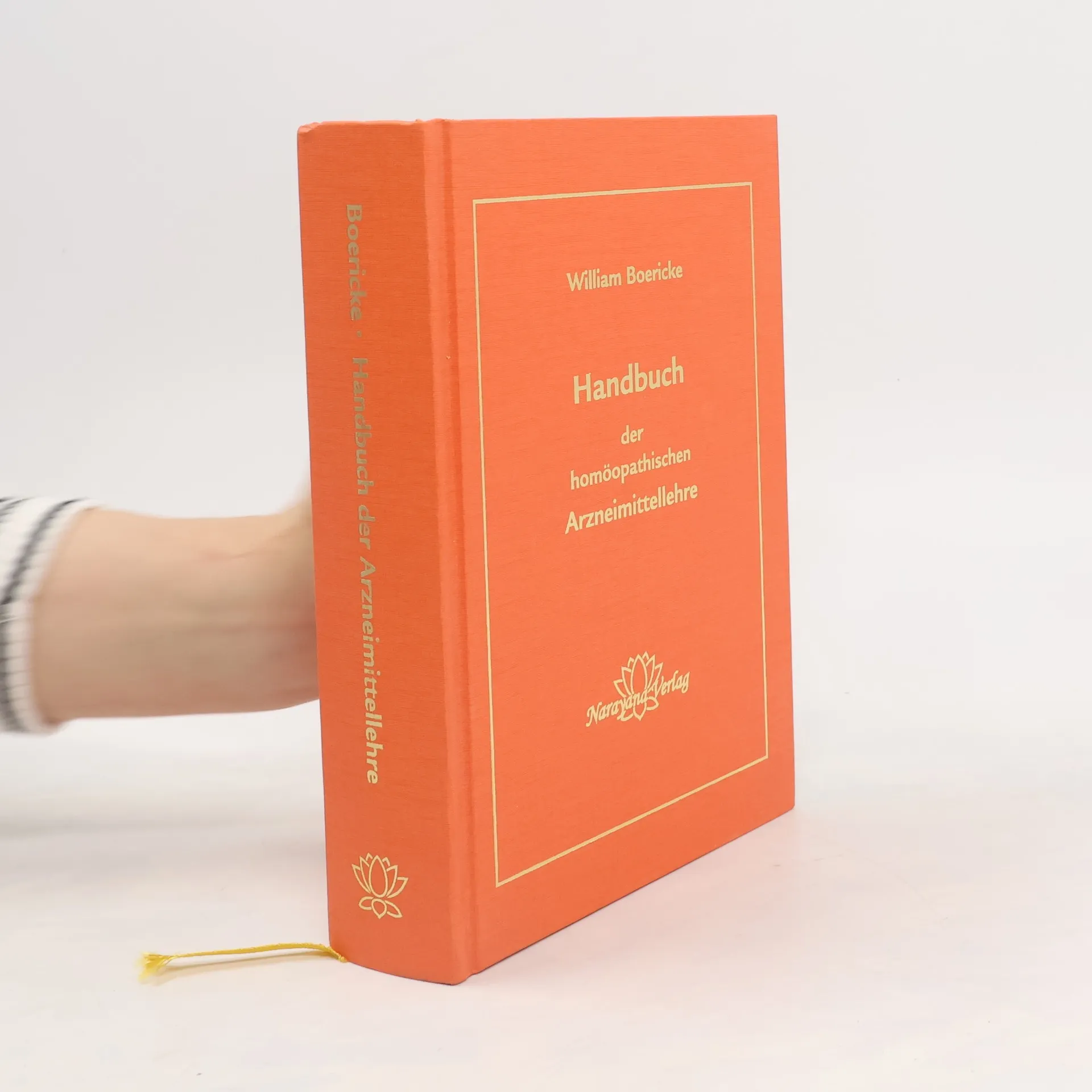
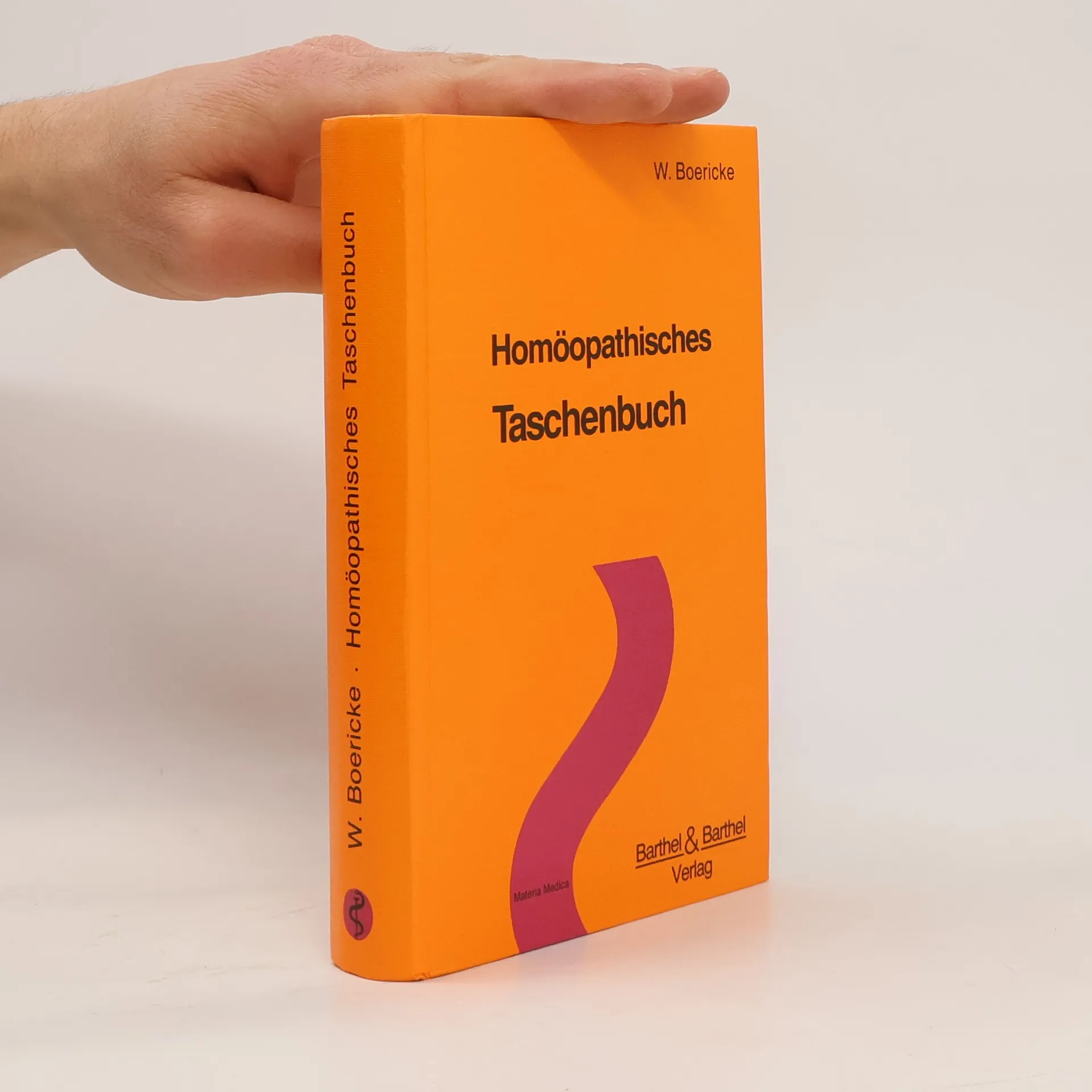
Hochwertige Taschenbuchausgabe mit Dünndruckpapier, Format 120 x 170 mm, Buchdicke 25mm. Trotz des kleinen Formats bleibt die Lesbarkeit hervorragend. Der Einband ist weich und geschmeidig, was den Leser begeistert. „Der Boericke“ ist eine umfassende Arzneimittellehre, die in der Anzahl der beschriebenen Mittel selbst mehrbändige Enzyklopädien übertrifft und dennoch handlich bleibt. Die prägnante Darstellung jedes Mittels ermöglicht die Auffindbarkeit seltener und kleiner Mittel. Diese Neuübersetzung ist die preislich günstigste und umfassendste Ausgabe, in der alle kleinen Mittel alphabetisch integriert und mit einem Sternchen gekennzeichnet sind. Das macht die Suche nach einem Mittel deutlich praktischer. Insgesamt umfasst die Ausgabe mehr als 1.200 Mittel, wobei pflanzliche Mittel nach neuerer und älterer botanischer Nomenklatur sowie ihrer Familienzugehörigkeit aufgeführt sind. Über 80 neue Arzneimittel sind hinzugekommen, darunter Entdeckungen von renommierten Homöopathen. Zudem werden bei fast 800 Mitteln Farbvorlieben angegeben, was das Werk einzigartig macht. Die fünfte erweiterte Ausgabe enthält zusätzliche Mittel, deren Eigenschaften kürzlich erforscht wurden, darunter radioaktive Substanzen, die sich bei schweren Bluterkrankungen bewährt haben. Die neu hinzugefügten Mittel sind in grauer Textfarbe hervorgehoben.
In seiner praxisgerechten Konzeption und Kompaktheit ist „Der Boericke“ einer der großen Klassiker unter den homöopathischen Arzneimittellehren. Das Werk gehört zu jenen, die alle „intrahomöopathischen“ Stürme und Zeiterscheinungen überdauert haben. Es ist, was die Anzahl der aufgeführten Arzneien betrifft, über den täglichen Gebrauch hinaus fast komplett und zeigt deren Charakteristika kompakt und übersichtlich. Zahlreiche Fußnoten vermitteln wichtige Zusatzinformationen; ein Glossar, in dem heute nicht mehr gebräuchliche klinische Begriffe ausführlich erläutert werden, rundet das Werk ab. "Den guten homöopathischen Arzt erkennt man daran, dass auf der einen Seite seines Schreibtisches der 'Kent' und auf der anderen der 'Boericke' liegt. (A. Voegeli)" Auch als preisreduzierte Jubiläumsausgabe erhältlich!
Das „Pocket Manual of Homoeopatic Materia Medica“ von William Boericke ist weltweit eines der am meisten benutzten Nachschlagewerke der Homöopathie. Zwei Indizes, wissenschaftliche und deutsche Mittelbezeichnungen, erleichtern die Benutzung des Werkes. Ein Therapeutischer Index ermöglicht die schnelle Orientierung bei charakteristischen Symptomen.
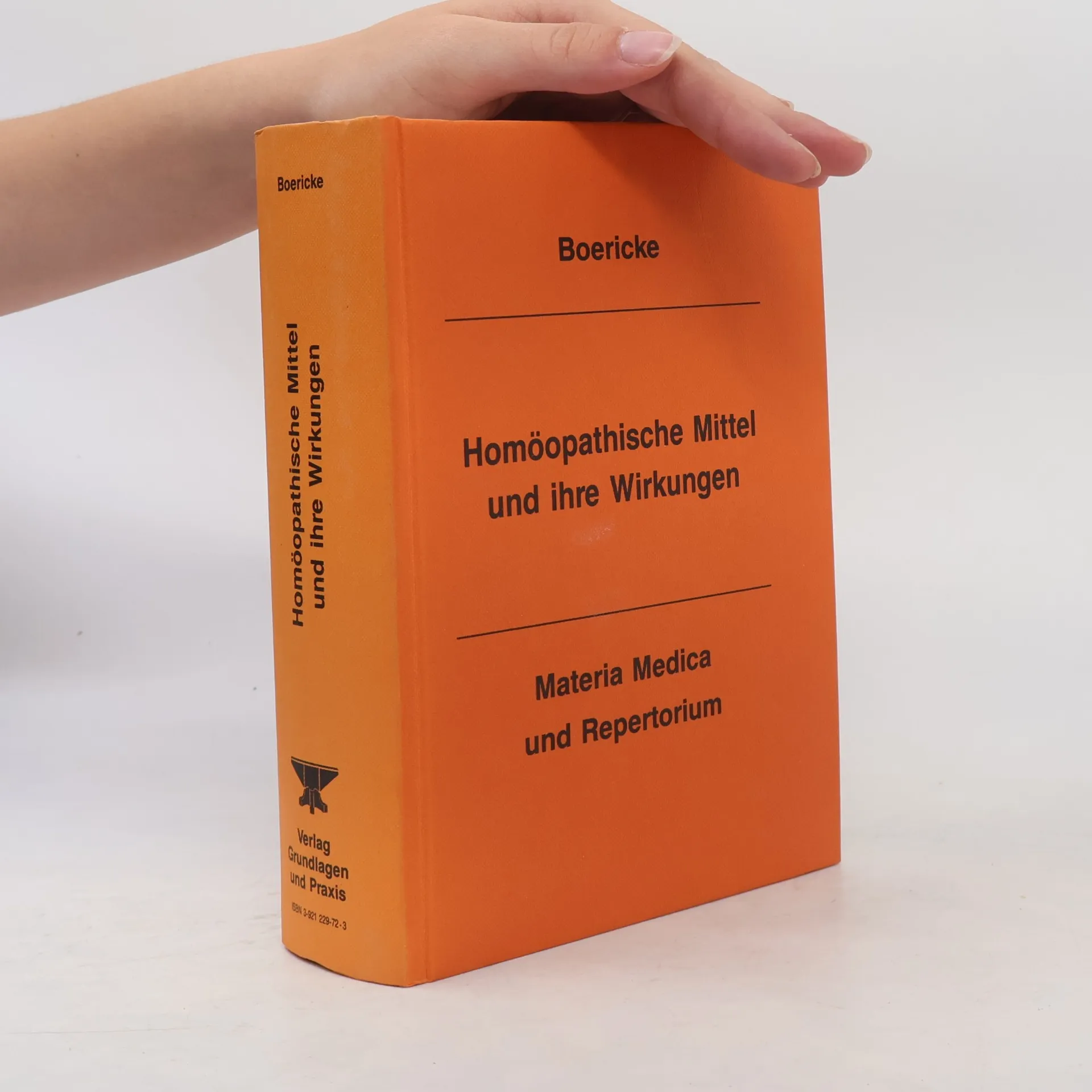
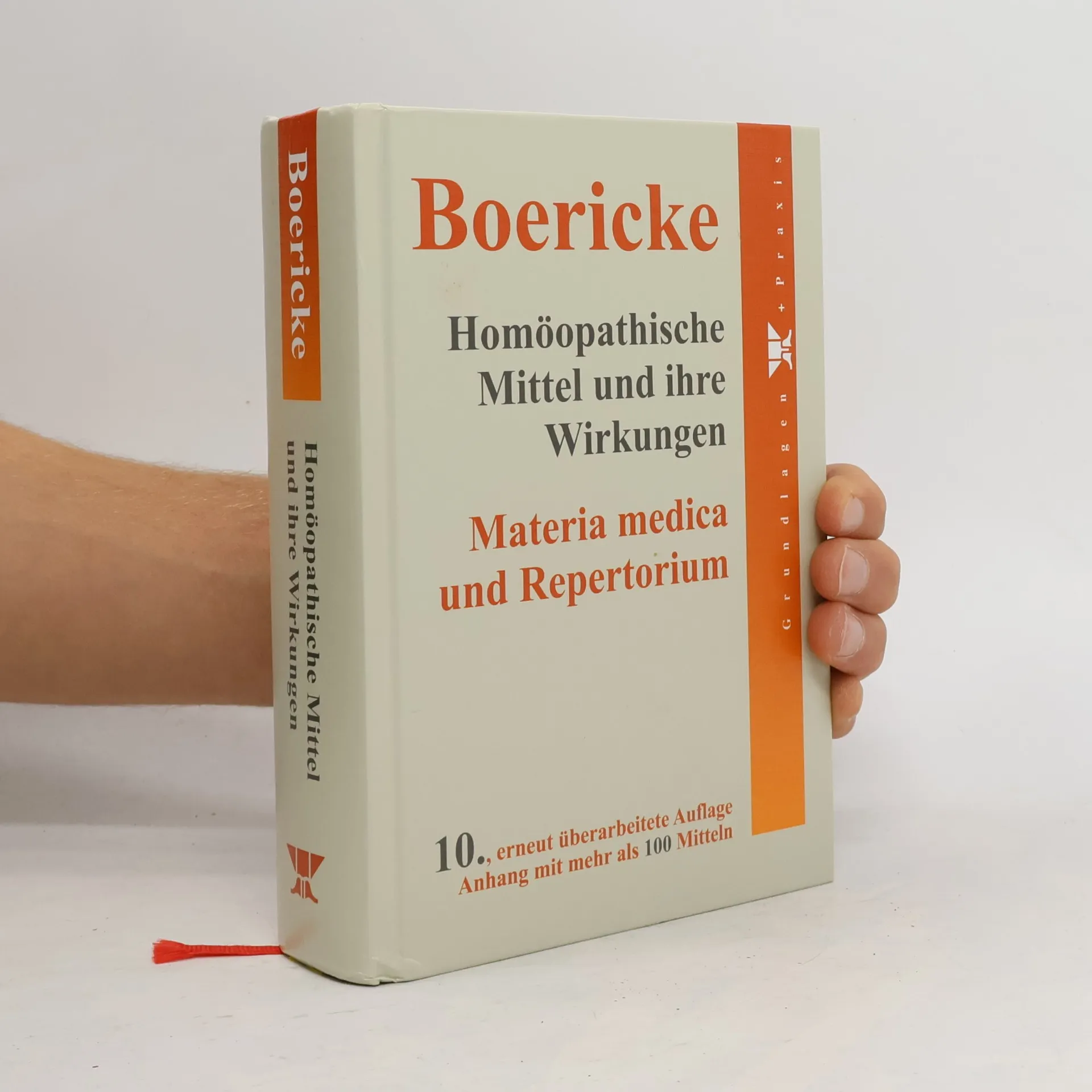
Materia medica und Repertorium - Anhang mit mehr als 100 Mitteln - 10., erneut überarbeitete Auflage
1089 stránek
39 hodin čtení
Das Manual of Homoeopathic Materia Medica von William Boericke ist weltweit eines der am meisten benutzten Nachschlagewerke der Homöopathie. Zwei Indizes, wissenschaftliche und deutsche Mittel- bezeichnungen, erleichtern die Benutzung des Werkes. Ein Therapeutischer Index ermöglicht die schnelle Orientierung bei charakteristischen Symptomen. Der Anhang enthält jetzt über 100 wichtige Mittel, die in den letzten Jahren in der Homöopathie an Bedeutung gewonnen haben. Dies ist die einzige deutschsprachige Boericke-Ausgabe mit Materia medica und Repertorium in einem Band.