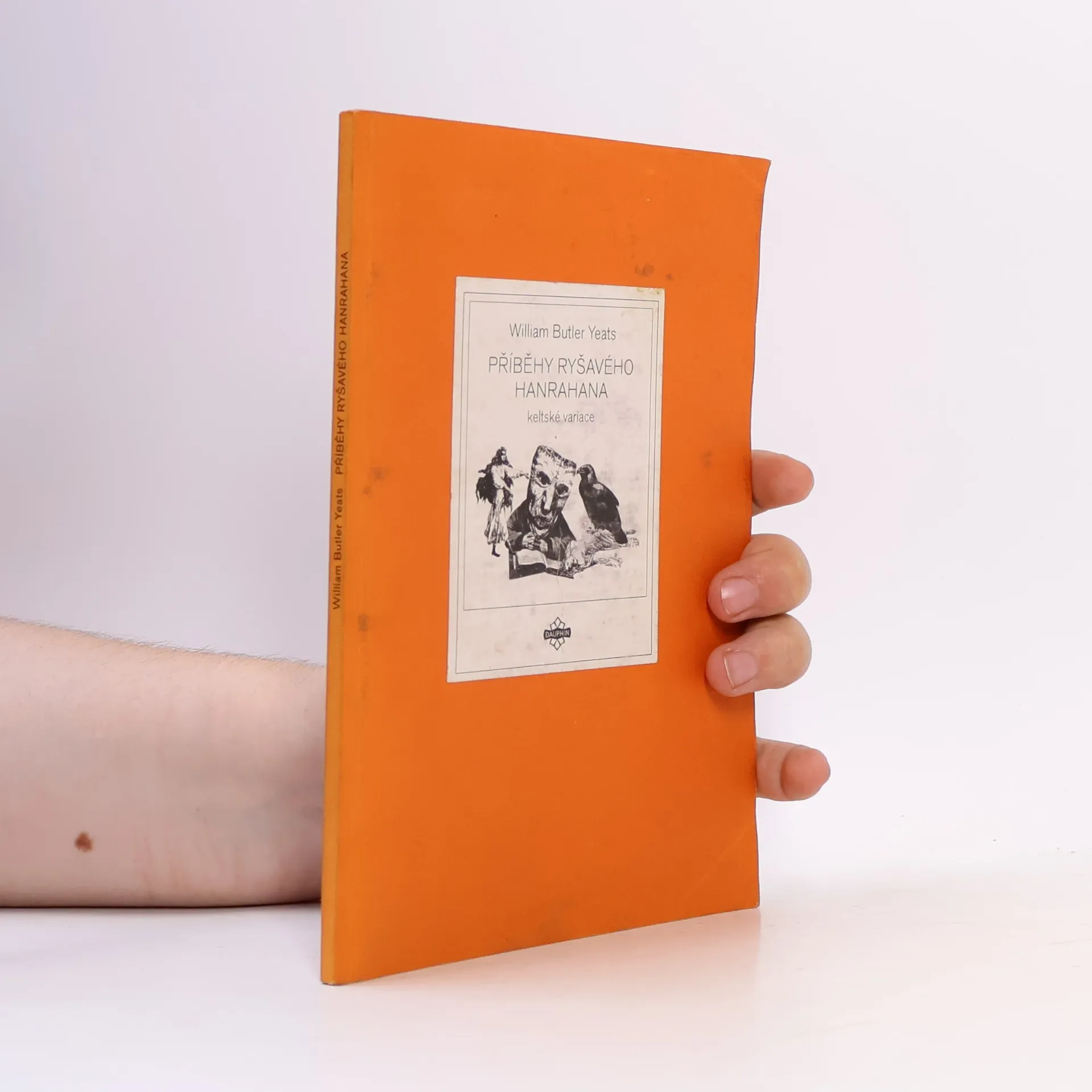
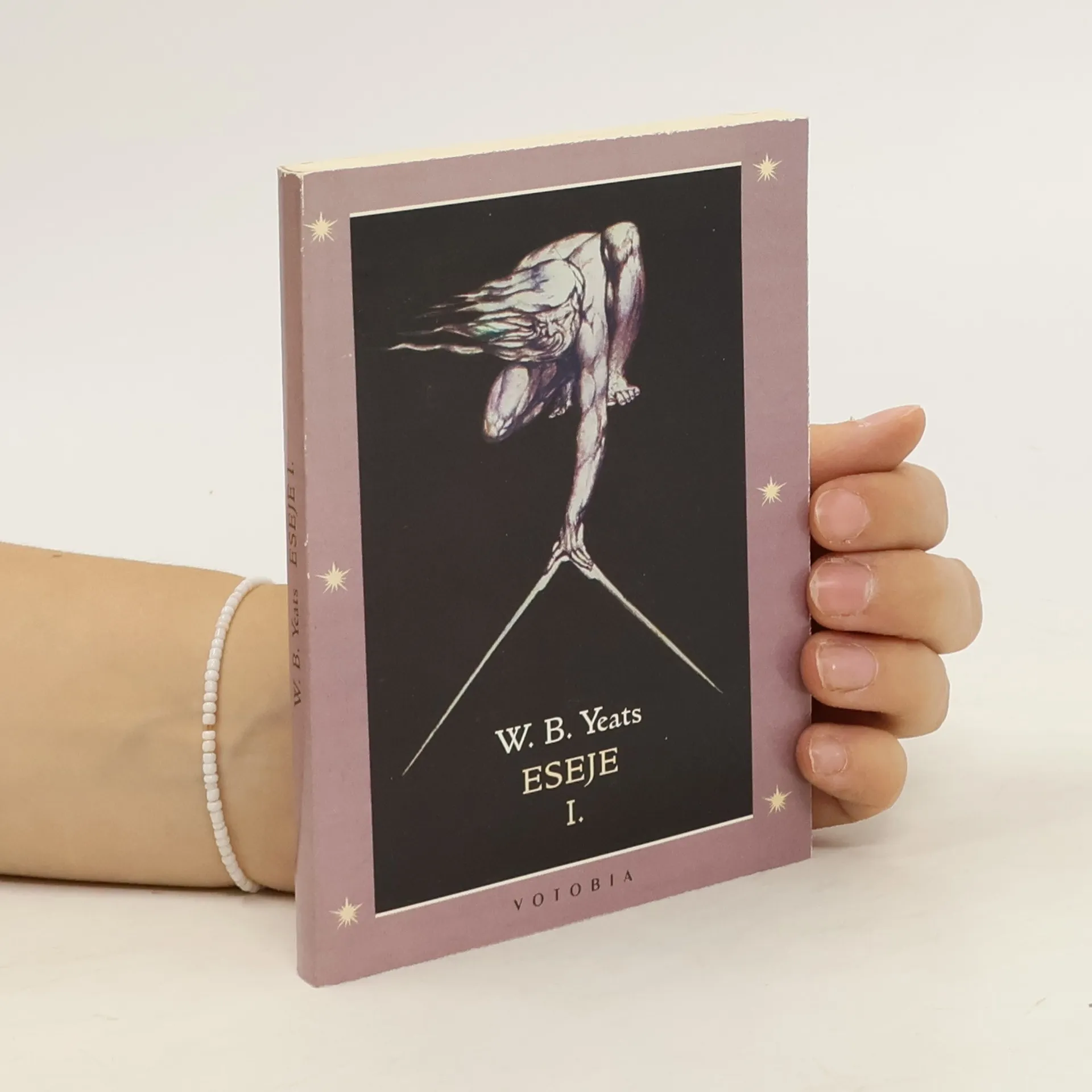
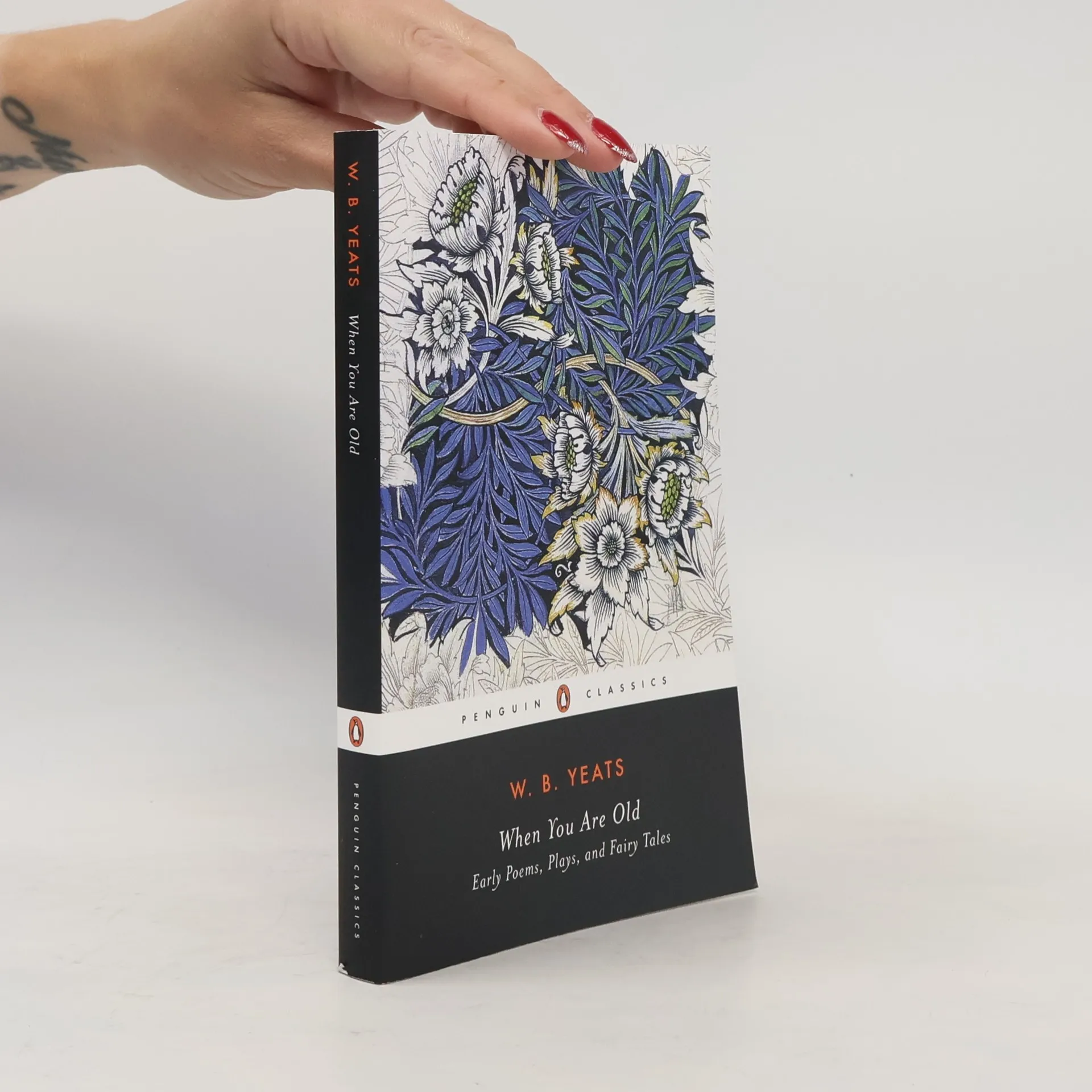
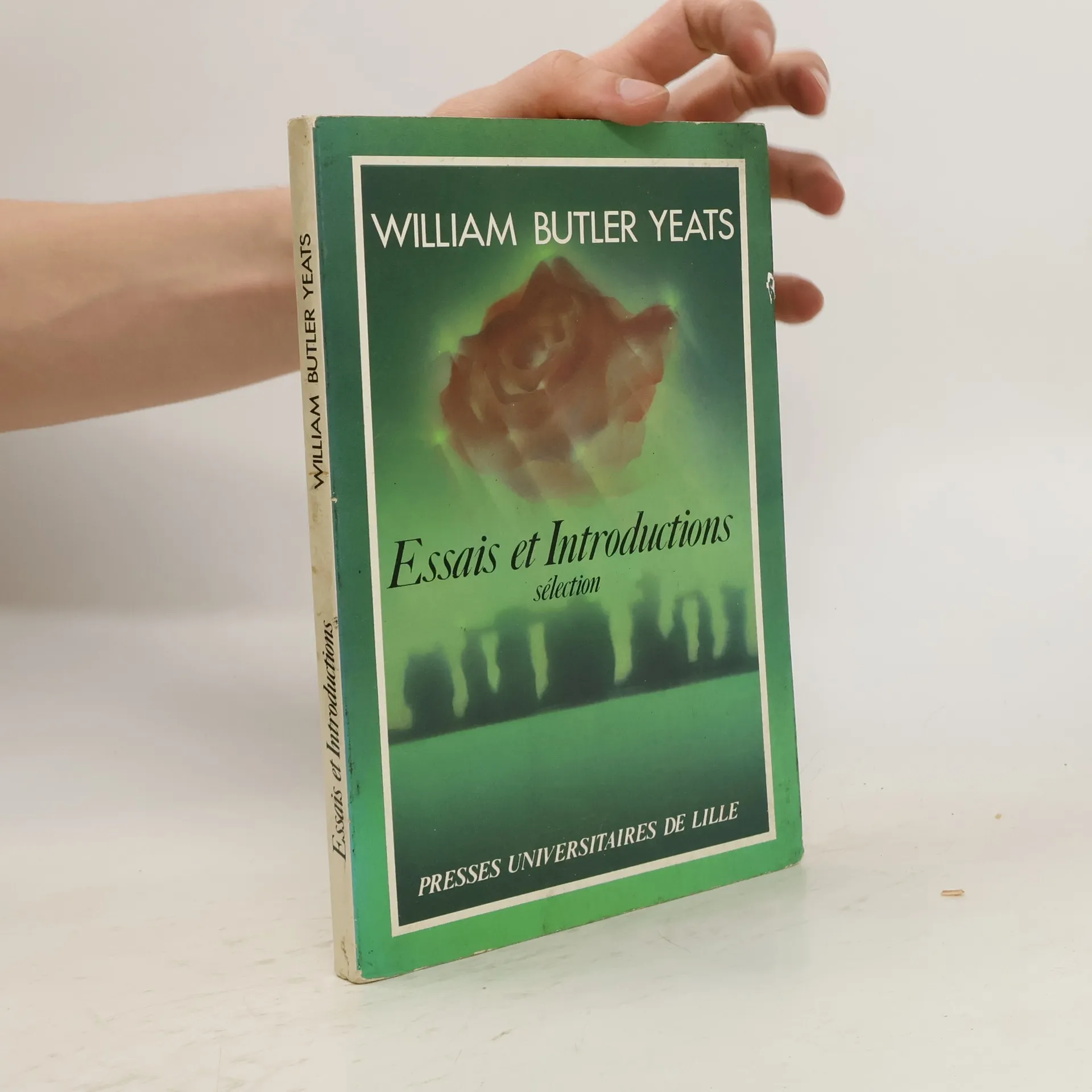
První díl reprintu Yeatsových esejí. Co jest „lidová poezie"? – Deklamace s průvodem psaltéria – Magie – Nejšťastnější z básníků – Filosofie Shelleyových básní – V Stratfordě nad Avonem – William Blake a obrazotvornost Na obálce výřez z kolorované rytiny W. Blakea Stvoření světa.
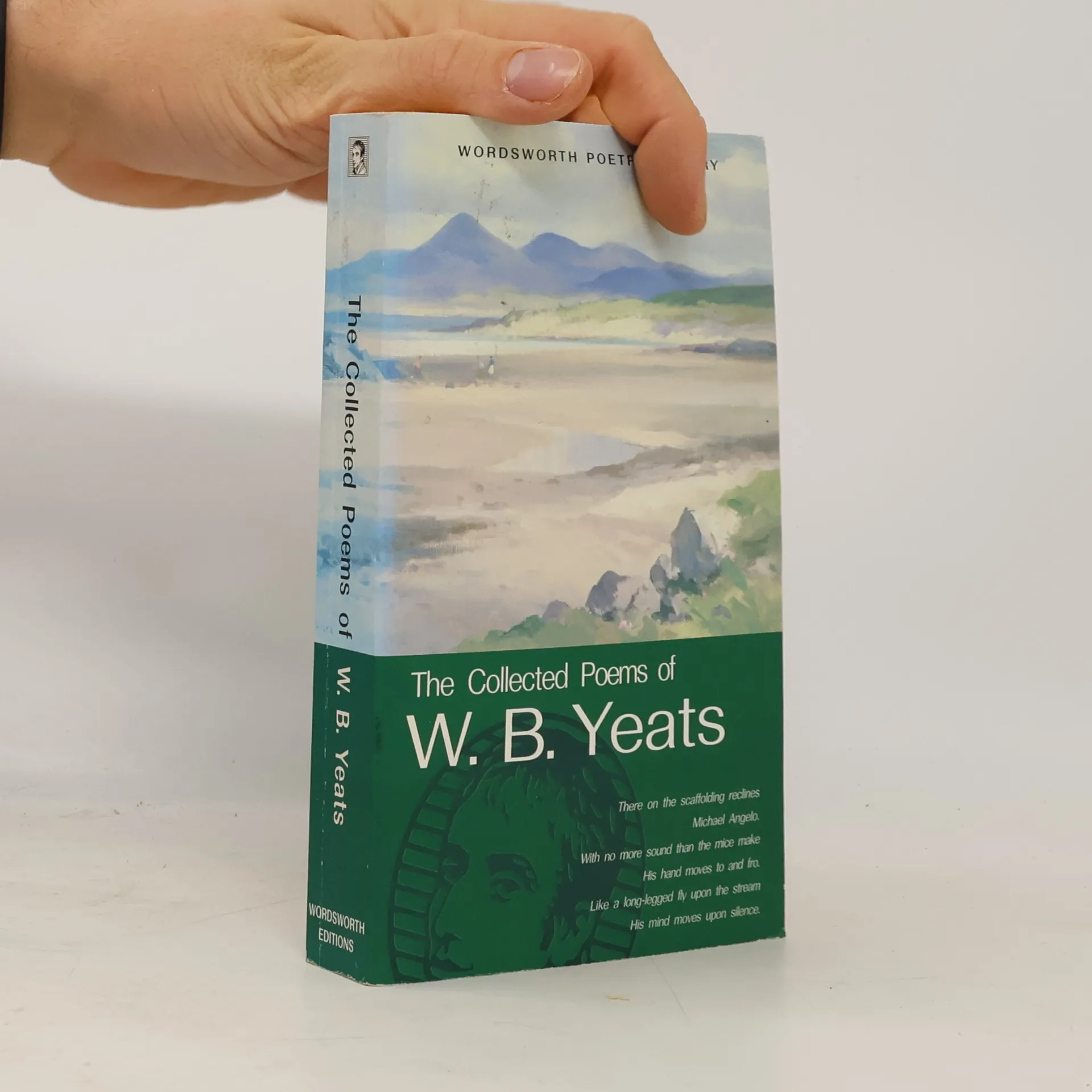
W.B. Yeats' life spanned the end of the nineteeth and the beginning of the twentieth century, and his poetry reflects all the turmoil, fervour, traditions and revolutions of that period. From the quiet beauty of 'The Lake Isle of Innisfree' to the apocalyptic resonance of 'The Second Coming', this collection shows the impact of a great poet whose startling relevance to our own times grows more and more evident.
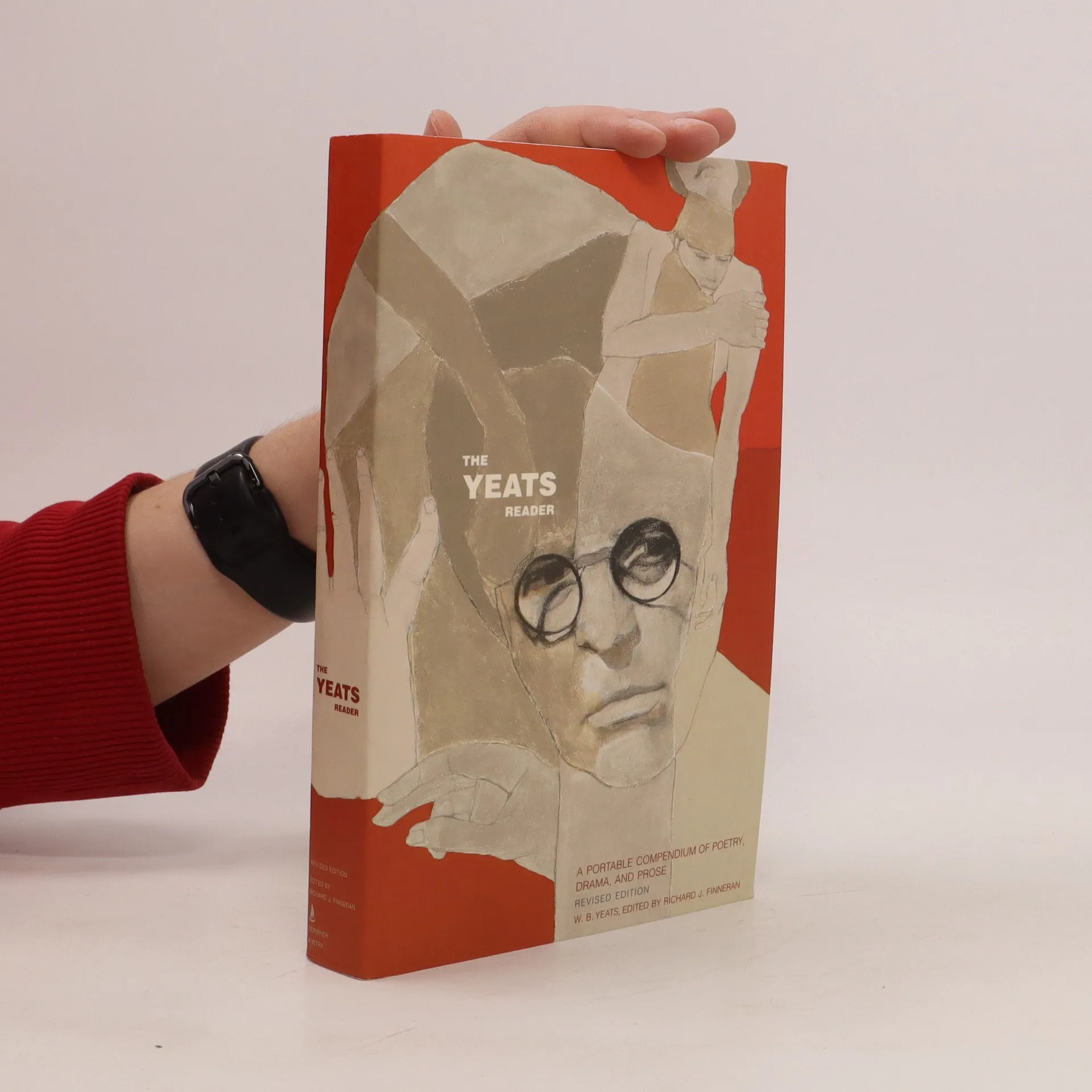
William Butler Yeats, a premier lyric poet of the 20th century, produced significant works across all literary genres, showcasing remarkable range, energy, and skill. His early poetry is both memorable and moving, while his middle-aged works explore the human condition with language that has become part of our vocabulary for profound personal and global events. In his later years, Yeats's writings reflect wisdom, humor, and technical mastery. T. S. Eliot hailed him as "the greatest poet of our time," emphasizing his integral role in the consciousness of his era. This comprehensive volume features over one hundred and fifty of Yeats's most renowned poems, surpassing any other collection, alongside eight plays, prose tales, and excerpts from his autobiographical and critical writings. An appendix includes six early versions of revised poems, selections from unpublished memoirs, and complete introductions for an unrealized collection. Enhanced by annotations and a life chronology, this volume serves as an excellent entry point for readers to engage with Yeats's extensive body of work, renew their appreciation for one of literature's great voices, or deepen their understanding of literary genius.
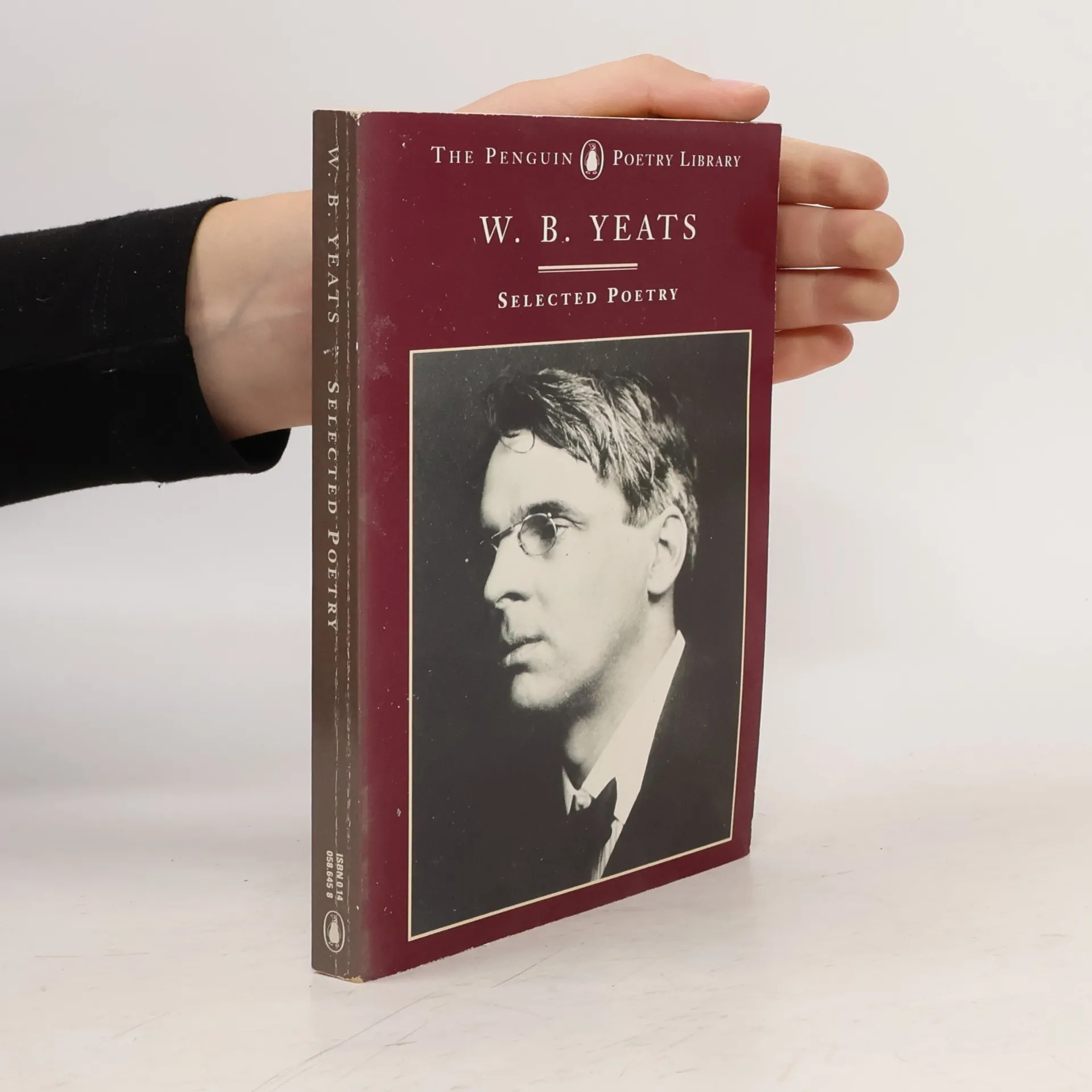
The present selection traces the development of Yeats's verse, encompassing the poet's interest in Irish folklore and national identity, his engagement with the political situation of his day, and the rich symbolism that is the hallmark of his work and a reflection of his lifelong fascination with the occult. It contains some of his best-known pieces, including the elegiac 'Easter 1916', the apocalyptic 'The Second Coming', and the reflective and spiritual 'Sailing to Byzantium'. Often radical in content but always traditional in form, these poems are by turns startling and affecting, and never less than inspired. Taken together, they form an ideal introduction to the poetic career of one of Ireland's greatest literary figures.
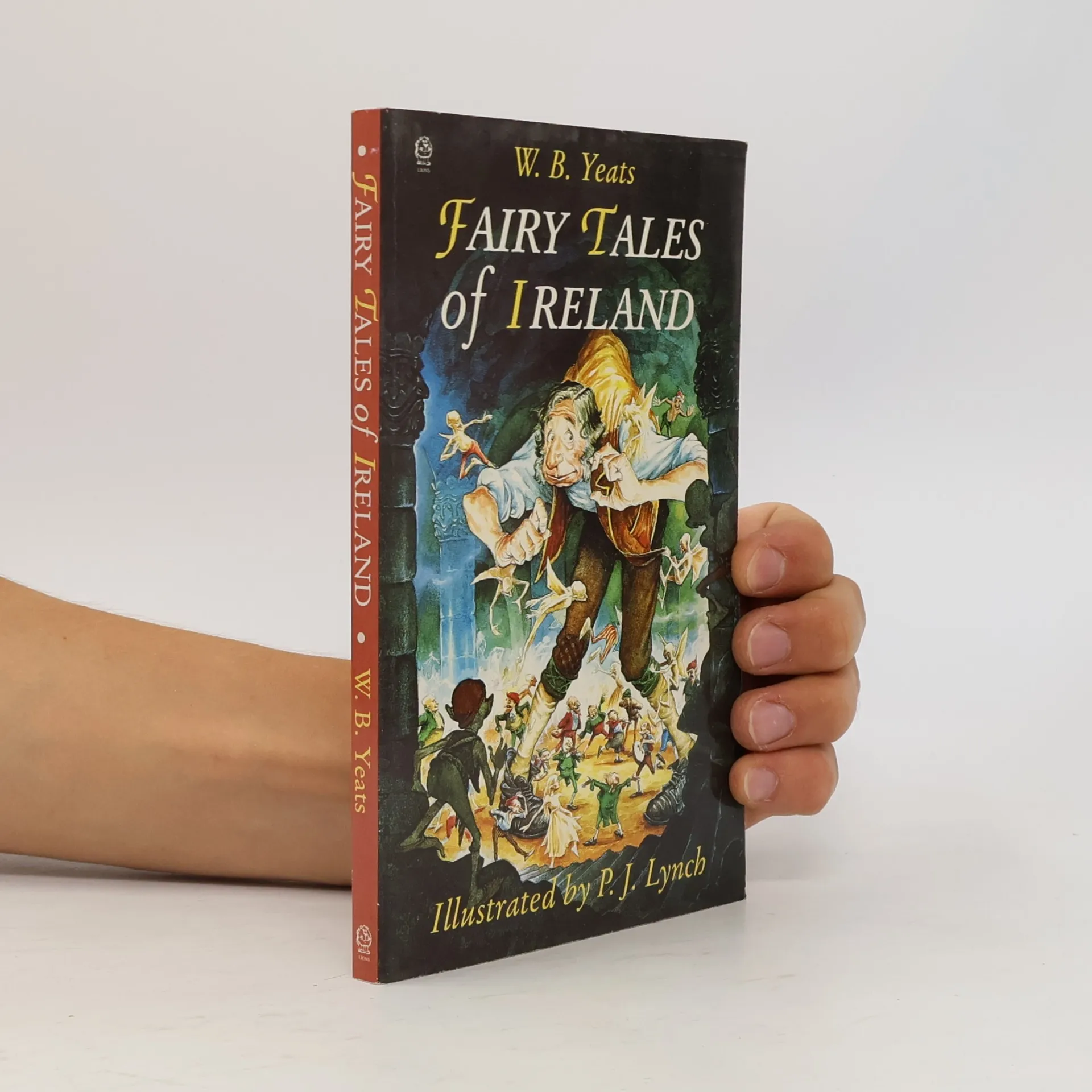
-- Nobel Prize winning writer and poet W.B. Yeats included almost every sort of Irish folk in this marvelous compendium of fairy tales and songs that he collected and edited for publication in 1892. -- Yeats was fascinated by Irish myths and folklore, and joined forces with the writers of the Irish Literary Revival. He studied Irish folk tales and chose to reintroduce the glory and significance of Ireland's past through this unique literature.
The Tower was W. B. Yeats's first major collection of poetry as Nobel Laureate after the receiving the Nobel Prize in 1923. It is considered to be one of his most influential collections. The title refers to Thoor Ballylee Castle, a Norman tower that Yeats purchased in 1917 and later restored. The Tower includes some of his greatest and most innovative poems including 'Sailing to Byzantium', a lyrical meditation on man's disillusionment with the physical world; 'Leda and the Swan', a violent and graphic take on the Greek myth of Leda and Zeus and 'Among School Children', a poetic contemplation of life, love and the creative process.
From the publication of his first poems at the age of twenty, to his Nobel Prize in 1923, the author grew from an aspiring poet by the mystical life, to an Irish senator crafting modernist poetry around a complex system of symbolism. This volume proffers lush images of western Ireland full of faeries and otherworldly beings.
Em Dublin, no dia 13 de Junho de 1865, nasce William Butler Yeats, um dos maiores poetas de língua inglesa do século XX, laureado com o Prémio Nobel da Literatura em 1923. Com apenas dois anos, sua família se muda para Londres, mas as férias na Irlanda marcam sua infância. Em 1880, a família retorna a Dublin, onde William conclui o liceu e, em 1883, ingressa na Metropolitan School of Art, iniciando a publicação de seus primeiros textos na Dublin University Review. Em 1887, a família se muda novamente para Londres, onde William começa sua carreira literária e se junta à Sociedade Teosófica, integrando-se à vida literária local. Em 1899, ele propõe casamento a Maud Gonne, que recusa, levando-o a se dedicar à escrita, acreditando que a literatura poderia unir a Irlanda. Nesse ano, é inaugurado o Irish Literary Theatre, com sua peça The Countess Cathleen. Em 1913, passa meses em Sussex com Ezra Pound como secretário. Quatro anos depois, casa-se com George Hyde-Lees, com quem tem dois filhos. Em 1922, após a fundação do Irish Free State, aceita um convite para o Senado Irlandês, onde atua por seis anos. Ao longo de sua vida, publica diversos volumes de poesia que refletem sua preocupação com a cultura e a tradição irlandesa. Morre em Roquebrune-Cap-Martin, em 28 de Janeiro de 1939, durante uma viagem à França. Esta antologia apresenta parte significativa de sua obra, traduzida por José Agostinho Baptista.
Les articles recueillis dans ce volume témoignent des intérêts majeurs de Yeats. L'Irlande est là, réelle avec le problème Parnell qui la déchira tout entière, imaginaire avec le monde ésotérique de la magie druidique dont l'Orient lui fournit la clef de l'interprétation. Car les grands textes de Yeats sur la pensée orientale sont rassemblés dans cet ouvrage: son introduction au Gitanjali de Tagore, son essai sur le livre de Shri Purohit Swami: un Moine Indien, ou sur son maître Bhagwan Shri Hamsa. Au Swami, Yeats sera redevable de l'étude des Upanishads. Ces pages ont une importance capitale pour la connaissance de la pensée hindoue avec laquelle Yeats se sent en profonde affinité. Le credo du poète, au terme de sa vie, s'apparente à la philosophie des Upanishads: seul l'Hindou semble pouvoir appréhender la vérité sur le Mont Mérou, symbole de l'Orient où Krishna se plaisait à méditer. Des voyages de Purohit Swami à la Séraphita de Balzac, il n'y a qu'un pas que Yeats franchit aussitôt. Car le critique littéraire est présent avec sa conception très moderne de la création artistique et ses réflexions éclectiques sur de grands écrivains irlandais, britanniques ou français. Ces articles qui couvrent une vaste période permettent de mieux appréhender son évolution et la cohérence de son oeuvre. C'est aussi un volume d'une importance considérable pour la pensée contemporaine.