
Do Vánoc stíháš objednat ještě 5 dní a 22 hodin. 
Knihobot

Juan Villoro

    24. září 1956

    Juan Villoro je uznávaný mexický spisovatel a novinář, jehož dílo se vyznačuje pronikavým vhledem do moderní společnosti a jejích paradoxů. Jeho psaní často zkoumá témata identity, paměti a propojení mezi zdánlivě nesourodými světy, jako je sport, hudba a politika. S precizním jazykem a bystrým pozorováním dokáže odhalovat skryté pravdy v každodenním životě. Villoro mistrně kombinuje prvky reportáže s literární hloubkou, čímž vytváří poutavé a podnětné čtenářské zážitky.

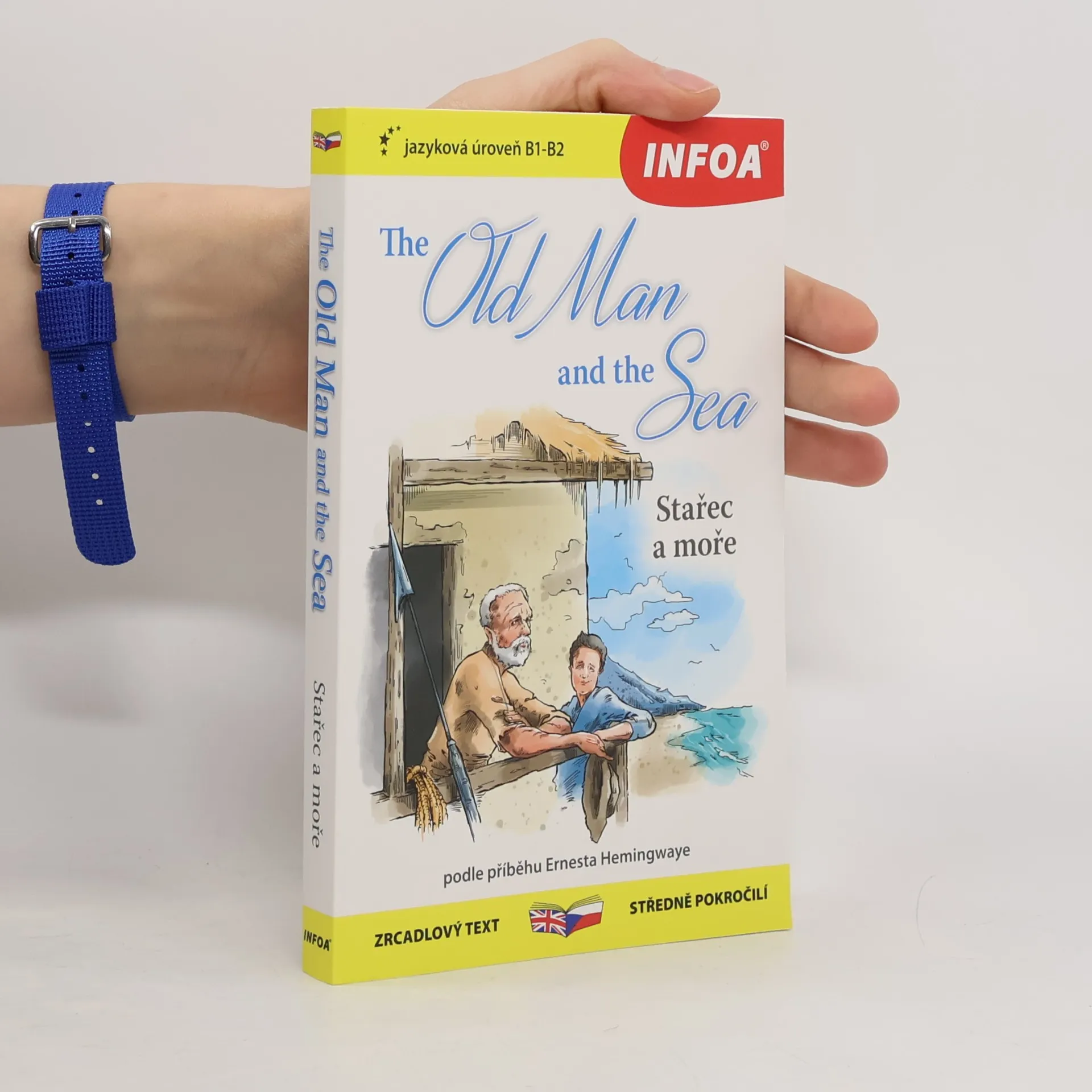
    The Old Man and the Sea
    Das dritte Leben
    Miasto Meksyk Poziomy zawrót głowy
    Das wilde Buch
    El disparo de Argón
    Horizontal Vertigo
    • At once intimate and wide-ranging, and as enthralling, surprising, and vivid as the place itself, this is a uniquely eye-opening tour of one of the great metropolises of the world, and its largest Spanish-speaking city. Horizontal Vertigo: The title refers to the fear of ever-impending earthquakes that led Mexicans to build their capital city outward rather than upward. With the perspicacity of a keenly observant flaneur, Juan Villoro wanders through Mexico City seemingly without a plan, describing people, places, and things while brilliantly drawing connections among them. In so doing he reveals, in all its multitudinous glory, the vicissitudes and triumphs of the city ’s cultural, political, and social history: from indigenous antiquity to the Aztec period, from the Spanish conquest to Mexico City today—one of the world’s leading cultural and financial centers. In this deeply iconoclastic book, Villoro organizes his text around a recurring series of topics: “Living in the City,” “City Characters,” “Shocks,” “Crossings,” and “Ceremonies.” What he achieves, miraculously, is a stunning, intriguingly coherent meditation on Mexico City’s genius loci, its spirit of place.
      Horizontal Vertigo
    • Dos temas articulan la sugerente trama de El disparo de argón: la mirada y la ciudad. Un espacio les sirve de vínculo: la clínica de ojos del doctor Suárez. El edificio levantado por Suárez pretende servir a la vista y a la vi-sión, a la salud. Pero este ideal ocurre en un México donde el tráfico de órganos es una variante de la econo-mía informal. Suárez no puede ser localizado; el gran profeta de la vista se ha vuelto invisible. Su discípulo Fernando Balmes debe buscar el hilo que lleve al maes-tro. Todo lo que pasa por sus ojos se somete al rigor del oftalmólogo hasta que algo nubla su horizonte: una mujer altera el cristal con que mira el mundo y una tra-ma de sombras lo adentra en un país donde la urgencia no es curar los ojos sino venderlos.

      El disparo de Argón
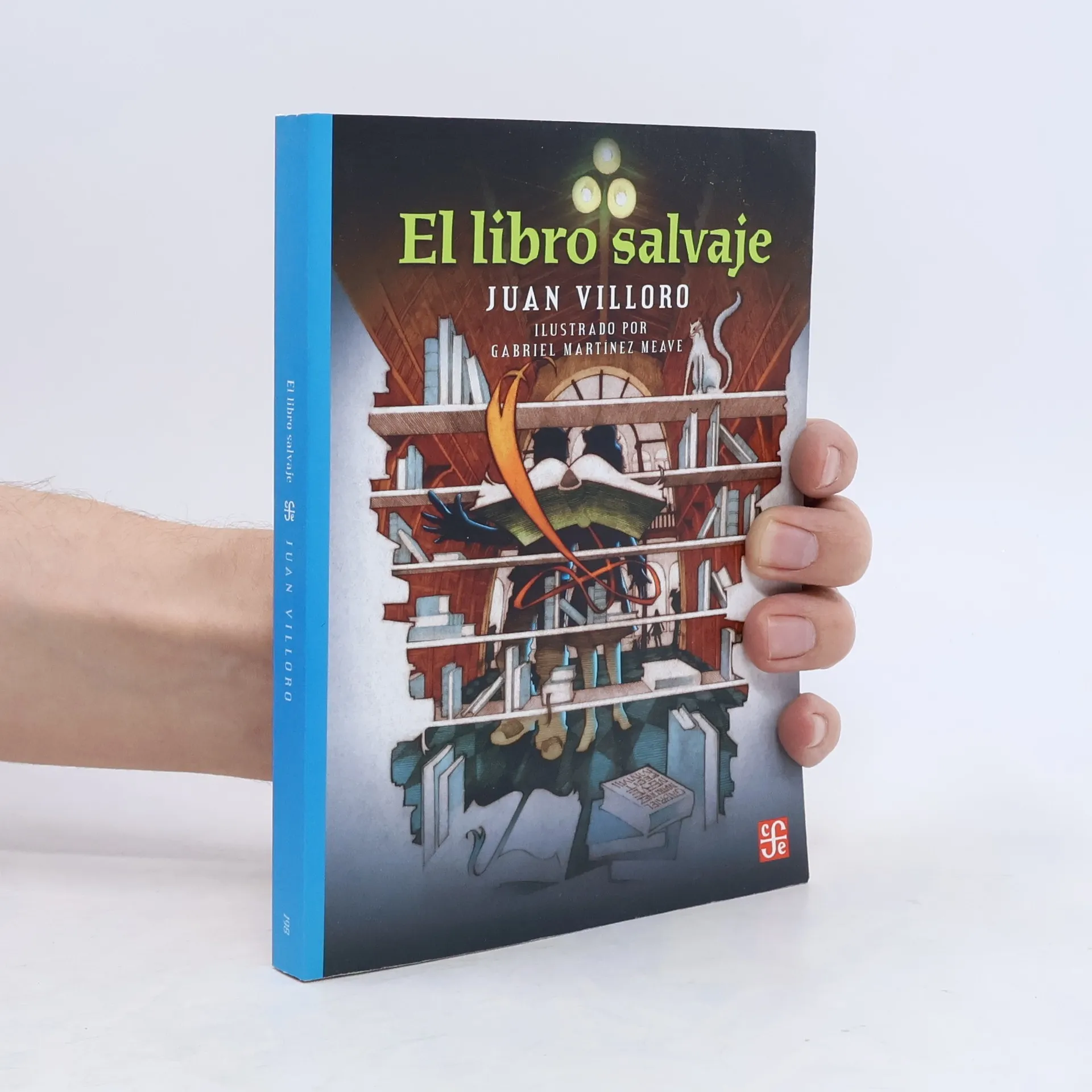
    • Mit Büchern kann der 13-jährige Juan wenig anfangen, bis er die Sommerferien bei seinem buchvernarrten Onkel Tito verbringt. Der lebt in einer gigantischen Bibliothek und er hat gleich einen Auftrag für Juan: Er soll das wilde Buch finden, ein rebellisches Buch, das sich dem Gelesenwerden widersetzt und lange von niemandem gefunden werden konnte. Juan lässt sich auf das Abenteuer ein. Zwischen sonderbaren Buchtypen entdeckt er die tollsten Geschichten – nur das wilde Buch nicht. Erst als er seine erste Liebe, die Apothekerstochter, von der Magie der Bücher überzeugt und eine Verbindung zum echten Leben herstellt, offenbart es sich … Ein fantasievolles Jugendbuch über die Liebe zum Lesen.

      Das wilde Buch
    • Tętniące życiem Miasto Meksyk to chaotyczna mieszanka ludzi, miejsc i rzeczy, którą Juan Villoro opisuje z czułością, ale i krytycyzmem. Wędrując po mieście, przygląda się absurdalnej biurokracji, labiryntom ulic oraz różnorodnym zjawiskom kulturowym. Z dystansem analizuje społeczny, kulturalny i polityczny obraz stolicy, ukazując jej wyjątkowość. Barwnie relacjonuje historię, od czasów prekolumbijskich po współczesne megalopolis, które dąży do wchłonięcia całego kraju. Villoro tworzy kalejdoskop pełen smaków, kolorów i zapachów, a jego osobisty reportaż, napisany z ironią i humorem, pozwala czytelnikom zanurzyć się w tym złożonym mieście. Miasto Meksyk, jak Frankenstein, łączy różne epoki i tożsamości, a jego miłość jest trudna, lecz nieodparta. To błyskotliwa opowieść, która ukazuje miasto na skraju załamania nerwowego, pełne inteligentnego humoru i celnych obserwacji. Villoro, porównywany do Octavia Paza, zaprasza nas do miejsc, do których niekoniecznie chcą trafić sami Meksykanie, oferując fascynujący i często zabawny obraz stolicy.

      Miasto Meksyk Poziomy zawrót głowy
    • Lange Jahre nach ihrer wilden Zeit als Rockmusiker leben Mario und Tony ein neues Leben. Der eine ist Manager einer gläsernen Hotelpyramide, mitten im tropischen Dickicht an der Küste von Mexiko. Der andere versucht dort gerade, die Bewegungen der Fische im Aquarium in Klänge umzuwandeln. In „La Pirámide“ wird gelangweilten Europäern der ultimative Kick geboten: Während die Gewalt der einheimischen Drogenmafia keine Grenzen kennt, vergnügen sich die Gäste mit russisch Roulette oder kurzfristigen Entführungen durch Guerilladarsteller. Als zwei Taucher brutal ermordet werden, hört der Spaß auf und Mario weiht Tony in das Geheimnis seines dritten Lebens ein. Eine grandiose Persiflage auf unsere Gegenwart, die dekadenter und dämlicher nicht sein könnte.

      Das dritte Leben
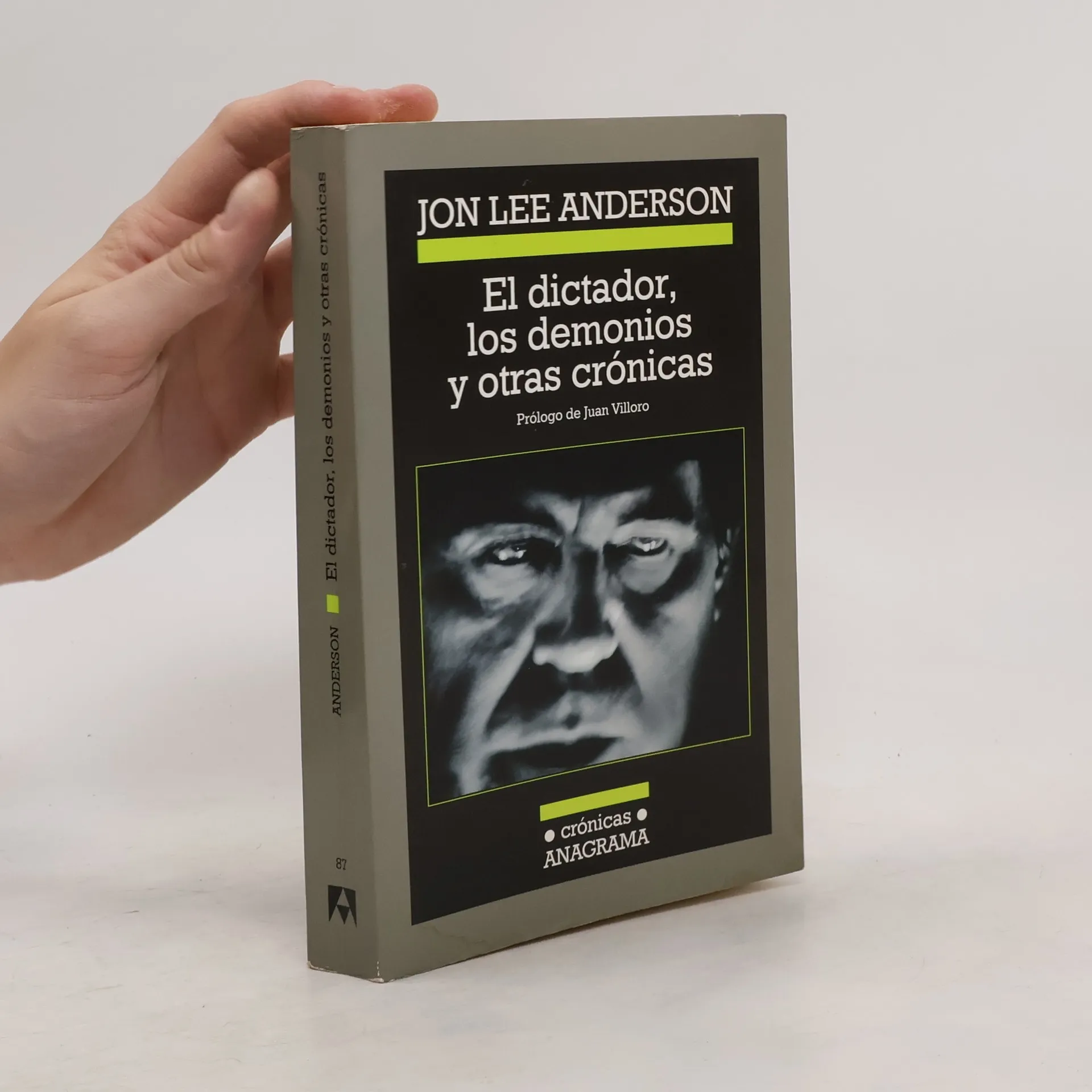
    • Esta colección de reportajes, publicados previamente en la revista The New Yorker y compilados expresamente para Anagrama, reúne personajes y paisajes políticos de España y Latinoamérica. Por estas páginas desfilan el rey Juan Carlos en la España de los bandazos, Augusto Pinochet antes del juez Baltasar Garzón, un espectacular Hugo Chávez en una Venezuela de contrastes, el decrépito Fidel Castro en una Cuba sin salida satisfactoria para nadie, García Márquez de genial conspirador en el polvorín colombiano, los restos de Federico García Lorca en un tira y afloja entre lo político y lo sentimental, y el paisaje de las favelas brasileñas, donde florece la extraña mística del delito. Aunando la tradición de la semblanza crítica fundada por los clásicos grecolatinos y el periodismo en directo en la línea de John Reed y George Orwell, Anderson pinta retratos que se caracterizan por la agudeza política de los comentarios, el hábil trazado de los contextos, la atención por el detalle iluminador y la concepción literaria del discurso periodístico. «Un periodista comprometido con la gente y con la reaidad. Sus reportajes en el New Yorker cubren las más diversas zonas del sufrimiento humano» (Juan Cruz, El País).

      El dictador, los demonios y otras crónicas