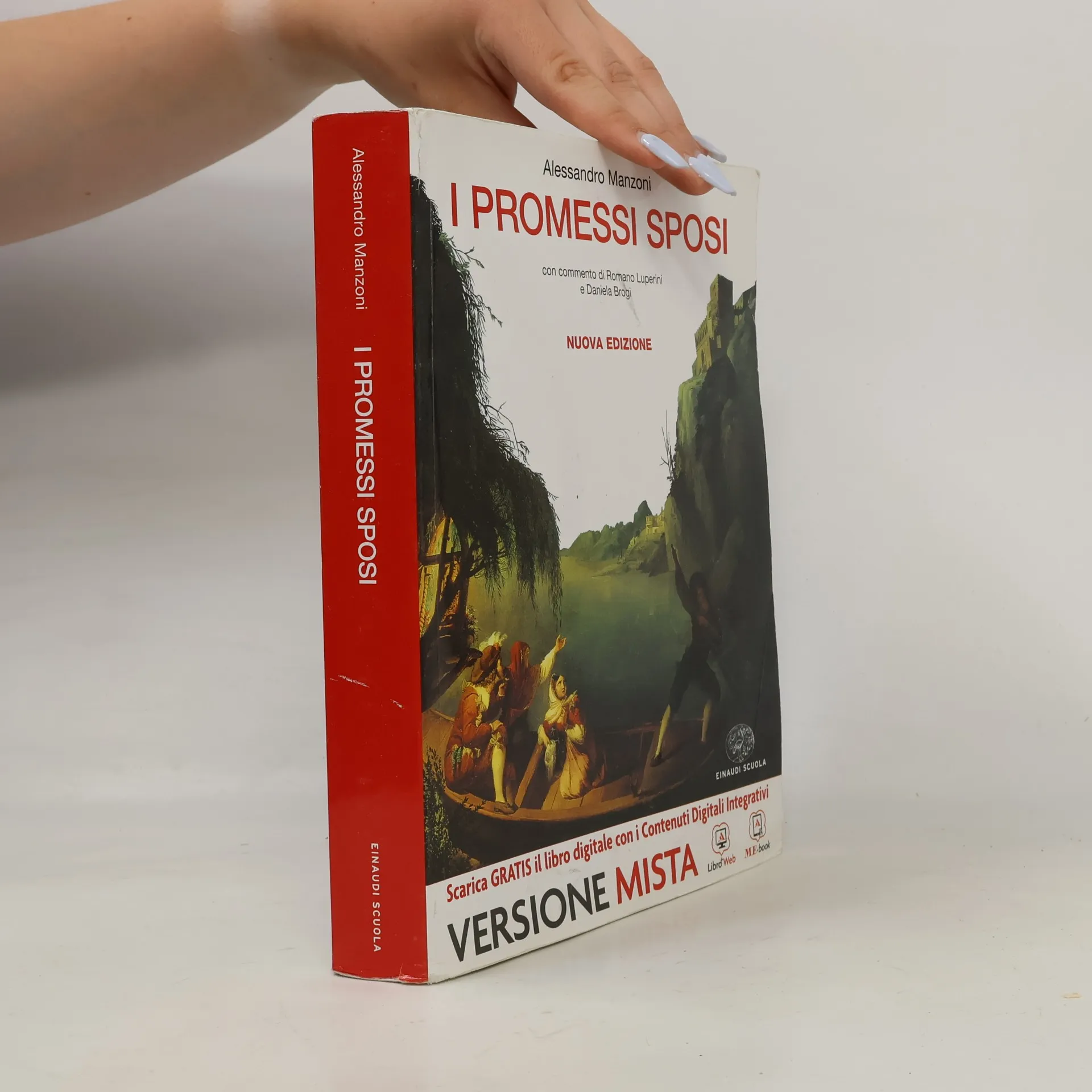
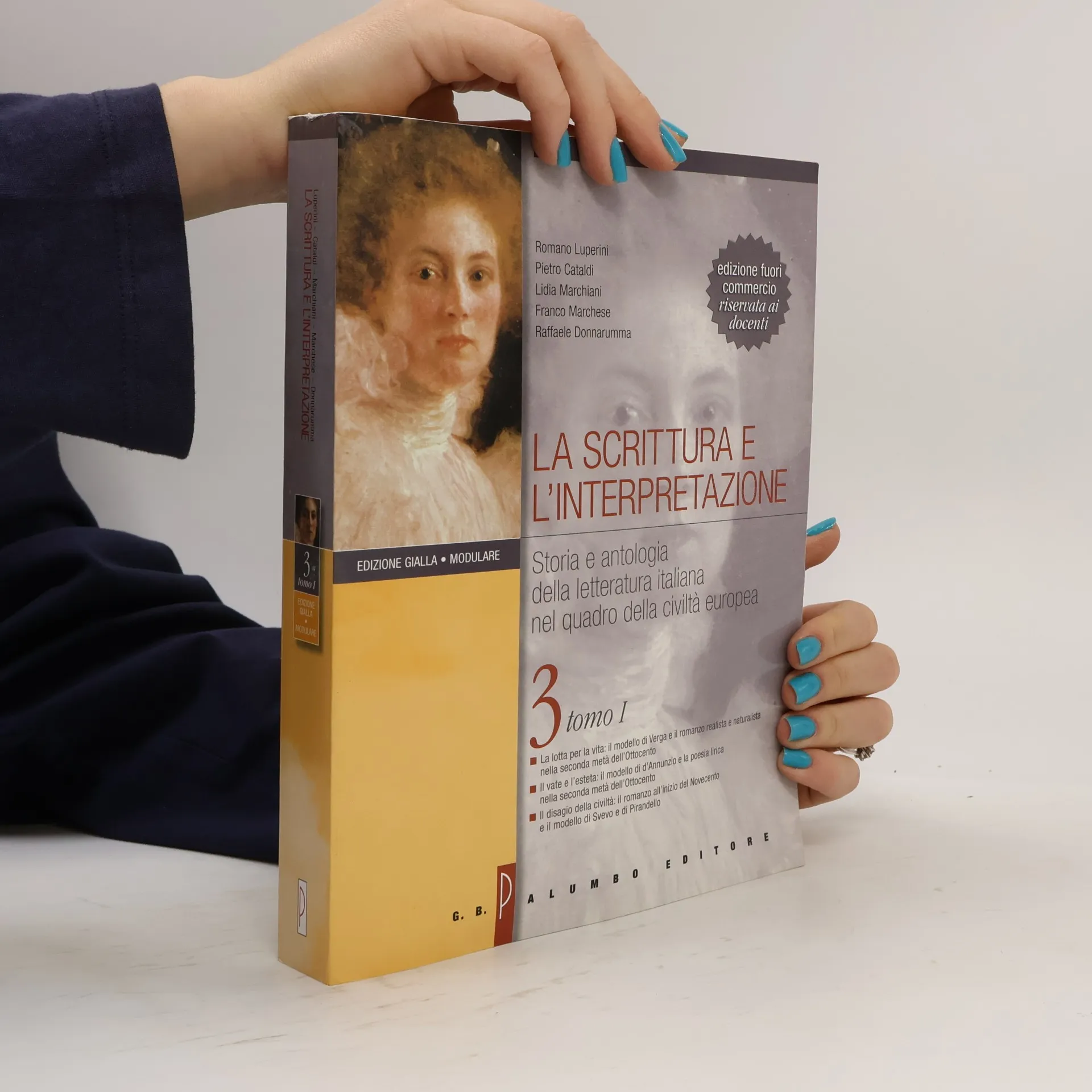
I promessi sposi. Con espansione online
Con commento di Romano Luperini e Daniela Brogi - Nuova edizione - Versione mista


Con commento di Romano Luperini e Daniela Brogi - Nuova edizione - Versione mista
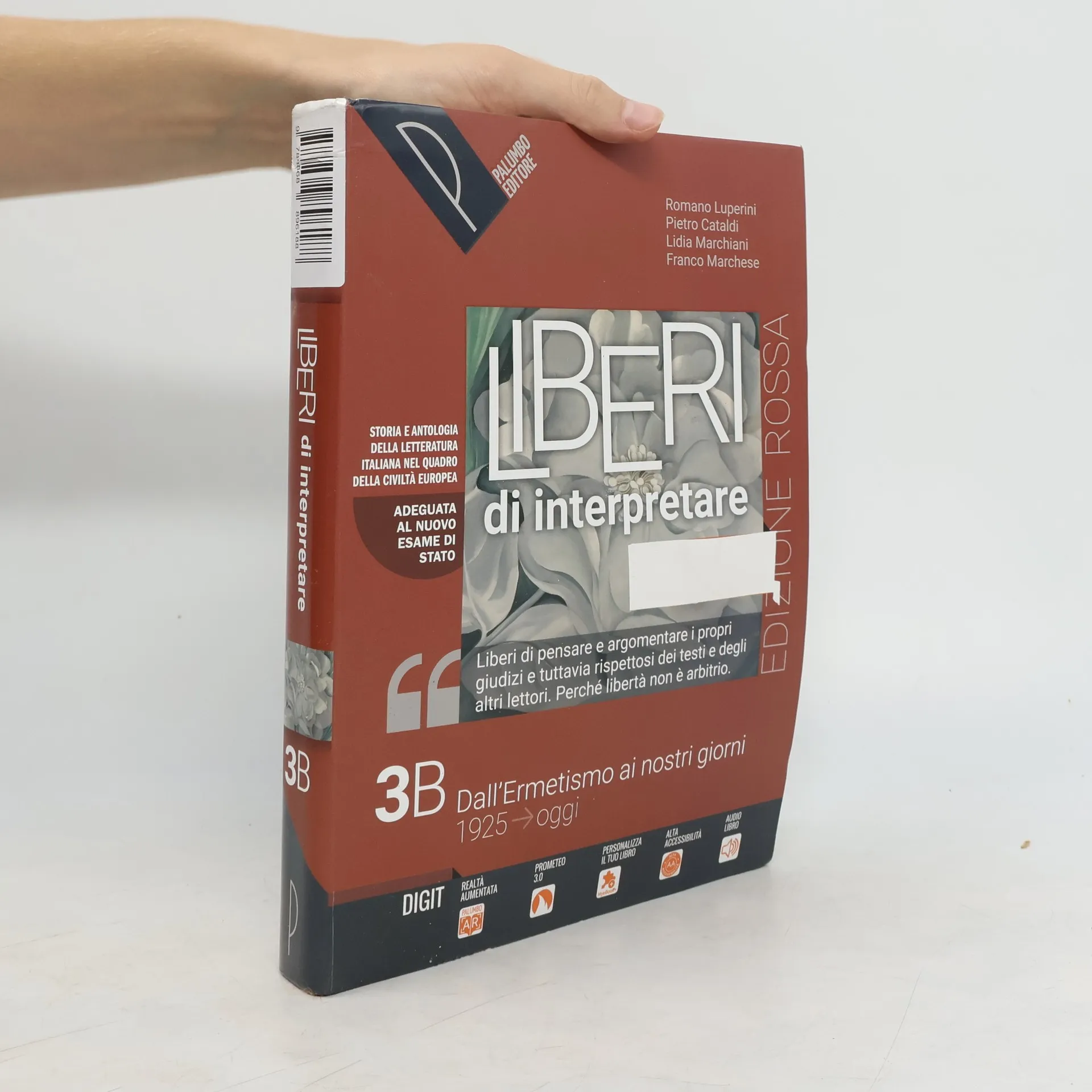
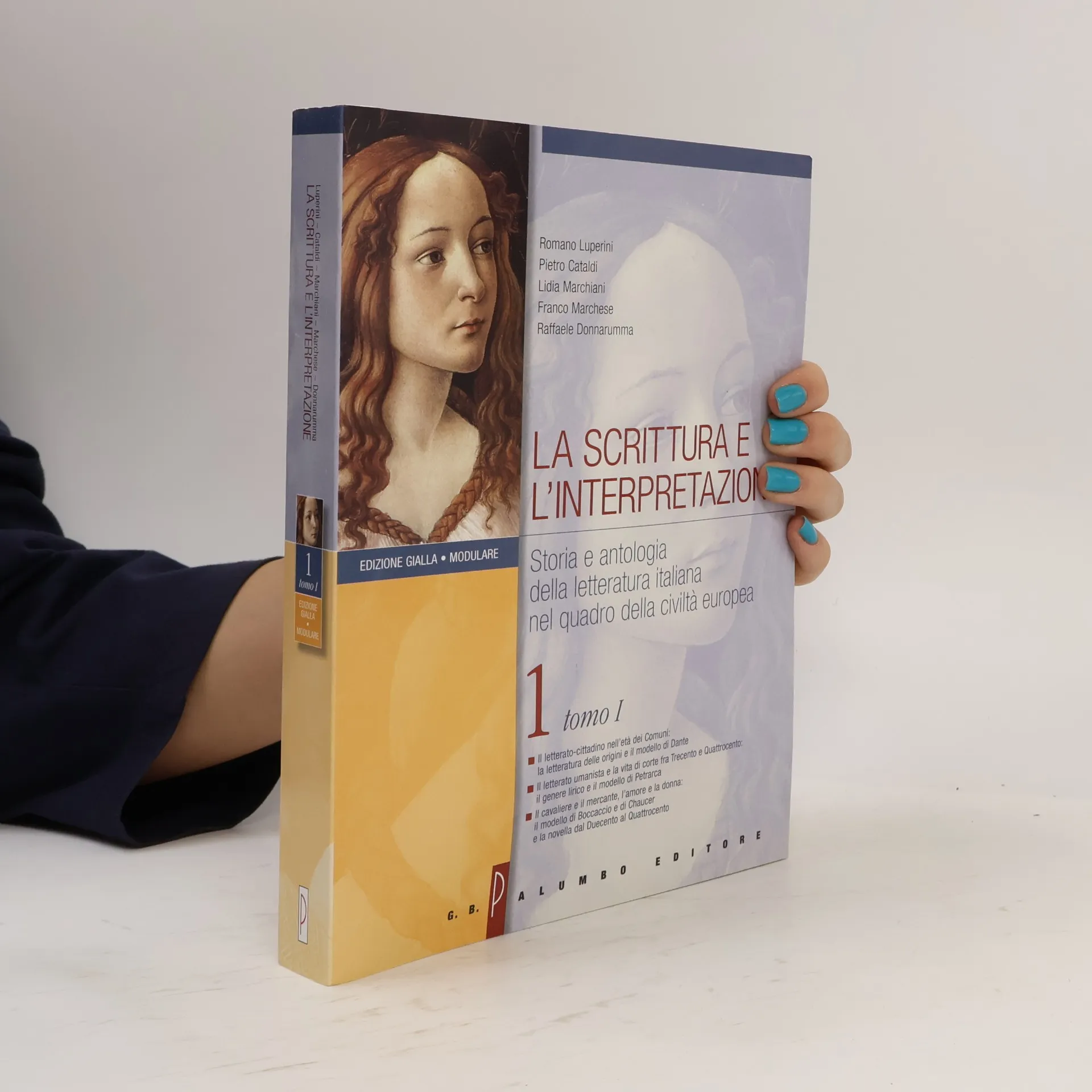
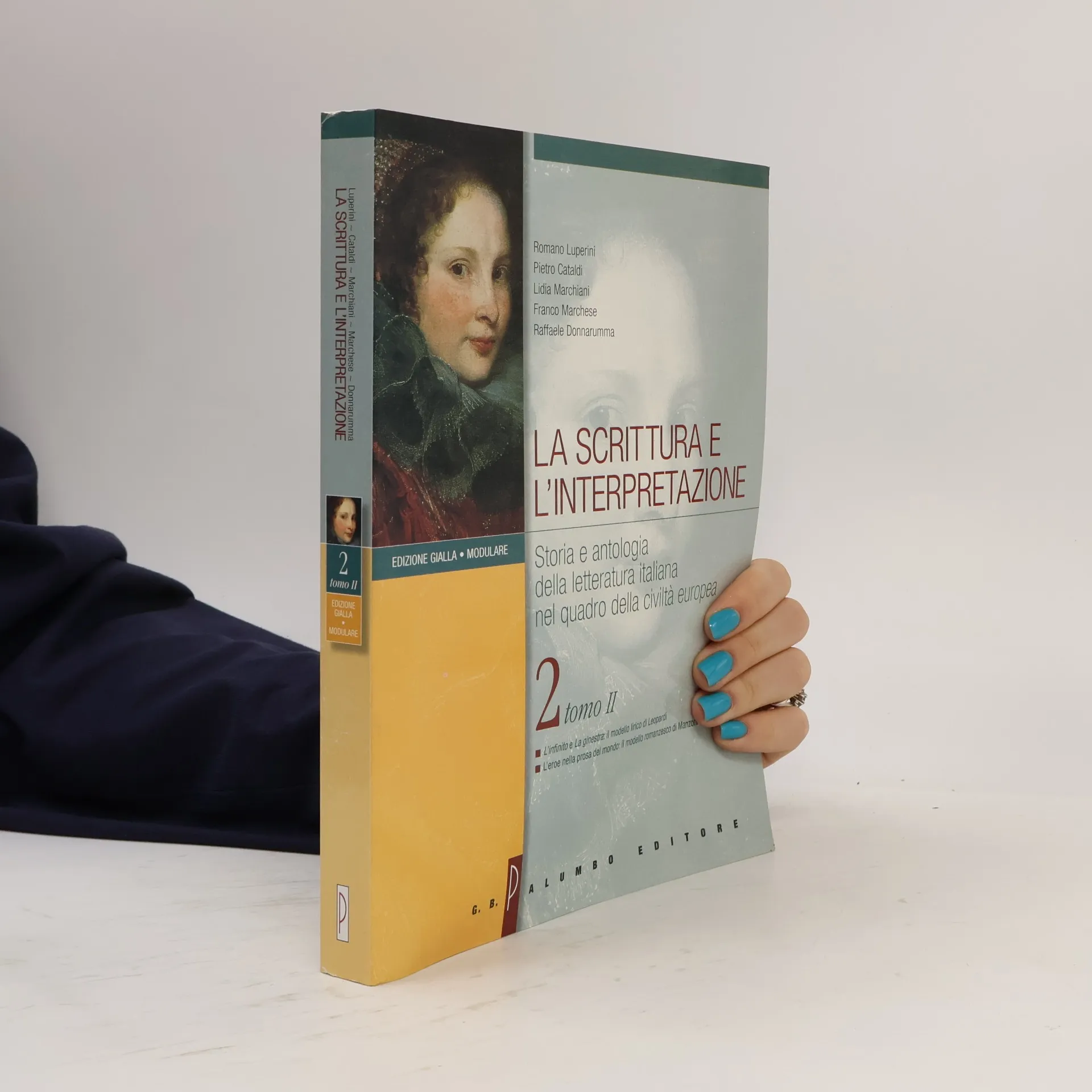
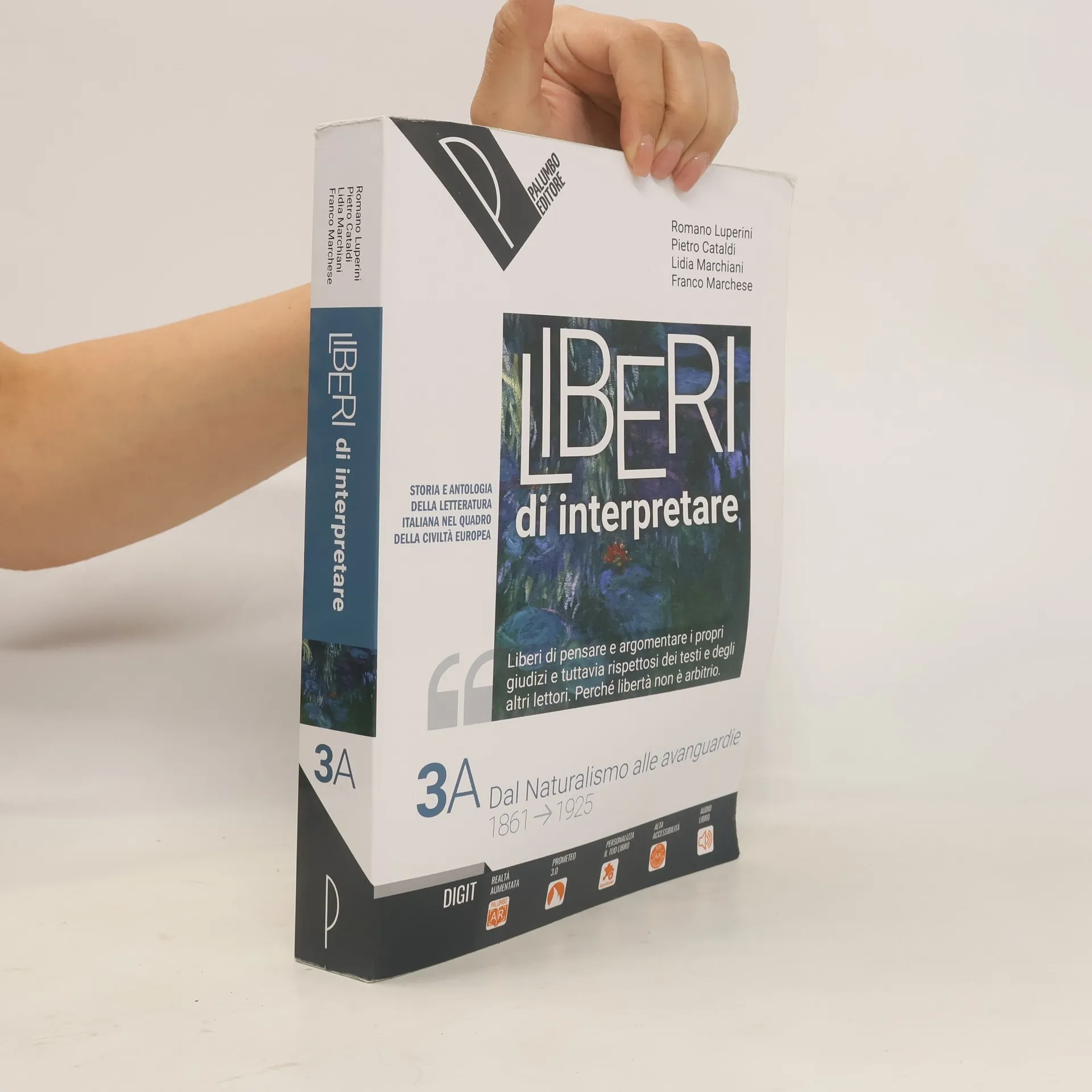
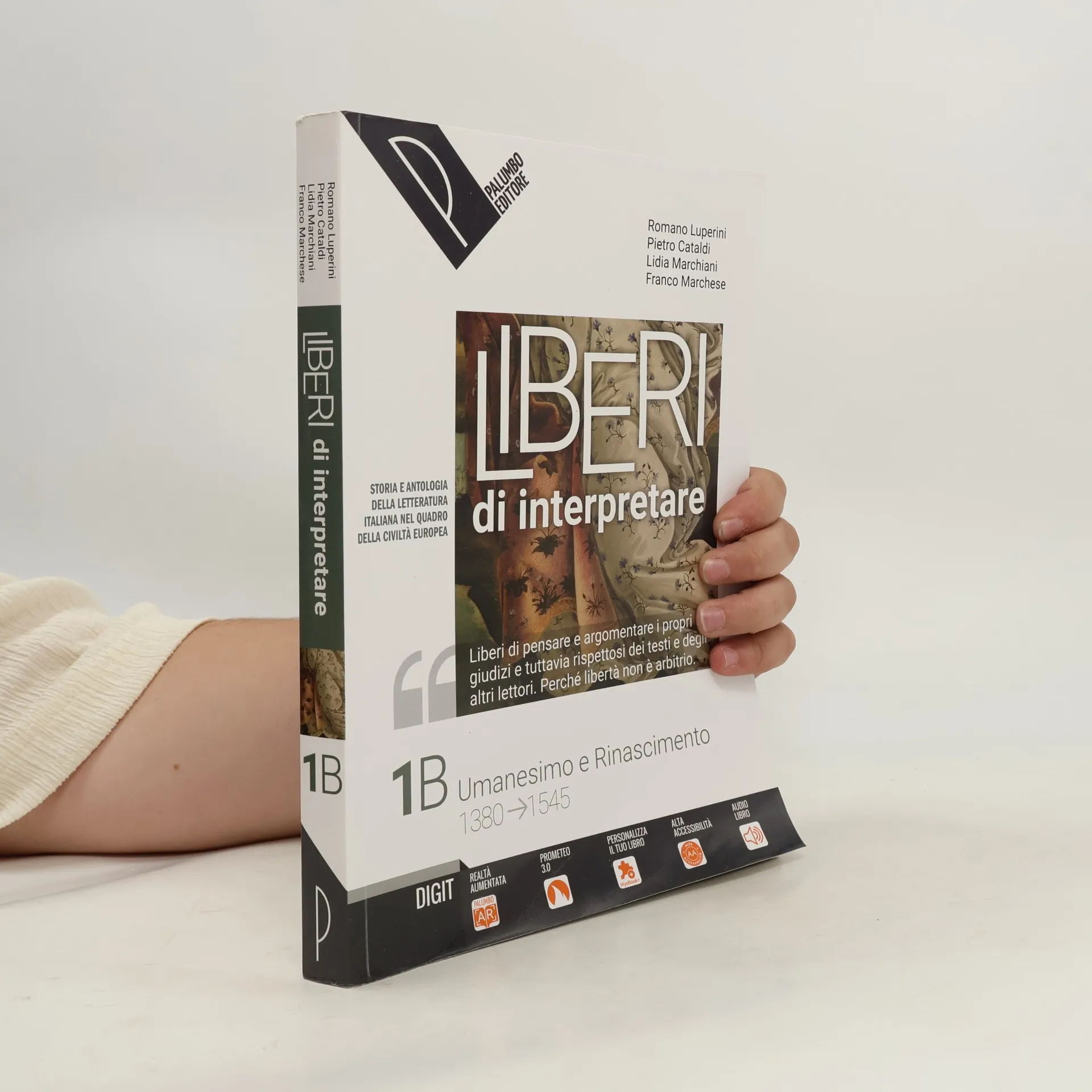
Storia e antologia della letteratura italiana nel quadro della civiltà europea
Un solido impianto culturale e didattico in linea con il nuovo esame di Stato. Liberi di interpretare si caratterizza per il solido impianto culturale e didattico e per la nuova impostazione strutturale, che rende il percorso lineare, riconoscibile, leggero pur mantenendo un forte valore scientifico e formativo, mettendo in primo piano proprio l'aspetto interpretativo che oggi caratterizza la nuova prova d'esame. In più, una nuova rubrica dal titolo Liberi di interpretare, propone Laboratori dell'interpretazione su nodi critici problematici.
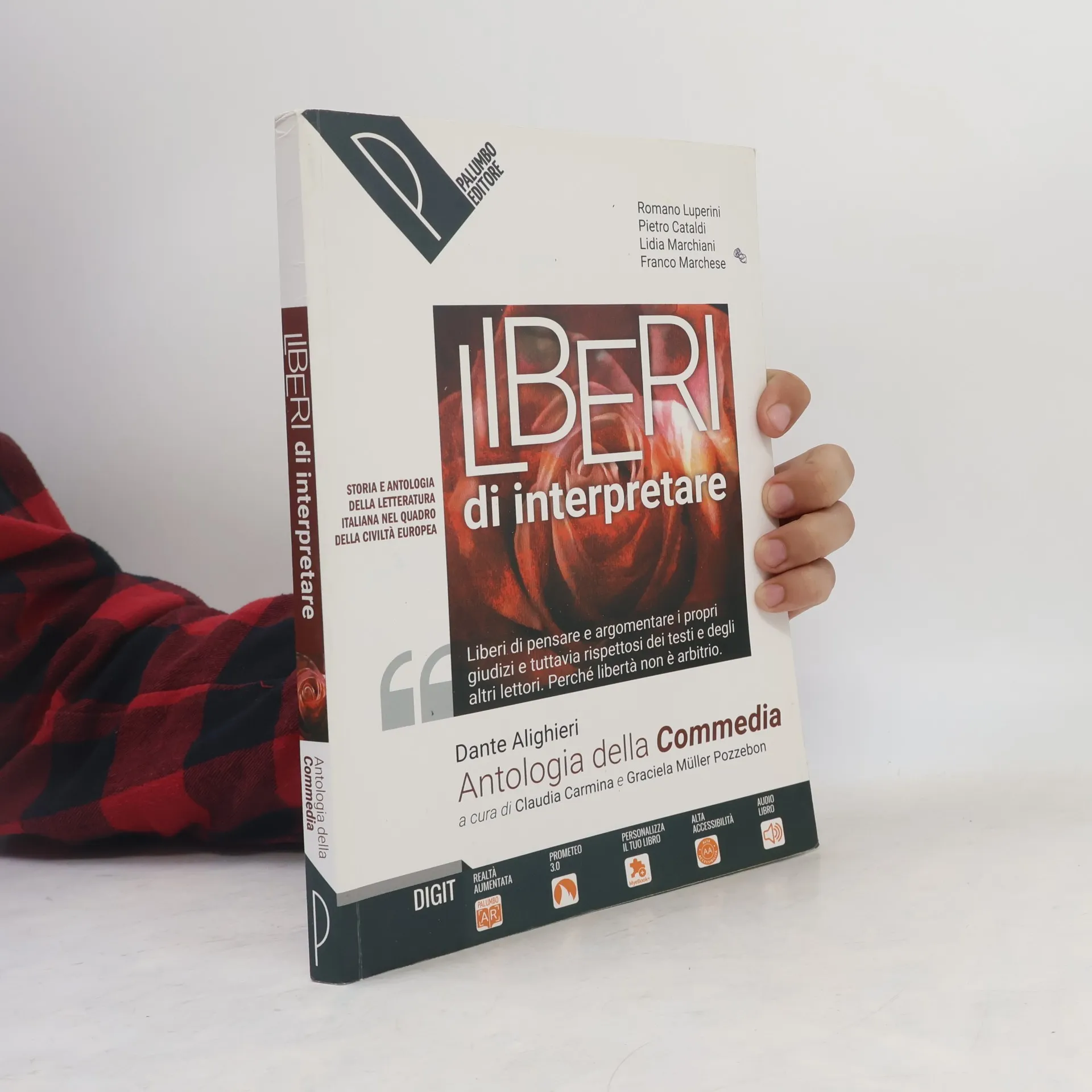
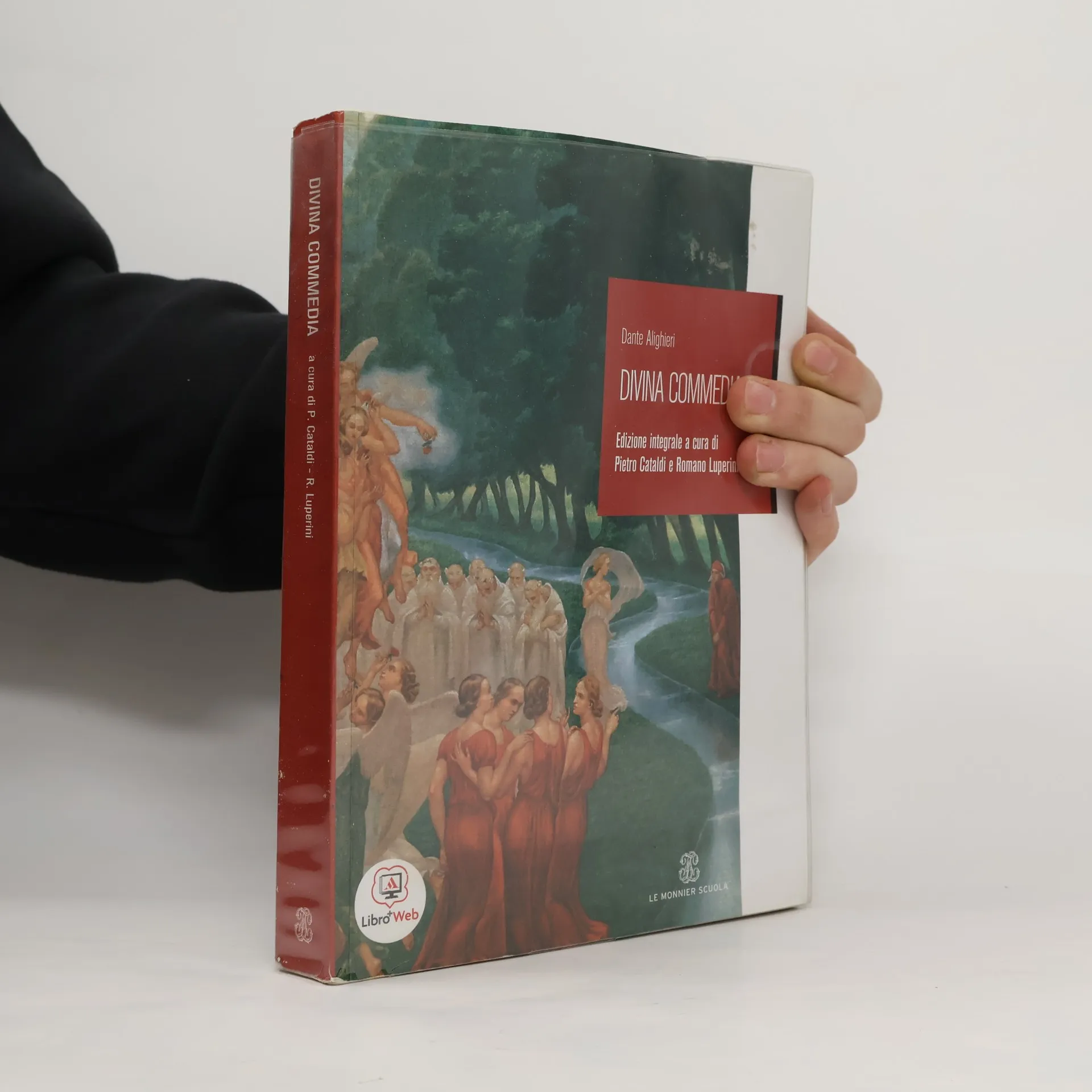
Antologia della Commedia
3B Dall'Ermetismo ai nostri giorni 1925 → oggi
storia e antologia della letteratura italiana nel quadro della civiltà europea
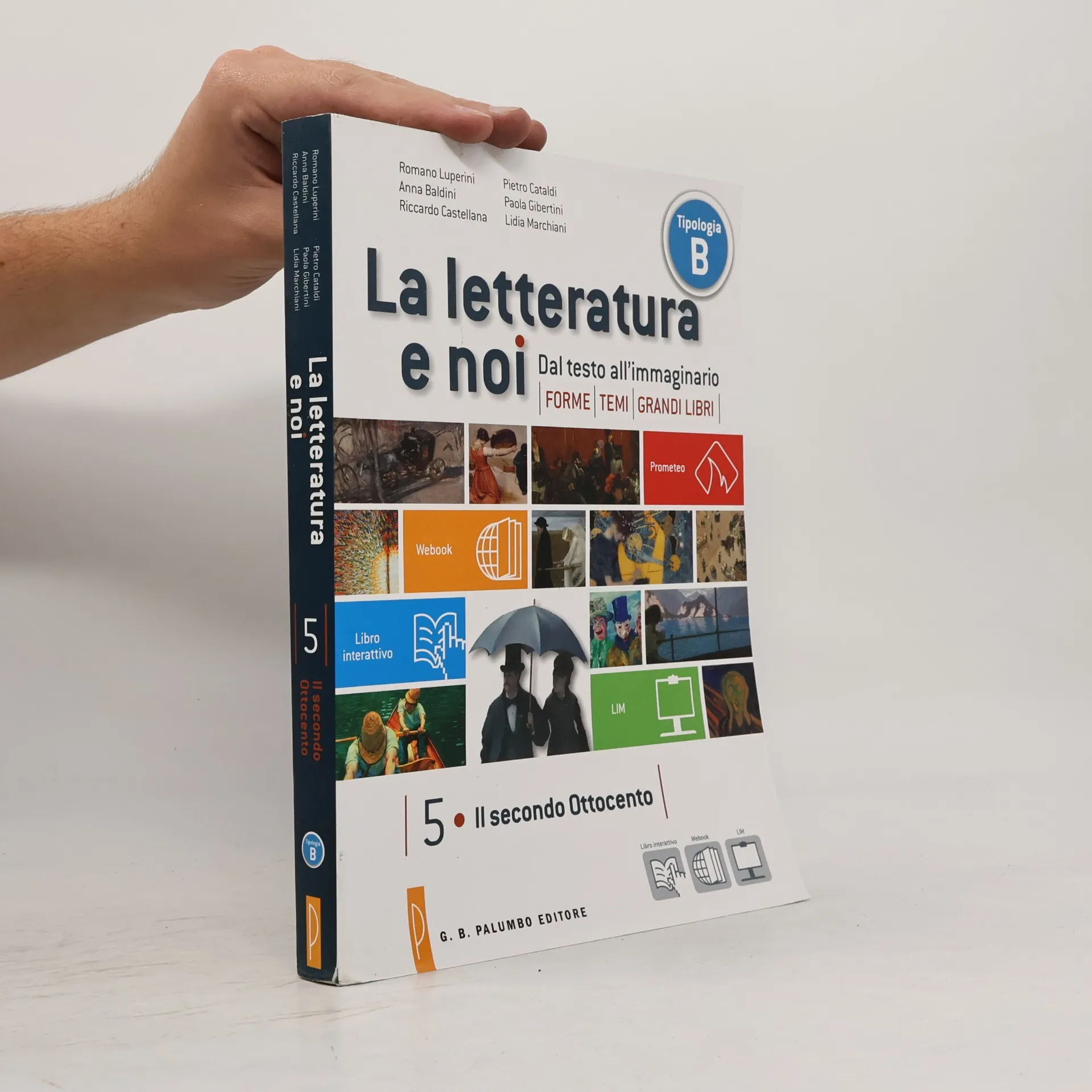
Dal testo all'immaginario: Forme, temi, grandi libri - Il secondo Ottocento
Allopera si collega un sistema didattico integrato multimediale per lo studio della letteratura italiana: un repertorio in costante aggiornamento con centinaia tra vides, testi ed esercizi, percorsi di approfondimento, materiali aggiornamento, indicizzato e fruibile attraverso un motore di ricerca. Uno strumento per espandere la lezione tradizionale e per lavorare in una 'classe virtuale' interattiva. Questo manuale propone un NUOVO PARADIGMA DIDATTICO basato su • il metodo induttivo: in modo che il carattere di un'epoca si possa evincere dalla lettura dei testi; • i Grandi libri: analizzati sempre a partire dall'Incipit e attraversati tematicamente; • l'impianto tematico: che considera la letteratura come un grande serbatoio dell'immaginario.
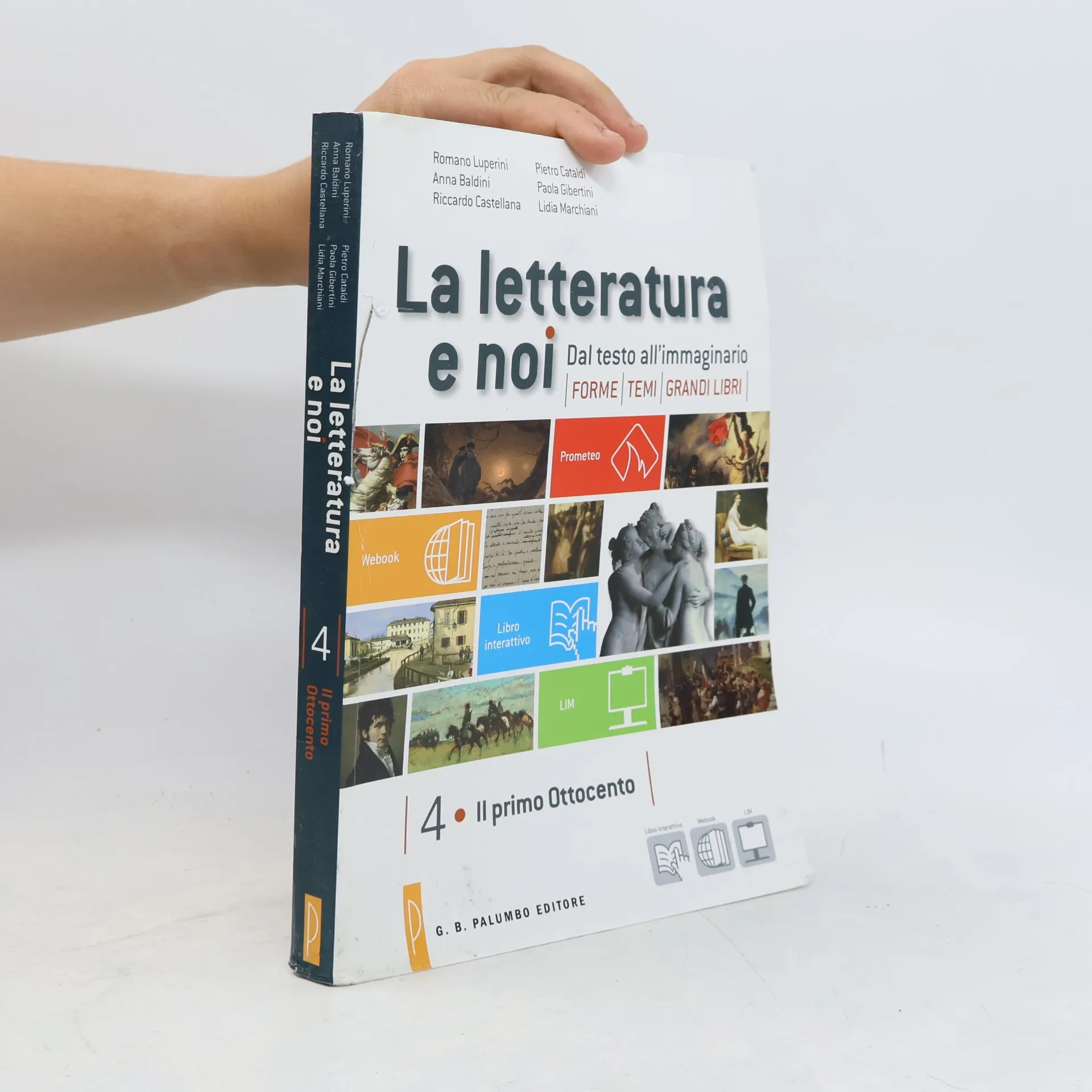
Dal testo all'immaginario - Forme, temi, grandi libri
Questo manuale propone un nuovo paradigma didattico basato su Prometeo, sistema didattico integrato multimediale. All'opera si collega un sistema didattico integrato multimediale per lo studio della letteratura italiana, un repertorio in costante aggiornamento con centinaia di testi ed esercizi, percorsi di approfondimento, mappe concettuali, aggiornamento, indicizzato e fruibile attraverso un motore di ricerca. Uno strumento per espandere la lezione tradizionale e per lavorare in una 'classe virtuale' mediante: il metodo induttivo, in modo che il carattere di un'epoca si possa evincere dalla lettura dei testi; i Grandi libri, analizzati sempre a partire dall'Incipit e attraversati tematicamente; l'impianto tematico, che considera la letteratura come un grande serbatoio dell'immaginario.
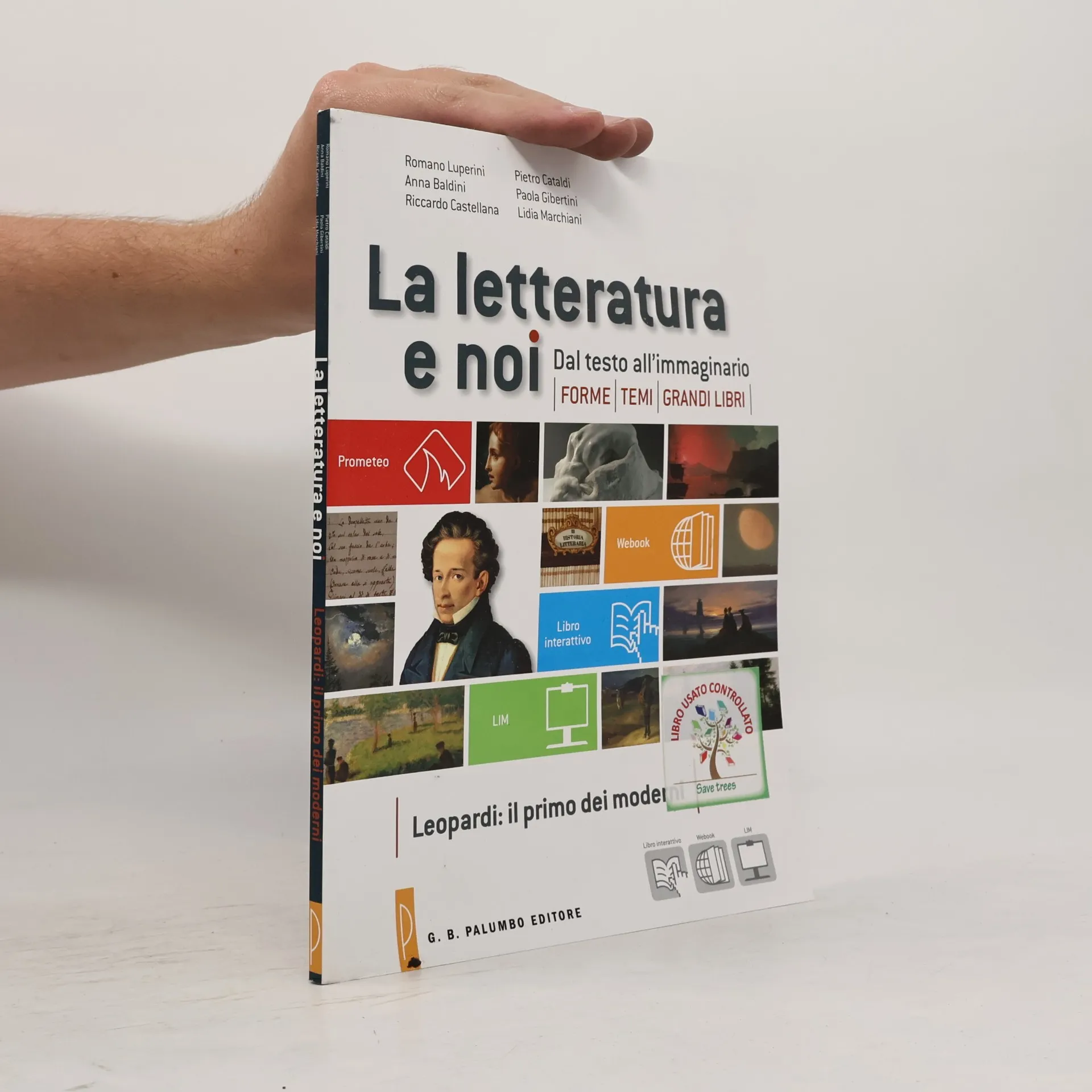
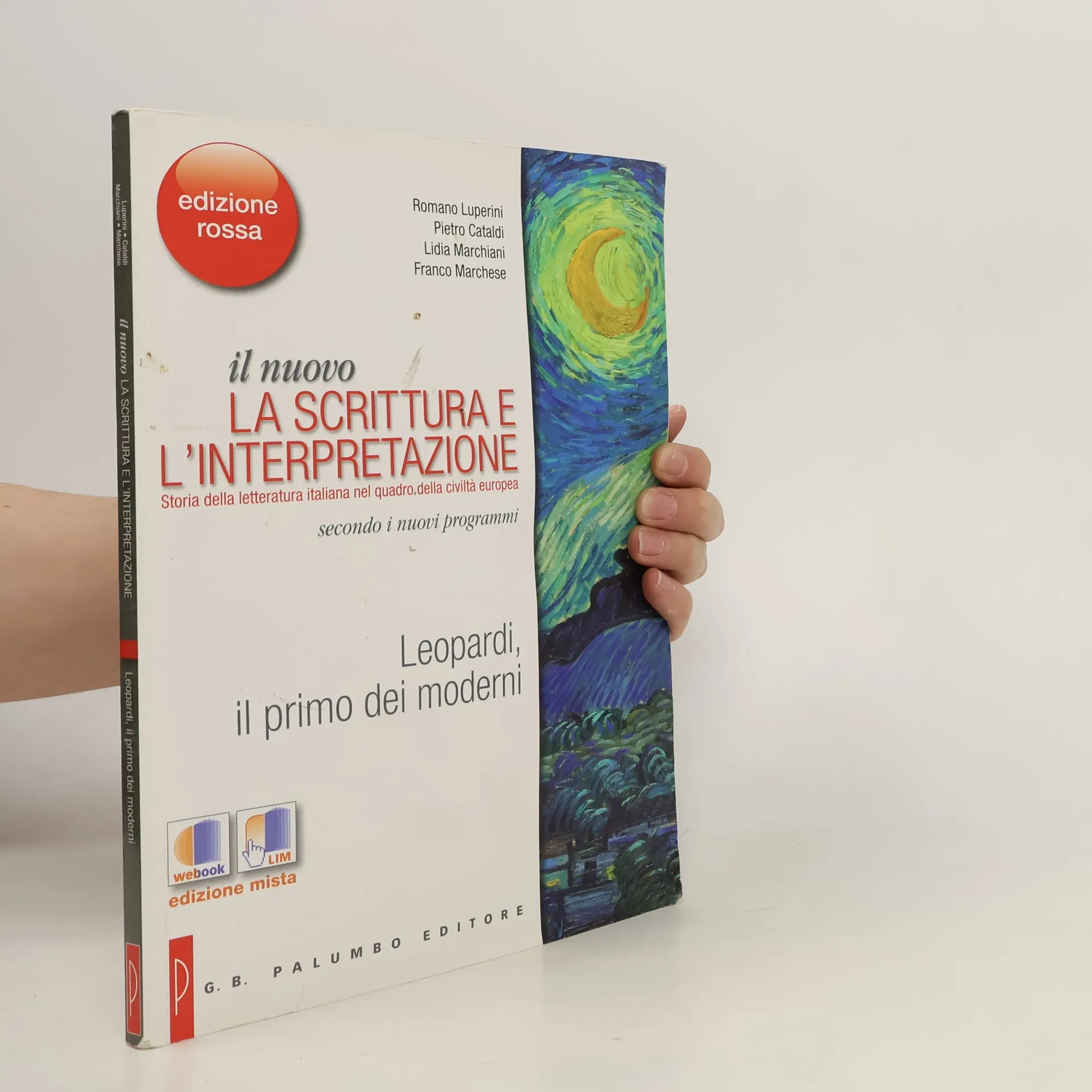
Dal testo all'immaginario - Leopardi: il primo dei moderni
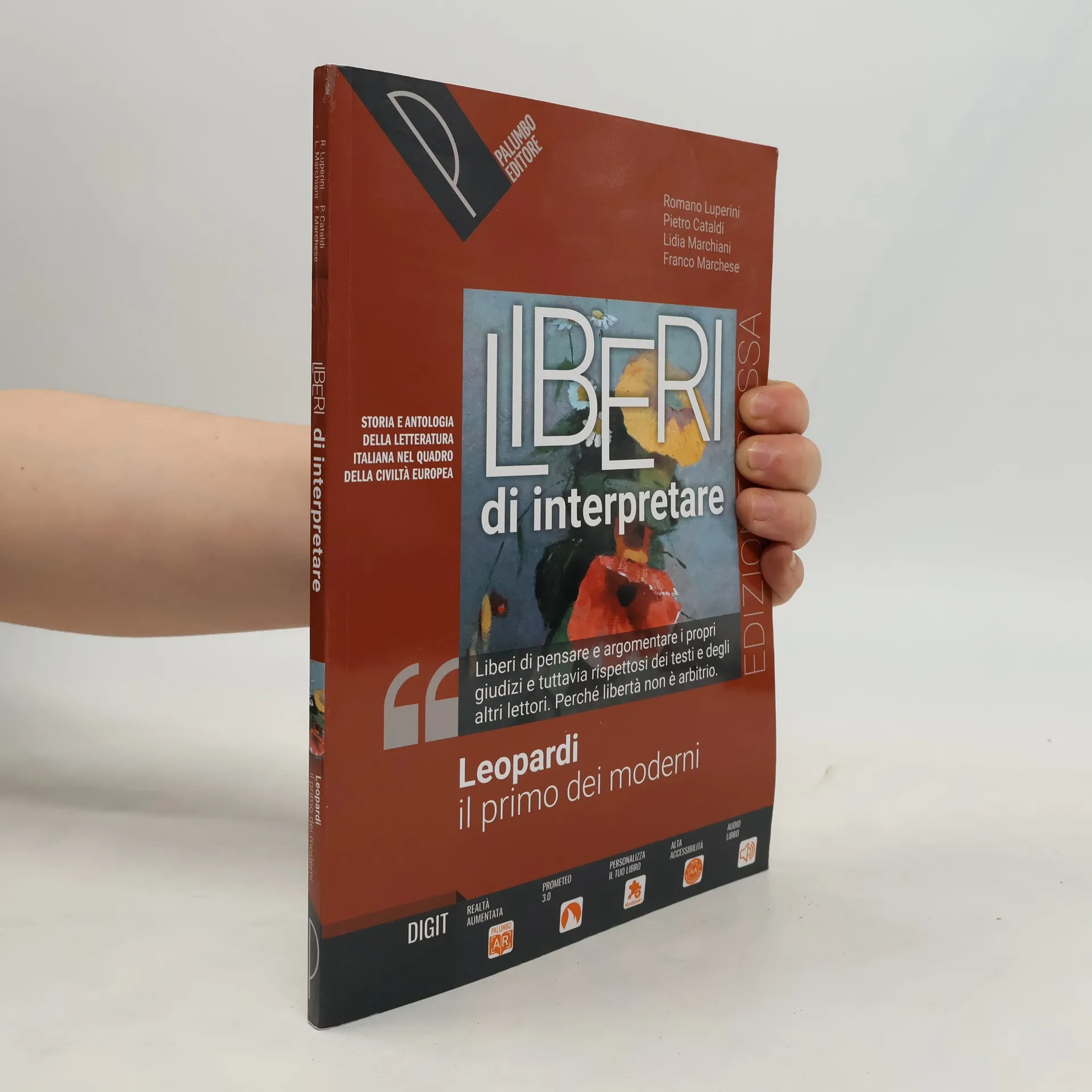
Questo manuale propone un NUOVO PARADIGMA DIDATTICO basato su prometeo sistema didattico integrato multimediale. All'opera si collega un sistema didattico integrato multimediale per lo studio della letteratura italiana: un repertorio in costante aggiornamento con centinaia tra video, testi ed esercizi, percorsi di approfondimento, materiali di aggiornamento, indicizzato e fruibile attraverso un motore di ricerca. Uno strumento per espandere la lezione tradizionale e per lavorare in una 'classe virtuale' interattiva. Il metodo induttivo: in modo che il carattere di un'epoca si possa evincere dalla lettura dei testi; i Grandi libri: analizzati sempre a partire dall'Incipit e attraversati tematicamente; l'impianto tematico: che considera la letteratura come un grande serbatoio dell'immaginario.
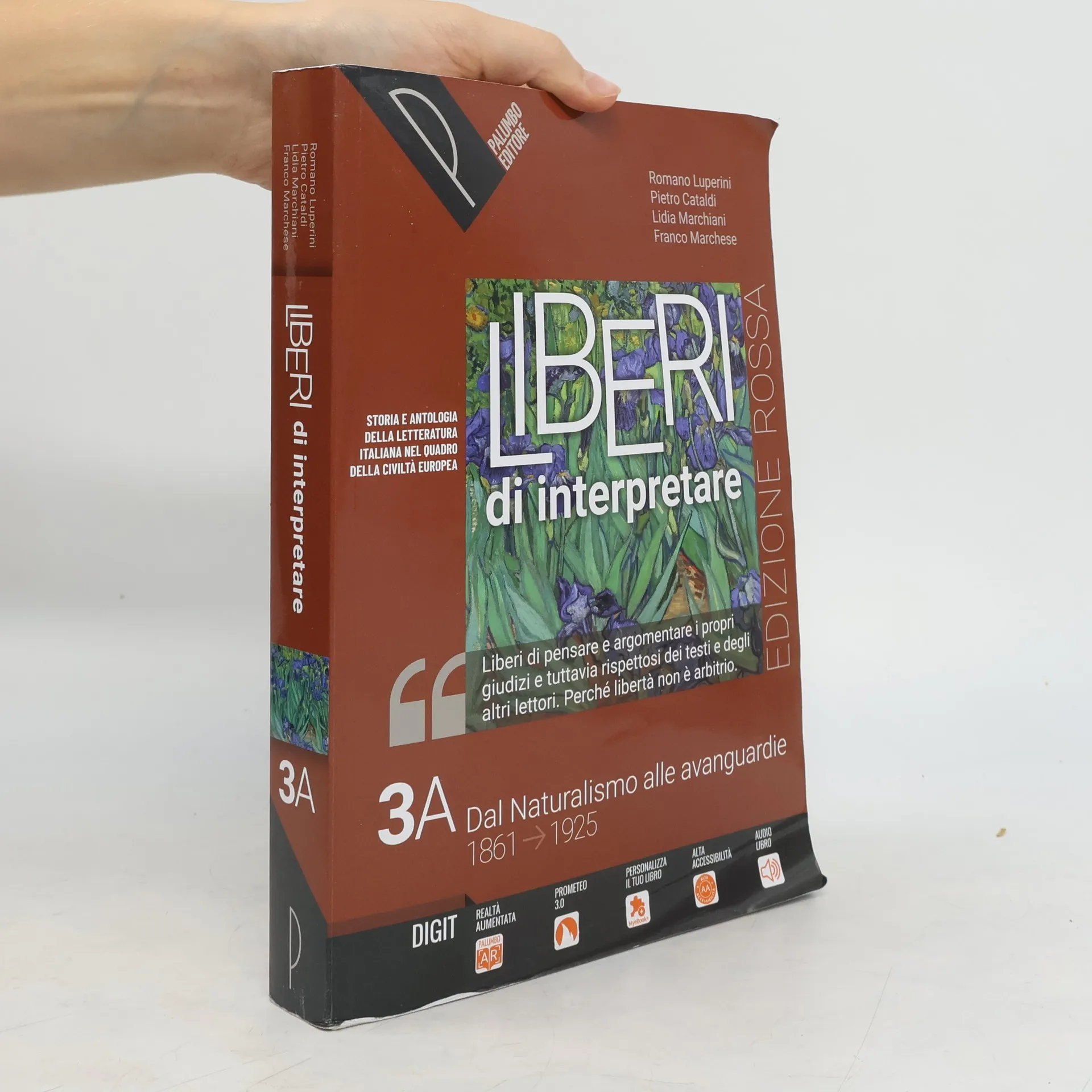
Storia della letteratura italiana nel quadro della civiltà europea - Secondo i nuovi programmi - Naturalismo, simbolismo e avanguardie (dal 1861 al 1925) - Per le scuole superiori. Con espansione online
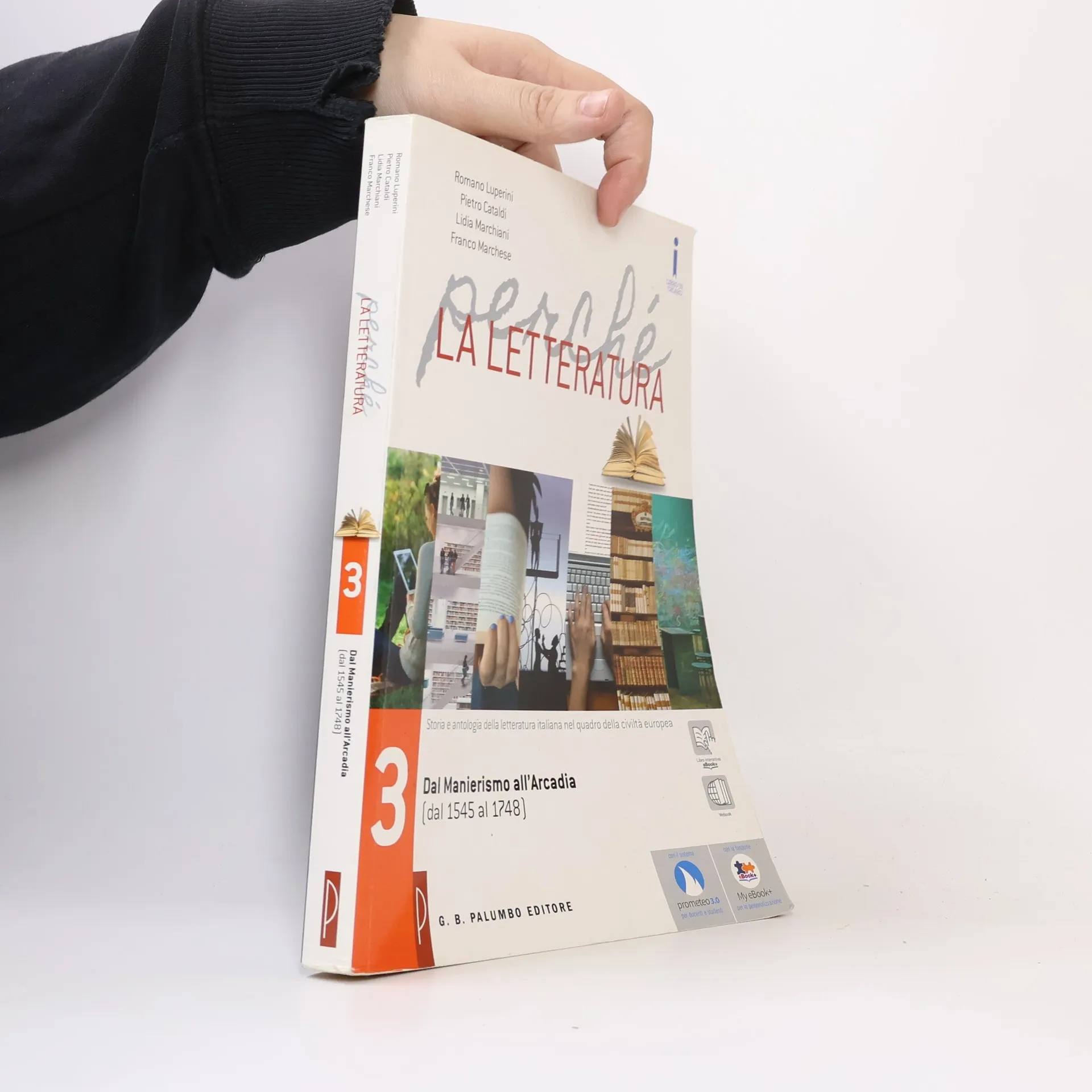
Storia e antologia della letteratura italiana nel quadro della civiltà europea - Dal Manierismo all'Arcadia (dal 1545 al 1748) - Per le scuole superiori. Con e-book. Con espansione online.
Illuminismo, neoclassicismo, romanticismo
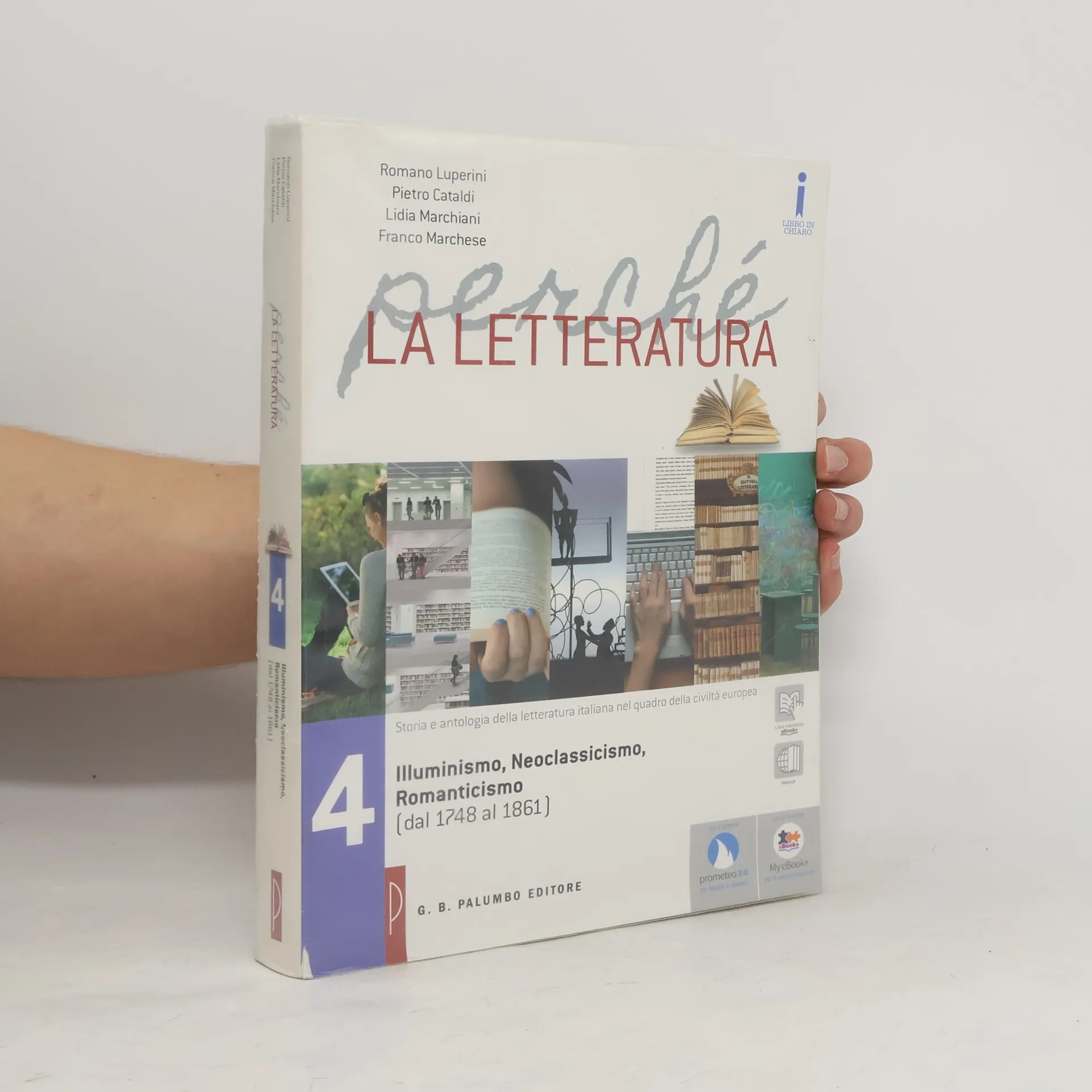
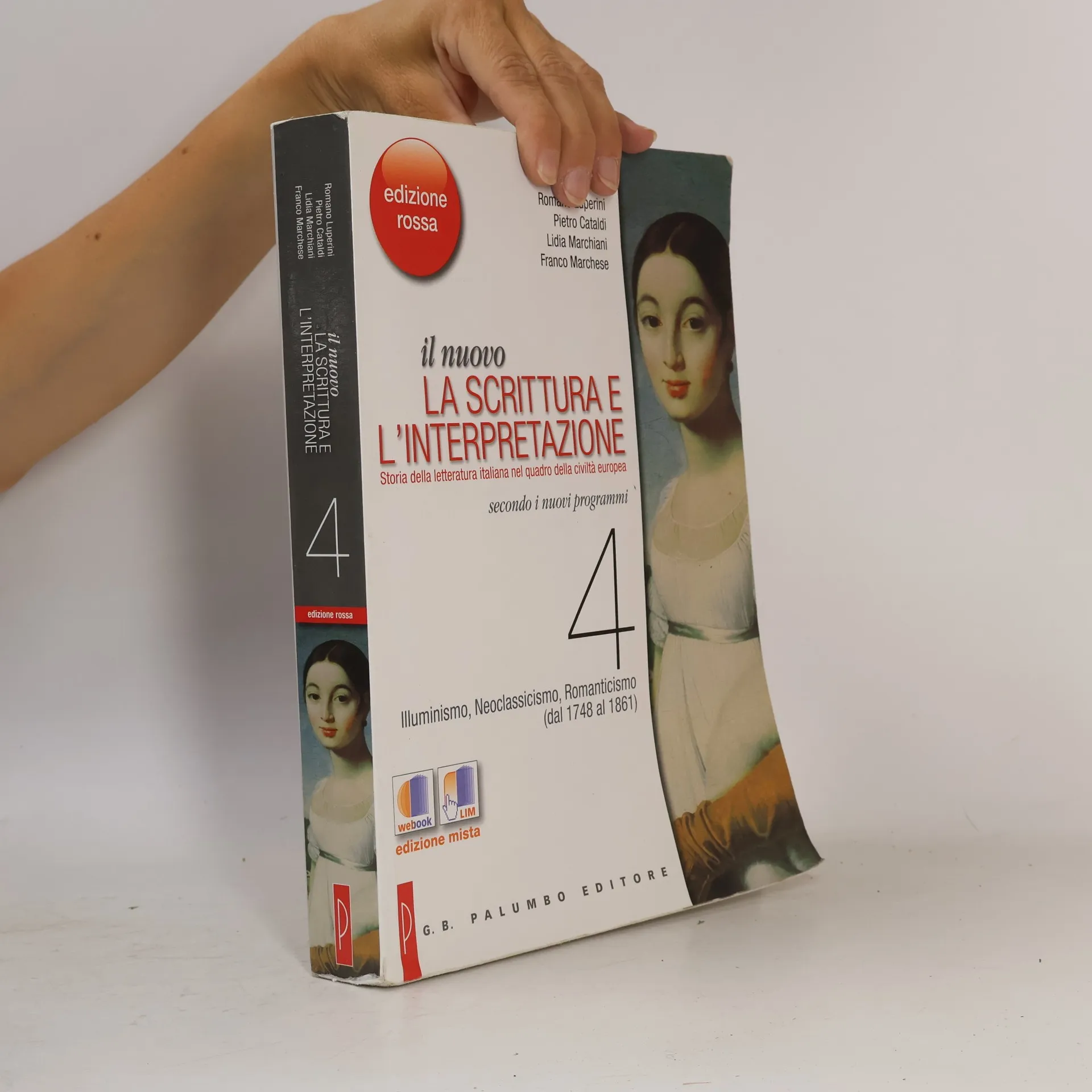
Storia e antologia della letteratura italiana nel quadro della civiltà europea. Secondo i nuovi programmi. Illuminismo, Neoclassicismo, Romanticismo (dal 1748 al 1861) - per le scuole superiori
Dal testo all'immaginario - Forme temi grandi libri. Per la 3ª clase delle Scuole superiori. Con e-book. Con espansione online
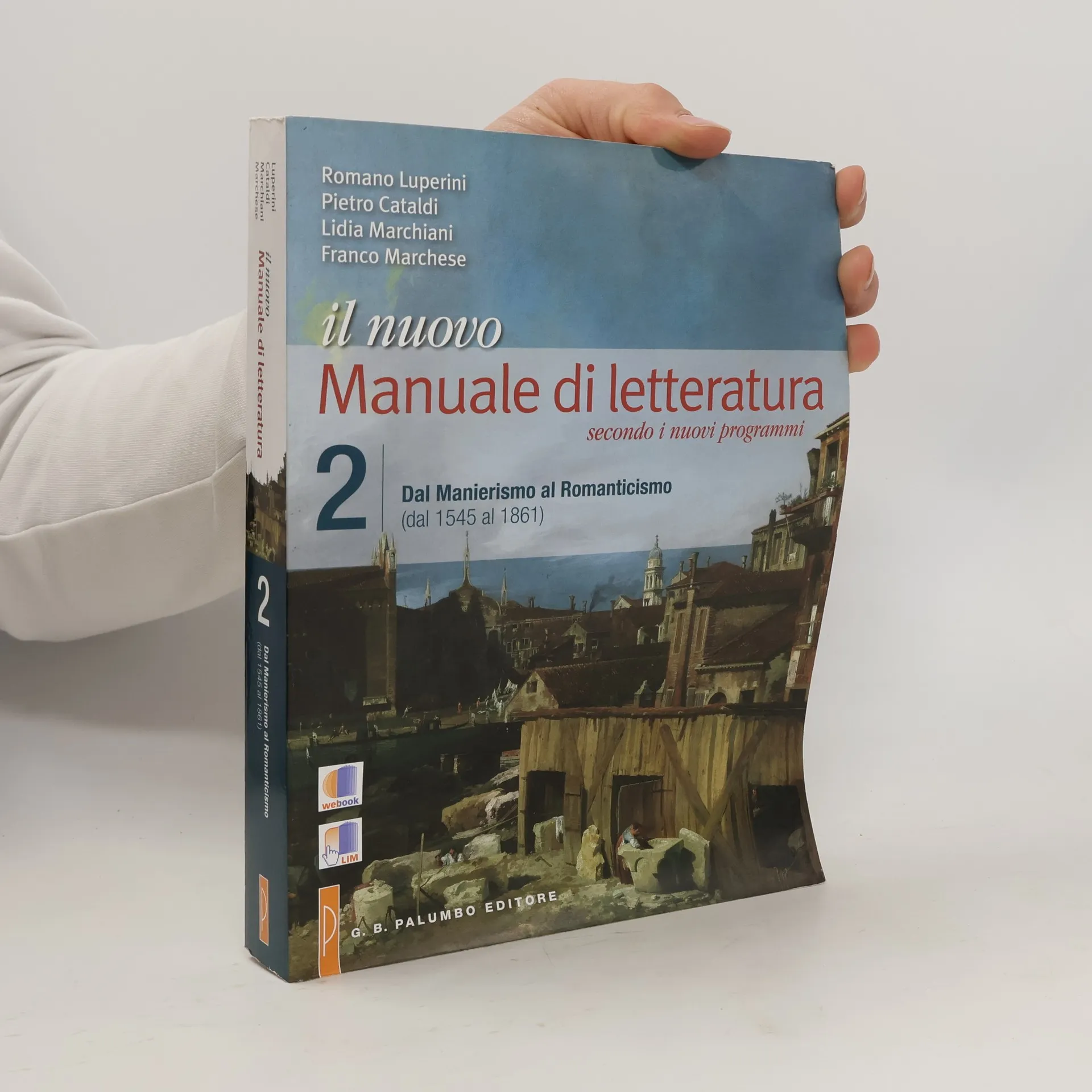
Secondo i nuovi programmi - Dal Manierismo al Romanticismo (dal 1545 al 1861)
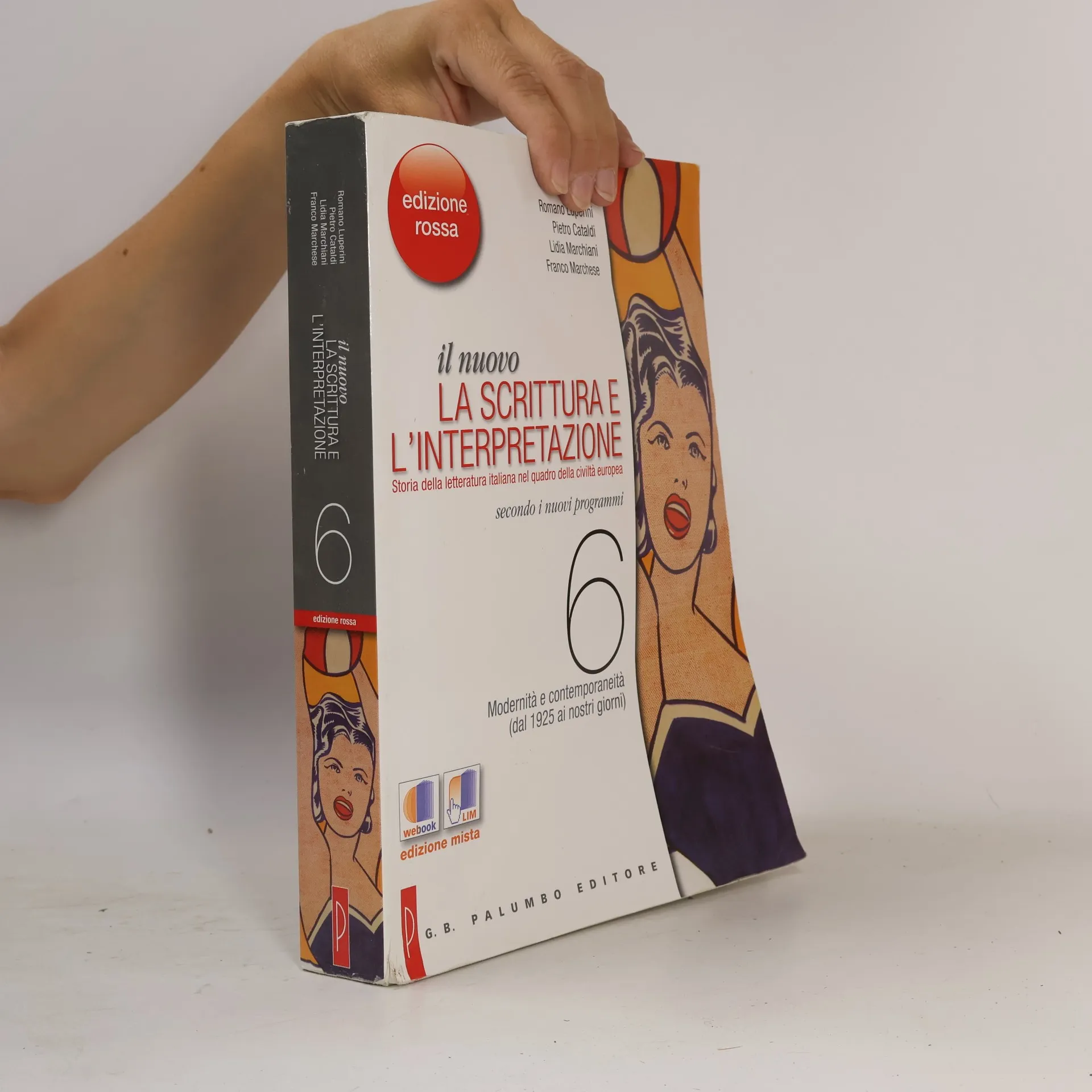
Storia della letteratura italiana nel quadro della civiltà europea secondo i nuovi programmi. Modernità e contemporaneità (dal 1925 ai nostri giorni). Con espansione online. Per le scuole superiori
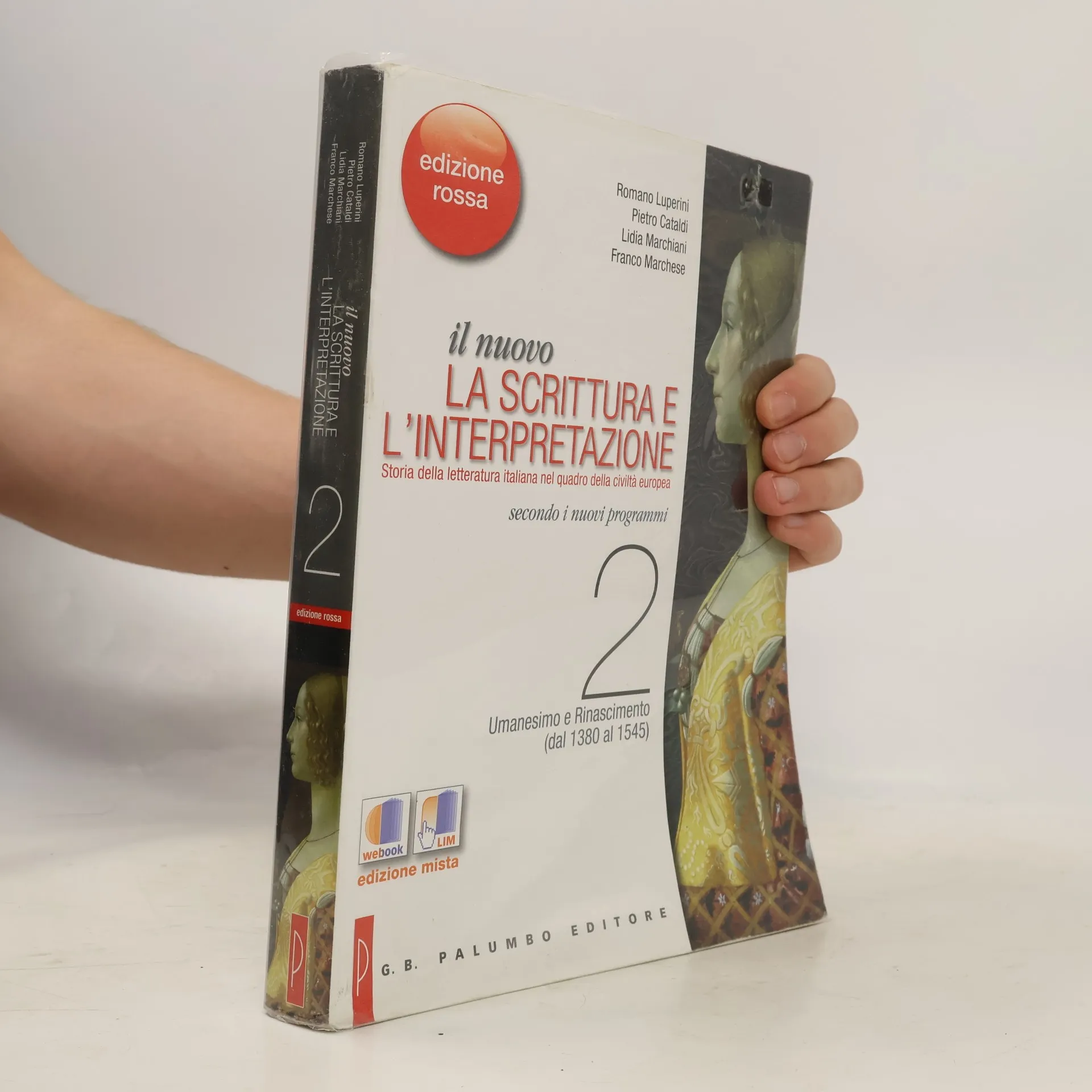
Storia della letteratura italiana nel quadro della civiltà europea - Secondo i nuovi programmi - Umanesimo e Rinascimento (dal 1380 al 1545). Con espansione online. Per le scuole superiori
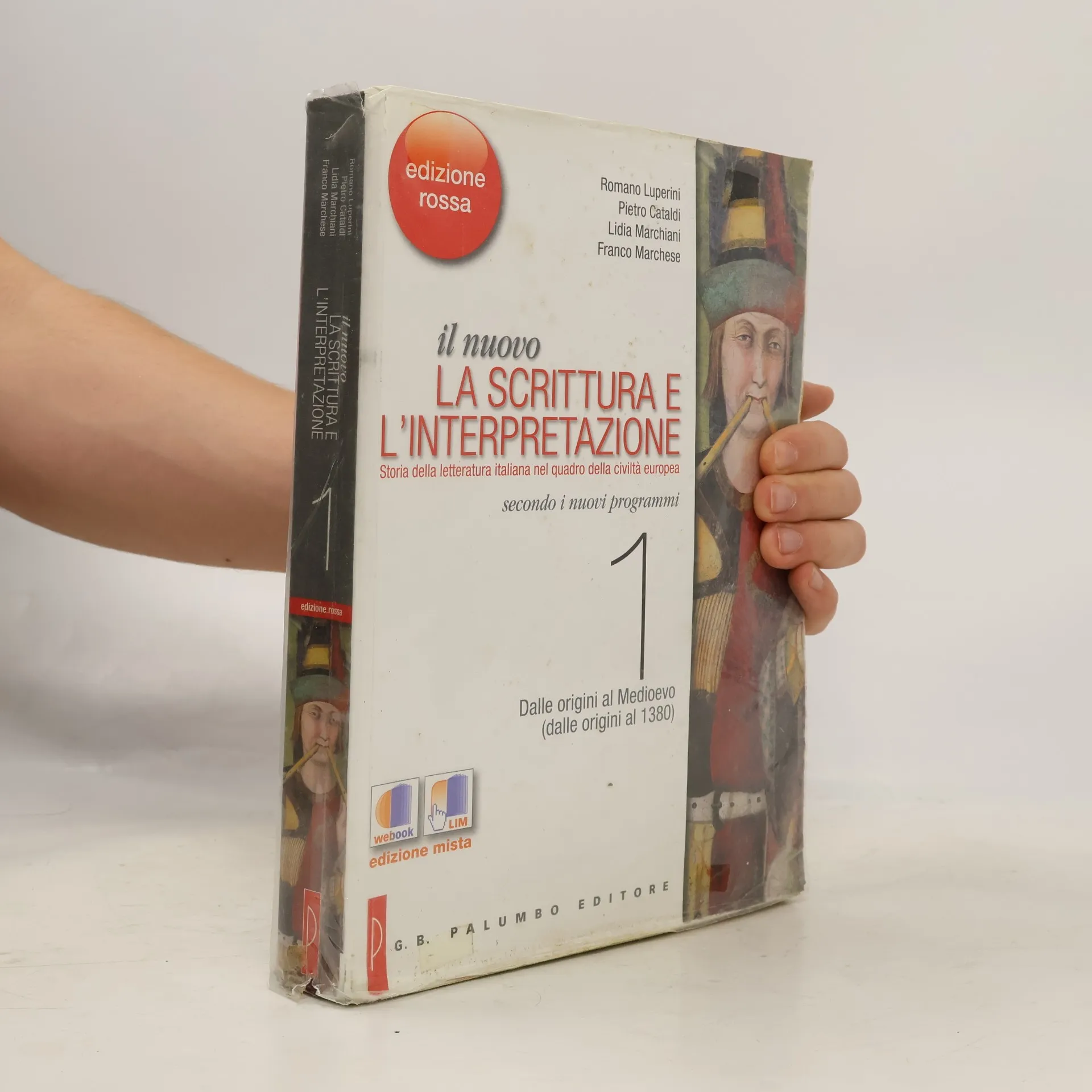
Con espansione online. Per le Scuole superiori. Storia della letteratura italiana nel quadro della civiltà europea. Secondo i nuovi programmi. Dalle origini al Medioevo (dalle origini al 1380)
Storia e antologia della letteratura italiana nel quadro della civiltà europea - Modulare. Per le scuole superiori. Con CD-ROM
Storia e antologia della letteratura italiana nel quadro della civiltà europea - Per le scuole superiori
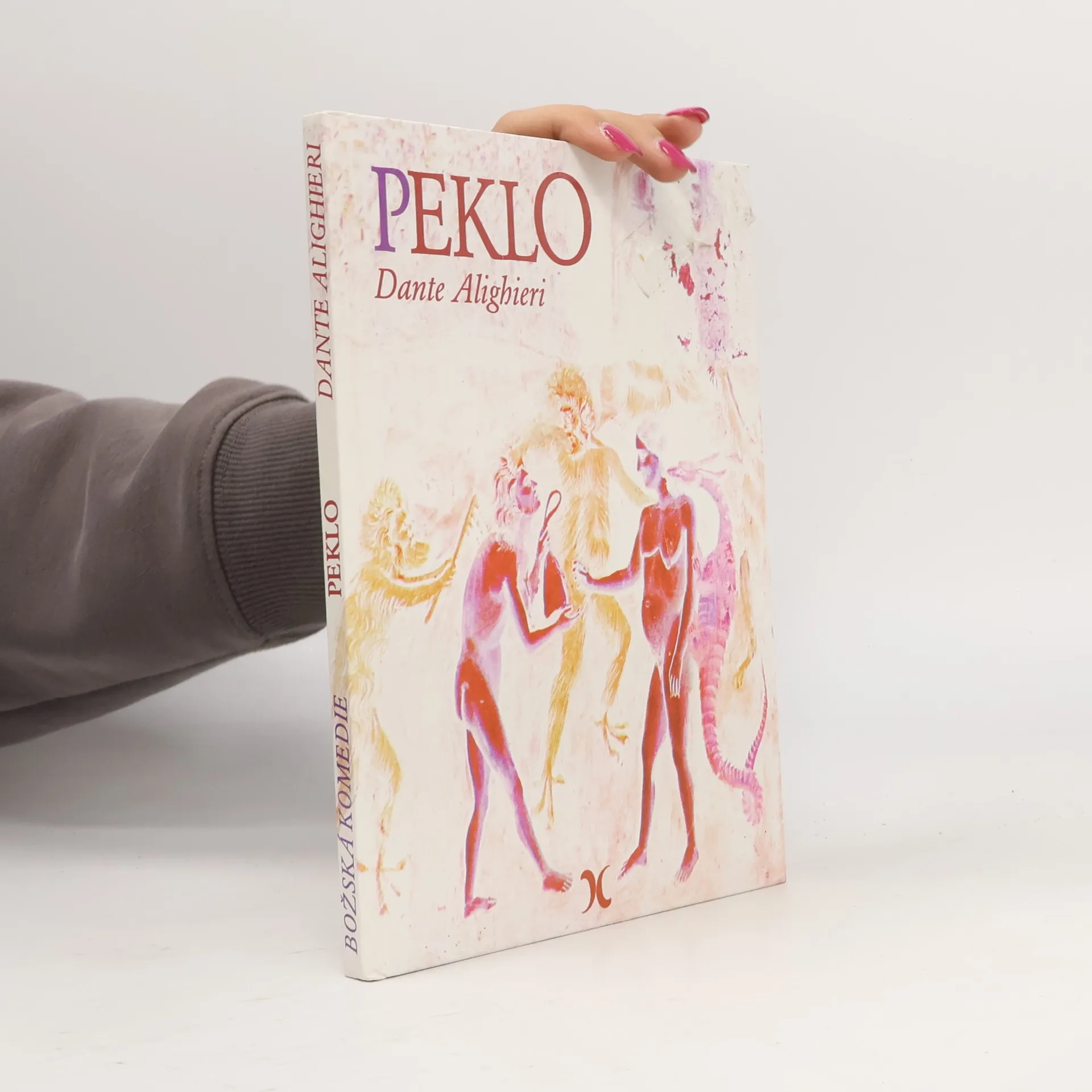
Vrcholné Dantovo dílo, v němž hlavní postava prochází postupně Peklem, Očistcem, provázený Vergilliem, i Rájem, kde je mu průvodkyní jeho zesnulá drahá Beatrice, aby se nakonec navrátil na zemi. Epos se skládá celkem ze stovky zpěvů, první zpěv Pekla je úvodem k celému eposu, dále pak obsahuje každá část třicet tři zpěvů. Celkem má Komedie 14 233 veršů. Zpěvy jsou napsány tercinami, tj. trojveršovými strofami: tercína je druh strofy (neboli sloky) sestávající ze tří deseti-, v případě tzv. ženského zakončení jedenáctislabičných veršů, pocházející z Itálie (poprvé se objevuje právě v Komedii) s důmyslným rýmovým schématem aba-bcb-cdc-ded. Triadická struktura umožňuje výstavbu děje ve schématu teze - antiteze - synteze. Je možné, že trojveršové schéma vzniklo po vzoru Nejsvětější trojice. Po Dantově vzoru jí začali užívat i Petrarca a Boccaccio. Navazuje na provensálský sirventés.