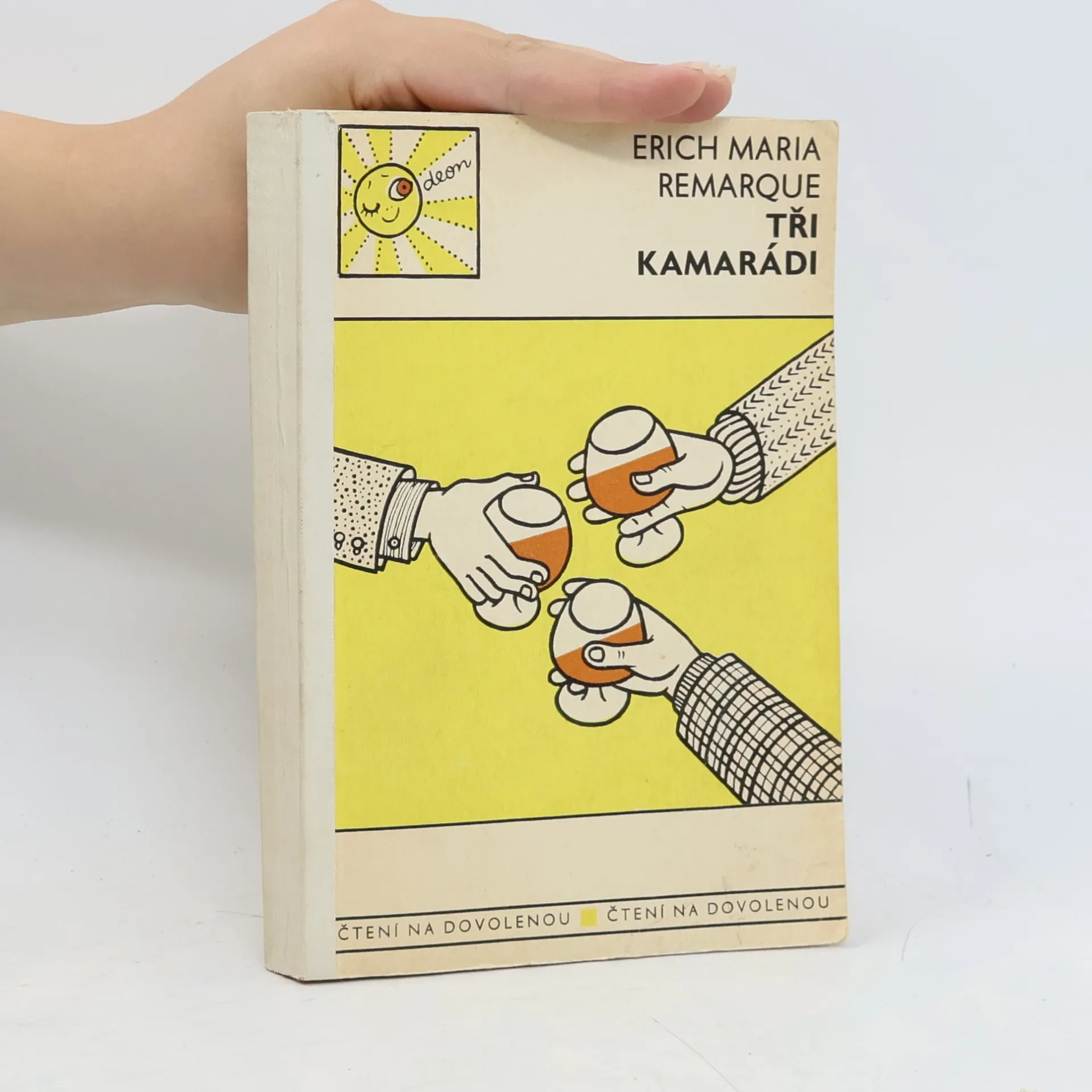
Robby, Otto a Gottfried se stali přáteli na život a na smrt během první světové války. Jako demobilizovaní vojáci neměli v poválečném rozvráceném a vyhladovělém Německu život o mnoho lehčí. Kamarádství jim však pomáhá obstát v boji o holé živobytí a dokážou se postarat i o dívku jednoho z nich, když ztratí zaměstnání a těžce onemocní. Kamarádství je to jediné, čemu dobrému je válka a bezvýchodnost po návratu z ní naučila, a právě kamarádství a láska muže k ženě, opravdová láska bez frází a patosu, obyčejná, silná, ohrožená nepřízní osudu je to, pro co stojí za to žít.
Ervino Pocar Knihy


Demian
- 180 stránek
- 7 hodin čtení
Jeden z nejvýznačnějších románů nositele Nobelovy ceny za literaturu vznikl pod vlivem psychoanalýzy, Nietzscheho myšlenek a východní filosofie. Výjimečný text o složitém hledání sebe sama, o rozpolcenosti vlastního Já nachází stále nové generace čtenářů.
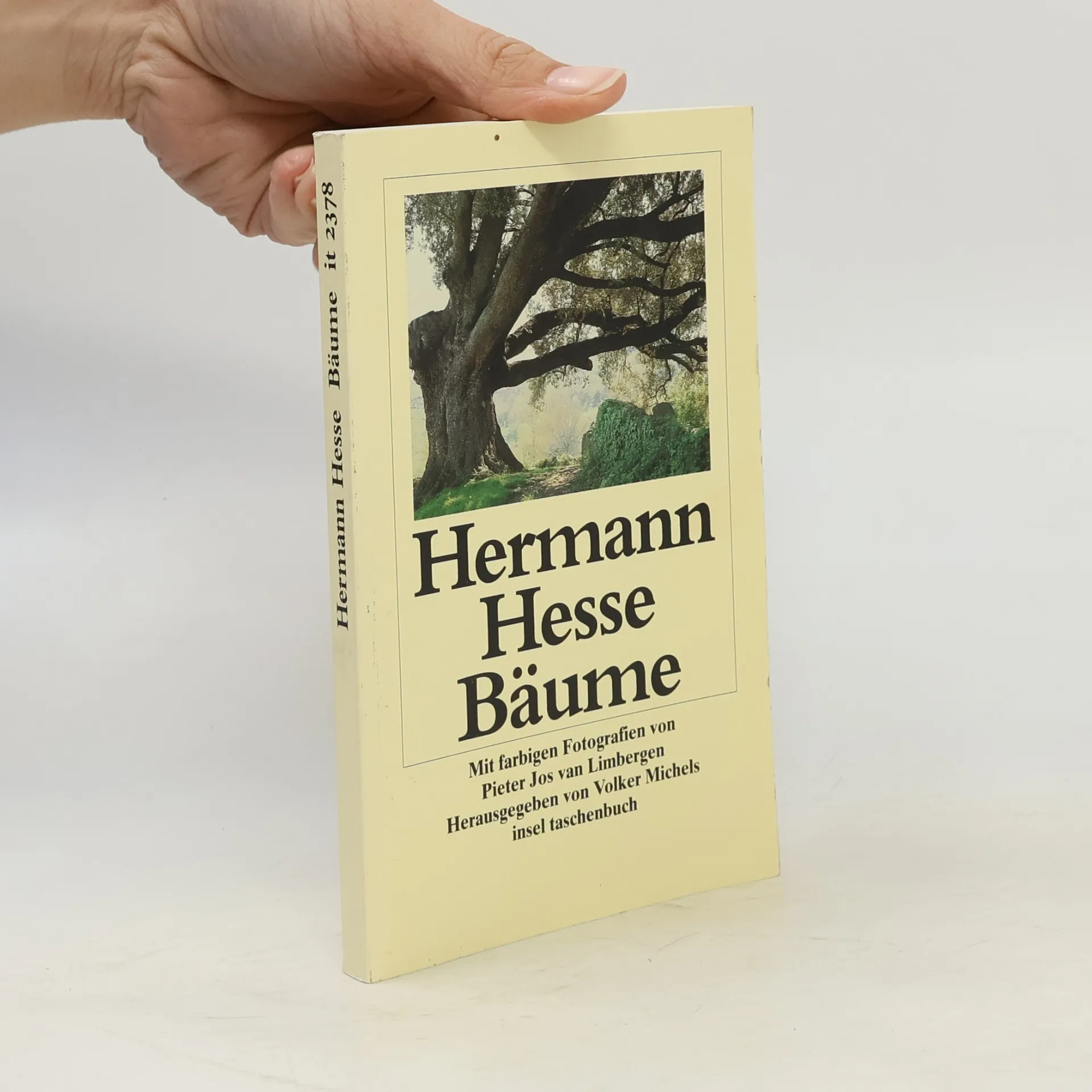
Bäume
- 175 stránek
- 7 hodin čtení
Hermann Hesse, geboren am 2.7.1877 in Calw/Württemberg als Sohn eines baltendeutschen Missionars und der Tochter eines württembergischen Indologen, starb am 9.8.1962 in Montagnola bei Lugano. Er wurde 1946 mit dem Nobelpreis für Literatur, 1955 mit dem Friedenspreis des Deutschen Buchhandels ausgezeichnet. Nach einer Buchhändlerlehre war er seit 1904 freier Schriftsteller, zunächst in Gaienhofen am Bodensee, später im Tessin. Er ist einer der bekanntesten deutschen Autoren des 20. Jahrhunderts.
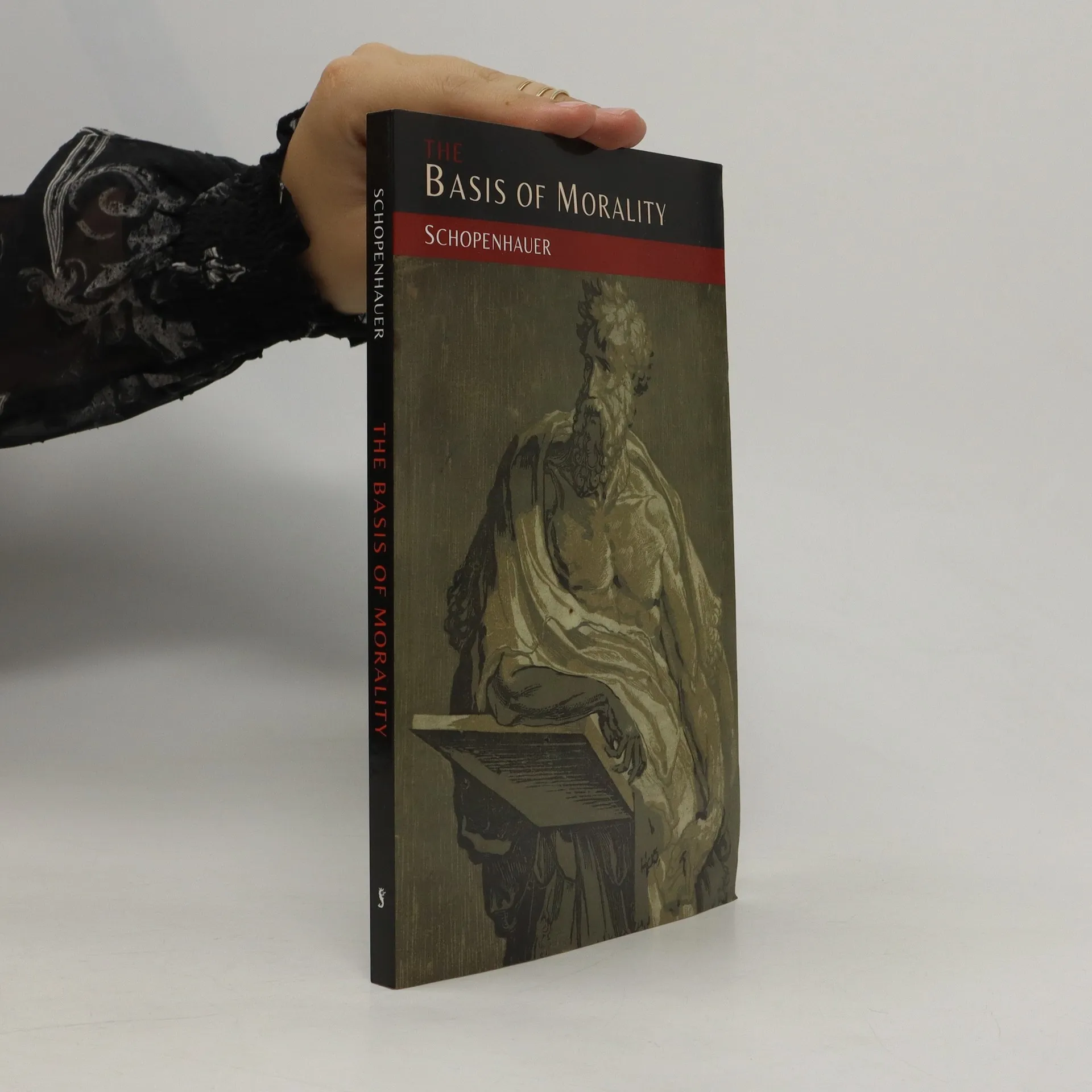
2015 Reprint of 1915 Edition. "The Basis of Morality" is one of Arthur Schopenhauer's major works in ethics, in which he argues that morality stems from compassion. Schopenhauer begins with a criticism of Kant's "Groundwork of the Metaphysic of Morals," which Schopenhauer considered to be the clearest explanation of Kantian ethics. Persuasive and humane, this classic of philosophy represents one of the nineteenth century's most significant treatises on ethics. "The Basis of Morality" offers Schopenhauer's fullest examination of traditional ethical themes, and it articulates a descriptive form of ethics that contradicts the rationally based prescriptive theories. Starting with his polemic against Kant's ethics of duty, Schopenhauer anticipates the latter-day critics of moral philosophy. Arguing that compassion forms the basis of morality, he outlines a perspective on ethics in which passion and desire correspond to different moral characters, behaviors, and worldviews. In conclusion, Schopenhauer defines his metaphysics of morals, employing Kant's transcendental idealism to illustrate both the inter-connectedness of being and the affinity of his ethics to Eastern thought.
Samostatné vydání světově proslulého románu z roku 1927. Hesse v něm bilancuje krize uplynulého desetiletí a pokouší se formulovat východiska z nich. Poučen psychoanalýzou odhaluje ponor ke kořenům vlastní osobnosti i snahu o překonání sváru ducha a pudů. Román vyniká neobvyklou strukturou, poetickou hrou fantazie i působivým prolínáním snu a skutečnosti.
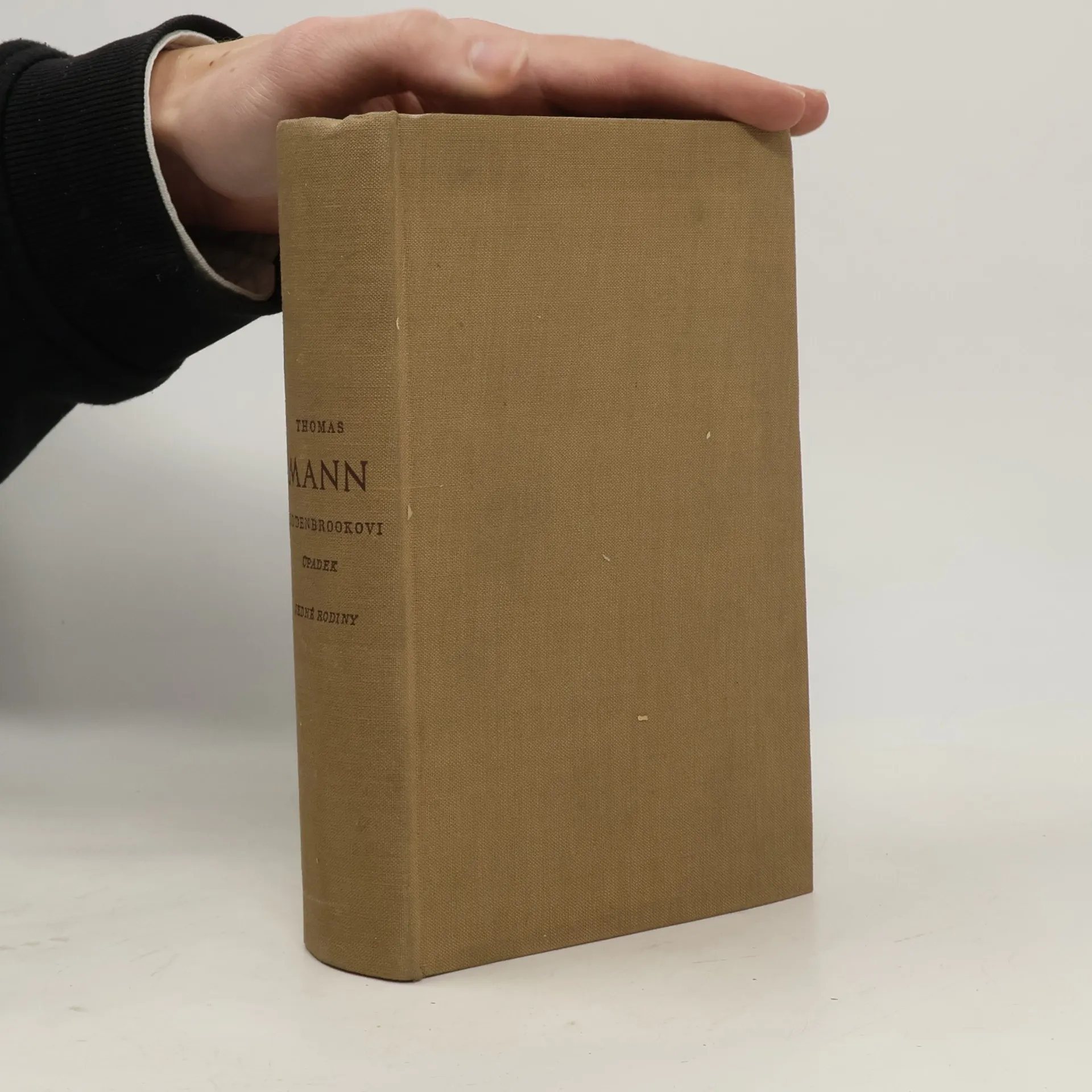
Buddenbrookovi
Úpadek jedné rodiny
Román se odehrává v městě Lübeck v letech 1835–1876 a popisuje osudy čtyř generací obchodnické rodiny Buddenbrooků, její rozmach a následný pád.
Poslední a nejrozsáhlejší román H. Hesseho se stal epilogem a vyvrcholením celého jeho díla. Vyšel v době druhé světové války a „navzdory odporně se šklebící skutečnosti“ se zabývá Hesseho stálým tématem: problémem duchovního života v moderní době. Román líčí utopický budoucí svět, v němž se kulturní elita uzavře do vzdělanecké provincie a pěstuje vědění i kulturu jako hru. Tato hra však postrádá kontakty se skutečným životem, bez nichž ztrácí smysl a bez nichž nemůže existovat ani pravá duchovnost.
Hölderlins zwischen 1797 und 1800 entstandenes Dramen-Fragment (im Band alle drei Fassungen) behandelt die letzten Tage des griechischen Philosophen Empedokles (um 495 bis um 435 v. Chr.). Über dessen Tod ist nichts bekannt, doch meinten seine Anhänger, er sei entrückt worden, was seine Gegner als Betrugsversuch werteten: Er habe sich in den Vulkan Ätna gestürzt, um seine Spuren zu verwischen. Hölderlin nimmt die Legende für wahr, schreibt also kein Geschichts-Drama, sondern feiert den Philosophen als großen, verkannten Weisen, den Verkünder einer neuen Welt.
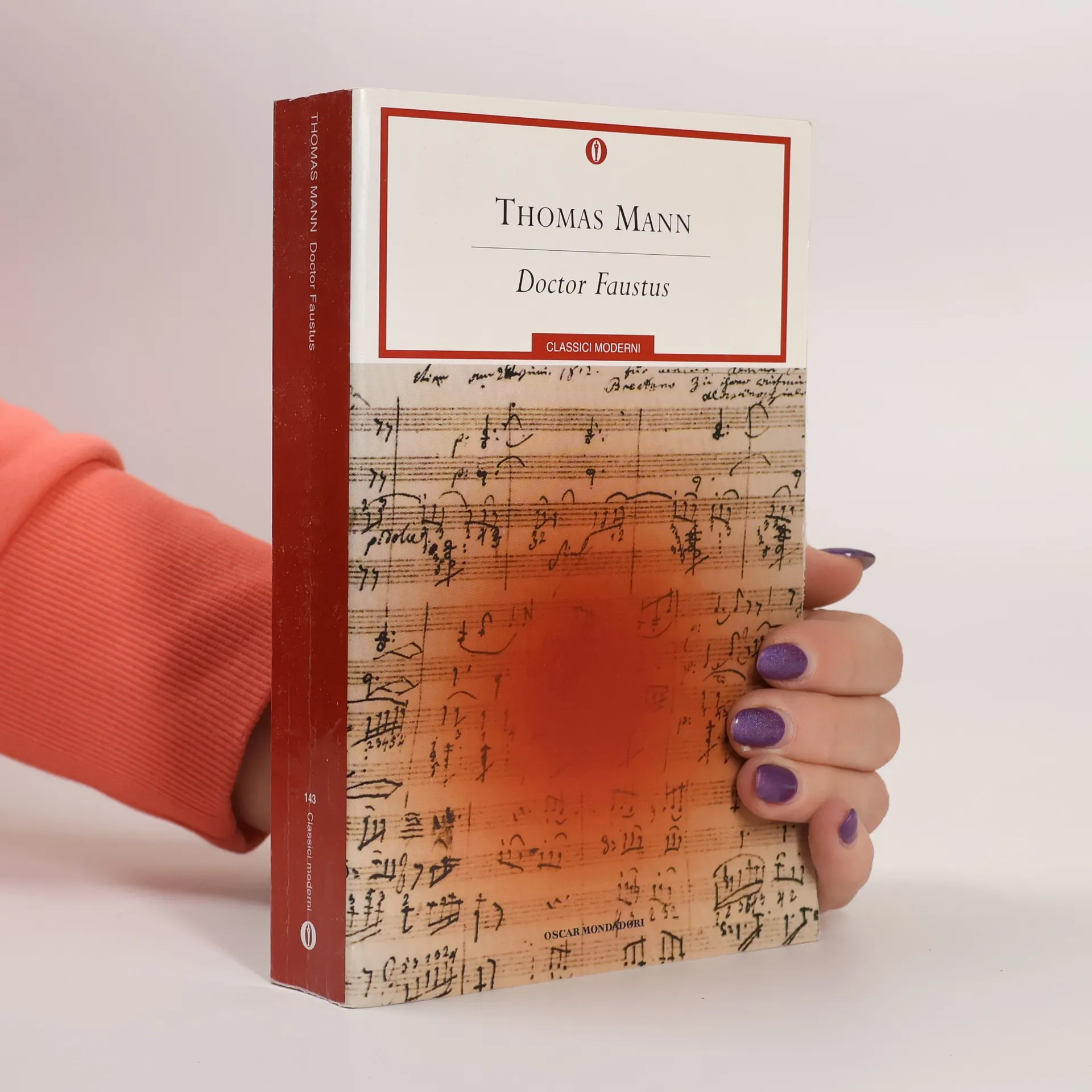
Oscar classici moderni - 143: Doctor Faustus
La vita del compositore tedesco Adrian Leverkühn narrata da un amico
- 579 stránek
- 21 hodin čtení
Opera tra le più significative di Thomas Mann, Doctor Faustus è la tragica storia di Adrian Leverkühn, un musicista tedesco che come Faust ottiene dal demonio anni di meravigliosa attività intellettuale in cambio della dannazione eterna. Scritto alla fine della Seconda guerra mondiale e nell'immediato dopoguerra, il romanzo dà voce all'atmosfera disperata di quella che fu la catastrofe della Germania. Intorno alla narrazione principale, che abbraccia tre generazioni, si muove un mondo di personaggi presentati con la sapiente maestria di un grande stilista, con accorata pietà o con mordente ironia, mentre alla trama centrale si annodano digressioni che spaziano nei campi della musica, della filosofia, della scienza.
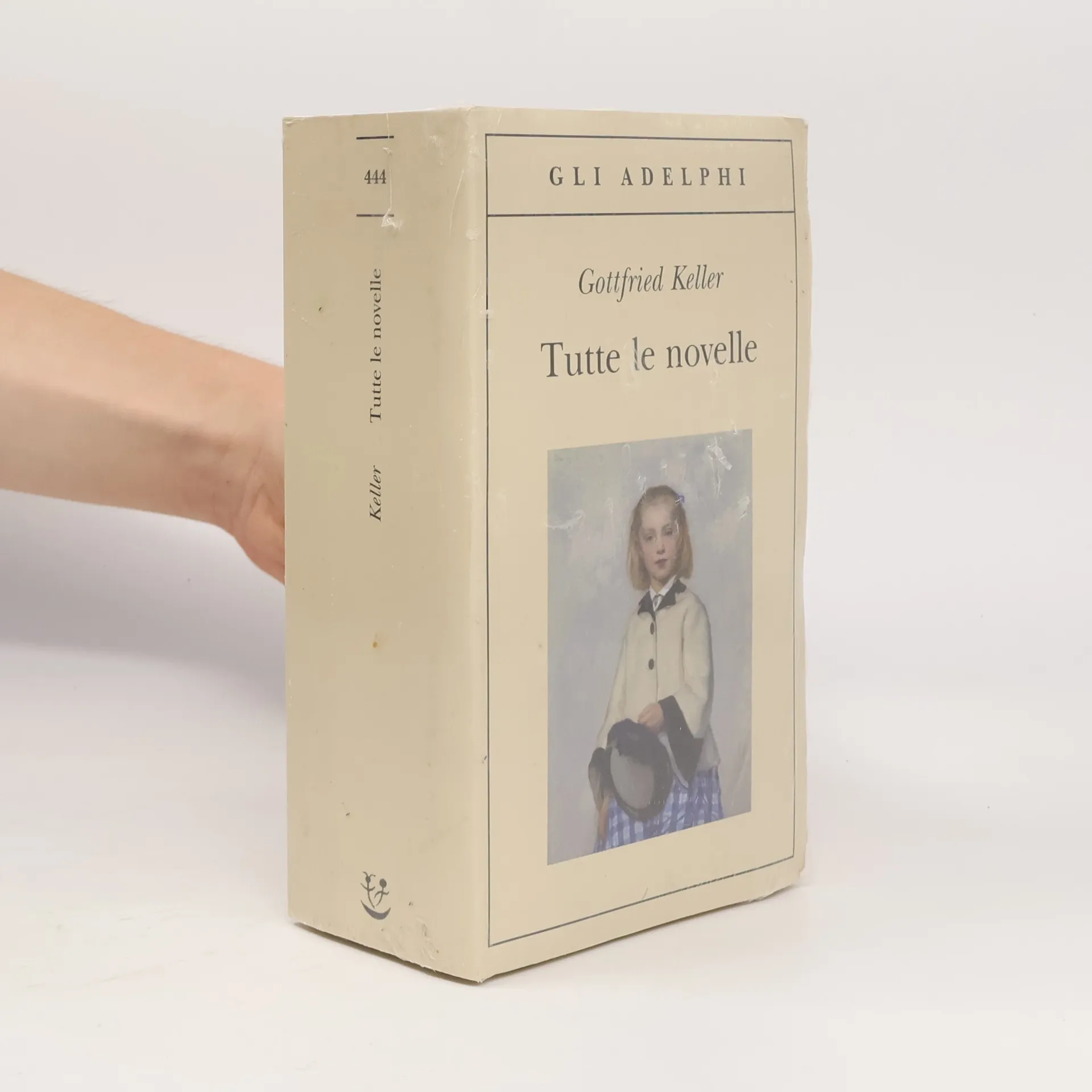
Gli Adelphi - 444: Tutte le novelle
- 1266 stránek
- 45 hodin čtení
«Più ancora che nei romanzi, Keller si rivelò artista di prima grandezza nei racconti, che ora hanno visto la luce in Italia in una splendida e completa raccolta pubblicata dalla casa editrice Adelphi. Novelle ricche di humour, di invenzione fantastica, di grazia fiabesca e di acutezza realistica ... In queste novelle, magnificamente tradotte e presentate, palpita la dimensione più alta, più aperta della narrativa tedesca di quegli anni».Claudio Magris