

When friends ask for recommendations in Japan, I inquire about their interests. Some immerse themselves in the Kabuki theater in Tokyo, while others explore Tohoku's culinary delights. Tokyo's vibrant energy attracts many, but some prefer the serenity of Kyoto, a symbol of traditional culture. This book is structured to simplify the diverse cultural and geographic offerings. The first section, History and Culture, delves into significant historical periods and key figures, with their names highlighted throughout. It provides an overview and practical references on various topics, including cuisine, which features bilingual menus for restaurant orders and concludes with recommendations. The second section, Japan by Region, organizes ten regional chapters from north to south, covering Honshu, Shikoku, Hokkaido, Kyushu, and the Okinawan archipelago. Each chapter includes an introduction, top attractions, special interests, and seasonal events. Transit diagrams at the start of each chapter illustrate main train lines and side routes, with junctions and stations numbered for easy navigation. For instance, to visit Dewa Sanzan, refer to the Tohoku transit diagram and follow the outlined route. Dining and lodging options are listed for each locale, complete with area codes and a number-key system on local maps. Establishments are rated on a one to three-star scale based on quality, service, and atmosphere, with credit card informat
Nicholas Palevsky Knihy
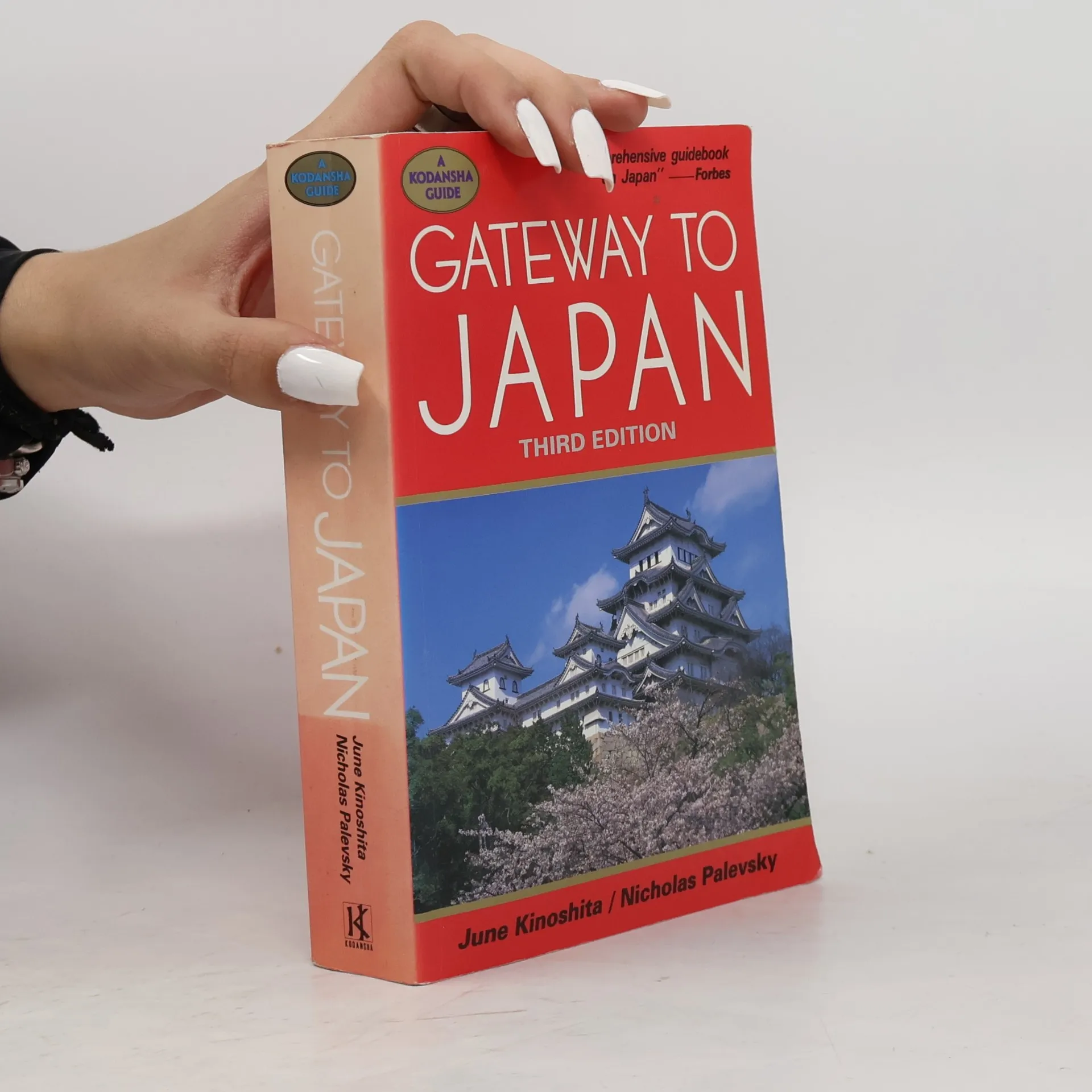

Kodansha Guide: Gateway to Japan: Third Edition
- 808 stránek
- 29 hodin čtení
When friends ask for recommendations in Japan, I often start with their interests. Some immerse themselves in Tokyo's Kabuki theater, while others explore Tohoku's culinary delights. Many love the vibrant energy of Tokyo, while others prefer the serenity of Kyoto, the former imperial city. The range of cultural and geographic experiences can be overwhelming, which is why this book is divided into two sections: History and Culture, and Japan by Region. The History and Culture section provides an overview of significant historical periods and key figures, identified in uppercase letters throughout the text. Topics like "Cuisine" include bilingual menus for ordering in restaurants, and each chapter concludes with recommendations, with any mentioned locations in uppercase. Japan by Region features ten chapters organized geographically from north to south, covering Honshu, Shikoku, Hokkaido, Kyushu, and Okinawa. Each chapter starts with an introduction and lists top attractions, interests, and seasonal events. Transit diagrams at the beginning of each regional chapter illustrate the main train lines and side routes, with stations numbered for easy navigation. Dining and lodging options are detailed at the end of each locale, complete with area codes, local maps, and a rating system based on quality and service. Credit card information is also provided when available.