Každý rok v srpnu se Ana Magdalena plaví trajektem na ostrov, kde je pohřbena její matka, aby navštívila její hrob. Tyto cesty se nakonec stanou neodolatelnou pozvánkou k tomu, aby se na jednu noc v roce stala jiným člověkem. Je šťastně vdaná a rozhodně nemá důvod rozbíjet svět, který si vytvořila se svým mužem a dětmi. A přesto se znovu vydává na cestu, aby se setkala s náhodným milencem. Poslední dílo nalezené v pozůstalosti slavného spisovatele je hymnou života, oslavou radosti navzdory uplývajícímu času a ódou na ženskou touhu.
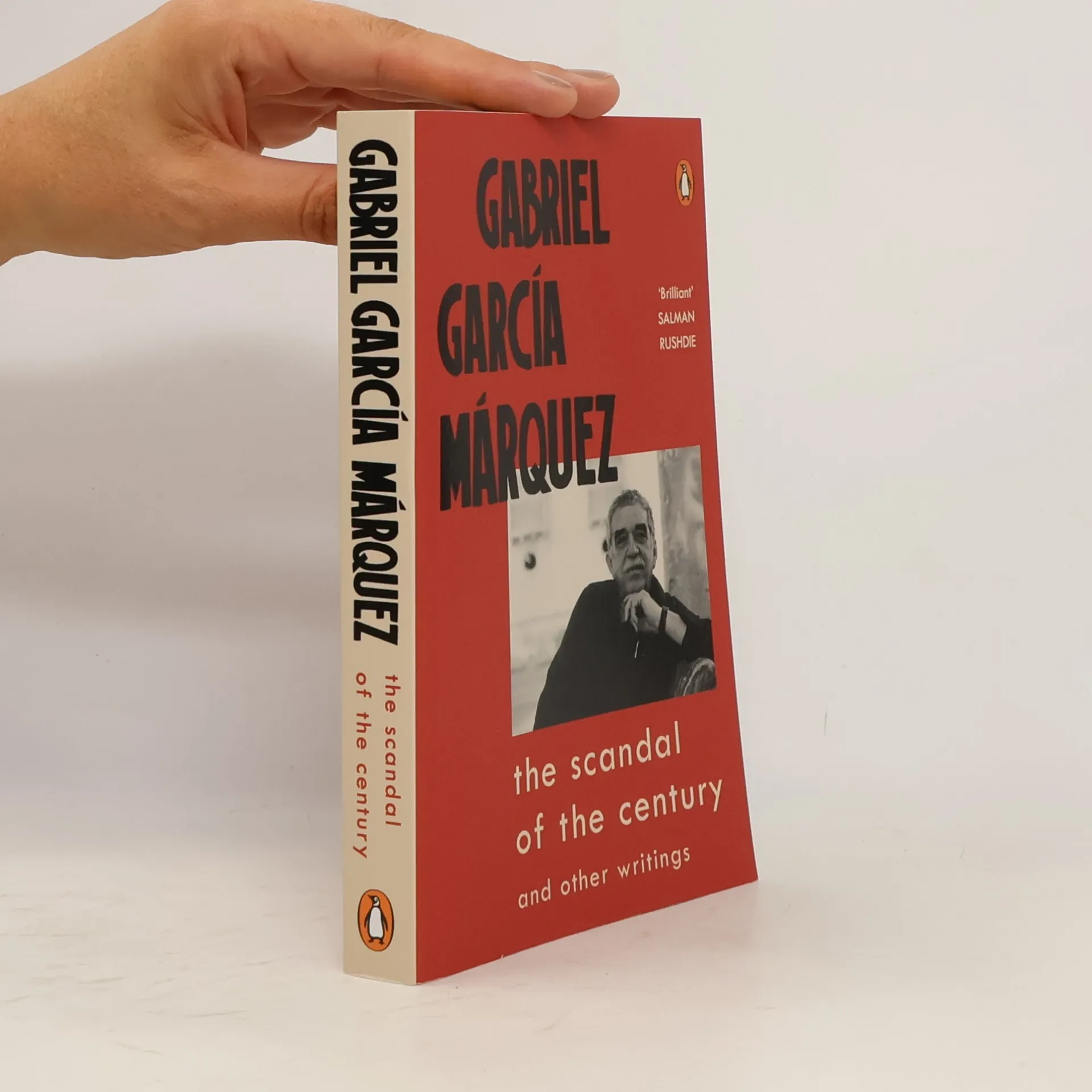
A new collection of journalism from one of the great titans of 20th century literature "I don't want to be remembered for One Hundred Years of Solitude or for the Nobel Prize but rather for my journalism," Gabriel García Márquez said in the final years of his life. And while some of his journalistic writings have been made available over the years, this is the first volume to gather a representative selection from across the first four decades of his career--years during which he worked as a full-time, often muckraking, and controversial journalist, even as he penned the fiction that would bring him the Nobel Prize in 1982. Here are the first pieces he wrote while working for newspapers in the coastal Colombian cities of Cartagena and Barranquilla . . . his longer, more fictionlike reportage from Paris and Rome . . . his monthly columns for Spain's El País. And while all the work points in style, wit, depth, and passion to his fiction, these fifty pieces are, more than anything, a revelation of the writer working at the profession he believed to be "the best in the world." 'García Márquez always thought of himself as a journalist first and foremost and this brilliant collection goes a long way towards justifying that belief.' Salman Rushdie