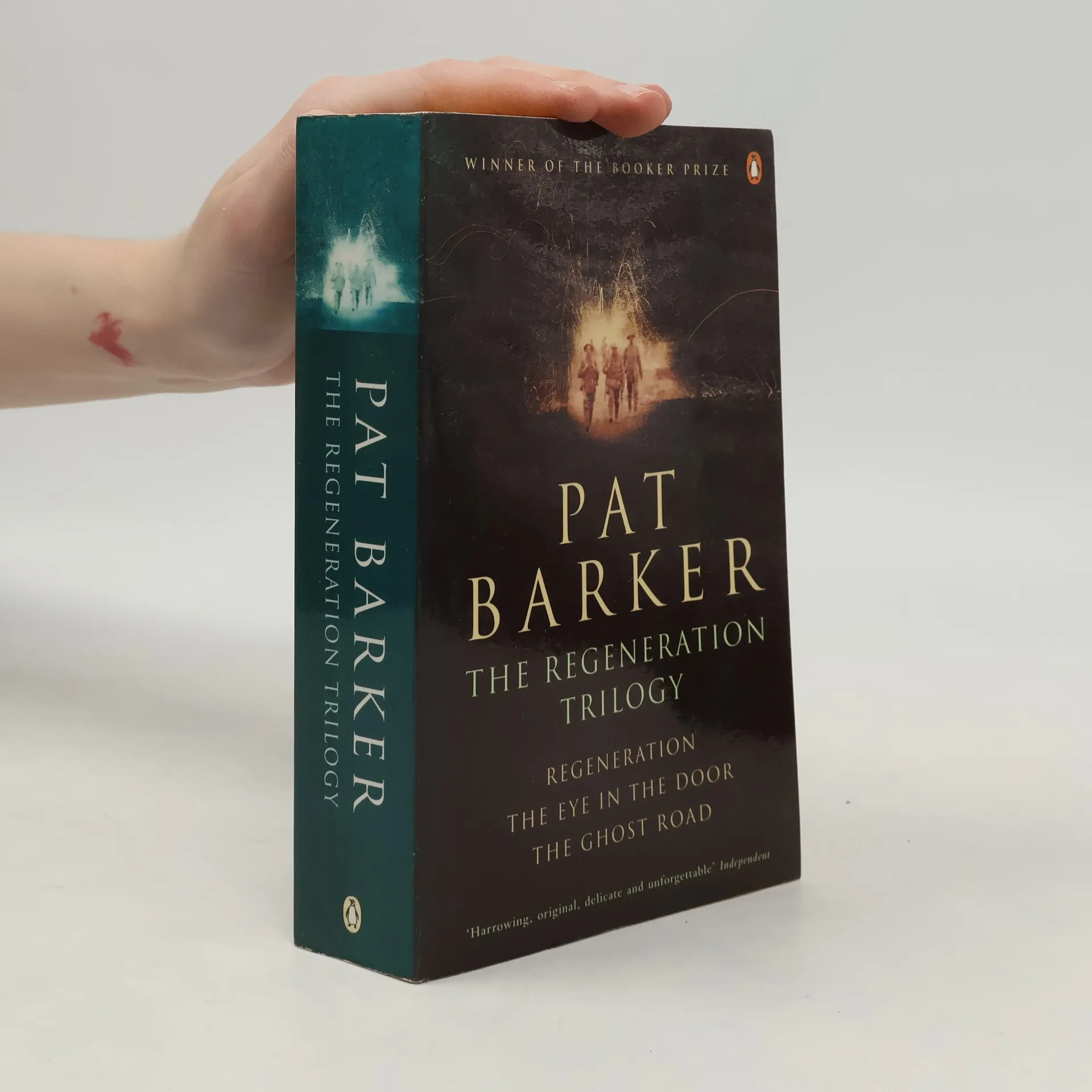
Including all three novels in one volume, "Regeneration", "The Eye in the Door" and "The Ghost Road". The trilogy explores with gritty realism the whole dirty, glorious and horrifying business of war.
A celebration of love in its many guises, The Republic of Love recounts the heartfelt tale of two of life's unlucky lovers: Fay, a folklorist whose passion for mermaids has kept her from focusing on any one man; and, right across the street, Tom, a popular radio talk-show host who s been through three marriages and divorces in his search for true happiness.
The Ghost Road is the shattering conclusion of Pat barker's brilliant World War I trilogy. Set in the final months of the war, The Ghost Road focuses on Dr. William Rovers, the compassionate psychiatrist of Regeneration and Lt. Billy Prior, last seen as a domestic intelligence agent in The Eye in the Door. "A triumph of imagination".--Publisher's Weekly.
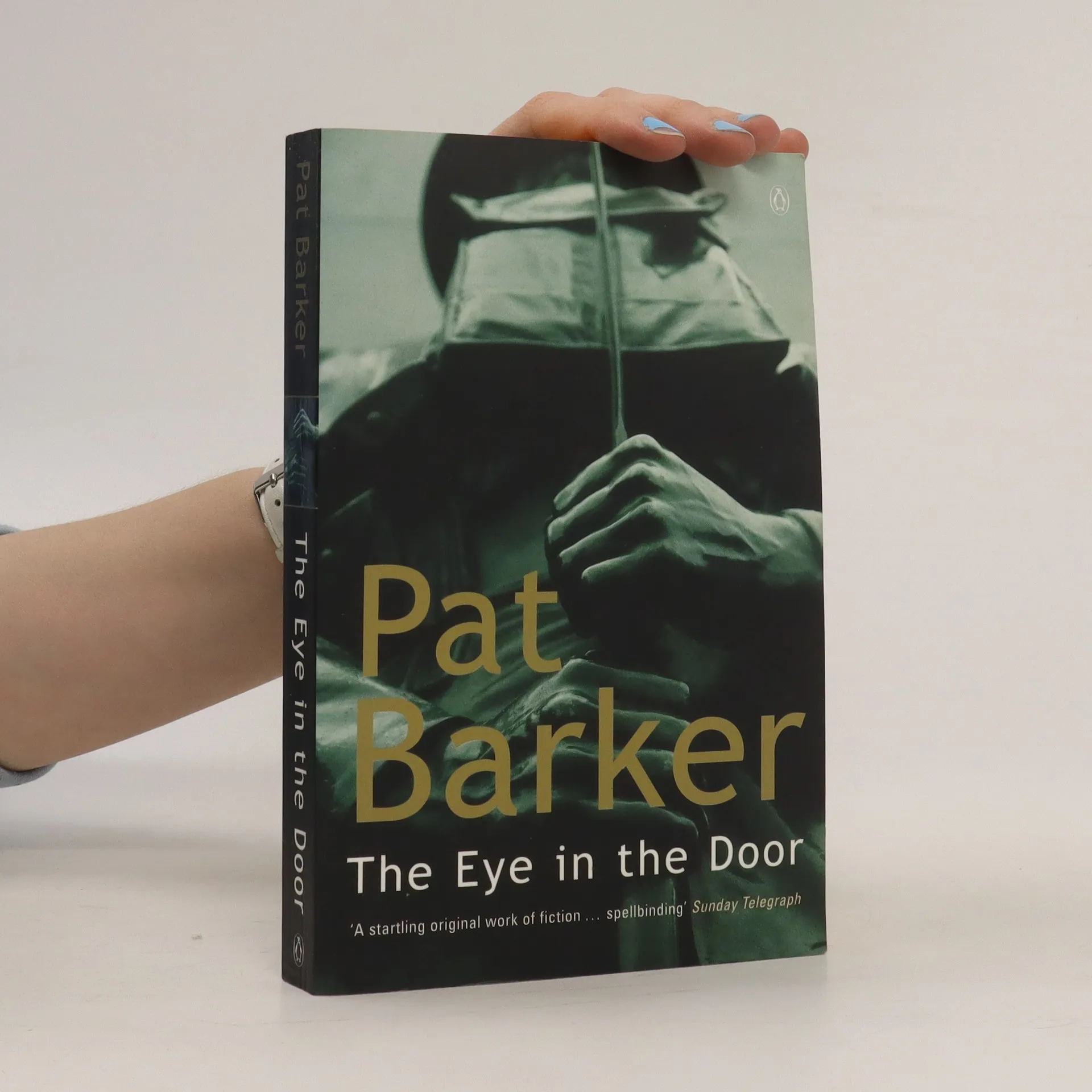
'The year is now 1918 . . . In the climate of exhaustion and hysteria amid which the war is wearing to its close, pressures to fall into line become fierce and take ugly forms. At the forefront of her story, Barker places figures especially menaced by this: pacifists, conscientious objectors and homosexuals . . . a sequel every bit as unwaveringly intense and intelligent as its predecessor' Peter Kemp, Sunday Times
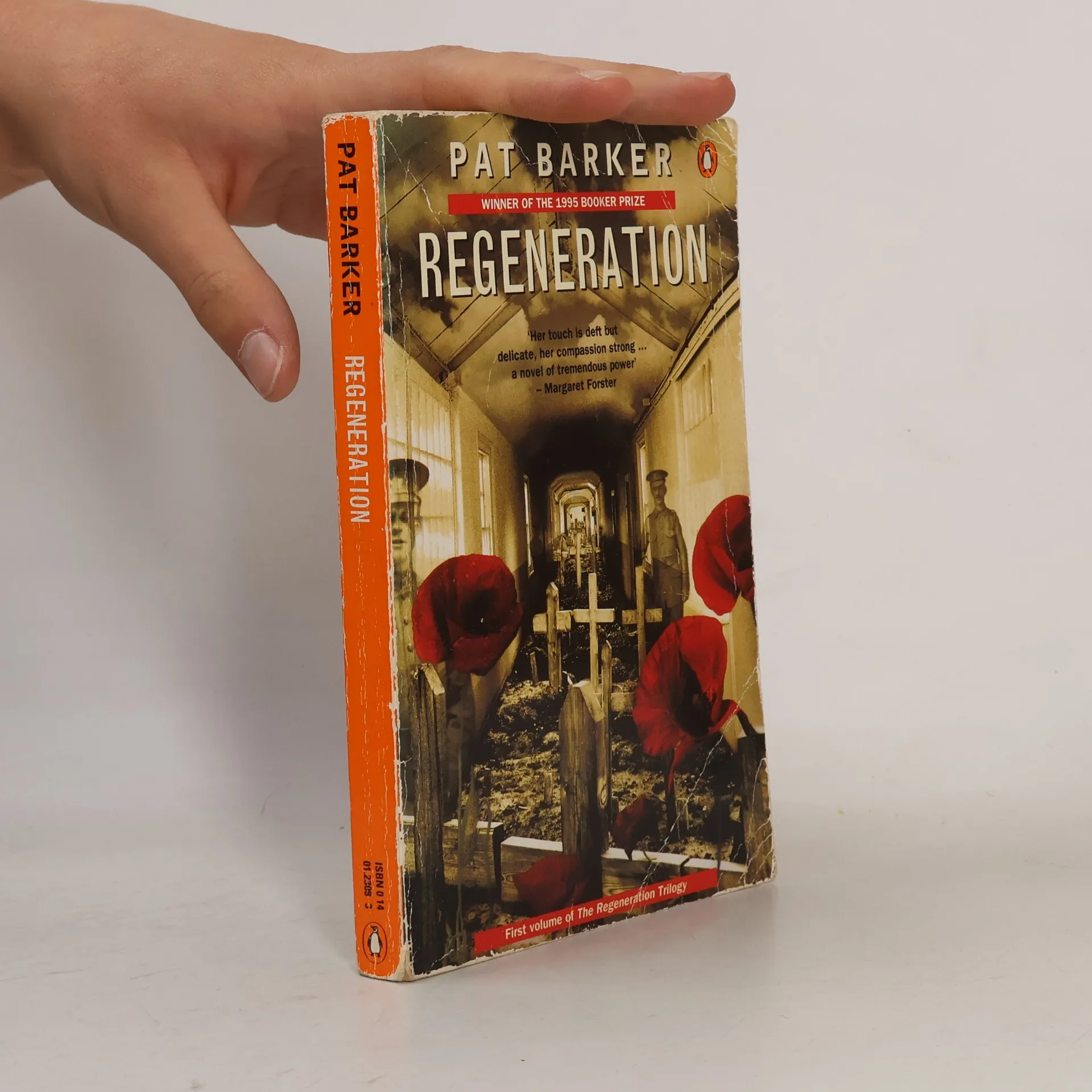
'[A] brilliant novel...at its centre is a real-life encounter that occurred at Craiglockhart in 1917 between W.H.R. Rivers, an army psychologist, and Siegfried Sassoon...Intense and subtle, getting responsively under the skin of both real and imagined characters, Regeneration is receptive to all aspects of the era - and the heroes - it resurrects' Peter Kemp, Sunday Times
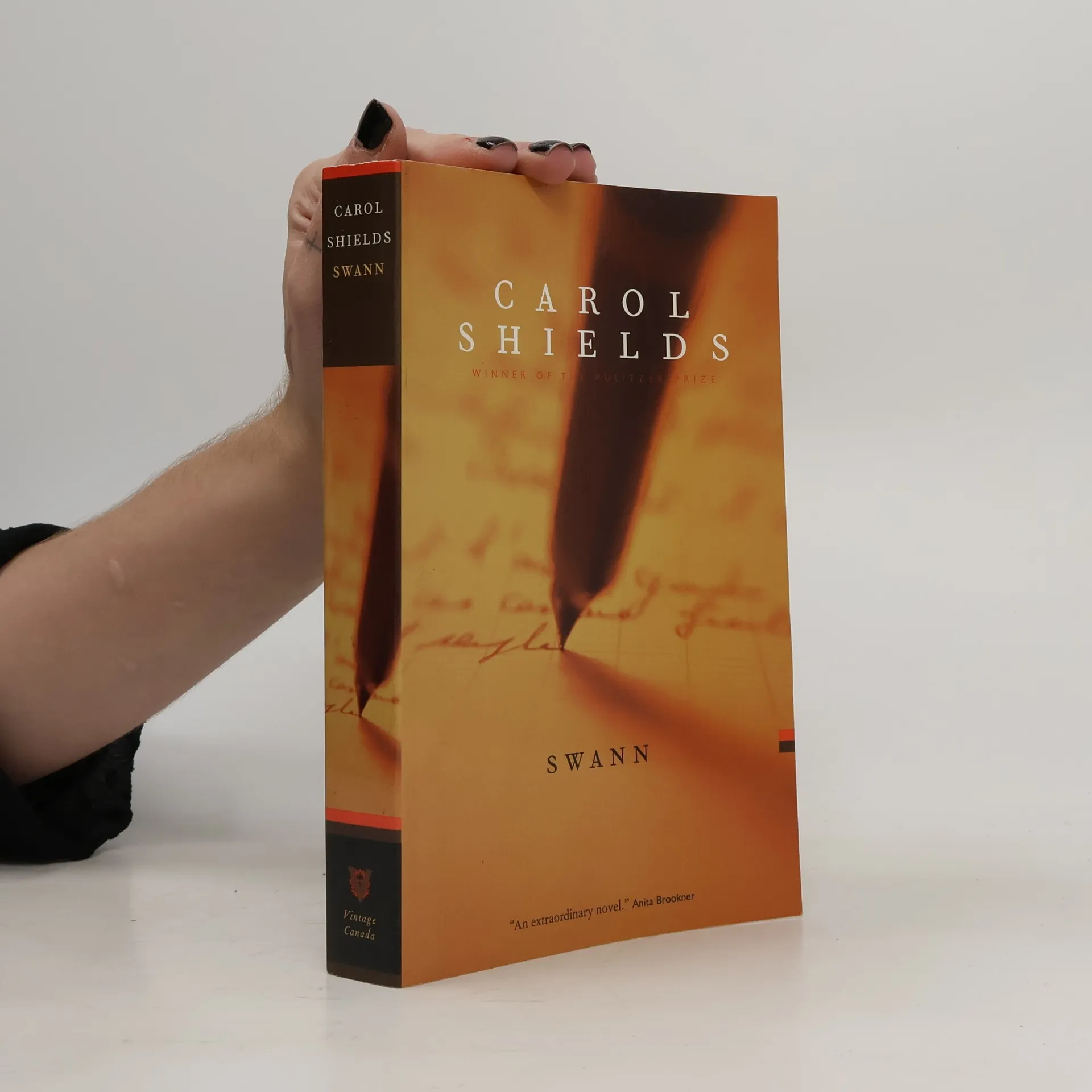
Carol Shields's award-winning and critically acclaimed "literary mystery," first published in 1987. Swann is the story of four individuals who become entwined in the life of Mary Swann, a rural Canadian poet whose authentic and unique voice is discovered only hours before her husband hacks her to pieces.Who is Mary Swann? And how could she have produced these works of genius in almost complete isolation? Mysteriously, all traces of Swann's existence — her notebook, the first draft of her work, even her photograph — gradually vanish as the characters in this engrossing novel become caught up in their own concepts of who Mary Swann was.
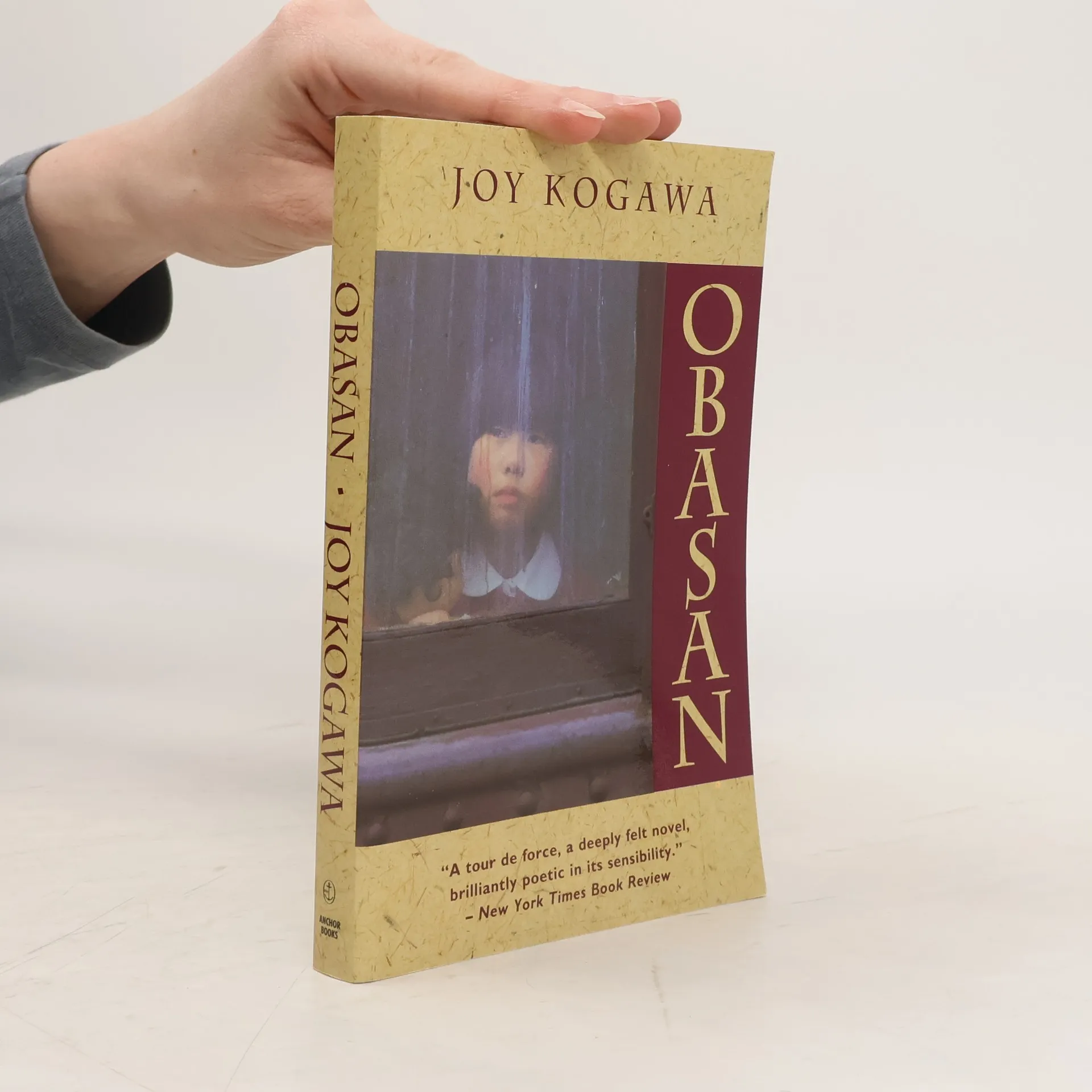
Winner of the American Book AwardBased on the author's own experiences, this award-winning novel was the first to tell the story of the evacuation, relocation, and dispersal of Canadian citizens of Japanese ancestry during the Second World War.
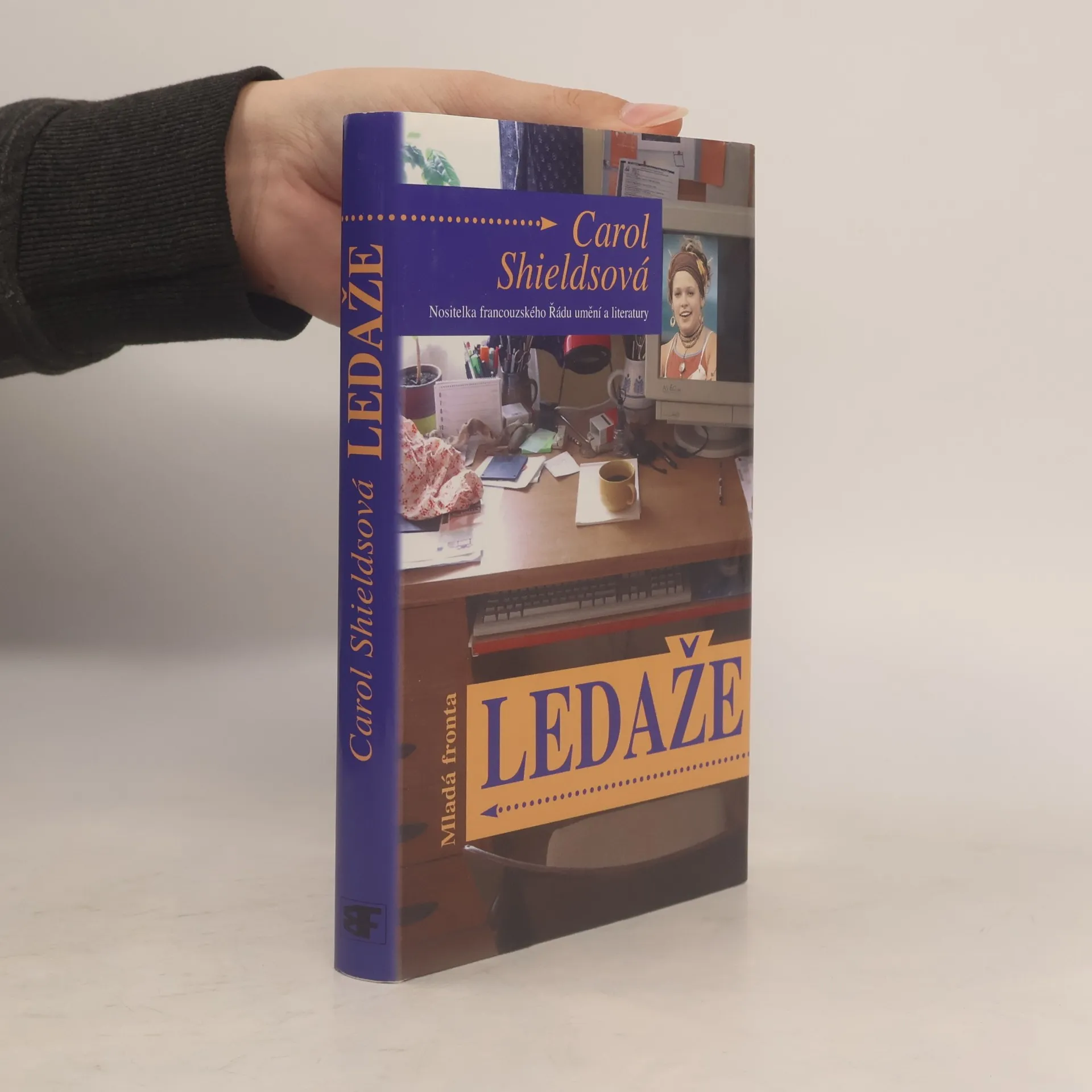
Psychologický román z rodinného prostředí od kanadské autorky líčí zlomový okamžik v životě stabilní rodiny poté, kdy dospělá dcera bez vysvětlení odchází z domova.
Hrdinkou je čtyřicetiletá začínající spisovatelka a renomovaná překladatelka díla význačné francouzské feministky, manželka lékaře a matka tří dospívajících dcer. Rodina žije šťastně a poklidně, hrdinka se věnuje své profesi, domácnosti a běžným společenským povinnostem, ovšem jen do okamžiku, kdy ze dne na den odchází bez vysvětlení nejstarší dcera z domova a skončí jako žebračka u nádraží v Torontu. Ochromená rodina se snaží najít vysvětlení, dívka ale odmítá jak návrat domů, tak jakýkoliv kontakt a zoufalá matka se marně snaží najít příčinu. Protože nemá jinou možnost, jak se vyrovnat se situací, snaží se v díle překládané autorky najít možný impuls dceřina jednání, ve své vlastní knize se pak snaží aplikovat společenské aspekty současného systému na životní krizi své dcery. Dívčin nedobrovolný návrat přinese rodině úlevu, neřeší ale její budoucnost citlivého člověka, vystaveného tlakům civilizace s narušenou mezilidskou komunikací.
zdroj: mlp.cz