Dr. Devdutt Pattanaik je indický lékař, který se stal konzultantem pro vedení, mytologem a autorem. Jeho díla se převážně zaměřují na mytologii a management, kde využívá moudrost indické mytologie k řešení obchodních a lidských zdrojů. Jeho přístup jedinečně propojuje starověké příběhy s moderními výzvami. Pattanaikovy spisy zkoumají hluboké pravdy ukryté v mýtech a nabízejí čtenářům nové perspektivy na lidskou povahu a společnost.
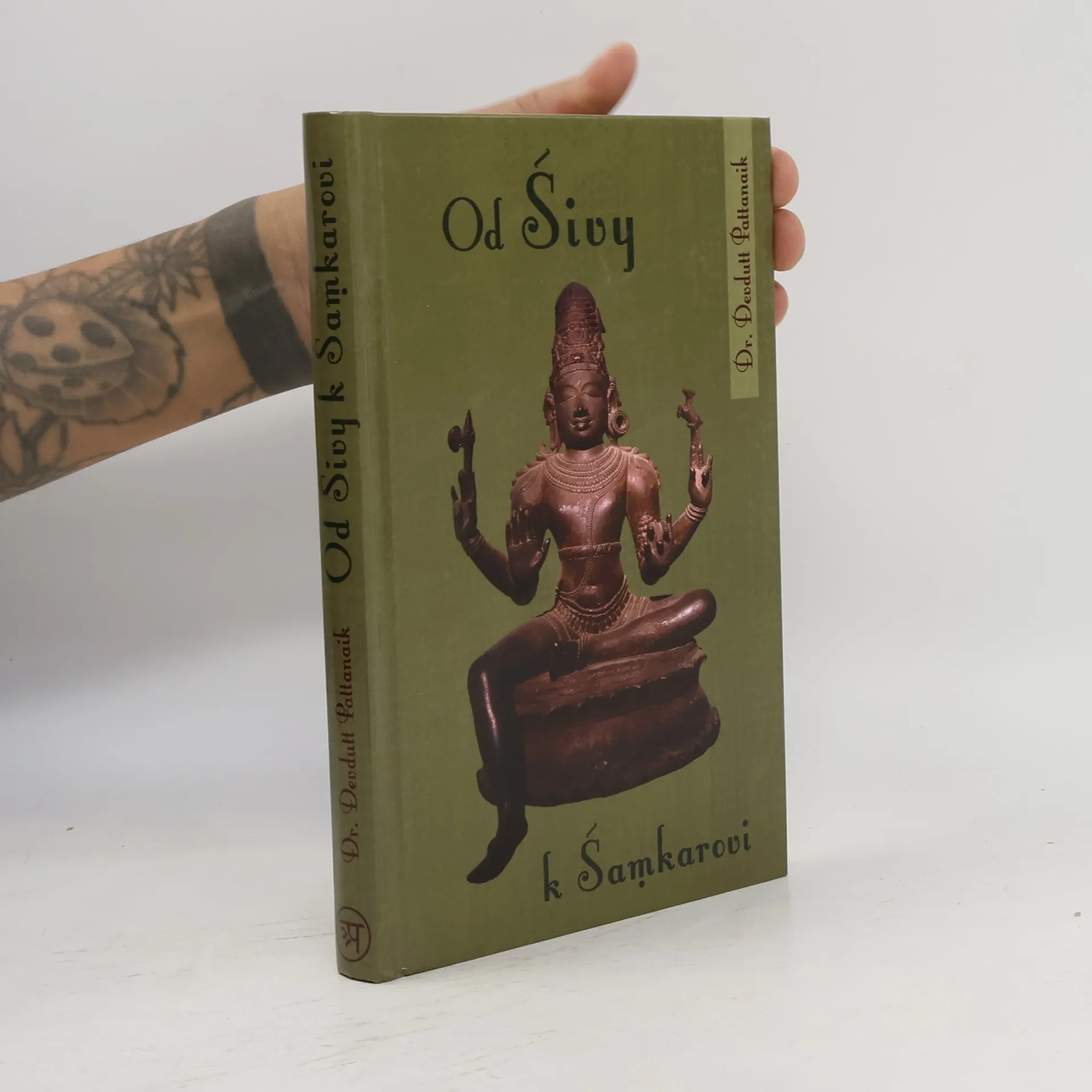
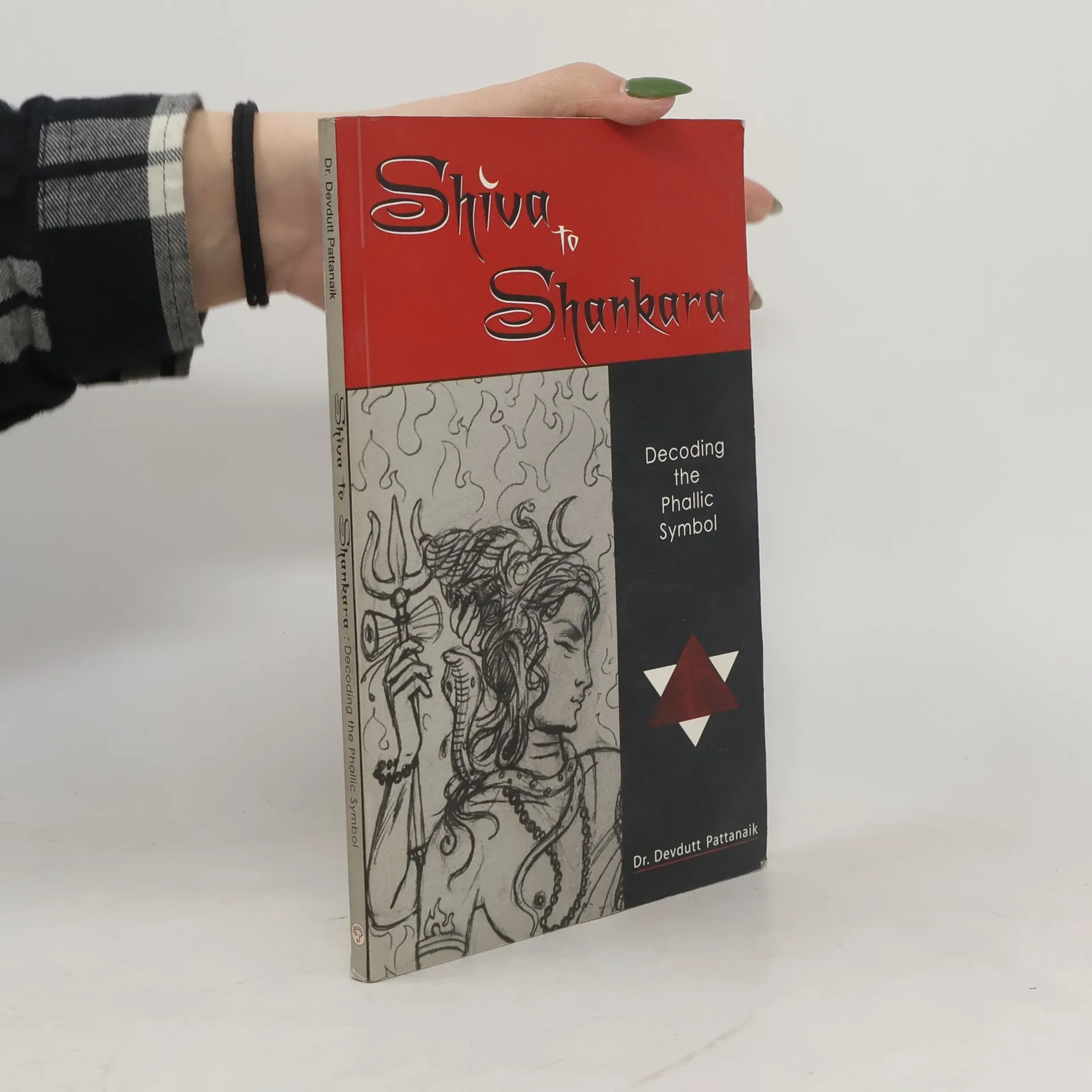
Postava Śivy v sobě zahrnuje mnohé zdánlivě neslučitelné principy jako tvrdý asketismus, odloučení od světa a život v ústraní nedostupných vršků hor, v kontrastu k roli hospodáře a otce rodiny, jež je symbolizována jeho jménem a epitetem Śamkara. Jak a proč se ze ztělesnění pána yogy stal otec zapřažený do dění ve světě? Jaká cesta vede od…
Exploring the Garuda Purana, this book delves into Hindu beliefs surrounding death, rebirth, and immortality. It offers profound insights into the spiritual and philosophical dimensions of these concepts, providing readers with a deeper understanding of the cycle of life and the nature of existence in Hindu thought.
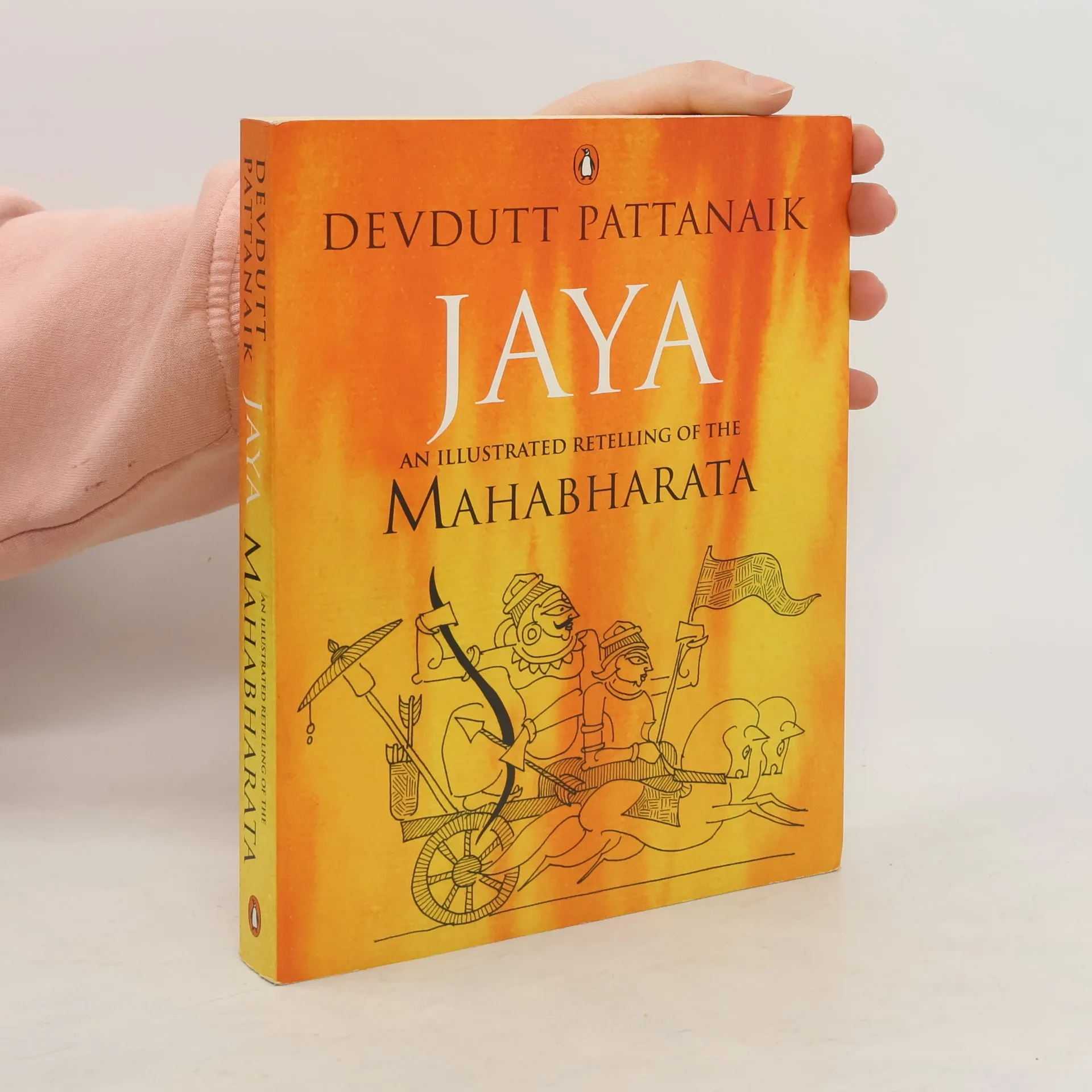
High above the sky stands Swarga, paradise, abode of the gods. Still above is Vaikuntha, heaven, abode of God.The doorkeepers of Vaikuntha are the twins, Jaya and Vijaya, both whose names mean 'victory'. One keeps you in Swarga; the other raises you into Vaikuntha.In Vaikuntha there is bliss forever, in Swarga there is pleasure for only as long as you deserve. What is the difference between Jaya and Vijaya? Solve this puzzle and you will solve the mystery of the Mahabharata.In this enthralling retelling of India's greatest epic, the Mahabharata originally known as Jaya, Devdutt Pattanaik seamlessly weaves into a single narrative plots from the Sanskrit classic as well as its many folk and regional variants, including the Pandavani of Chhattisgarh, Gondhal of Maharashtra, Terukkuttu of Tamil Nadu and Yakshagana of Karnataka.Richly illustrated with over 250 line drawings by the author, the 108 chapters abound with little-known details such as the names of the hundred Kauravas, the worship of Draupadi as a goddess in Tamil Nadu, the stories of Astika, Madhavi, Jaimini, Aravan and Barbareek, the Mahabharata version of the Shakuntalam and the Ramayana, and the dating of the war based on astronomical data.With clarity and simplicity, the tales in this elegant volume reveal the eternal relevance of the Mahabharata, the complex and disturbing meditation on the human condition that has shaped Indian thought for over 3000 years.
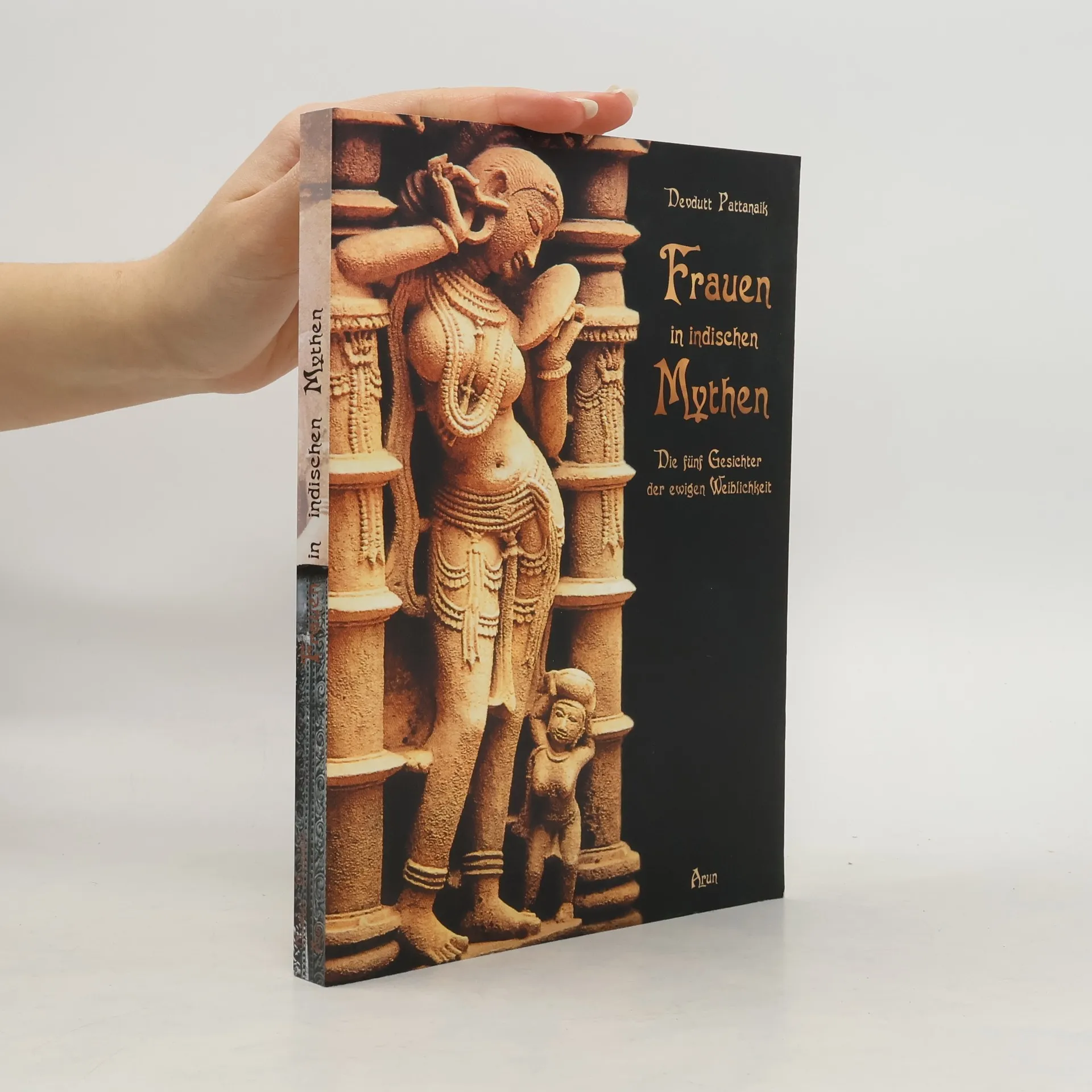
Lakshmi massages Vishnus feet. Is this male domination? Kali stands on Shivas chest. Is this female domination? Shiva is half a woman. Is this gender quality? Why then is Shakti never half a man? Taken literally, stories, symbols and rituals of Hindu mythology have much to say about gender relationships. Taken symbolically, they reveal many more things about humanity and nature. Which is the correct reading? The fourth title in the bestselling 7 Secrets series focuses on the Goddess and respected mythologist Devdutt Pattanaik tries to unravel the secrets locked within her stories, symbols and rituals.
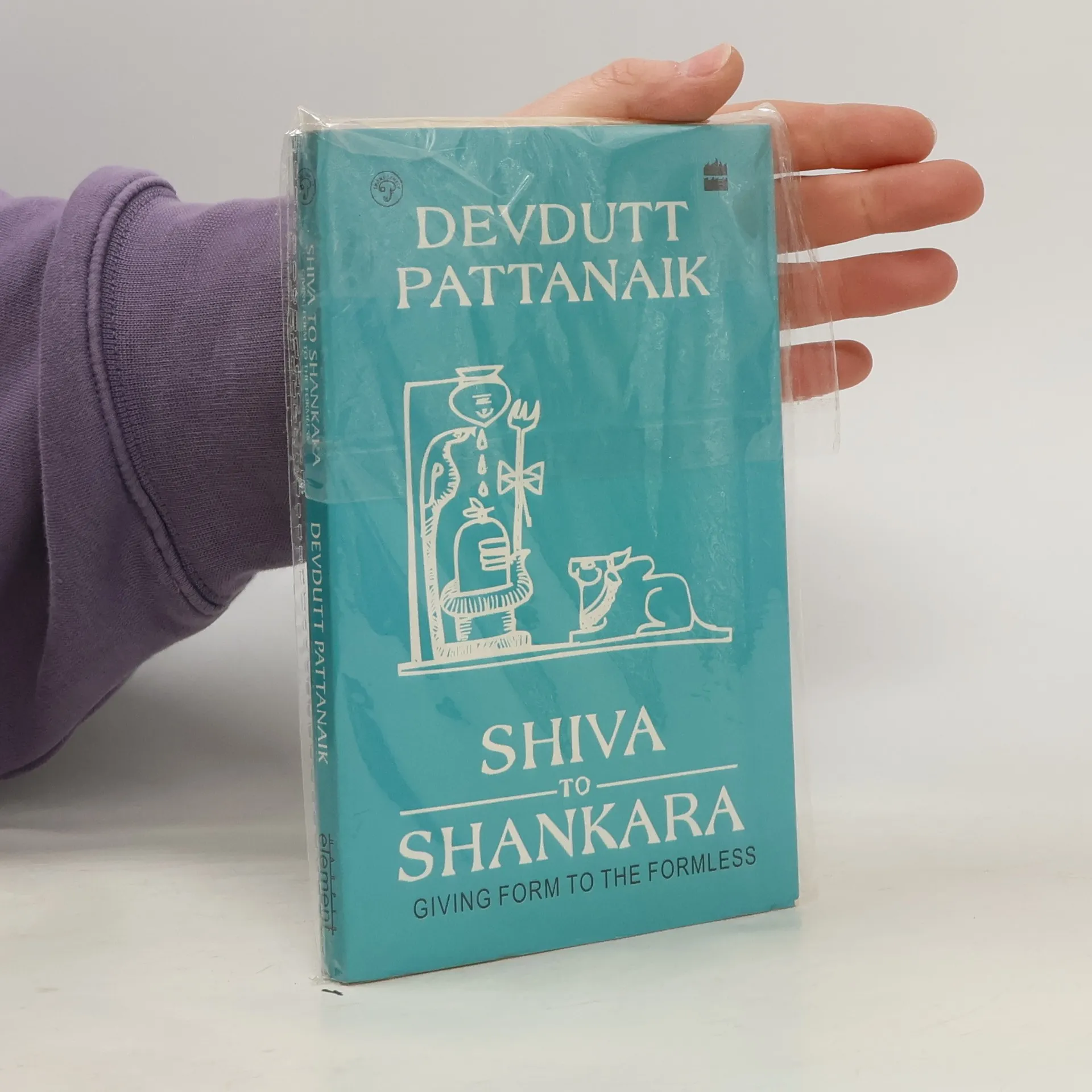
We live in times where people have extreme views. On the one hand, there are scholars who describe Shiva's linga literally as a phallus, and see all metaphoric meaning as embarrassed apology of the uneducated. On the other hand, we have puritanical Hindus who want to strip the Shiva linga of all sexual meaning and sanitize Shiva's lore. In both cases, a symbol is being reduced to a sign. In Shiva to Shankara, Devdutt Pattanaik, India's leading mythologist, seeks to bridge the gap. As he explores the layers of meanings embedded in Shiva's linga, we discover why and how the Goddess transforms Shiva, the hermit, into Shankara, the householder.
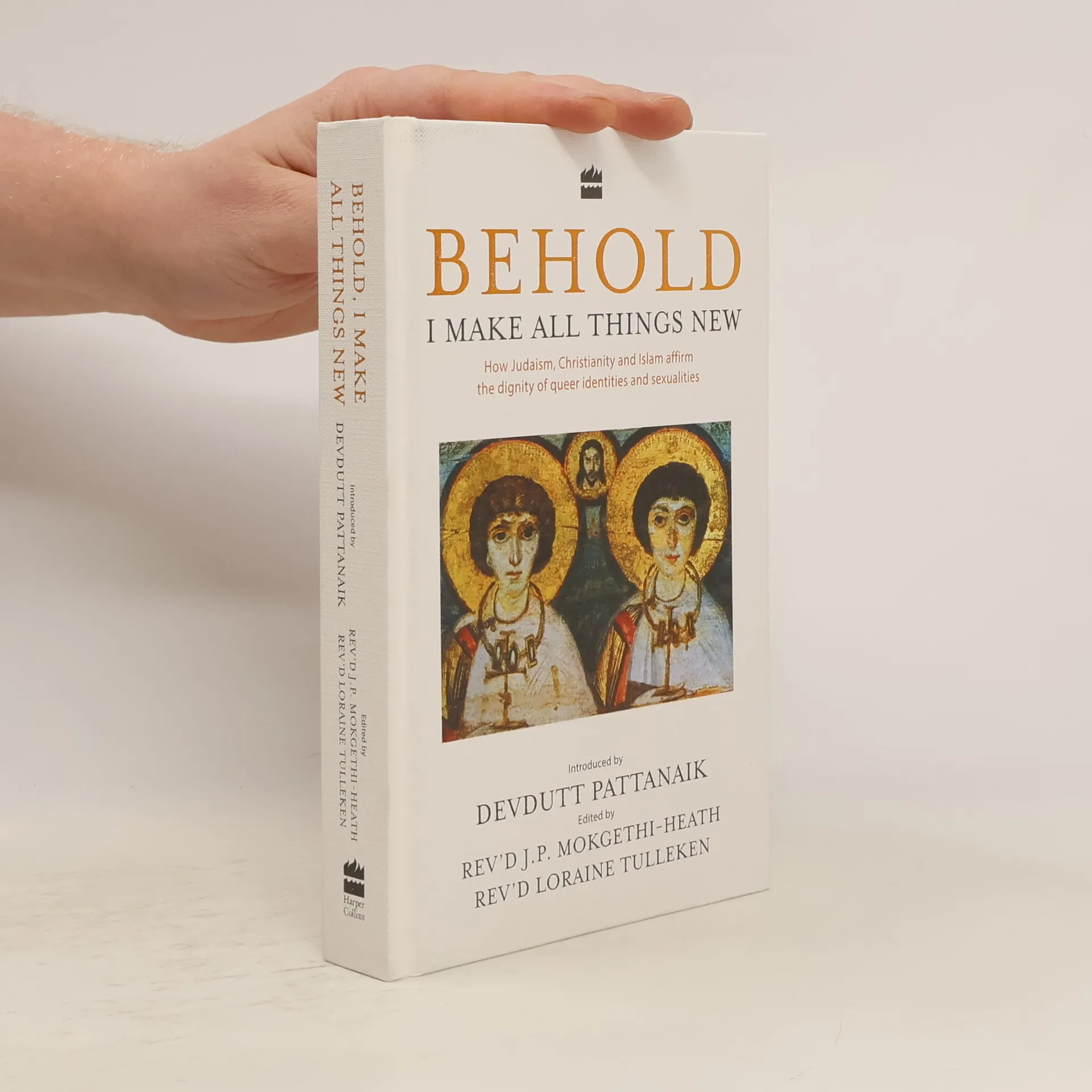
How Judaism, Christianity and Islam Affirm the Dignity of Queer Identities and Sexualities
344 stránek
13 hodin čtení
In 2015, a historic panel discussion took place at the global Festival of Theology held in Sweden. Its objective was to examine what the sacred texts of the Abrahamic faiths -- Judaism, Christianity and Islam -- had to say about human sexuality. Behold, I Make All Things New is the outcome of the effort. This is a landmark work that recasts religion -- especially Abrahamic faiths -- as an ally and not an adversary of queer emancipation, and thus significantly informs the secular and legal movements for LGBTQ rights around the world. It follows in the same vein as I Am Divine, So Are You (2017), which put forth perspectives on sexuality from the Karmic faiths of Buddhism, Jainism, Sikhism and Hinduism, and played a small but significant role in the reading down of Section 377 of the Indian Penal Code. Taken together, the two groundbreaking books expand the conversation between world religions and human sexuality to a truly global level.
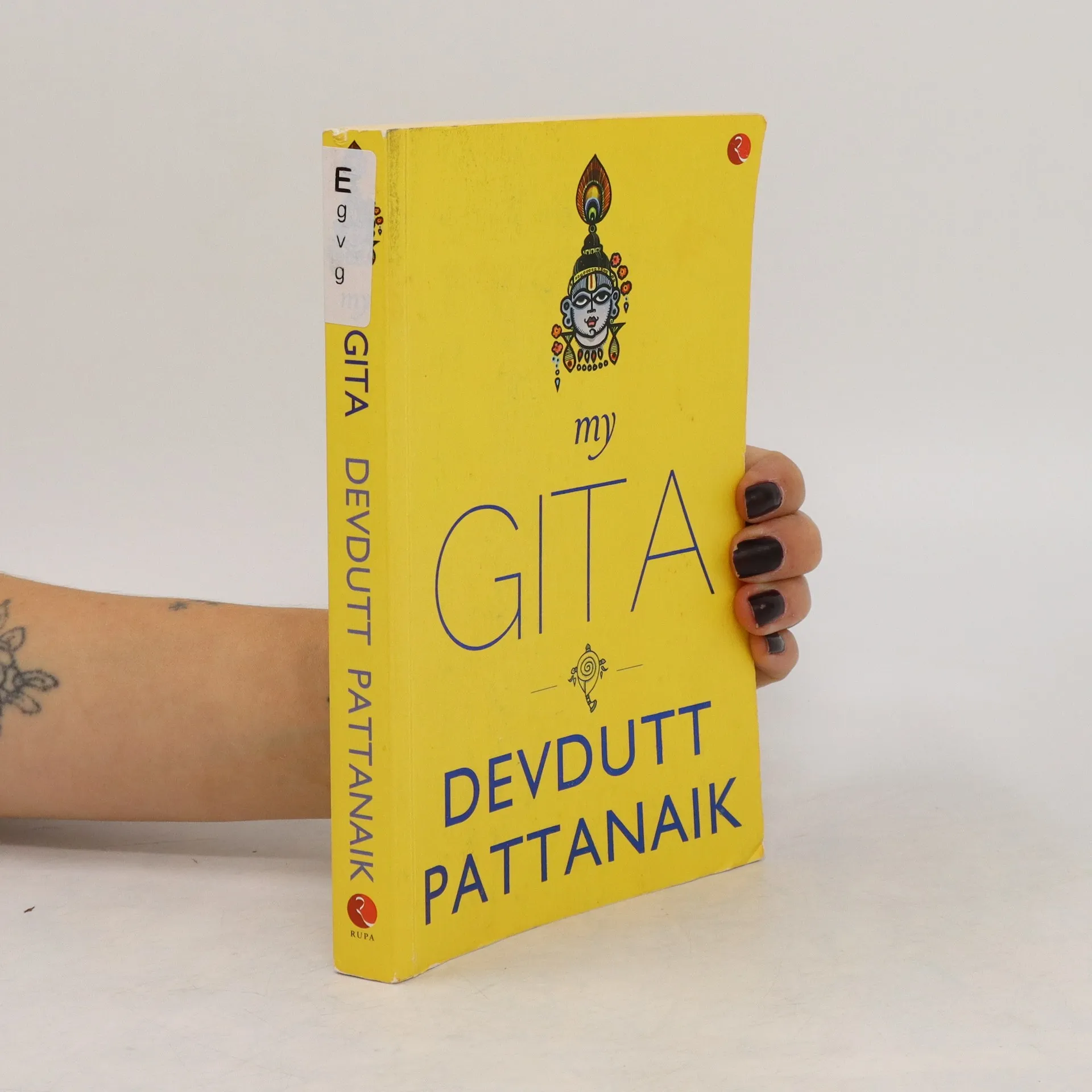
In My Gita, acclaimed mythologist Devdutt Pattanaik demystifies The Bhagavad Gita for the contemporary reader. His unique approach-thematic rather than verse by verse makes the ancient treatise eminently accessible, combined as it is with his trademark illustrations and simple diagrams. In a world that seems spellbound by argument over dialogue, vivaad over samvaad, Devdutt highlights how Krishna nudges Arjuna to understand rather than judge his relationships. This becomes relevant today when we are increasingly indulging and isolating the self (selfimprovement, selfactualization, selfrealization-even selfies!).We forget that we live in an ecosystem of others, where we can nourish each other with food, love and meaning, even when we fight. So let My Gita inform your Gita.--
Smeared with ash, draped in animal hide, he sits atop the snow-capped mountain, skull in hand, withdrawn, with dogs for company, destroying the world with his, indifference. He is God who the Goddess shall awaken. His name is Shiva. Locked in his stories, symbols and rituals are the secrets of our ancestors. This book attempts to unlock seven
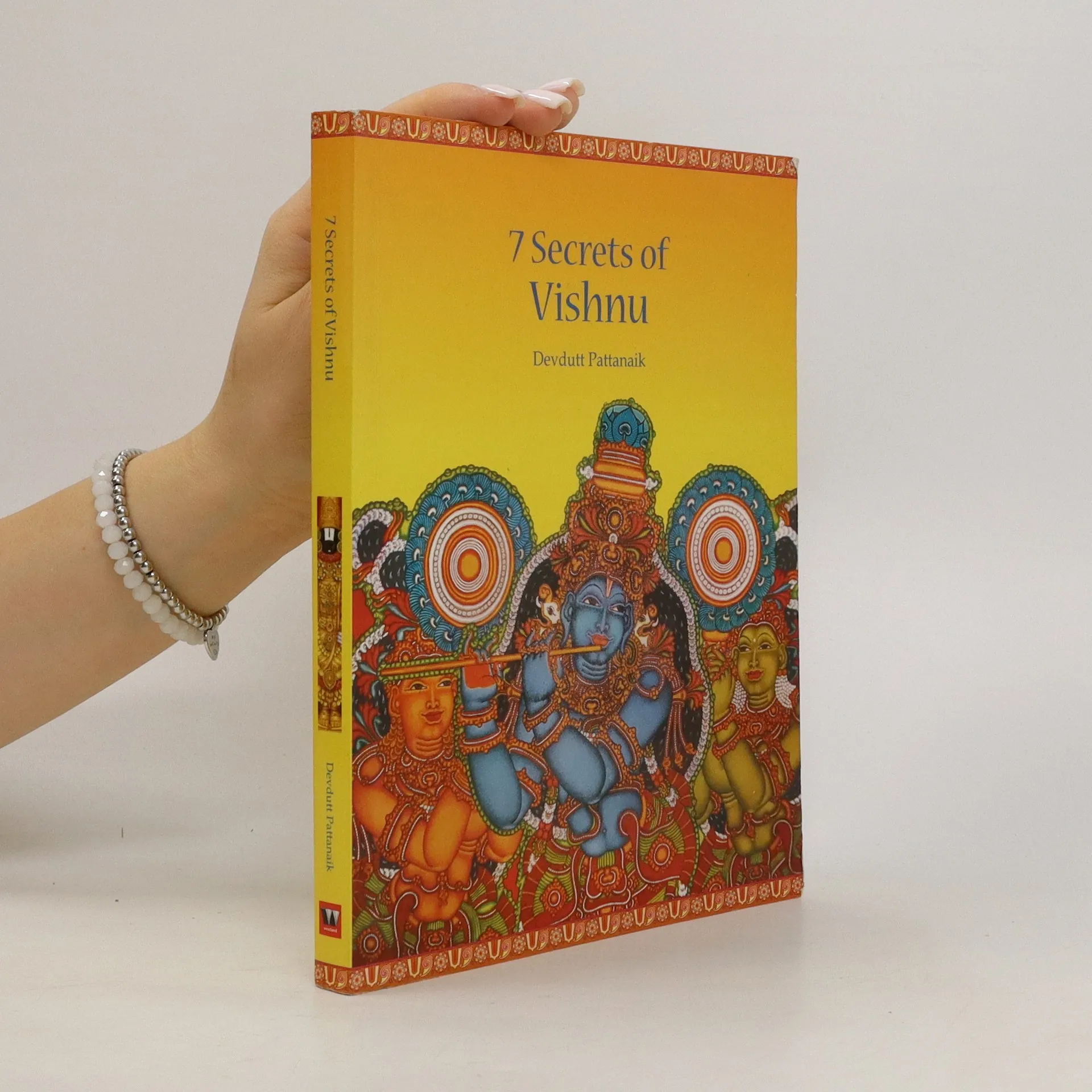
Anointed with perfumes, draped in silk, he reclines in an ocean of milk. Eyes open, ever smiling, securing the world with his attention. He is the God who is chased by fortune… Perumal, Balaji, Narayana, Vishnu… who walks the earth as Krishna and as Ram. Locked in his stories, symbols and rituals are the secrets of our ancestors. This book attempts to unlock seven.
As he explores the layers of meanings embedded in Shiva's linga, we discover why and how the Goddess transforms Shiva, the hermit, into Shankara, the householder.
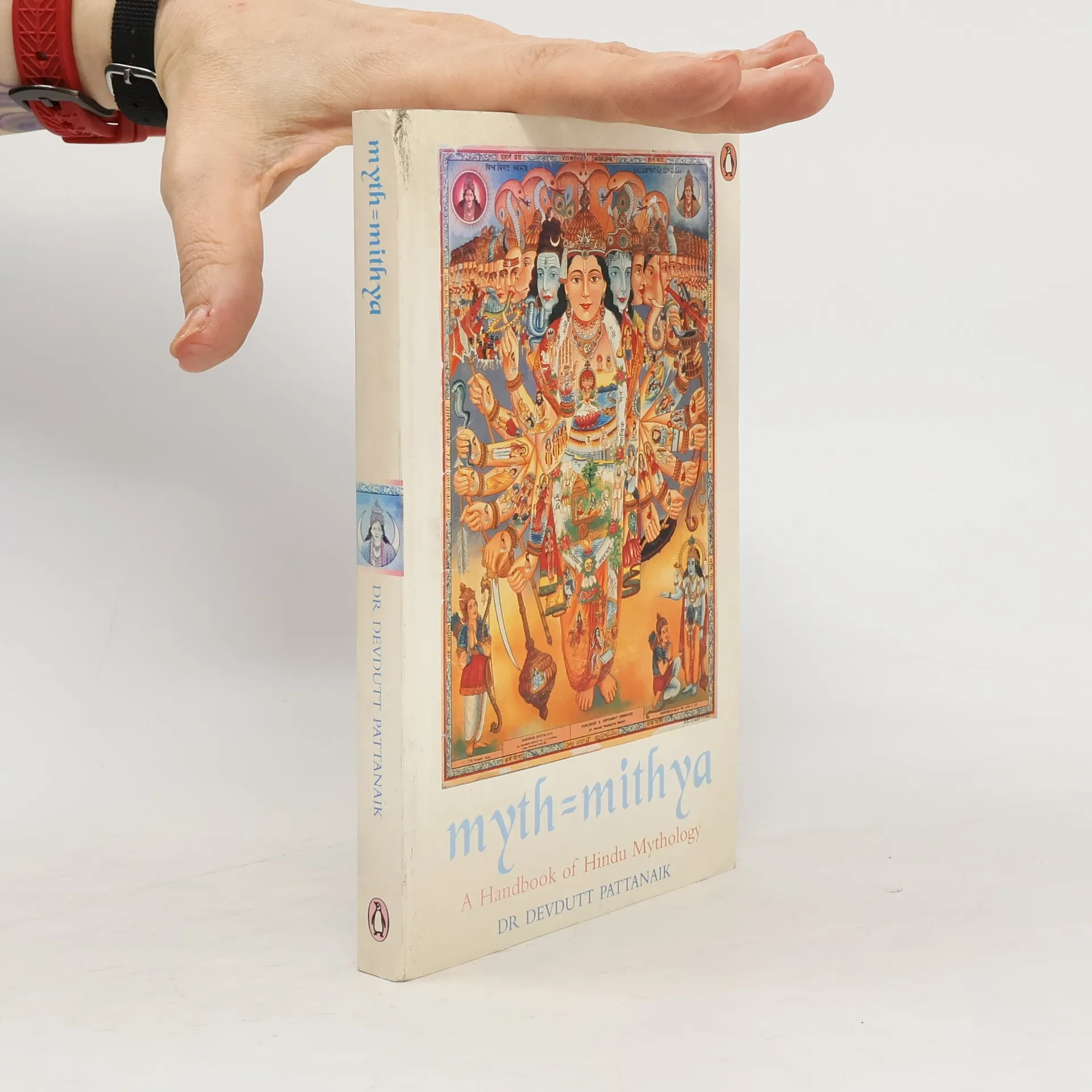
An exploration of 99 classic myths of India from an entirely non-Western
paradigm that provides a fresh understanding of the Hindu spiritual landscape.
schovat popis
A decoding of Hindu mythology Hindus have one God. They also have 330 million gods: male gods; female gods; personal gods; family gods; household gods; village gods; gods of space and time; gods for specific castes and particular professions; gods who reside in trees; in animals; in minerals; in geometrical patterns and in man-made objects. Then there are a whole host of demons. But no Devil. In this groundbreaking book Dr Devdutt Pattanaik; one of India’s most popular mythologists; seeks an answer to these apparent paradoxes and unravels an inherited truth about life and death; nature and culture; perfection and possibility. He retells sacred Hindu stories and decodes Hindu symbols and rituals; using a unique style of commentary; illustrations and diagrams. We discover why the villainous Kauravas went to heaven and the virtuous Pandavas (all except Yudhishtira) were sent to hell; why Rama despite abandoning the innocent Sita remains the model king; why the blood-drinking Kali is another form of the milk-giving Gauri; and why Shiva wrenched off the fifth head of Brahma.
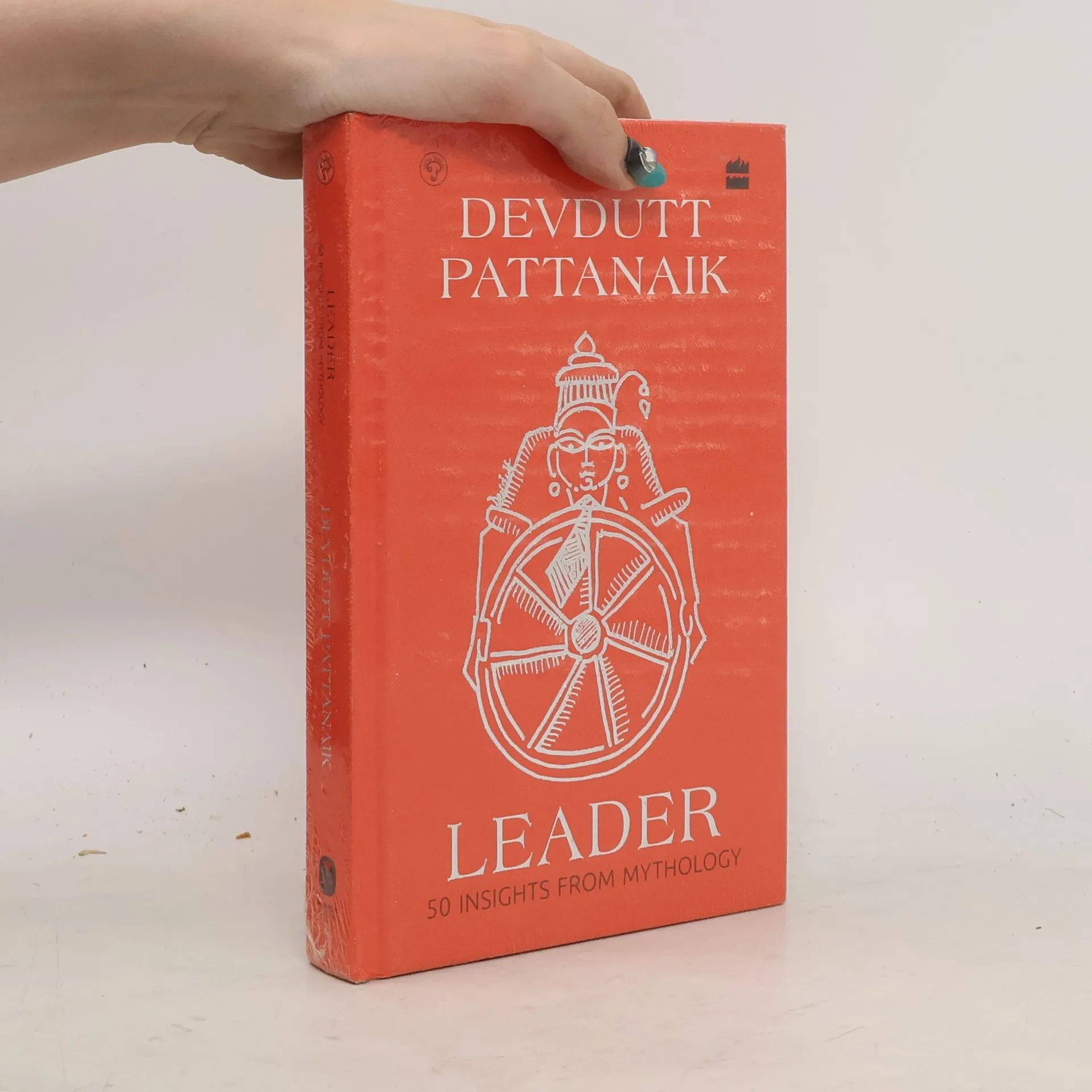
What does the Biblical story of Nathan and David say about effective communication skills? How do you identify the Raja Bhoj, the Gangu Teli and the Shekchilli in your office? What is the corporate equivalent of an Ashwamedha yajna? Drawing from sources as diverse as the Mahabharata and the Bible, the Vikram-Betal stories, the Iliad and the Odyssey, Islamic tenets, the tales of rishis and kings, and fables from around the world, Devdutt Pattanaik, India's leading mythologist, provides a fascinating account of what leadership entails. How to choose the right leader, effectively communicate with a boss, maintain the right balance between discipline and leniency? In these and other workplace situations, Pattanaik shows what leaders of today can learn about the art of leadership from stories written thousands of years ago, things no management course can teach. Leader: 50 Insights from Mythology uses myths and legends to arrive at wisdom that is both time-worn and refreshingly new, on what makes a good leader.
For many a curious reader, Faith: 40 Insights into Hinduism will prove to be a delightful and eye-opening introduction to the intricacies of one of the world's most practiced religions.
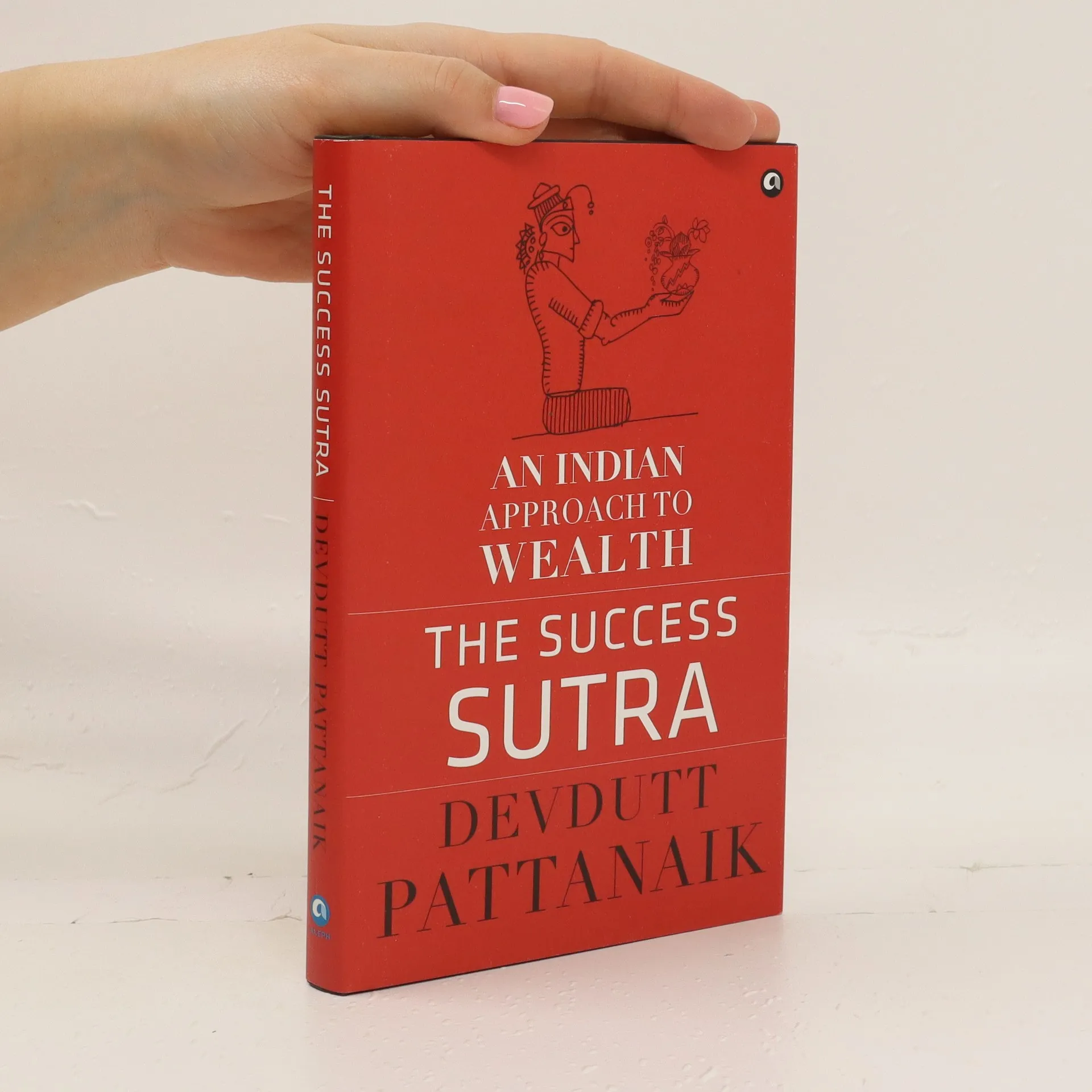
the success sutra is packed with unique and profound insights into how individuals can create wealth and achieve success in life by following indian principles of strategic thinking and decision-making. most human beings hunger after riches and success. there are any number of management books which provide theories and techniques on how to become rich and successful. all of them advise us to chase lakshmi, the goddess of wealth, in order to make her our own. but the indian approach to prosperity and fulfilment warns against the relentless pursuit of the goddess, writes noted thinker and mythologist devdutt pattanaik, as it will result in conflict. rather, we have to give in order to get, we have to satisfy the hunger of others in order to satisfy our own. if we learn and practise this fundamental truth, lakshmi will enter our homes and our lives. derived from his acclaimed bestseller business sutra, this book is filled with lessons and insights into management, business and the creation of wealth and success.
In Dharma Artha Kama Moksha, Devdutt Pattanaik uses his unique understanding of mythology to provide an accessible and lucid guide to the Hindu way of thinking, with short essays that are crisp expositions of important concepts.
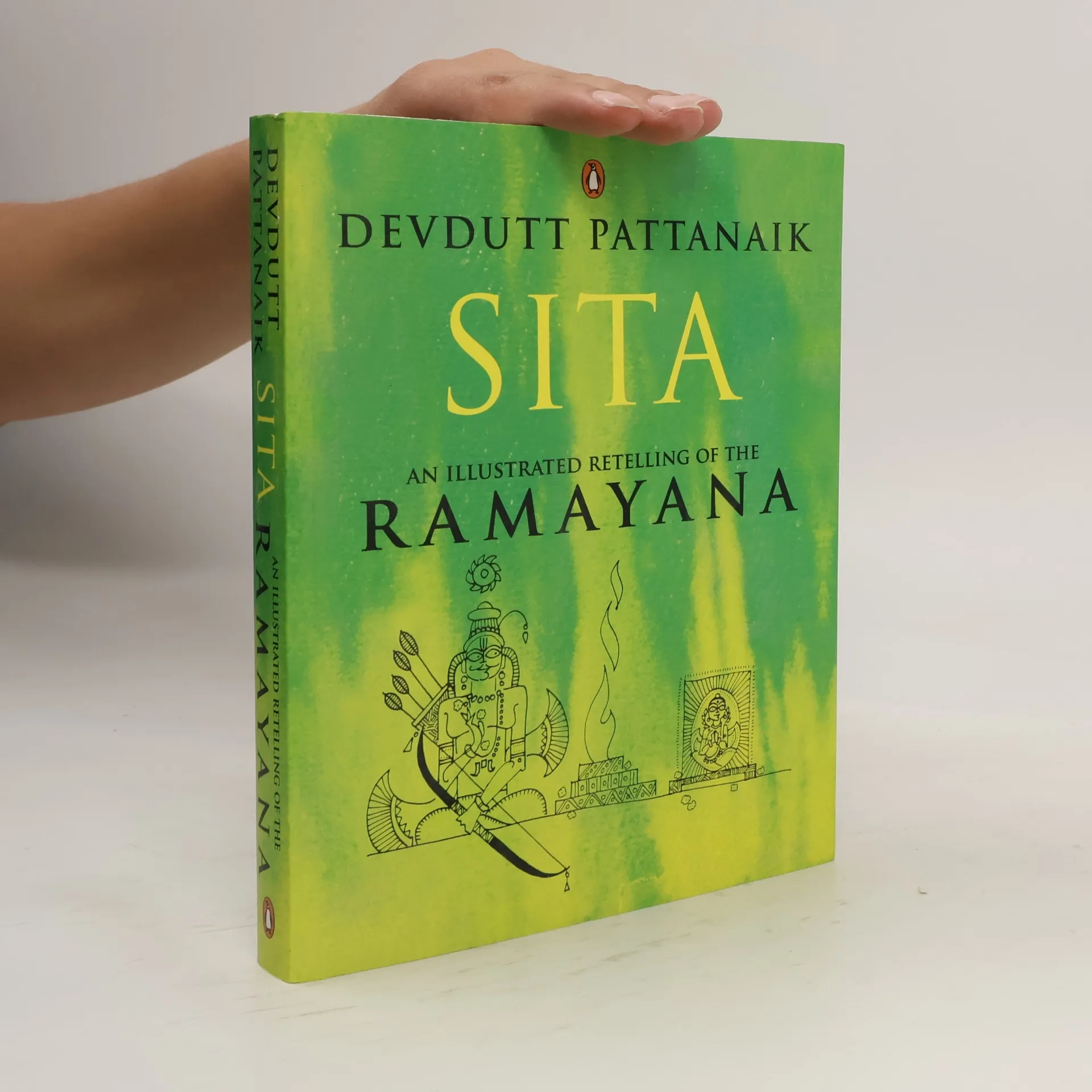
SITA : AN ILLUSTRATED RETELLING OF THE RAMAYANAIt is significant that the only character in Hindu mythology, a king at that, to be given the title of ekam-patni-vrata, devoted to a single wife, is associated with the most unjust act of abandoning her in the forest to protect family reputation. This seems a deliberate souring of an uplifting narrative. Rams refusal to remarry to produce a royal heir adds to the complexity. The intention seems to be to provoke thought on notions of fidelity, property and self-image.And so the mythologist and illustrator Devdutt Pattanaik retells the Ramayana, drawing attention to the many oral, visual and written retellings composed in different times, in different places, by different poets, each one trying to solve the puzzle in its own unique way. This book approaches Ram by speculating on Sita: her childhood with her father, Janaka, who hosted sages mentioned in the Upanishads; her stay in the forest with her husband, who had to be a celibate ascetic while she was in the prime of her youth; her interactions with the women of Lanka, recipes she exchanged, emotions they shared; her connection with the earth, her mother, and with the trees, her sisters; her role as the Goddess, the untamed Kali as well as the demure Gauri, in transforming the stoic prince of Ayodhya into God.
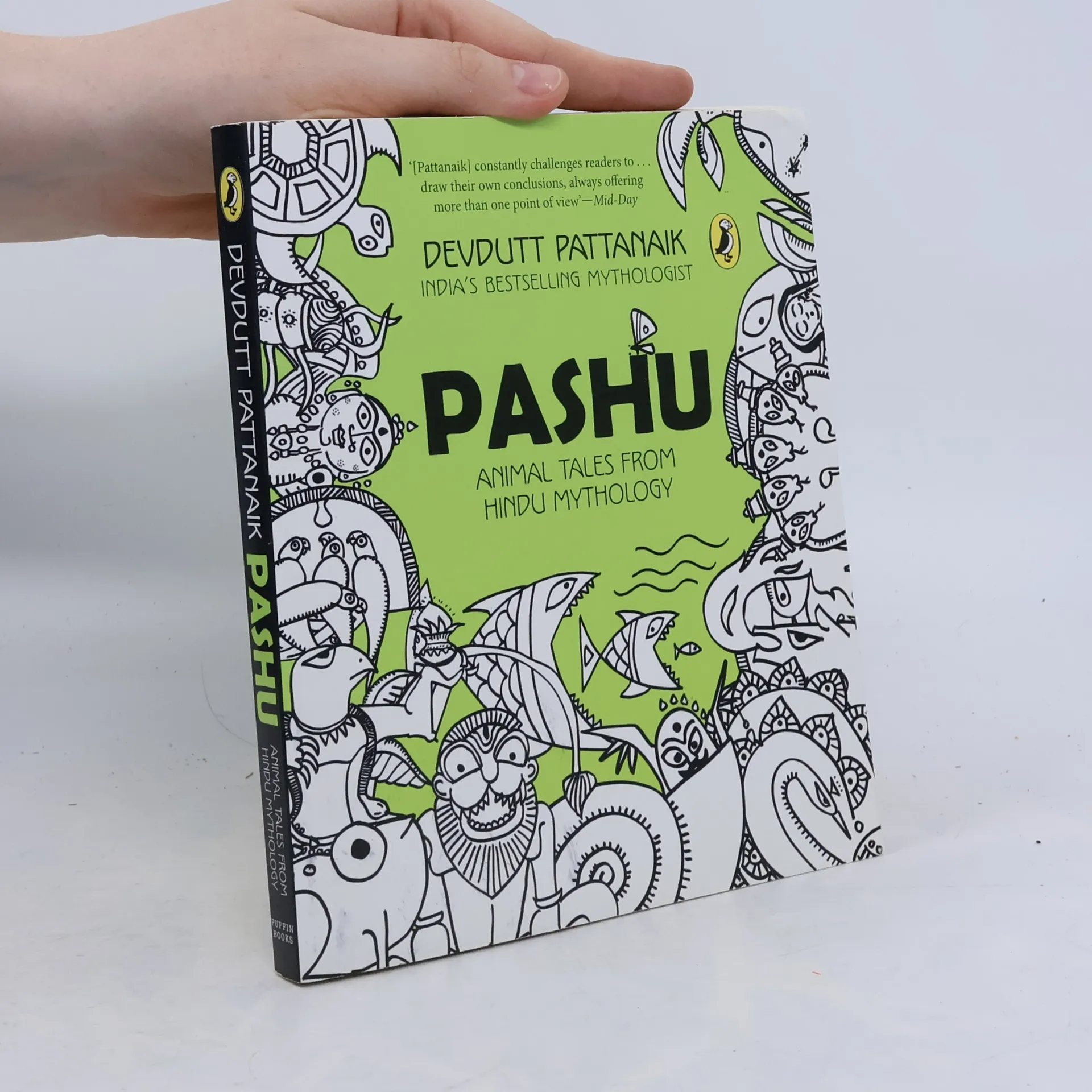
The book explores the significant role of animals in Hindu mythology, particularly through the Puranas. It recounts the stories of Kashyapa and his wives, each associated with different types of animals: swimming, flying, crawling, hooved, pawed, and those that defy classification. Featuring over 75 beautifully illustrated anecdotes, Devdutt Pattanaik delves into how these narratives reflect the relationship between humans and the animal kingdom, showcasing the imaginative ways our ancestors perceived these creatures.
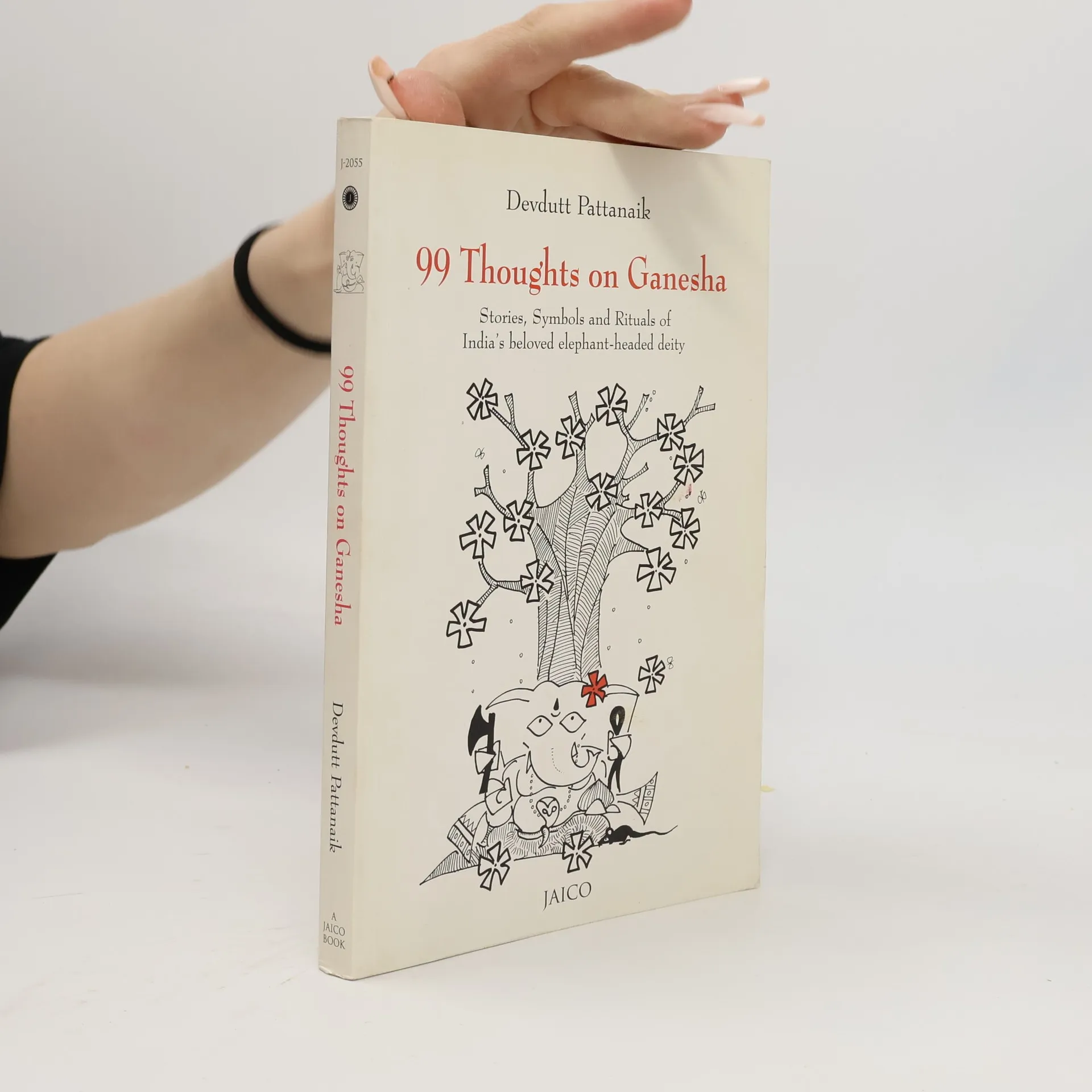
Stories, Symbols and Rituals of India's Beloved Elephant Headed Deity
240 stránek
9 hodin čtení
Explore the rich tapestry of tales, symbols, and rituals surrounding India's revered elephant-headed deity. This book delves into the mythology and cultural significance of Ganesha, highlighting his role in various traditions and celebrations. Readers will discover enchanting stories that illustrate his wisdom and power, as well as the intricate rituals performed in his honor. The text offers insights into the symbolism associated with Ganesha, making it a fascinating exploration of spirituality and devotion in Indian culture.