

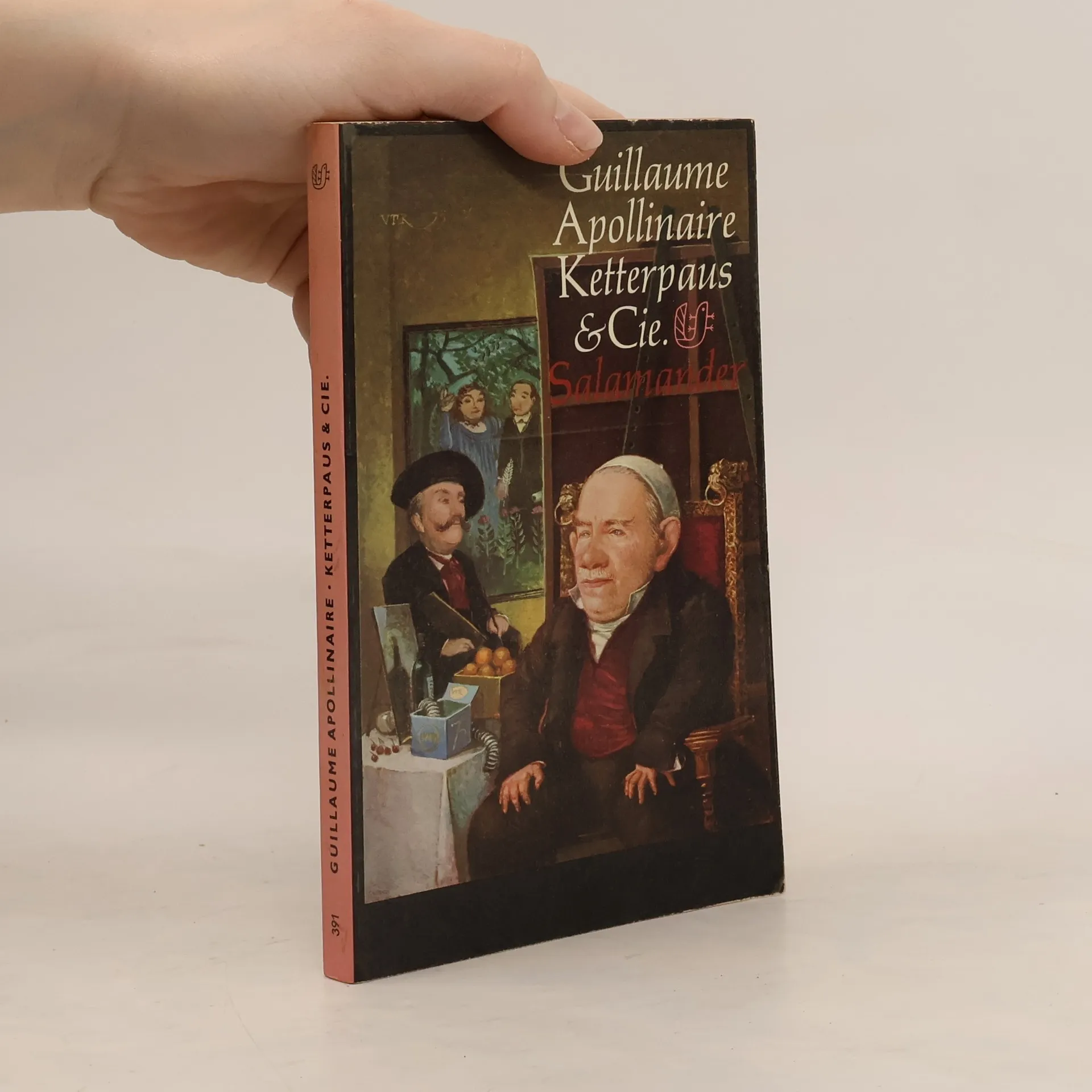
C'est une ronde endiablée qu'Apollinaire déroule ici, aux confins de l'art et de la vie. Vrais imposteurs et faux messies, criminels en instance de béatification, charlatans et mystagogues, bourreaux et martyrs, y voisinent avec les avatars modernes du juif errant. Souvent irrévérencieux et parodiques, ces récits imitent à s'y méprendre, avec un sens subtil de la vraisemblance, certains des épisodes les plus singuliers de l'histoire ecclésiastique. Ils puisent dans les traditions folkloriques et fantastiques, mais aussi dans les souvenirs personnels de l'auteur. Dans son apparent désordre - 23 contes composés entre 1902 et 1910 -, L'Hérésiarque n'en obéit pas moins à une vivante logique, suivant un jeu d'assonances et d'affinités qui prévaut également dans Alcools. C'est ainsi que la conclusion de la dernière histoire renvoie le lecteur à cette éternité où évolue le héros de la première, avec cet humour léger, ce mélange d'érudition et de fantaisie pure qui fait le charme du recueil. " J'ai la faiblesse de me croire un grand talent de conteur ", avouait Apollinaire à l'un de ses amis en 1915 Qui ne partagerait aujourd'hui ce sentiment ?
Rein Bloem Knihy


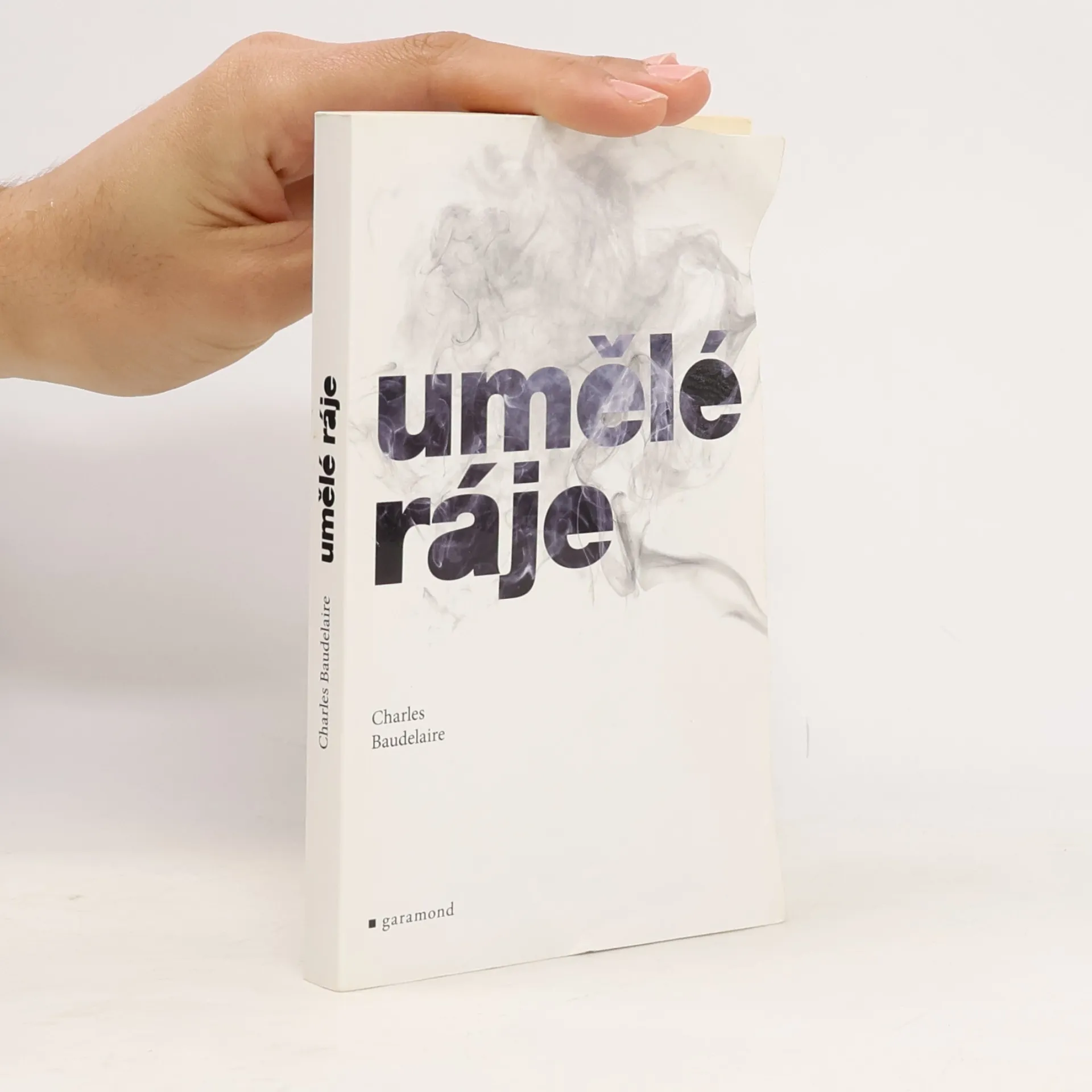
Umělé ráje
- 182 stránek
- 7 hodin čtení
Sbírka próz obsahuje tři soubory Báseň o hašiši, Poživač opia a O vínu a hašiši stojící na pomezí eseje a básně v próze, ačkoli Baudelaire čtenáře ujišťuje, že se snažil podat vědecký popis stavů opojení, vyzdvihnout rozkoše i upozornit na všechna nebezpečí drogy. Jako vše, čeho se dotkl autorův poetický duch, získaly i popisy stavů opojení sílu básnického obrazu a pronikavost prozaického výrazu.
De vermoorde dichter
- 188 stránek
- 7 hodin čtení
Apollinaire was Modernism's first champion, and after his early death in 1918, he became its first saint. Lying in a hospital bed in 1915, recovering from combat wounds suffered in World War I, Apollinaire assembled the fragments of a tragicomic, mock-epic and occasionally obscene autobiography-a-clef: The Poet Assassinated . This novella recounts the life and death of Croniamantal, whose birth is -saluted- by the Eiffel Tower's -beautiful erection, - who rises through the Parisian literary world to proclaim himself -the greatest of living poets, - and who is then torn to pieces by a mob. A statue built -out of nothing, like poetry and glory, - is constructed in his honor. This translation is by Matthew Josephson, an American editor who arrived in Paris just after the war and entered the circle of avant-garde artists and poets that had been galvanized by Apollinaire's life and death. Josephson was among the first to introduce these Dadaists and Surrealists to the U.S. via his small magazine, Broom , and among his most ambitious projects was this translation, published by Broom as a limited-edition book in 1923 and never since reprinted.
Dutch