

Nejvýznamnější japonský spisovatel 20. století v tomto svém pozdním románu mistrně zachytil psychologické pozadí intimních vztahů stárnoucího muže a jeho mladší ženy. Název románu, který v době svého vzniku rozvířil v Japonsku (dokonce i na parlamentní půdě) širokou diskuzi kvůli nařčení z amorálnosti, byl zvolen podle klíče k zásuvce s tajným manželovým deníkem. Je však i metaforou k rozluštění skrytých erotických tužeb manželské dvojice.
Sachiko Yatsushiro Pořadí knih (chronologicky)

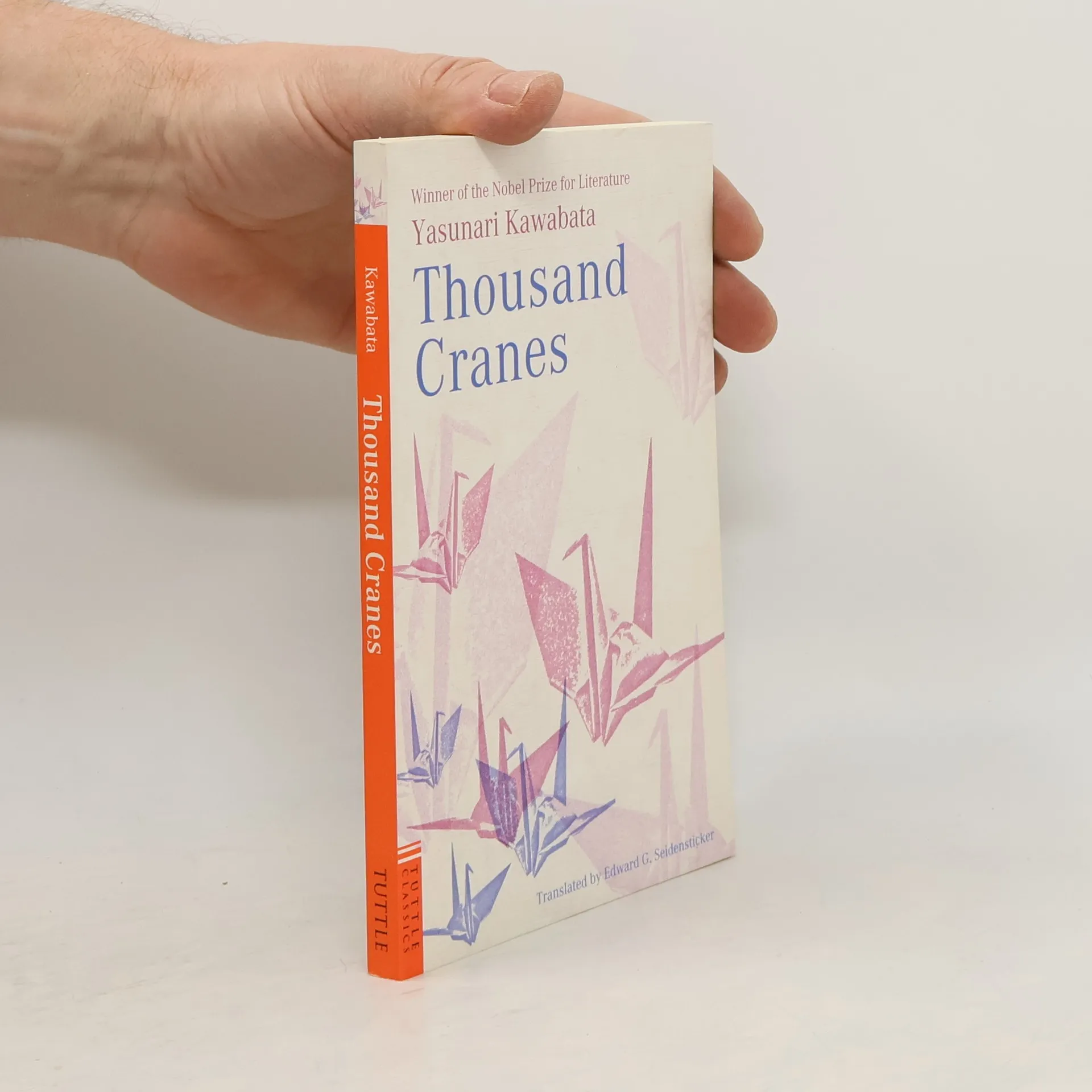
千羽鶴(英文版) - Thousand Cranes
- 147 stránek
- 6 hodin čtení
Thousand Cranes is a story of love given and love withheld. Set against the backdrop of Japan's traditional tea ceremony, it is a taut, highly dramatic novel gleaming with sudden passages of poetic beauty. In one of the book's strongest scenes, the two characters are symbolized by the two fine old China bowls, one female and one male, that sit before them. The novel opens with Kikuji on his way to a tea ceremony given by Chikako, one of his father's former mistresses. He is also on his way to act out the unfinished drama of his father's life. Kikuji's father had been a cultivated man, an art lover and a pleasure seeker. He had cast off one mistress, Chikako, but had loved another, Mrs Ota, until his death. Kikuji, like his father, tries to escape from Chikako, now masculine and meddlesome. Like his father, too, he is drawn to Mrs Ota, who has remained young, alluring and pliant even though her daughter, Fumiko, is only twenty years old. Kikuji's guilty passion for Mrs Ota and Fumiko's efforts to alter the family fate lead to the novel's stunning climax.