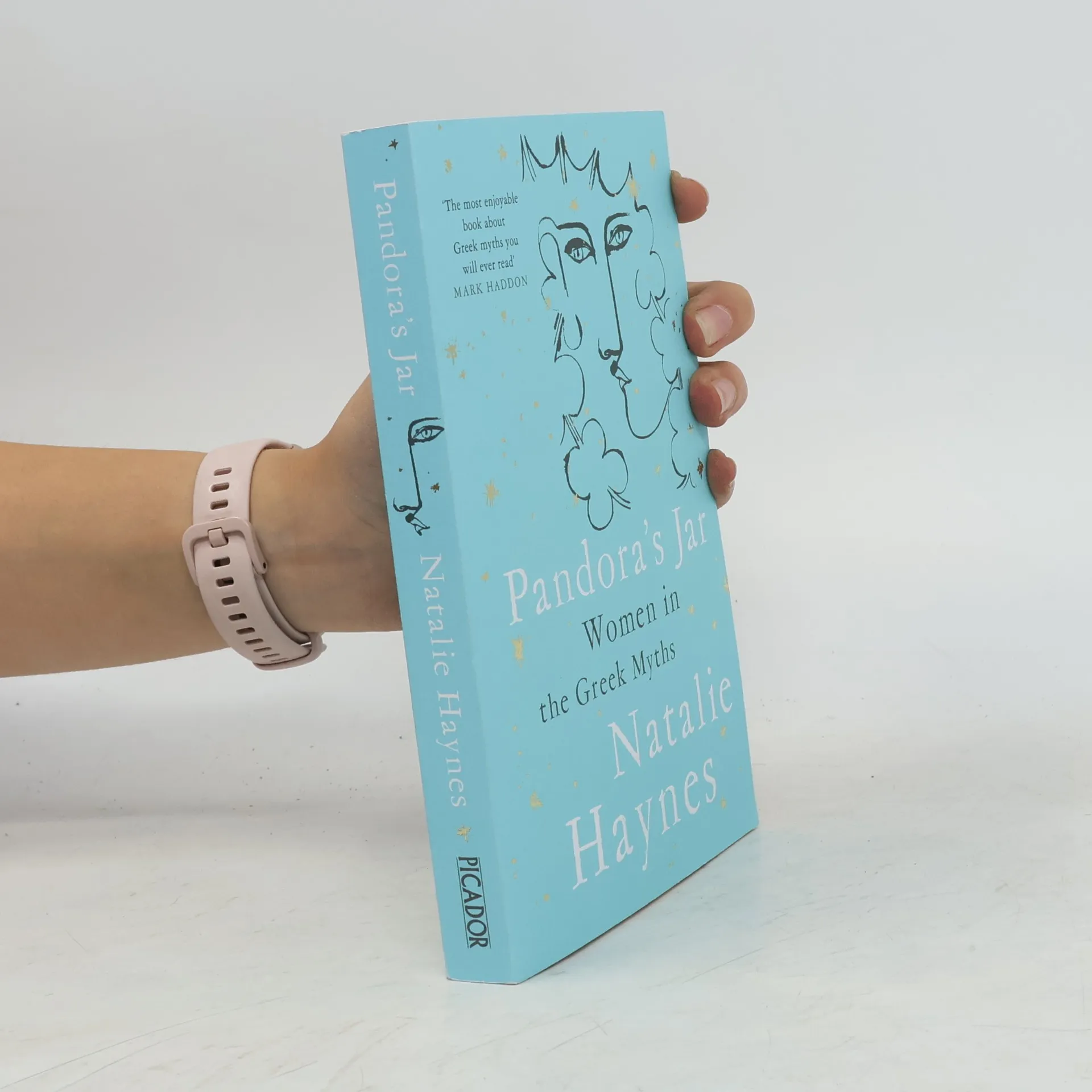
In the many retellings of the Greek myths, the focus is generally on gods and heroes, but Natalie Haynes refocuses our gaze on the remarkable women at the centre of these ancient stories.
Frits van der Waa Knihy

JFK's Last Hundred Days
- 448 stránek
- 16 hodin čtení
An account of the last months of the life of President John F. Kennedy weaves together his public and private life and addresses the tantalizing mystery of all - not who killed him but who he was when he was killed, and where he would have led his country and the world.
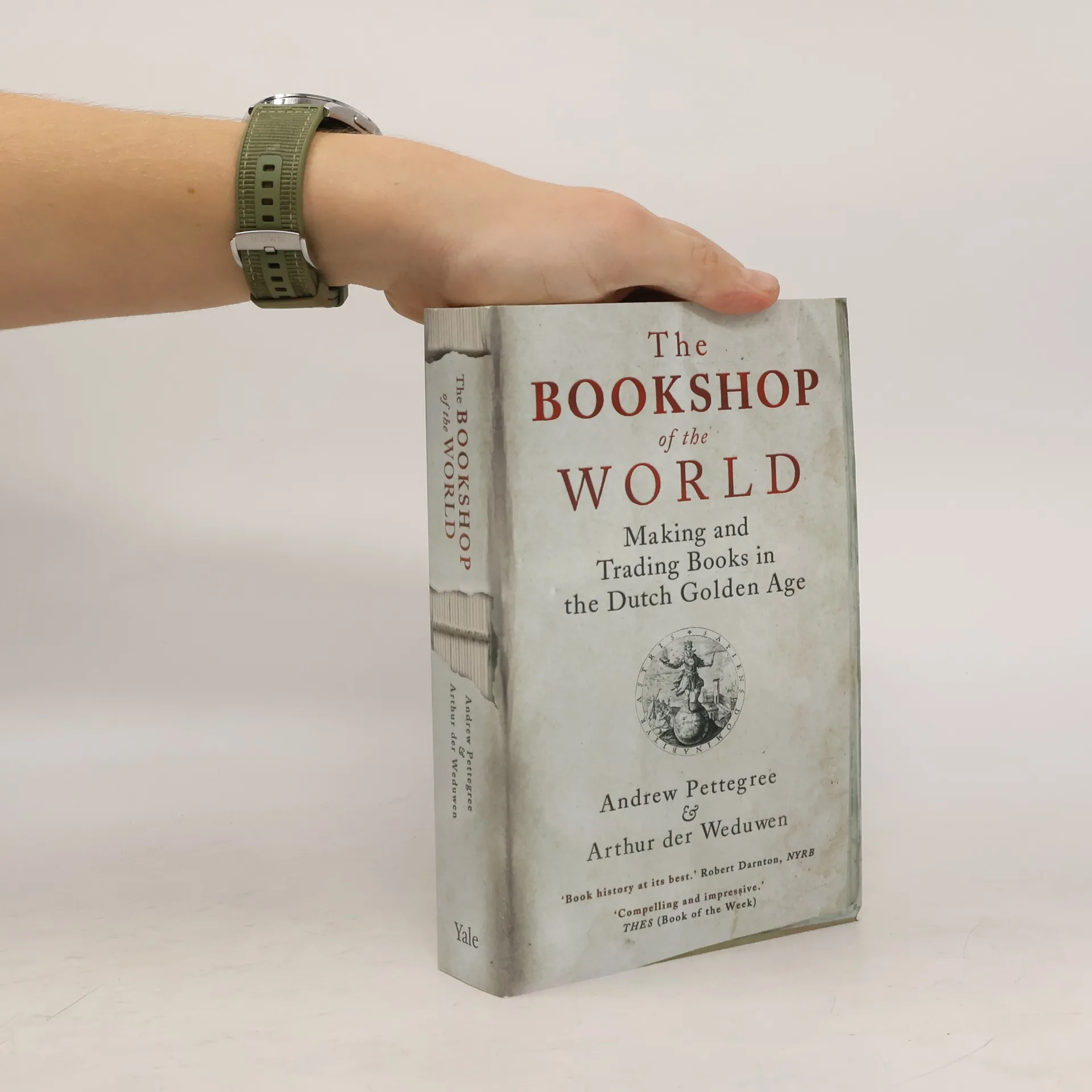
The Bookshop of the World
- 496 stránek
- 18 hodin čtení
This fascinating history uncovers for the first time a largely overlooked aspect of the Dutch Golden Age : an obsession with books. Andrew Pettegree and Arthur der Weduwen show how the Dutch reshaped the seventeenth-century book world and, in the process, produced and owned more books per capita than any other people in Europe.
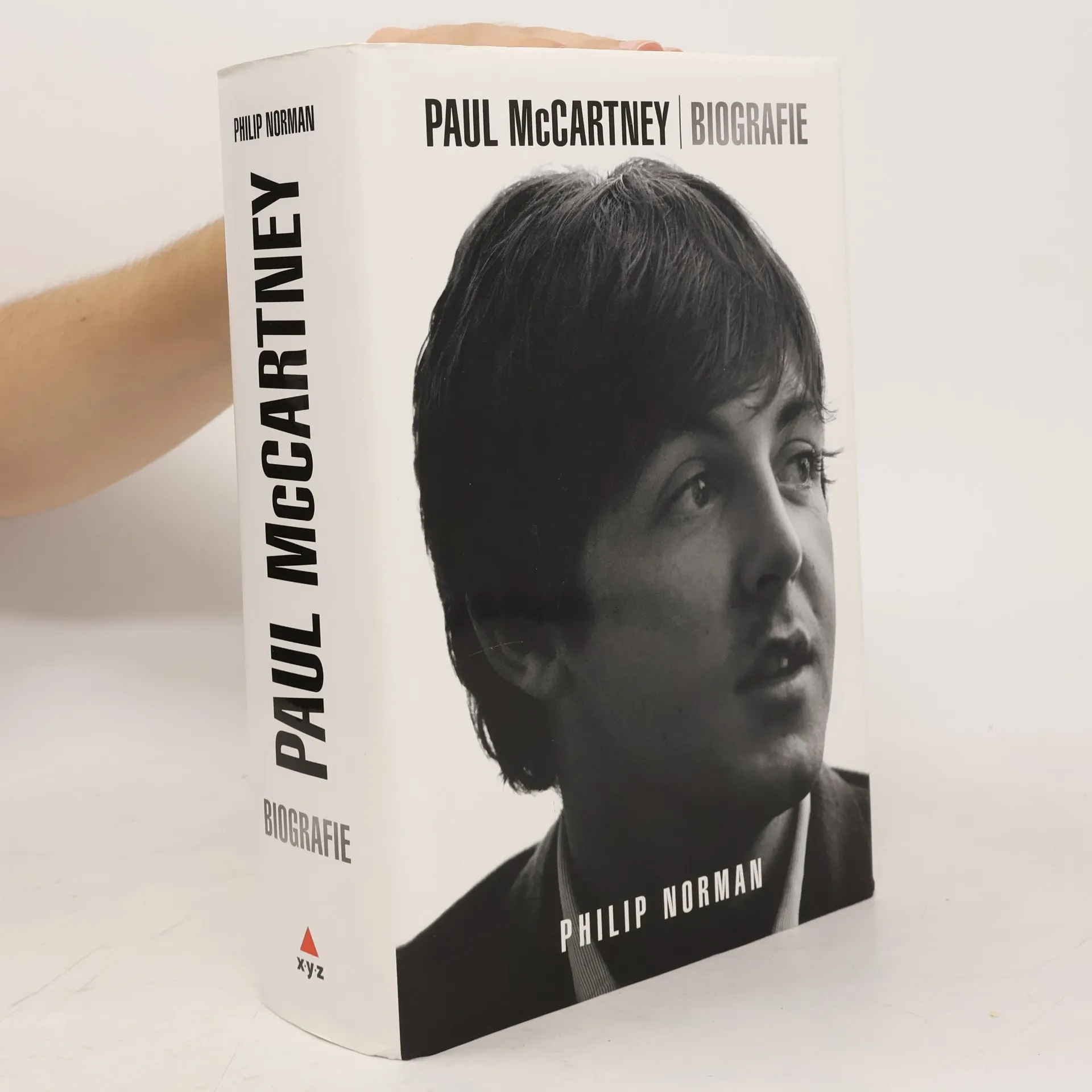
Jaký je historicky nejúspěšnější skladatel Paul McCartney? Nejuznávanější autor biografií hudebních legend ho vykresluje jako složitého, nejistého workoholika, který má potřebu stále si něco dokazovat. Autor se nevyhýbá ani tématům, jako je složitý vztah s Johnem Lennonem, deprese po rozpadu Beatles nebo dojemná smrt jeho ženy Lindy. To a mnohem více najdete v první a jediné biografii schválené Paul McCartneym a jeho nejbližšími.
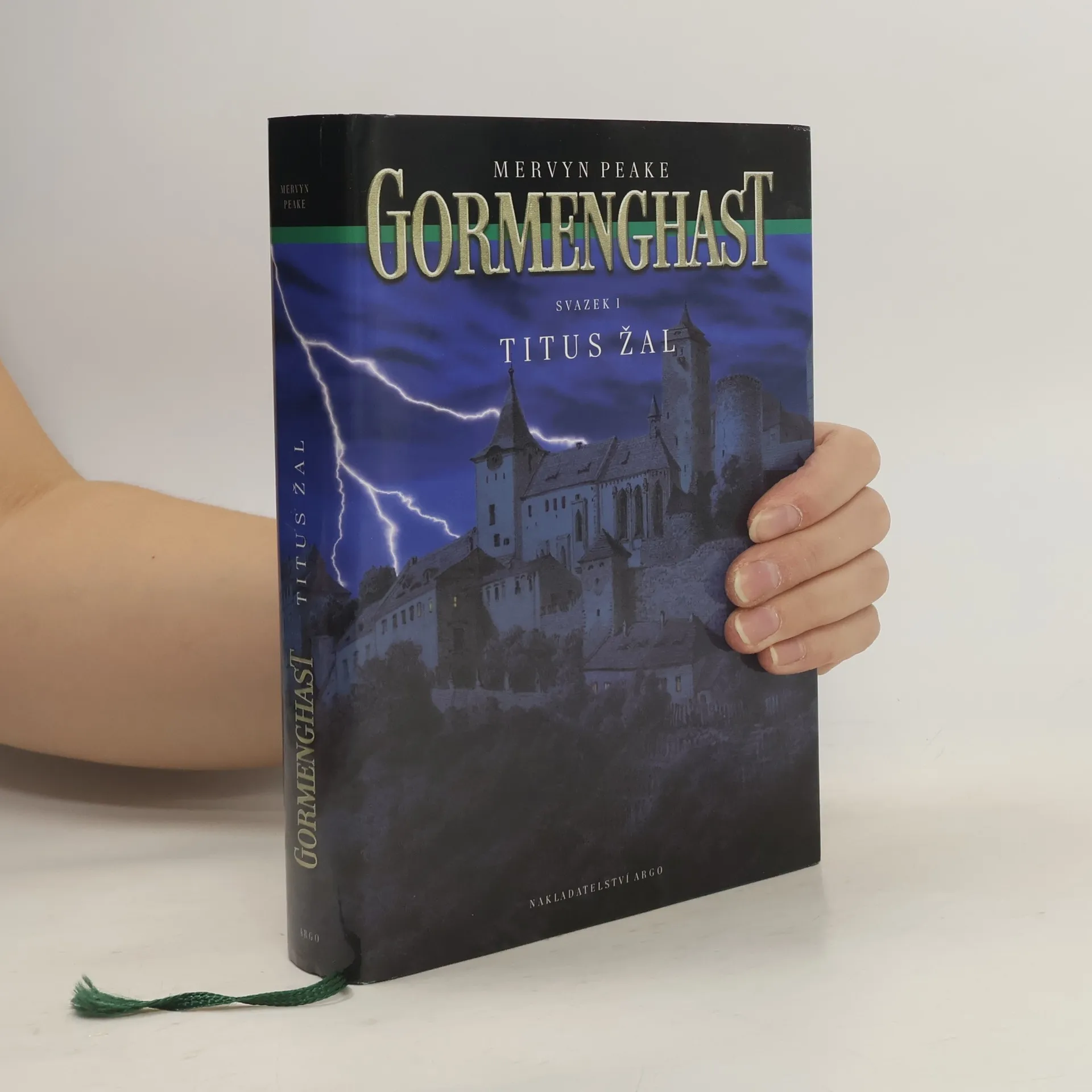
Svoji nejznámější prózu, trilogii Gormenghast, začal psát Mervyn Peake v době druhé světové války, kdy sloužil v armádě, a rukopisy posílal domů své ženě Maeve. Peake umně mísí prvky gotického románu, fantasy, komedie i hororu a výsledkem je surreálně carrollovský, kafkovsky groteskní, do absurdních detailů líčený „vnitřní“ svět, v jehož dusivé, pomalé, zahnilé atmosféře začíná klíčit strašlivá revoluční změna. První díl trilogie nazvaný Titul Žal vyšel v roce 1946. Druhý díl, nazvaný krátce podle místa děje Gormenghast, vyšel o čtyři roky později a sleduje další osudy postav obývající ponurý hrad. Třetí díl trilogie Už jen Titus, který Peake psal v době, kdy trpěl Parkinsonovou chorobou, příběh uzavírá a odehrává se ve vnějším světě. Samotný Gormenghast už tu chybí, ale co do podivínů a bizarních existencí si vnější svět s hradem nijak nezadá. Trilogie Gormenghast, v Anglii stále znovu vydávaná, patří k základním pilířům fantasy. Svědčí o tom i čtyřdílné televizní zpracování BBC z roku 2000 a stejnojmenná rocková opera německého skladatele Irmina Schmidta.
Život 3.0 : člověk v éře umělé inteligence
- 296 stránek
- 11 hodin čtení
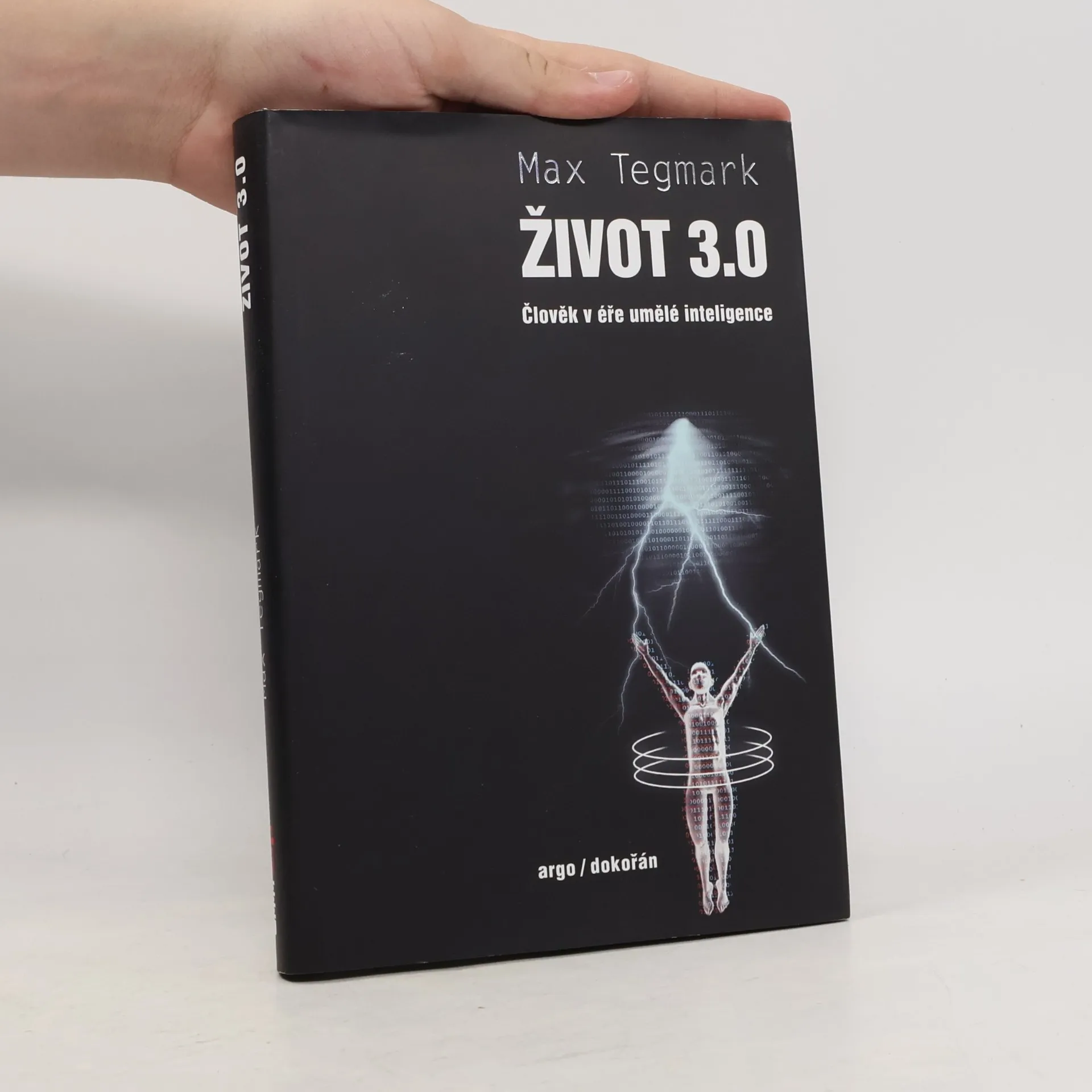
Co se bude dít, až se nám podaří vytvořit umělou inteligenci (AI), která se svou silou vyrovná lidské? Max Tegmark nepochybuje, že k tomu jednou dojde, neboť už současný vývoj soustavně boří hranice, jež byly dříve považovány za nepřekonatelné. Autor považuje za prakticky jisté, že začne docházet k prudkému a nekontrolovatelnému růstu kapacity AI, který se záhy ocitne mimo naši představivost. Dojde totiž ke třetí fázi vývoje života, který si kromě softwaru začne navrhovat i svůj hardware. Jaká může být v nové situaci role člověka? Pokud lidé ovládají tygry nikoli proto, že jsou silnější, ale proto, že jsou inteligentnější, co je čeká tváří v tvář entitě s řádově vyšší kognitivní kapacitou? Mohou vymřít, v lepším případě se stát jakýmisi domácími mazlíčky v zoo spravované superinteligencí. Nebo snad mají ještě jinou šanci?
Náladové & protivné
- 336 stránek
- 12 hodin čtení
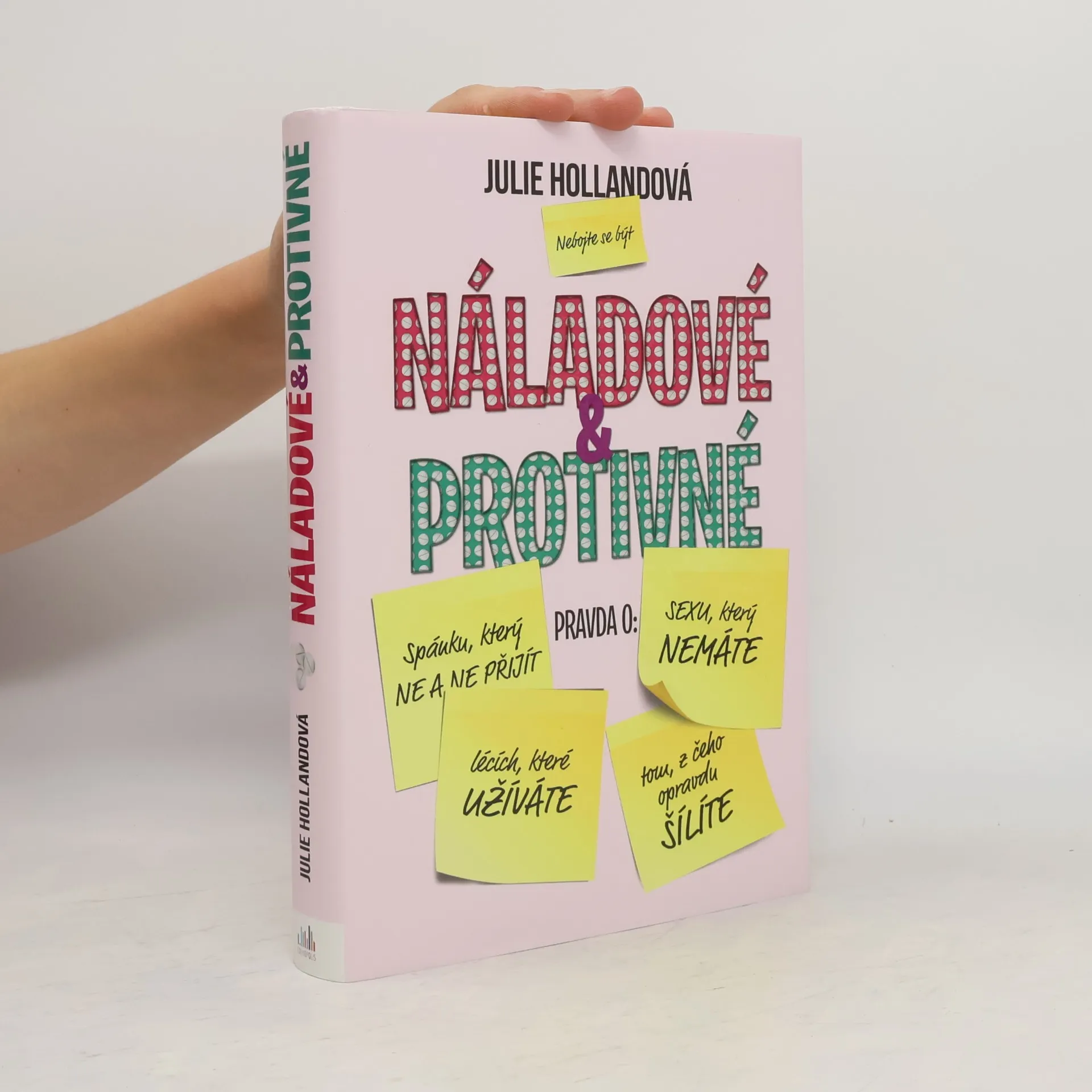
Průlomový průvodce pro ženy všech věkových kategorií, jež ukazuje, že přirozená náladovost je síla, nikoliv slabost Jakožto ženy se již od útlého věku dovídáme, že naše „nálady“ jsou problém. Chceme-li v životě uspět, musíme mít všechno pod kontrolou, tedy i své hormony a přirozené tělesné reakce. Ale naše těla jsou moudřejší, než si představujeme. Kolísání hormonů v průběhu cyklu nám dává jasné podněty, a pokud se je naučíme poslouchat, můžou nám v lecčems pomoci. Přesto miliony žen po celém světě své hormony, a tím pádem i emoce drží „pod prášky“. Ty nám však ve skutečnosti nejen nepomáhají, ale dokonce mohou mít na naše zdraví devastující účinky. Doktorka Julie Hollandová předkládá čtenářkám informace o výhodách a nevýhodách jakýchkoliv léků, mluví o přímé souvislosti mezi jídlem a náladami, připomíná některé překvapivé a vysoce účinné přírodní terapie, které nám mohou pomoci, a nabízí všem ženám neocenitelné informace, jak žít lépe a být vyrovnanější v každé životní fázi.