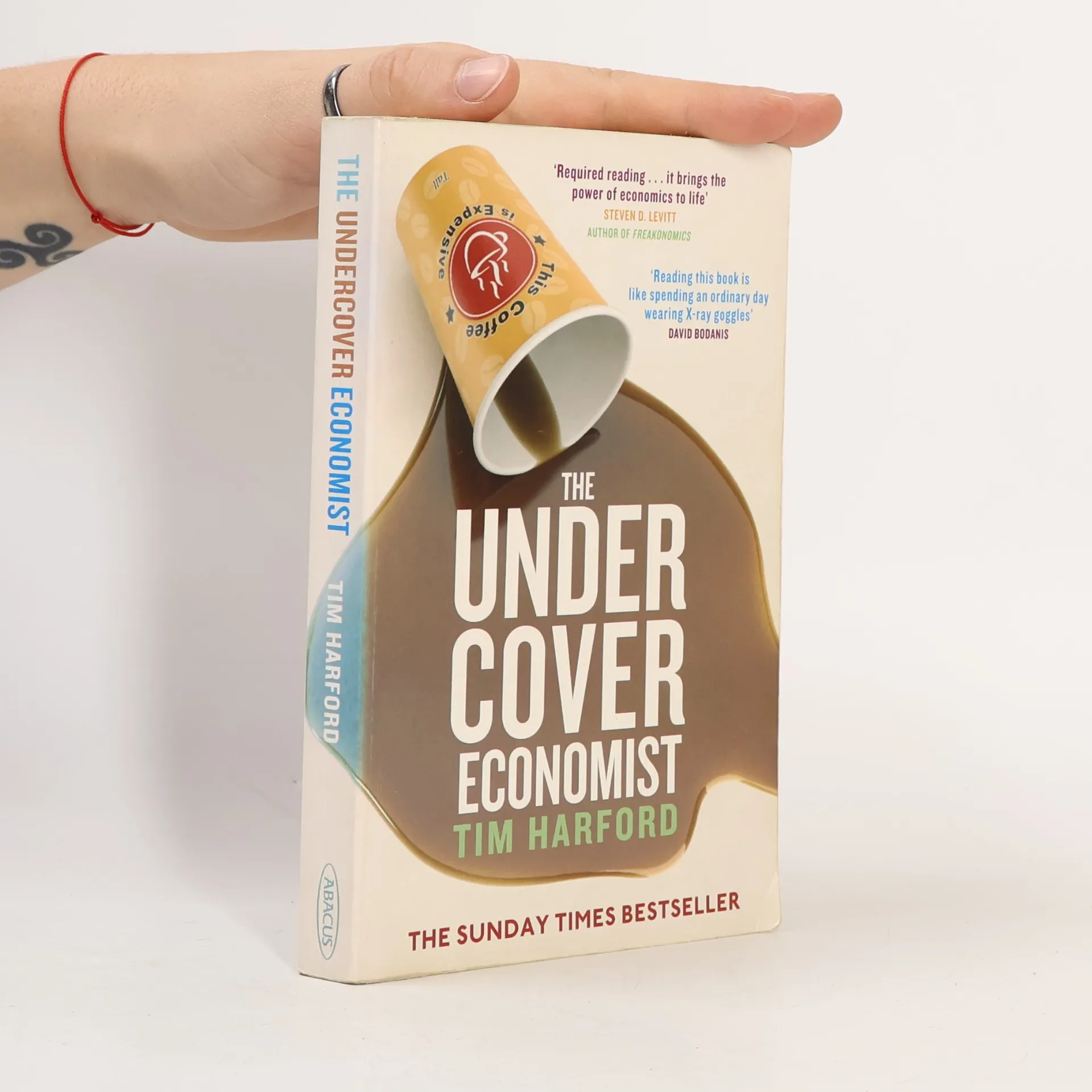

Knihobot

Tim Harford

    27. září 1973

    Tim Harford je členem redakční rady Financial Times. Jeho sloupek „The Undercover Economist“ odhaluje ekonomické myšlenky stojící za každodenními zážitky a je publikován ve Financial Times a syndikován po celém světě. Je také jediným ekonomem na světě, který vede poradnu „Dear Economist“, kde s nadsázkou odpovídá na osobní problémy čtenářů FT pomocí nejnovější ekonomické teorie.

    Tim Harford
    How to Make the World Add Up
    Kdo dostává co a proč
    Logika života
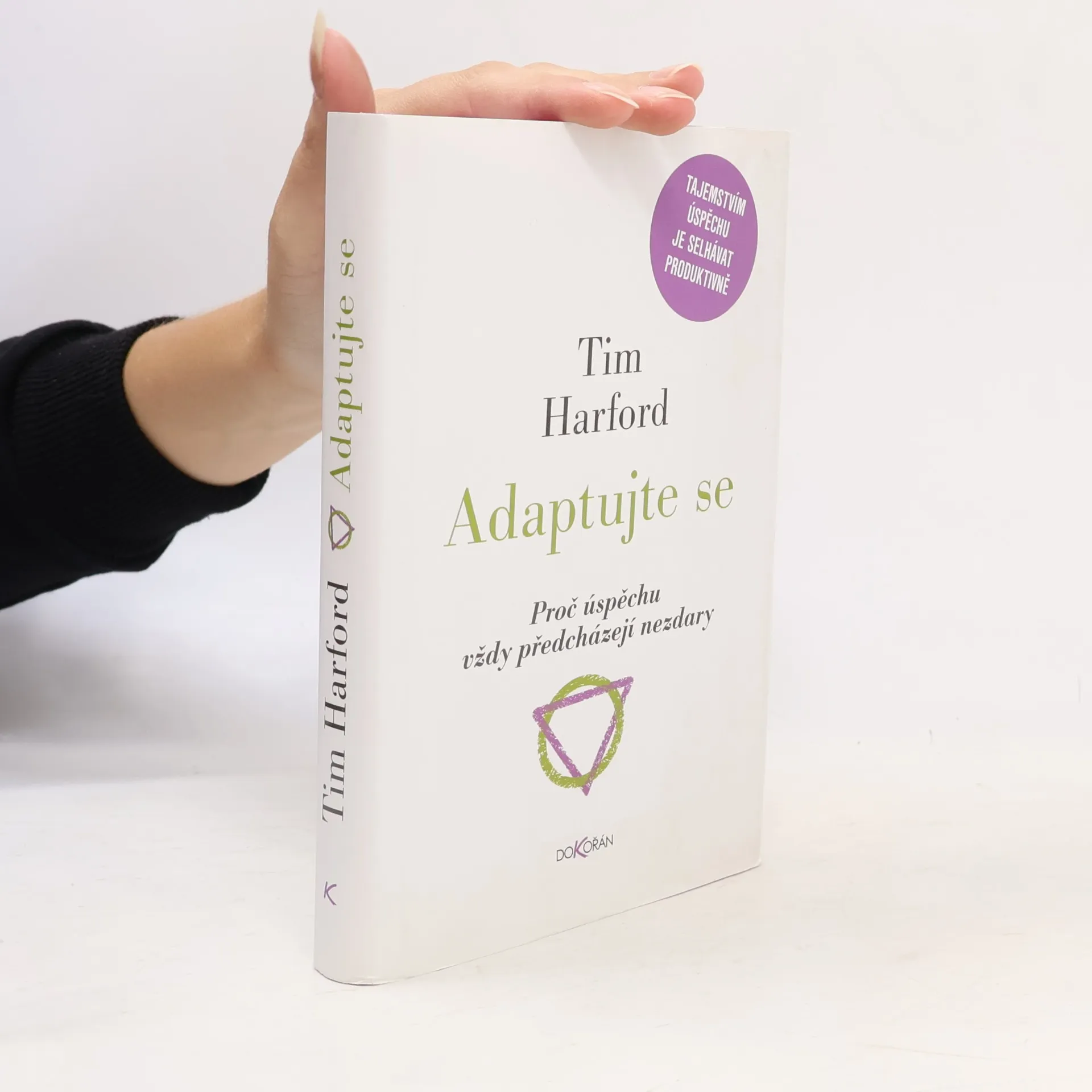
    Adaptujte se
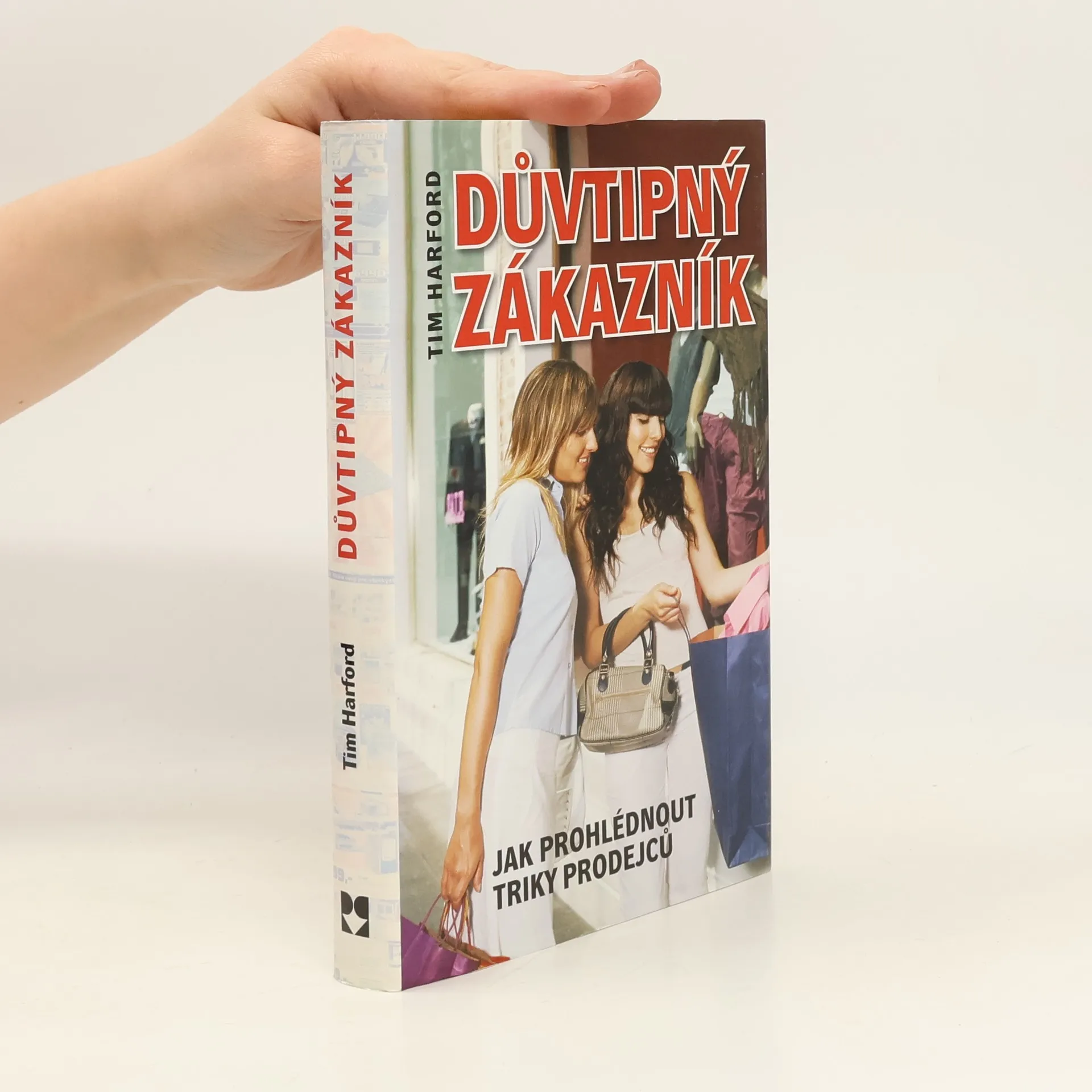
    Důvtipný zákazník. Jak prohlédnout triky prodejců
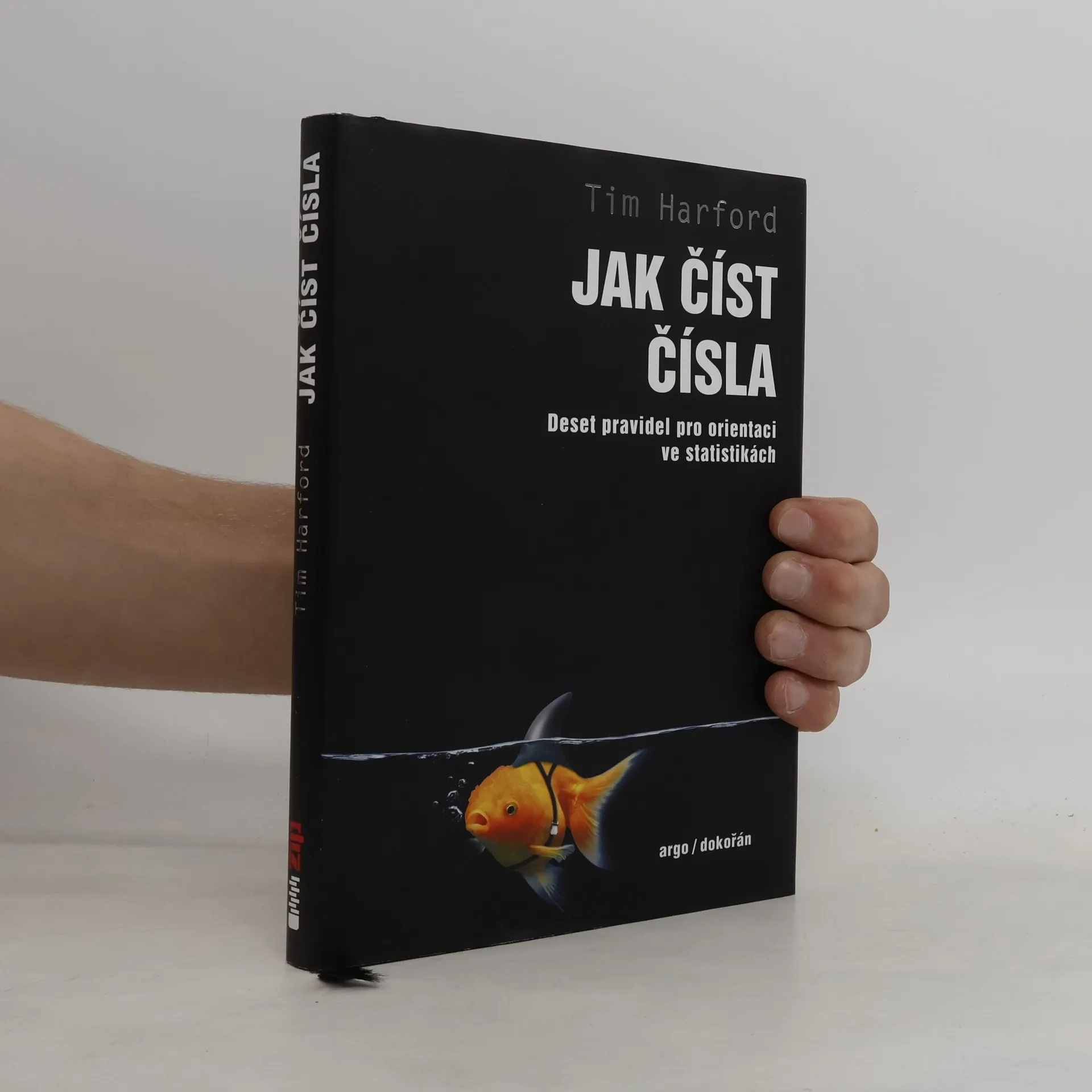
    Jak číst čísla : deset pravidel pro orientaci ve statistikách
    • 2023

      The Truth Detective

      • 191 stránek
      • 7 hodin čtení
      3,8(5)Ohodnotit

      Exploring the themes of truth and perception, this book encourages readers to challenge their understanding of the world. It offers insights that promote smarter living and a fresh perspective on everyday experiences. Through its engaging narrative, readers are invited to uncover deeper truths that can transform their outlook and enhance their lives.

      The Truth Detective
    • 2021

      Data, grafy a analýzy nás dennodenně obklopují a narážíme na ně v médiích i při hospodských debatách. Statistiky nám slouží jako nepostradatelná opora při orientaci ve světě, a přece je čím dál víc zpochybňujeme. Když se však čísla dostanou do povolaných rukou, umějí změnit svět k lepšímu. Navzdory tomu, co se mezi lidmi traduje, nejsou dobří statistikové žádní podfukáři. Nešíří kouřovou clonu, ale naopak odkrývají nové obzory. Kvalitní statistické údaje pro nás znamenají totéž co pro hvězdáře dalekohled, pro bakteriologa mikroskop nebo pro radiologa rentgen. Pokud se jim otevřeme, odhalí ve světě kolem nás to, co bychom jinak přehlíželi. Tim Harford v knize Jak číst čísla vychází z praktických zkušeností ekonoma a zároveň moderátora rozhlasového pořadu BBC More or Less. Sestupuje s námi do hlubin dezinformací, mlžení i podezřelých výzkumných postupů a nachází v nich drahocenná data a analýzy, pro které stojí za to se čísly zaobírat.

      Jak číst čísla : deset pravidel pro orientaci ve statistikách
    • 2021

      From “one of the great (greatest?) contemporary popular writers on economics” (Tyler Cowen) comes a smart, lively, and encouraging rethinking of how to use statistics .Today we think statistics are the enemy, numbers used to mislead and confuse us. That’s a mistake, Tim Harford says in The Data Detective . We shouldn’t be suspicious of statistics—we need to understand what they mean and how they can improve our they are, at heart, human behavior seen through the prism of numbers and are often “the only way of grasping much of what is going on around us.” If we can toss aside our fears and learn to approach them clearly—understanding how our own preconceptions lead us astray—statistics can point to ways we can live better and work smarter.As “perhaps the best popular economics writer in the world” ( New Statesman ), Tim Harford is an expert at taking complicated ideas and untangling them for millions of readers. In The Data Detective , he uses new research in science and psychology to set out ten strategies for using statistics to erase our biases and replace them with new ideas that use virtues like patience, curiosity, and good sense to better understand ourselves and the world. As a result, The Data Detective is a big-idea book about statistics and human behavior that is fresh, unexpected, and insightful.

      The data detective : ten easy rules to make sense of statistics
    • 2020

      How to Make the World Add Up

      • 304 stránek
      • 11 hodin čtení
      4,2(1986)Ohodnotit

      Using his trademark narrative skills, Tim Harford takes us deep into the world of statistics and shows how important and powerful they can be

      How to Make the World Add Up
    • 2020

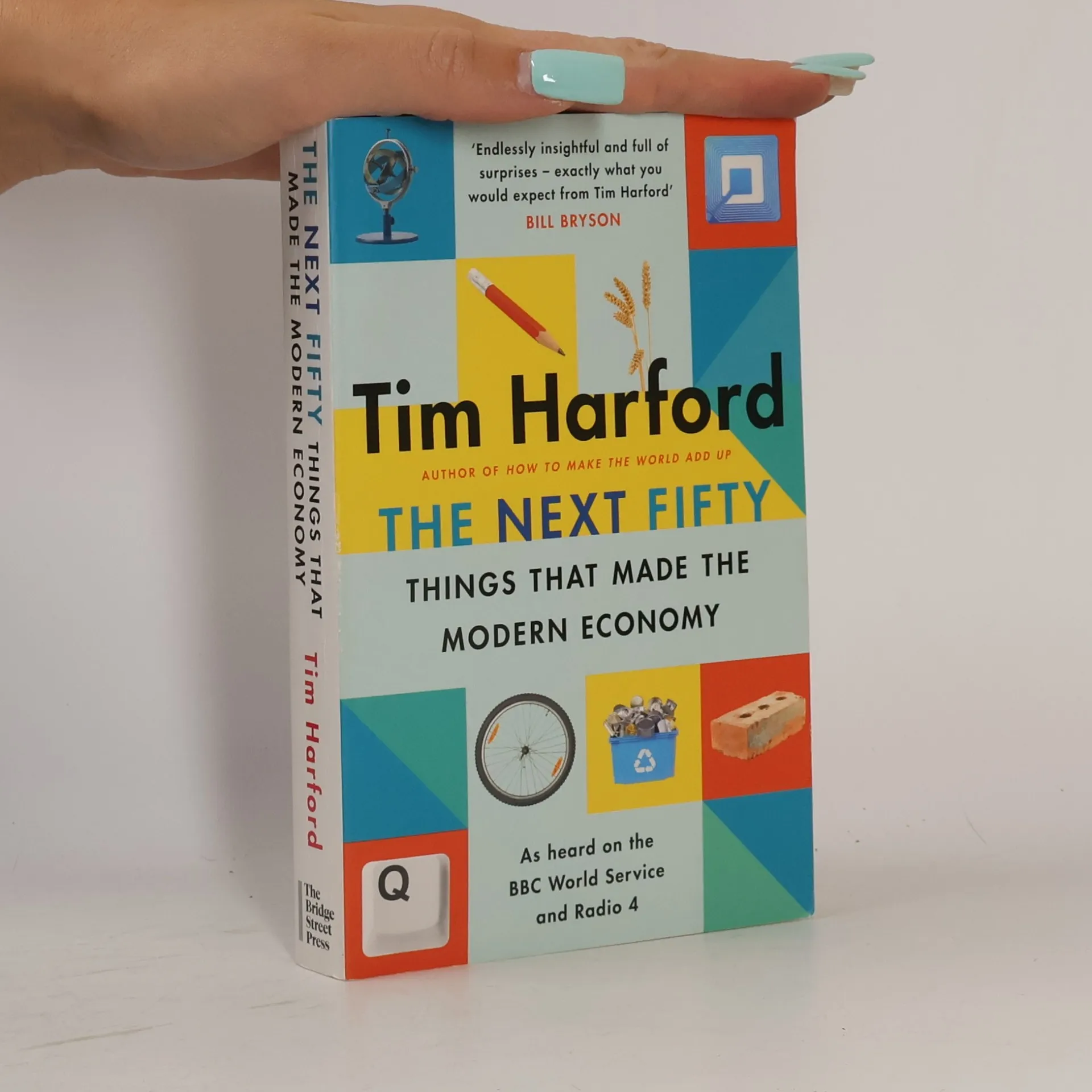
      In Fifty Things that Made the Modern Economy, the revolutionary, acclaimed book, radio series and podcast, bestselling economist Tim Harford introduced us to a selection of fifty radical inventions that changed the world. Now, in this new book, Harford once again brings us an array of remarkable, memorable, curious and often unexpected 'things' - inventions that teach us lessons by turns intimate and sweeping about the complex world economy we live in today. From the brick, blockchain and the bicycle to fire, the factory and fundraising, and from solar PV and the pencil to the postage stamp, this brilliant and enlightening collection resonates, fascinates and stimulates. It is a wonderful blend of insight and inspiration from one of Britain's finest non-fiction storytellers.
      The Next Fifty Things that Made the Modern Economy
    • 2017

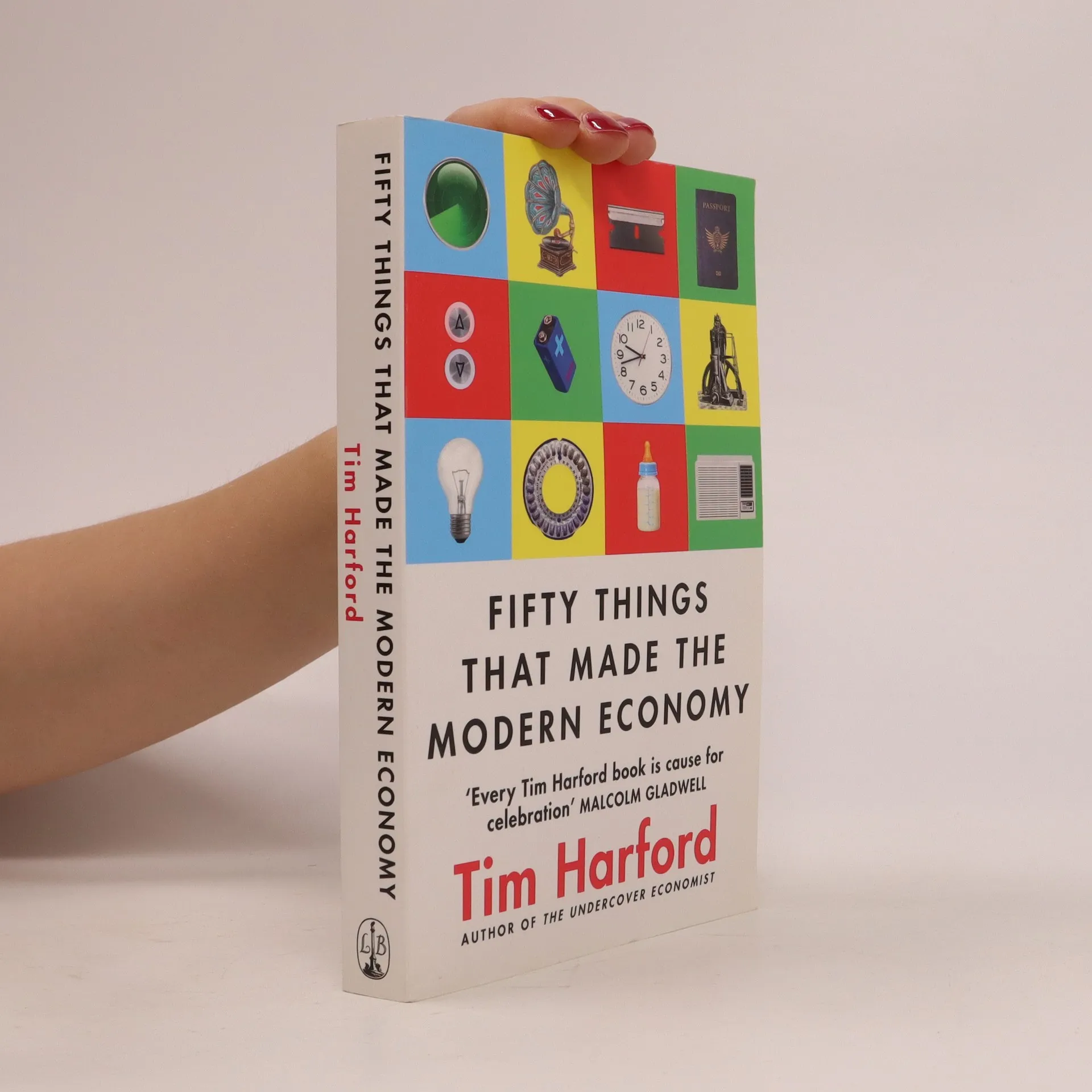
      From the tally-stick to Bitcoin, the canal lock to the jumbo jet, each invention in Tim Harford's fascinating new book has its own curious, surprising and memorable story, a vignette against a grand backdrop. Step by step, readers will start to understand where we are, how we got here, and where we might be going next. Hidden connections will be laid bare: how the barcode undermined family corner shops; why the gramophone widened inequality; how barbed wire shaped America. We'll meet the characters who developed some of these inventions, profited from them, or were ruined by them. We'll trace the economic principles that help to explain their transformative effects. And we'll ask what lessons we can learn to make wise use of future inventions, in a world where the pace of innovation will only accelerate

      Fifty things that made the modern economy
    • 2016

      The urge for tidiness is deeply ingrained in human nature, with many feeling threatened by chaos or ambiguity. We find comfort in systems, scripts, and categorization, which can be beneficial to a point—think of libraries, global trade, and scientific collaboration. However, the push for order has gone too far, driven by corporate and bureaucratic pressures that demand everything be labeled and neatly organized. This tidy mindset, now aided by technology, is encroaching on our personal lives, from structuring children's play to relying on algorithms for romance. Excessive tidiness can lead to rigidity and sterility, stifling creativity and responsiveness. In this exploration, Tim Harford illustrates how qualities we cherish—like resilience and innovation—thrive in messiness. He advocates for embracing disorder in various aspects of life: at home, in the workplace with cluttered desks, in creative environments, and in our approaches to business and politics. By allowing for some chaos and ambiguity, we can foster a more dynamic and productive existence. It's time to appreciate the advantages of a little mess.

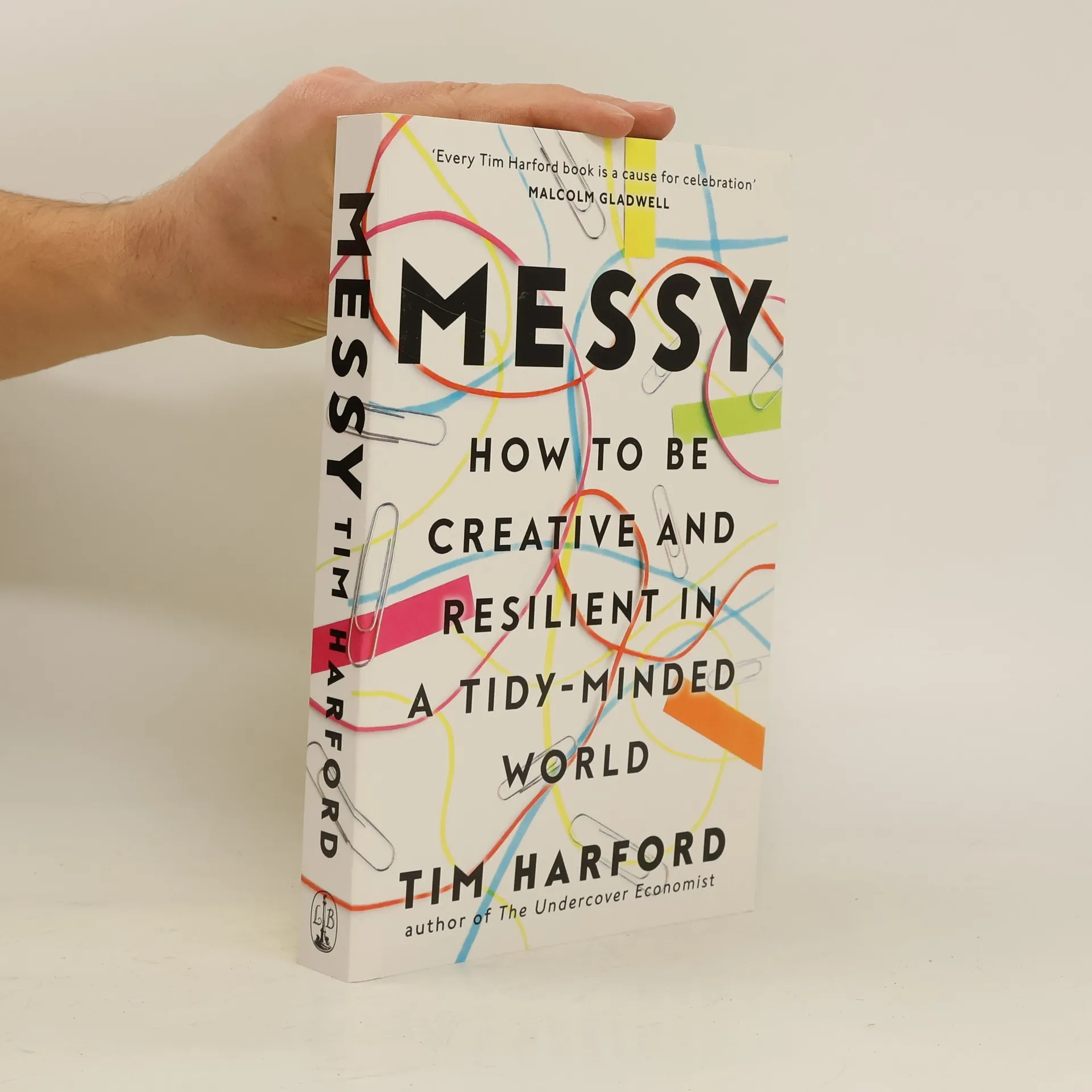
      Messy: How to be creative and resilient in a tidy-minded world
    • 2015

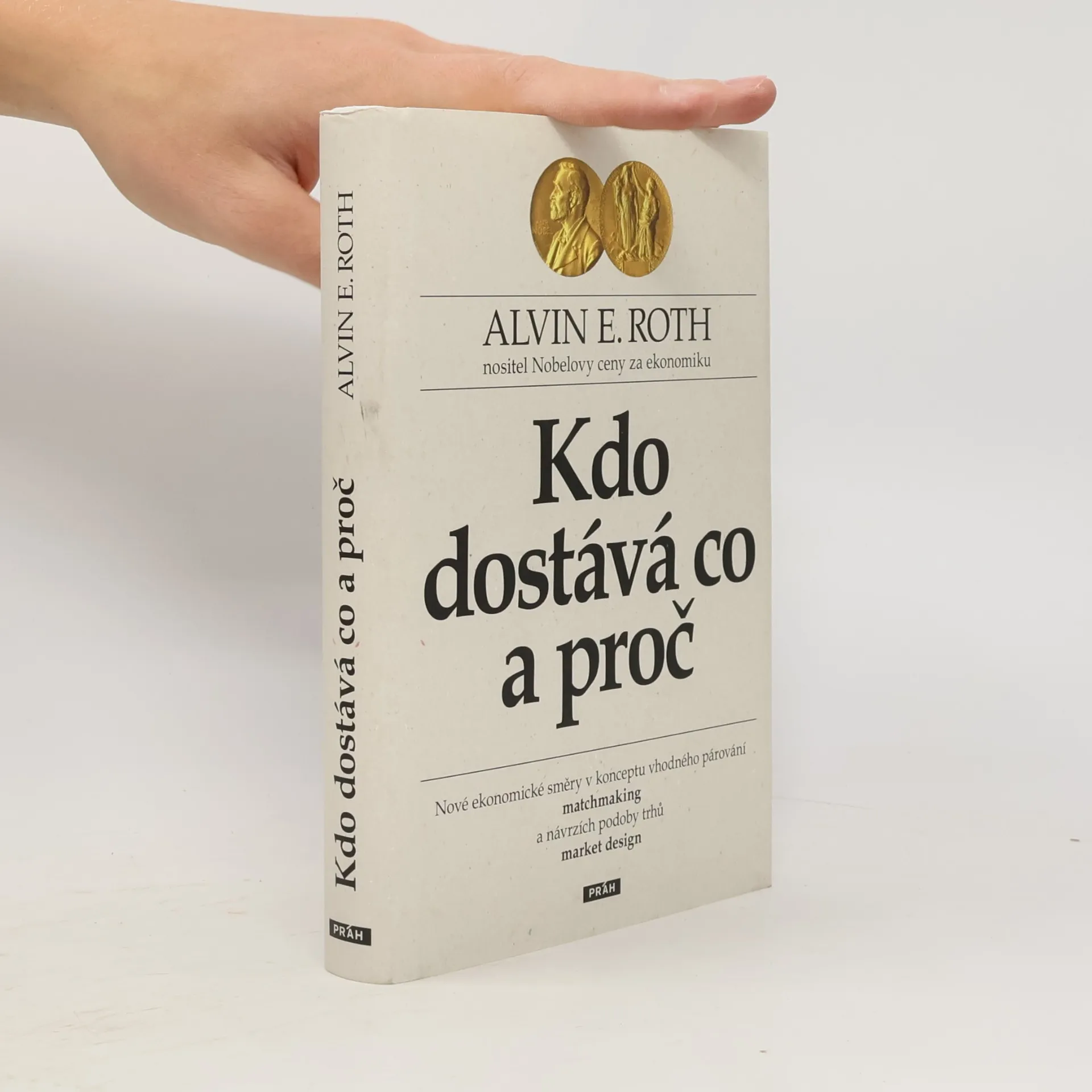
      Kdo dostává co a proč

      • 232 stránek
      • 9 hodin čtení
      4,0(2)Ohodnotit

      Od nositele Nobelovy ceny za ekonomii. Kdykoli se na trhu potkají dva lidé a uzavřou spolu bez donucení vzájemný obchod, mají z toho prospěch oba. A protože takovou transakcí neutrpí druzí, má z takových výměn bez zásahů státu prospěch celá společnost. Proto trhy pracují tak dobře, vysvětluje v knize Kdo dostává co – a proč její autor, americký ekonom a nositel Nobelovy ceny za ekonomii Alvin E. Roth. Je toho názoru, že ekonomové by měli být spíše inženýry, kteří pečlivě promýšlejí podobu dobře fungujících trhů a hledají možnosti, jak propojit jednotlivé tržní subjekty. Uvádí konkrétní příklady: vyhovující spárování studentů a rezidenčních programů nemocnic, vylepšení procesů, pomocí kterých získávají veřejné univerzity své budoucí studenty či pacienty propojují s vhodnými dárci orgánů. Známé jsou Rothovy aplikace ekonomické teorie na problém veřejného školství, konkrétně v New Yorku a Bostonu. Tato kniha, která vyšla v roce 2015, vzbudila nejen v USA velkou pozornost. Je důkazem toho, že ekonomie a její aplikované obory pomáhají k bezproblémovému fungování společnosti a napomáhají spokojenosti jejích členů.

      Kdo dostává co a proč
    • 2013

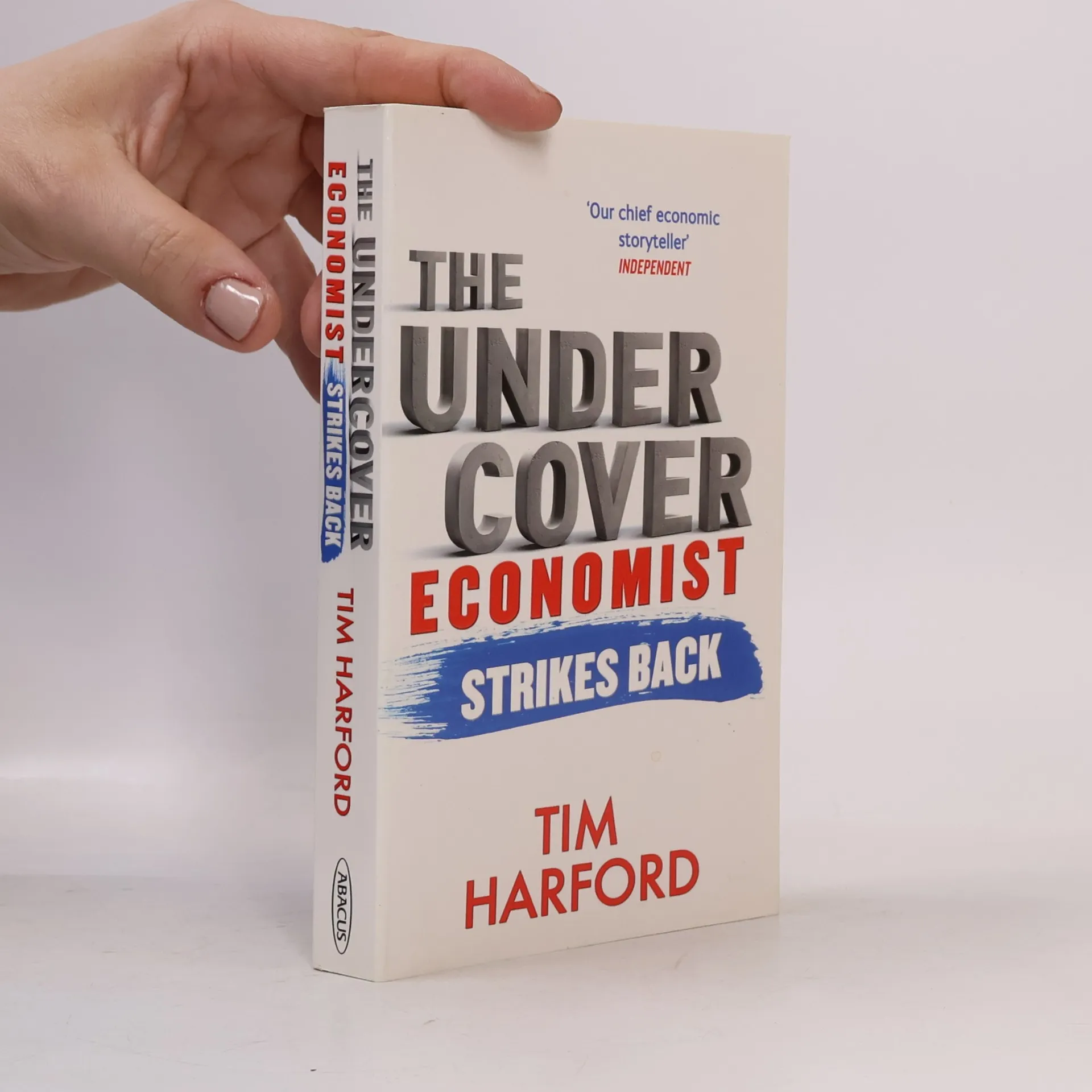
      A million readers bought The Undercover Economist to get the lowdown on how economics works on a small scale, in our everyday lives. Since then, economics has become big news. Crises, austerity, riots, bonuses - all are in the headlines all the time. But how does this large-scale economic world really work? What would happen if we cancelled everyone's debt? How do you create a job? Will the BRIC countries take over the world? Asking - among many other things -- what the future holds for the Euro, why the banks are still paying record bonuses and where government borrowing will take us, in The Undercover Economist Strikes Back, Tim Harford returns with his trademark clarity and wit to explain what's really going on - and what it means for us all.

      The undercover economist strikes back
    • 2012

      EIN GLÄNZEND GESCHRIEBENES PLÄDOYER FÜR EIN NEUES DENKEN IN WIRTSCHAFT, POLITIK UND ALLTAG Finanzkrise, Klimawandel, Armut, Terrorismus: Die Welt von heute ist voll komplexer Probleme. Und sie verändert sich rasend schnell. Lösungen erhoffen wir uns zumeist von Fachleuten und Entscheidern. Aber Politiker und Wirtschaftsbosse liegen regelmäßig daneben, und Expertenmeinungen erweisen sich bald als Schnee von gestern. Was also tun? Tim Harford sagt: Es gibt keine Patentlösungen. Vielmehr müssen wir Dinge ausprobieren. Und damit leben, dass sich manches als Fehlschlag entpuppen wird. Denn nur wenn wir offen mit Fehlern umgehen, können wir aus ihnen lernen und uns gleichsam tastend einer Lösung nähern. Wie das geht, wie wir Kreativität fördern und Innovationen anstoßen können, erklärt er anhand von wissenschaftlichen Erkenntnissen und spannend erzählten Beispielen aus den verschiedensten Bereichen. «Ein großartiges Buch.» Sunday Times «Eines der besten Wirtschaftsbücher des Jahres.» Handelsblatt «Beser kann man es kaum machen.» Nature «Ein ungemein erhellendes Buch … mit vielen Beispielen, klasse geschrieben und präzise auf den Punkt gebracht. Leseempfehlung!» Süddeutsche Zeitung «Ein unterhaltsames Buch. Informativ. Überraschend - wie ein guter Roman.» Deutschlandfunk

      Trial and error