This book presents a provocative perspective on evolution, questioning established theories and encouraging readers to reconsider commonly accepted ideas. It aims to engage a general audience with accessible language and thought-provoking arguments, inviting them to explore the complexities and controversies surrounding evolutionary science.
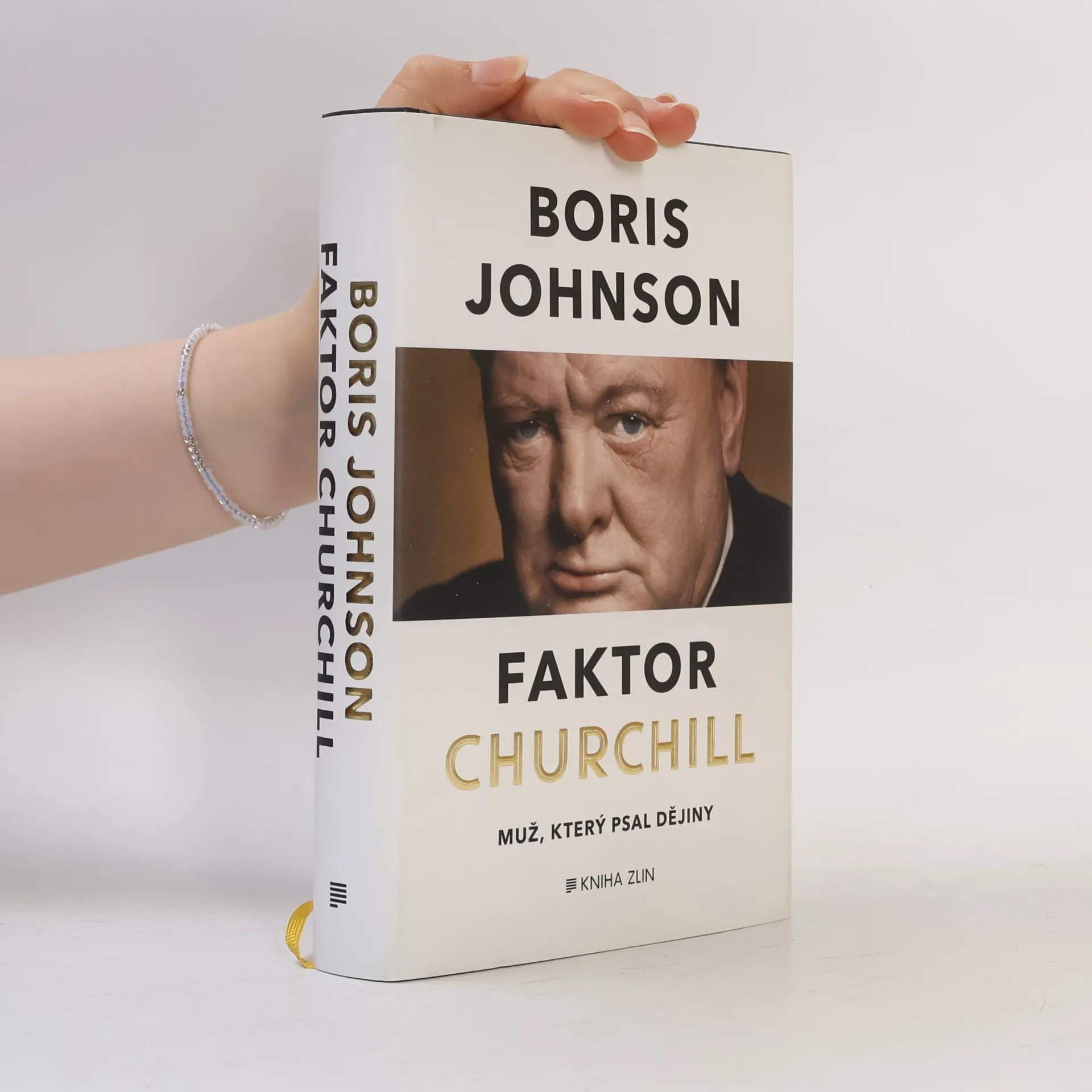
V životopise Winstona Churchilla podává autor se svým charakteristickým vtipem a pronikavostí podobiznu premiéra, který nebojácně vedl svůj národ do boje, přestože nenáviděl válku a pohrdal politiky postrádajícími zkušenost s jejími hrůzami; muže potýkajícího se s depresemi a šišláním, který se přesto vypracoval na jednoho z největších řečníků všech dob a nejproslulejšího žurnalistu své éry; politika, který se díky své otevřenosti novým myšlenkám stal průkopníkem v oblasti zdravotnictví, školství i sociálního zabezpečení, aniž by se přitom zřekl vrozené politické nekorektnosti; a především neohroženého, vynalézavého, odhodlaného velikána, jehož existence je nejlepším argumentem proti názoru, že sebevětší osobnost nemůže zvrátit běh dějin.
A sweeping overview of civil resistance movements around the world that explains what they are, how they work, why they are often effective, and why they can fail.Civil resistance is a method of conflict through which unarmed civilians use a variety of coordinated methods (strikes, protests, demonstrations, boycotts, and many other tactics) to prosecute a conflict without directly harming or threatening to harm an opponent. Sometimes called nonviolentresistance, unarmed struggle, or nonviolent action, this form of political action is now a mainstay across the globe. It was been a central form of resistance in the 1989 revolutions and in the Arab Spring, and it is now being practiced widely in Trump's America. If we are going to understand themanifold protest movements emerging around the globe, we need a thorough understanding of civil resistance and its many dynamics and manifestations.In Civil Resistance: What Everyone Needs to Know(R) , Erica Chenoweth -- one of the world's leading scholars on the topic--explains what civil resistance is, how it works, why it sometimes fails, how violence and repression affect it, and the long-term impacts of such resistance. Featuring bothhistorical cases of civil resistance and more contemporary examples such as the Arab Awakenings and various ongoing movements in the United States, this book provides a comprehensive yet pithy overview of this enormously important subject.
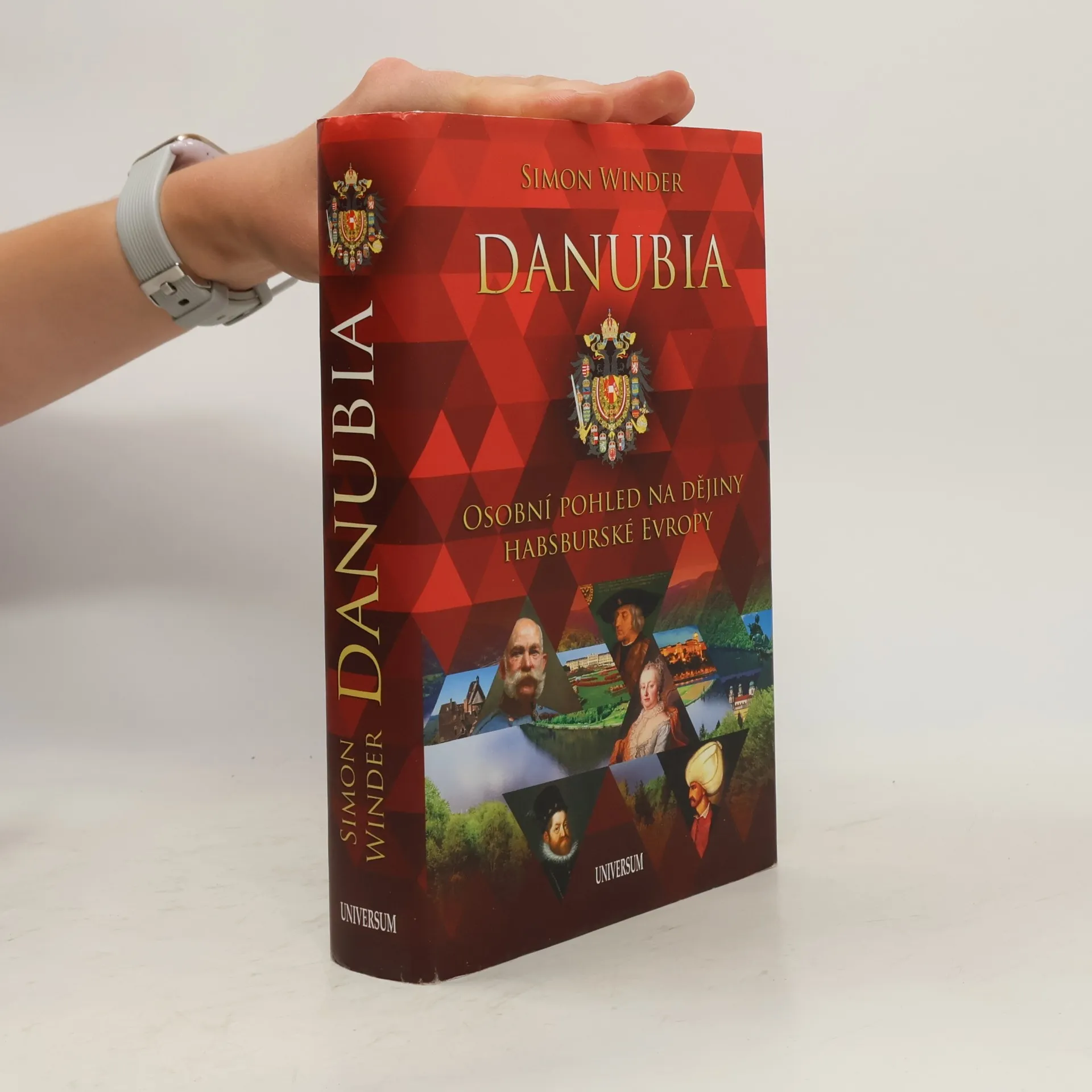
Čtivá a na širokou veřejnost cílená historie Habsburků v Evropě. Autor se snaží podat čtenáři komplexní pohled na dějiny rodu Habsburků od počátku jejich vzestupu po první světovou válku. Nezahrnuje přívalem dat, spíš nabízí lidské portréty jednotlivých zajímavých členů rodu, především králů a císařů, a zasazuje je do kontextu doby a dění.
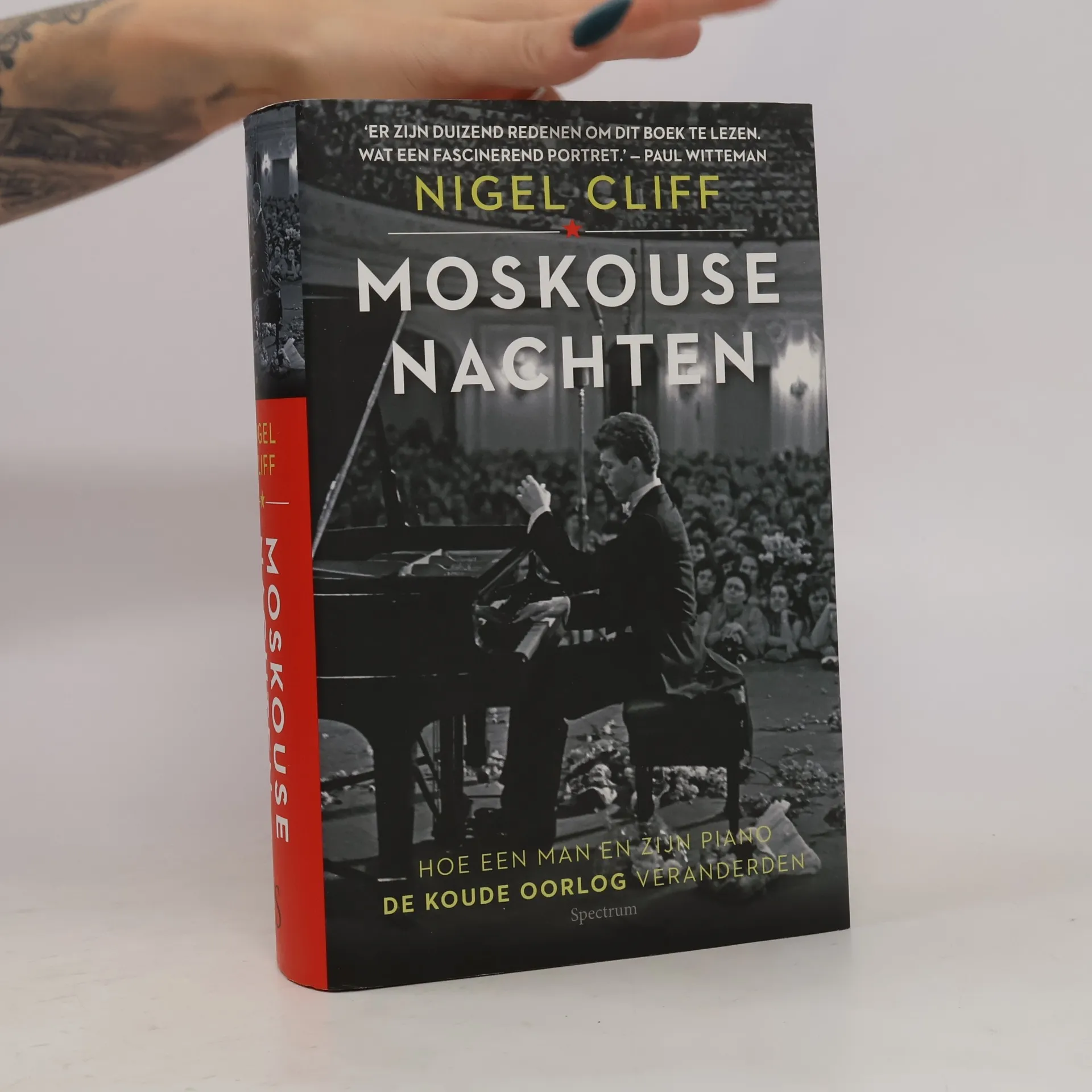
Hoe een man en zijn piano de Koude Oorlog veranderden
542 stránek
19 hodin čtení
Met zijn liefde voor de Russische klassieke muziek, stal Van Cliburn de harten van zowel de Amerikanen als de Russen, en zorgde hij voor een onverwachte verlaging van de spanningen tussen de supermachten, terwijl ze op het randje van een nucleaire oorlog stonden. In 1958 reisde de volledig onbekende 23-jarige Cliburn naar Moskou om daar mee te doen aan het eerste ‘Internationale Tsjaikovski Concours’. De Sovjets waren uiteraard niet van plan om die begeerde prijs aan een onbekende Amerikaan toe te kennen, maar toen de slungelige Texaan met zijn verlegen grijns het podium opliep en begon te spelen, had hij het hele land ogenblikkelijk in zijn ban. ‘Is hij de beste?’ vroeg Chroesjtsjov na afloop aan een van de juryleden. ‘In dat geval... geef hem die prijs!’ In dit spannende, onderhoudende en ontroerende verhaal vertelt Nigel Cliff het drama en de spanning van de Koude Oorlog. In deze uitzonderlijke tijd waren een getalenteerde musicus en de tijdloze klassieke muziek tijdelijk de enige brug tussen twee destructieve nucleaire grootmachten.