

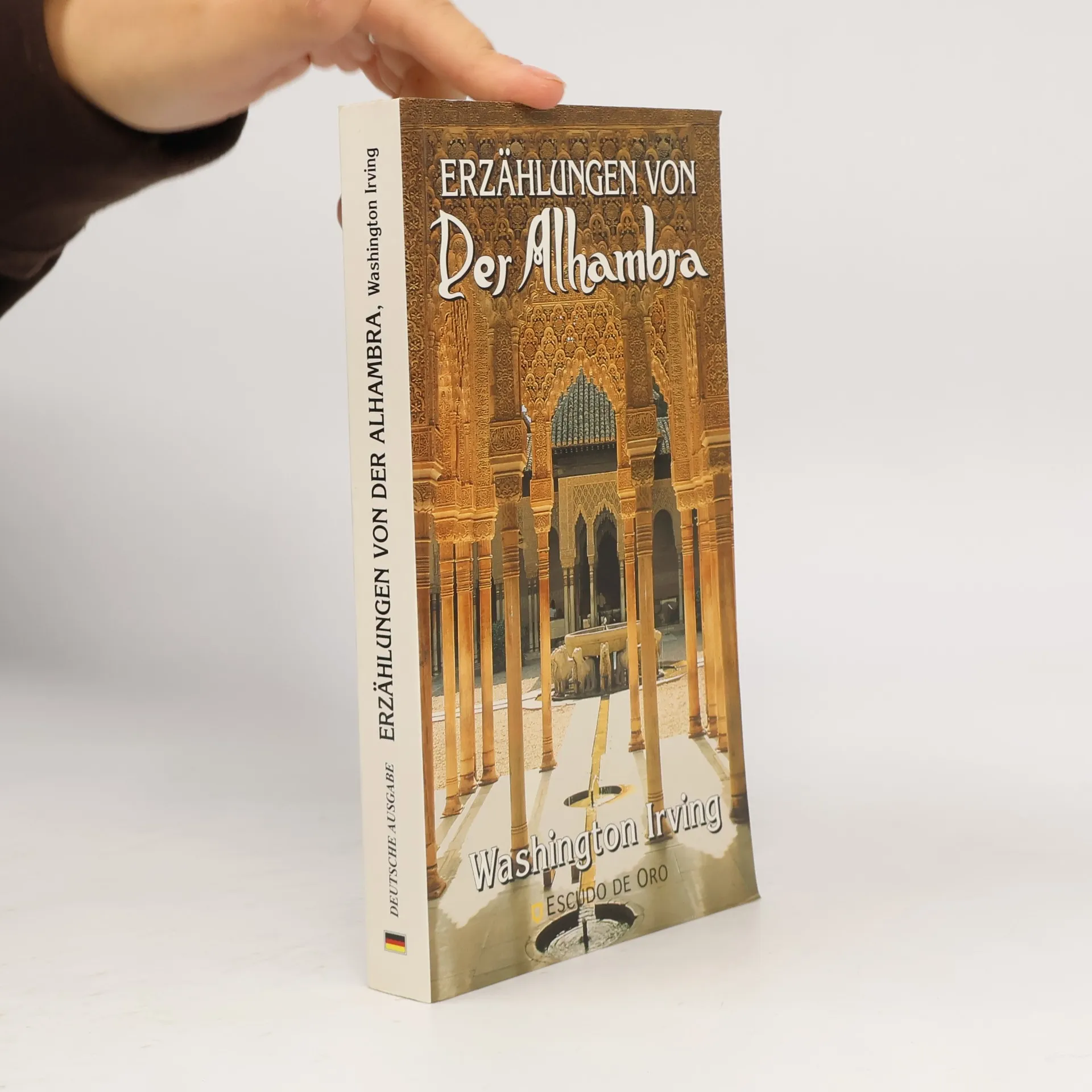
Tales of the Alhambra is a collection of essays, verbal sketches, and stories by Washington Irving. Shortly after completing a biography of Christopher Columbus in 1828, Washington Irving traveled from Madrid, where he had been staying, to Granada, Spain. At first sight, he described it as "a most picturesque and beautiful city, situated in one of the loveliest landscapes that I have ever seen." Irving was preparing a book called A Chronicle of the Conquest of Granada, a history of the years 1478–1492, and was continuing his research on the topic. He immediately asked the then-governor of the historic Alhambra Palace as well as the archbishop of Granada for access to the palace, which was granted because of Irving's celebrity status. Aided by a 17-year old guide named Mateo Ximenes, Irving was inspired by his experience to write Tales of the Alhambra. Throughout his trip, he filled his notebooks and journals with descriptions and observations though he did not believe his writing would ever do it justice. He wrote, "How unworthy is my scribbling of the place." Irving continued to travel through Spain until he was appointed as secretary of legation at the United States Embassy in London, serving under the incoming minister Louis McLane. He arrived in London by late September 1829. -- from Wikipedia
André Belamich Knihy
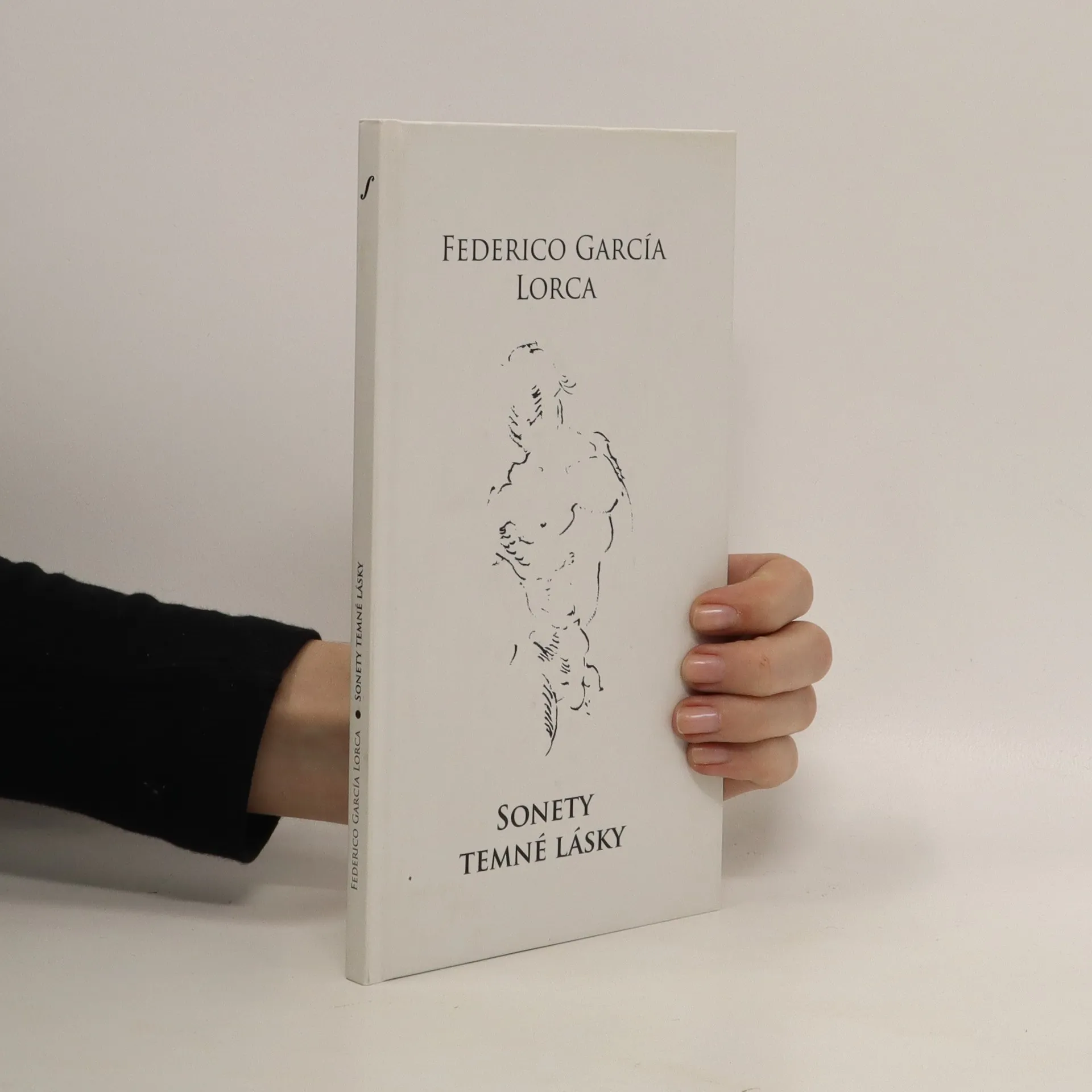
Sonety temné lásky
- 40 stránek
- 2 hodiny čtení
Rozsahem nevelké dílo z posledních let básníkova života vyvolalo při svém prvním oficiálním vydání v roce 1984 nejen v hispánském světě literární senzaci i spekulace: komu Lorca intimní verše – řazené k tomu nejlepšímu, co kdy napsal – adresoval? A byly určeny jediné osobě? Výčet jmen, dat a faktů však není klíčem k pochopení Lorkovy nadčasové poezie působivé především silným a upřímným milostným sdělením; pojetím lásky jako citu stejně přirozeného jako překračujícího hranice toho, co většina vnímá jako normální. Jan Řeřicha, autor kamenného nástroje pro kytarového virtuosa Štěpána Raka či houslí z téhož materiálu, na něž hraje proslulý houslista Jaroslav Svěcený, sbírku vyzdobil ilustracemi, pro něž poprvé v dějinách výtvarného umění použil techniku kamenotisku z hloubky, svůj vlastní vynález. Techniku objevil právě při práci na hudebních nástrojích. Verše přeložily s naprostým respektem ke španělskému originálu, především k Lorkově osobité poetice, Marcela a Barbora Procházkovy.
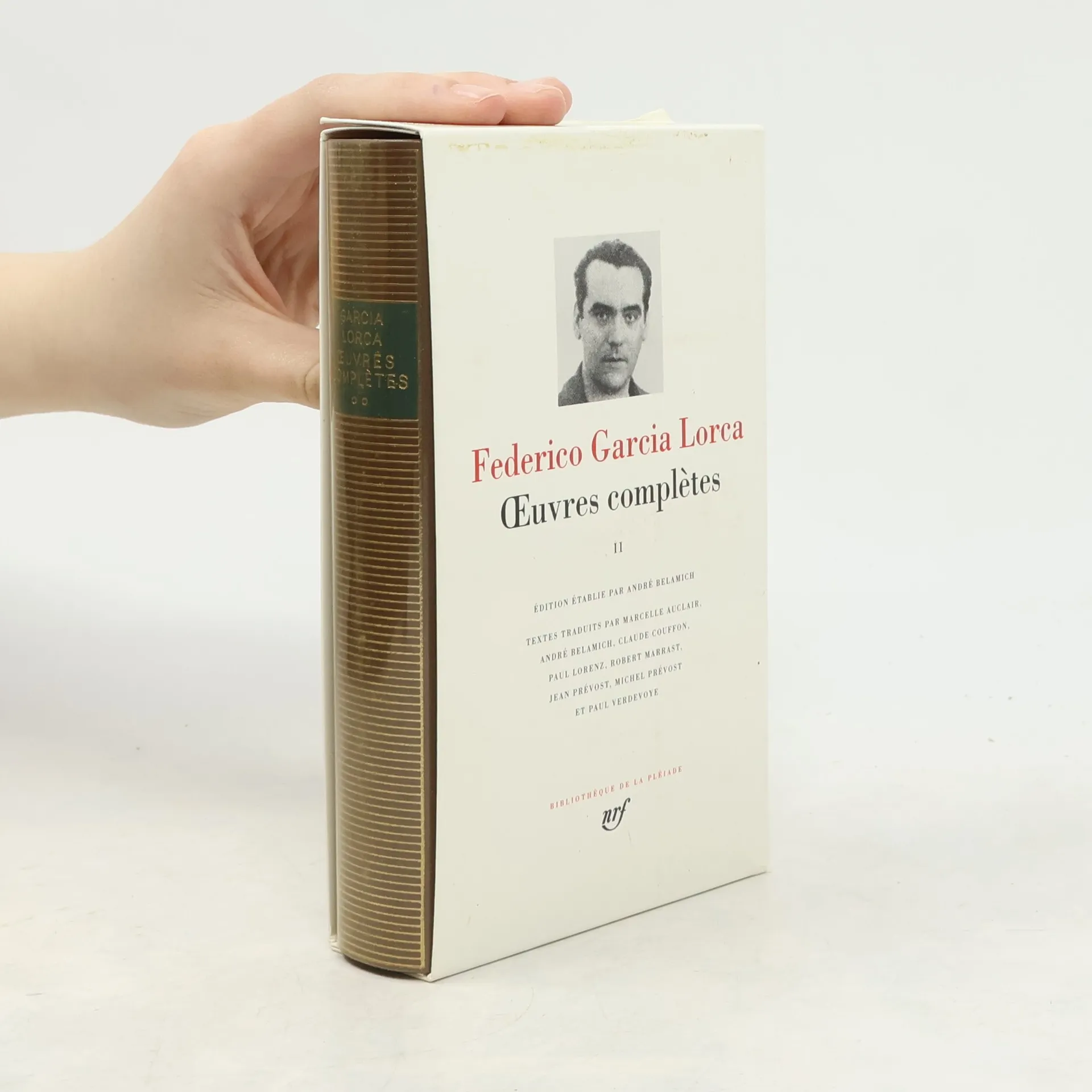
Théâtre : Le Maléfice de la phalène - Ombres - Tragi-comédie de don Cristobal et de Rosita - Lola la comédienne - Mariana Pineda - Dialogues - La Savetière prodigieuse - Les Amours de don Perlimplin avec Bélise en son jardin - Voyage dans la Lune - Le Public - Lorsque cinq ans seront passés - Le Jeu de don Cristobal - Noces de sang - Yerma - Doña Rosita la vieille fille - [Sans titre] - La Maison de Bernarda Alba. Interviews et déclarations.