
Knihobot

Tony Robert Judt

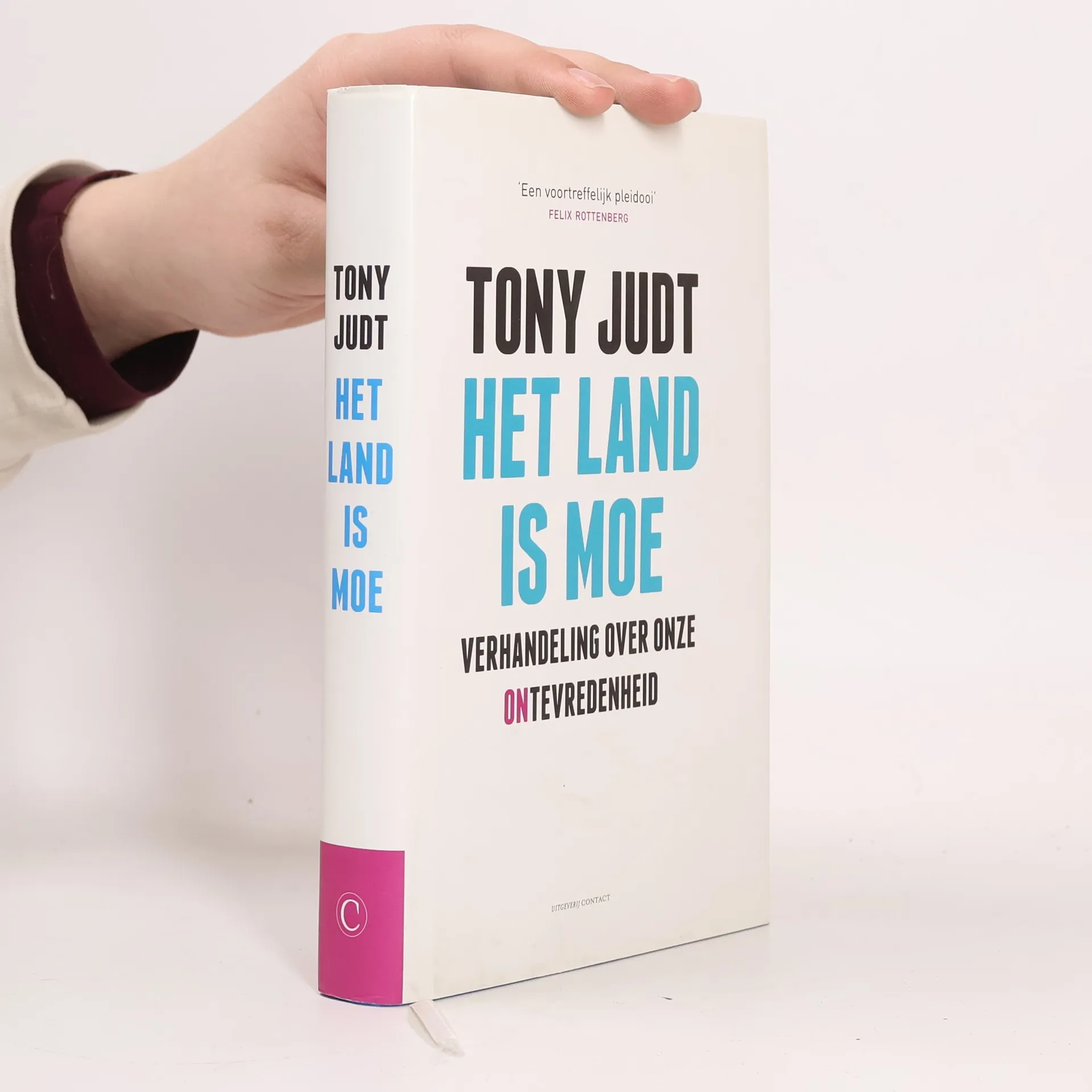
    Het Land is Moe
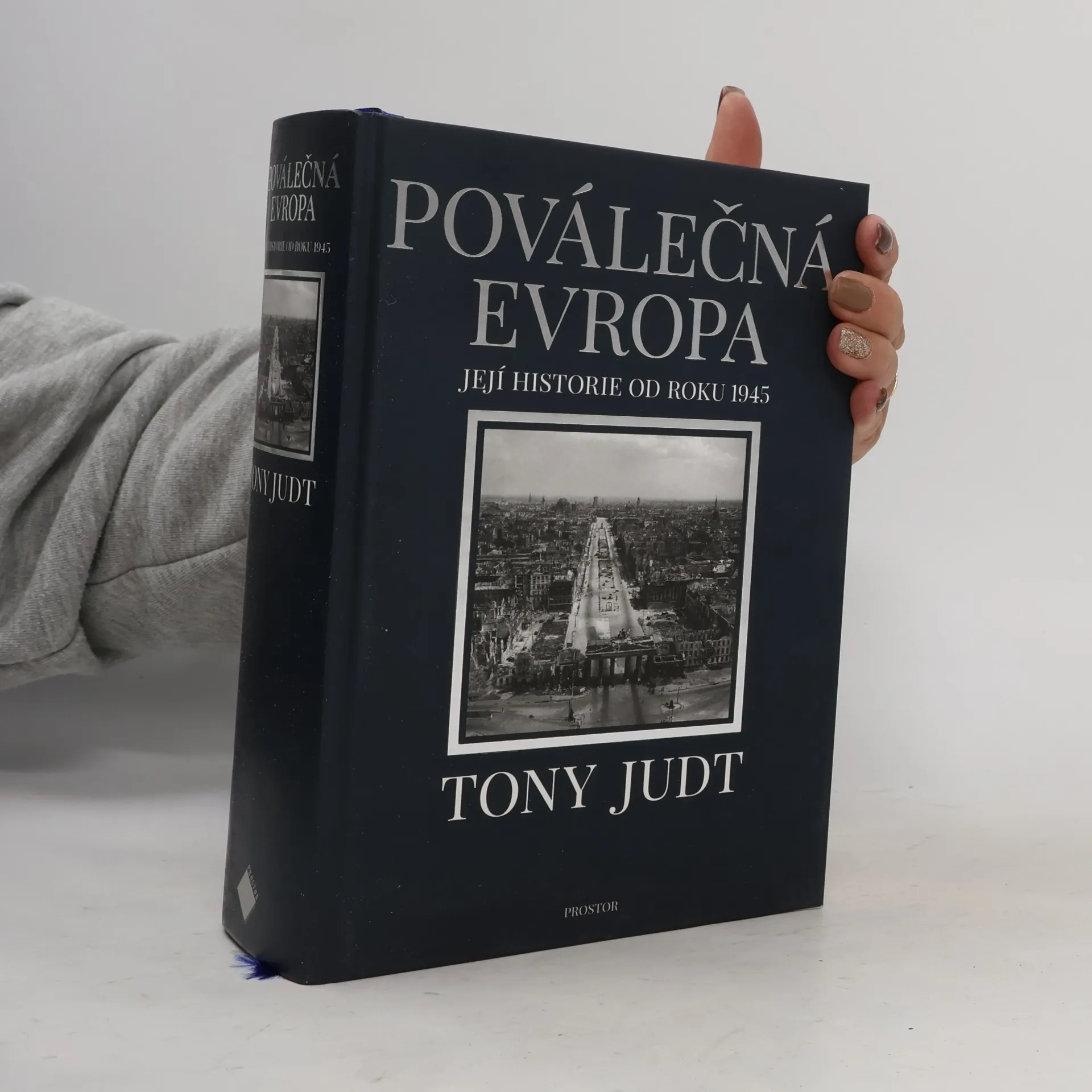
    Poválečná Evropa: Její historie od roku 1945
    • V roce 1945 byla Evropa zdevastována válečným ničením a masovými vraždami, přičemž většina východní části kontinentu spadla pod sovětskou nadvládu. Dnes, po rozpadu Sovětského svazu, se demokratické státy Evropské unie rozprostírají až k ruským hranicím. Poválečná Evropa zachycuje cestu, kterou kontinent urazil mezi těmito dvěma body, a vypráví příběh o vzkříšení z trosek, pádu sovětského komunismu a vzestupu Evropského společenství. Autor se zaměřuje na konce evropských říší a složité vztahy s minulostí a supervelmocemi, jako jsou Rusko a USA. Judt analyzuje vývoj německého automobilového průmyslu v kontextu Británie, spojuje pařížské události z roku 1968 s nepokoji v Praze a Itálii a porovnává Salazarovu diktaturu s Francovým Španělskem a Ceauşescovým Rumunskem. Kniha přináší pohled na občanskou válku v Řecku, sociální demokracii ve Skandinávii, problémy dvojjazyčné Belgie a násilí IRA a baskických separatistů. Zmiňuje významné osobnosti jako Churchilla, Mitterranda, Franca a Stalina a dotýká se kulturních a sociálních dějin, od filmů po existencialismus a punk rock. Judtova práce, která sahá až po válku v Iráku a volbu Benedikta XVI., nabízí hluboké pochopení moderní evropské historie a identity.

      Poválečná Evropa: Její historie od roku 1945
      4,4
    • Het Land is Moe

      Verhandeling over onze Ontevredenheid - Druk 3

      • 238 stránek
      • 9 hodin čtení

      Something is profoundly wrong with our contemporary way of living. In this insightful work, Tony Judt, a prominent historian and thinker, examines how we've reached this confusing moment. He articulates the collective unease regarding the current state of affairs, particularly highlighted by the 2008 economic collapse, which exposed the fragility of the postwar social contract that promised security, stability, and fairness. This contract is now absent from public discourse. Judt provides the necessary language to address our shared needs, opposing the nihilistic individualism of the far right and the outdated socialism of the past. To move forward, we must draw lessons from our recent history and embrace social democracy, prioritizing fairness over mere efficiency. Social democrats advocate for an enhanced role of the state in our lives without compromising our freedoms. Rather than placing blind faith in the market, as we have done for the past three decades, they emphasize trust in citizens and the state. This work challenges us to confront societal issues and take responsibility for our world. Hope persists, and by reintroducing alternatives to the status quo, Judt revitalizes our political dialogue, equipping us with the tools to envision a new governance and way of life.

      Het Land is Moe
      3,9