

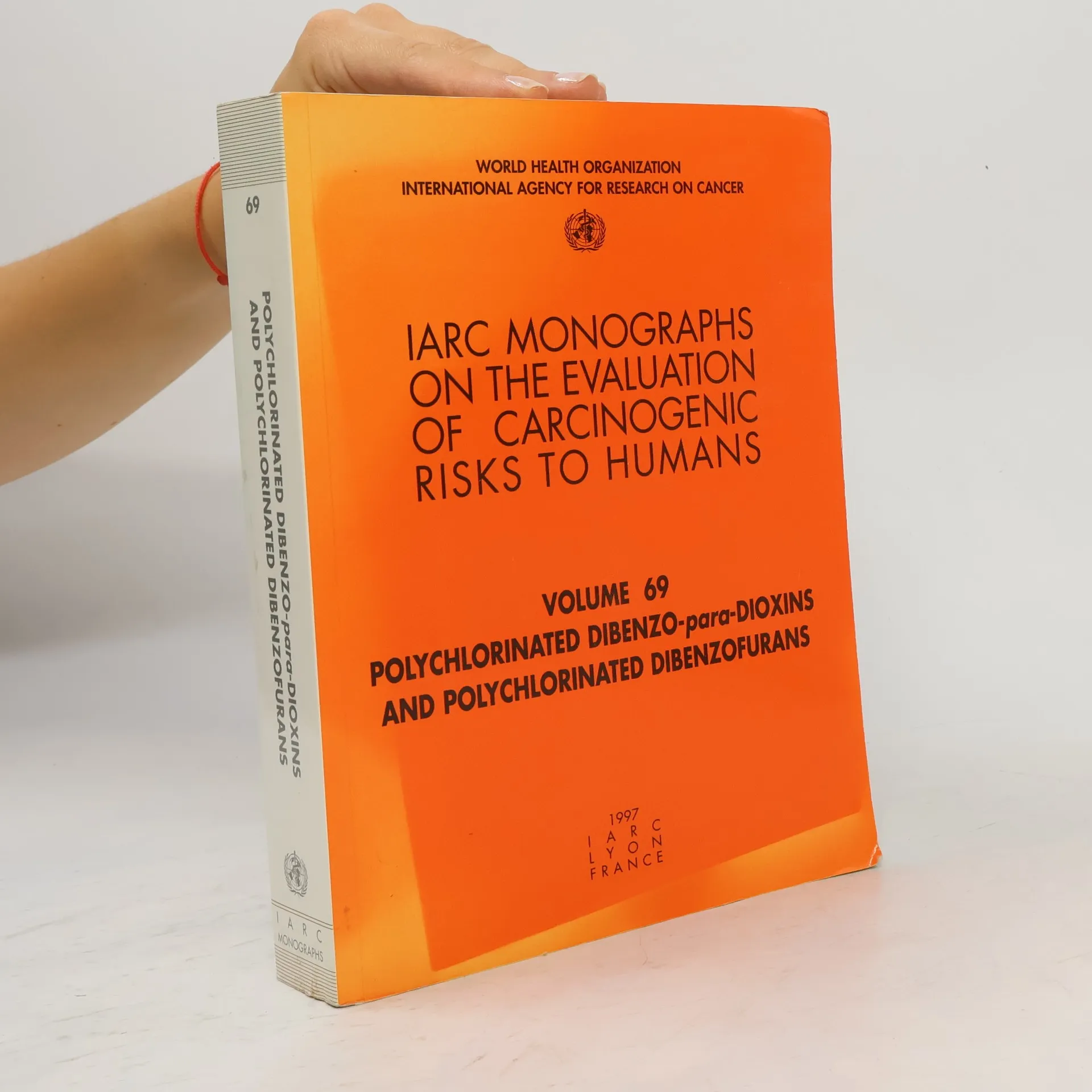
This evaluation assesses the carcinogenic risks to humans from exposure to polychlorinated dibenzo-para-dioxins (PCDDs) and polychlorinated dibenzofurans (PCDFs). PCDDs are by-products formed during the production of chlorophenols and chlorophenoxy herbicides, and they can also arise from thermal processes like incineration and paper bleaching. The compound 2,3,7,8-tetrachlorodibenzo-para-dioxin (2,3,7,8-TCDD) has raised significant concern. PCDDs and PCDFs are widespread in the environment, accumulating in animal fat, with human exposure primarily occurring through the consumption of animal products. Occupational exposure has been prevalent since the 1940s, particularly in chlorophenol production and metal recycling, with higher exposure levels reported in industrial accidents and rice oil contamination incidents. The evaluation found strong epidemiological evidence linking 2,3,7,8-TCDD exposure to increased cancer risks across multiple sites, indicating it is a multi-site carcinogen. Consequently, it is classified as carcinogenic to humans. In contrast, other PCDDs and dibenzofurans could not be classified regarding their carcinogenicity. For PCDFs, evidence from two major poisoning incidents suggested a link to liver cancer; however, other factors like chronic hepatitis B prevalence were noted. Thus, evidence for PCDFs’ carcinogenicity was deemed inadequate, preventing classification.
The International Agency for Research on Cancer Knihy


Genetic and Related Effects
an Updating of of Selected IARC Monographs from Volumes 1 to 42
- 729 stránek
- 26 hodin čtení
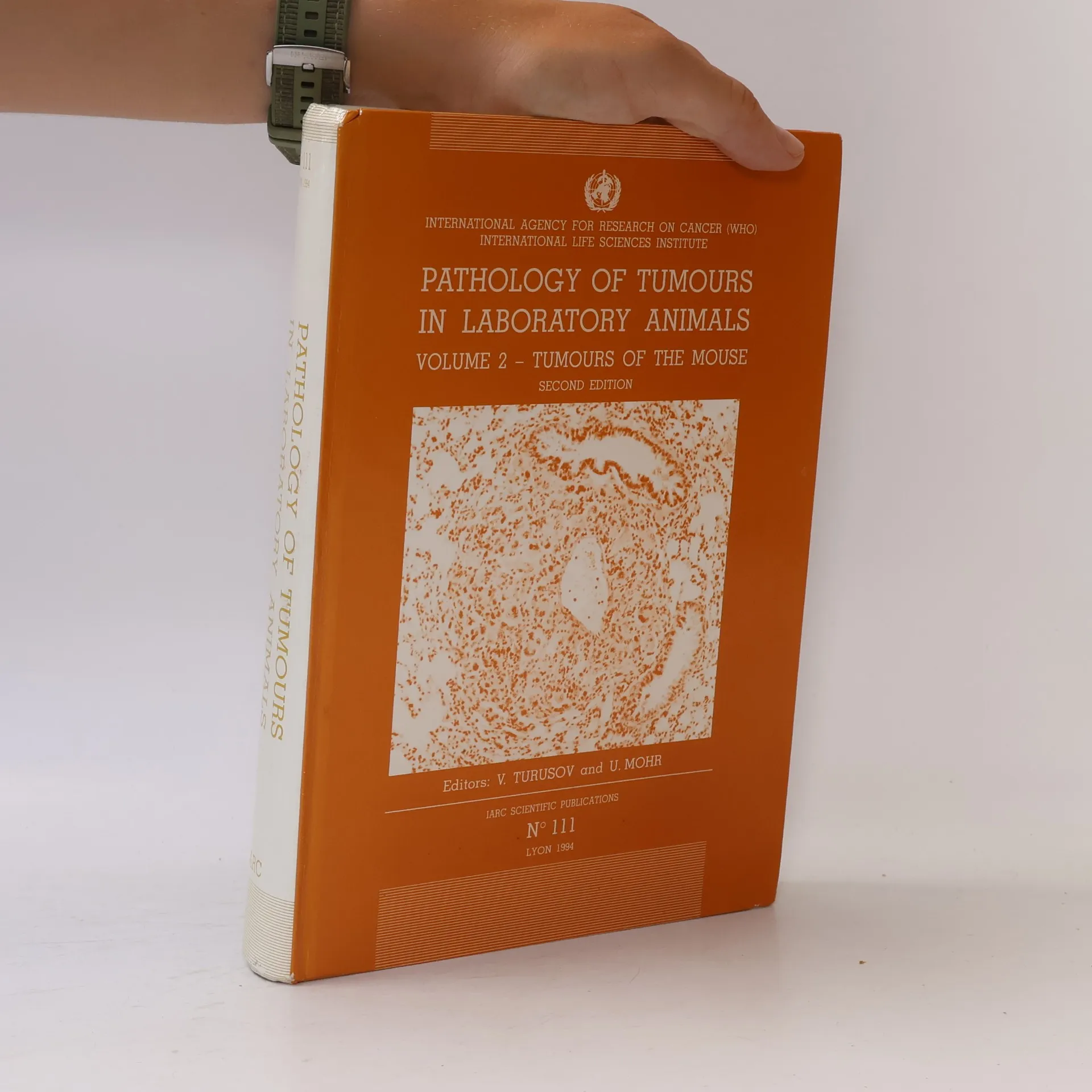
IARC Scientific Publications - 2: Pathology of Tumours in Laboratory Animals
Tumours of the Mouse - Second Edition
- 800 stránek
- 28 hodin čtení
The series on the Pathology of Tumours in Laboratory Animals was established by the International Agency for Research on Cancer 25 years ago to serve as a comprehensive reference for experimental pathologists in chronic toxicology research. The first edition focused on mouse tumors and was released in 1979. Since then, numerous studies have introduced new models, induction methods, and immunohistochemical techniques, prompting efforts to integrate this information. Each chapter addresses tumors specific to an organ or system, detailing all neoplasms reported, following WHO terminology for human tumors. The structure from the first edition—covering normal organ structure, classification, tumor morphology and histology, spontaneous tumor incidence, induction methods, comparative aspects, illustrations, and references—has been preserved. The second edition features separate chapters on nasal cavity tumors and salivary and lacrimal gland tumors, which were previously combined. Additionally, the chapter on hematopoietic organ tumors is now split into two: one on lymphohematopoietic tissue tumors and another on histolytic sarcoma. A new chapter on gallbladder tumors has also been included.
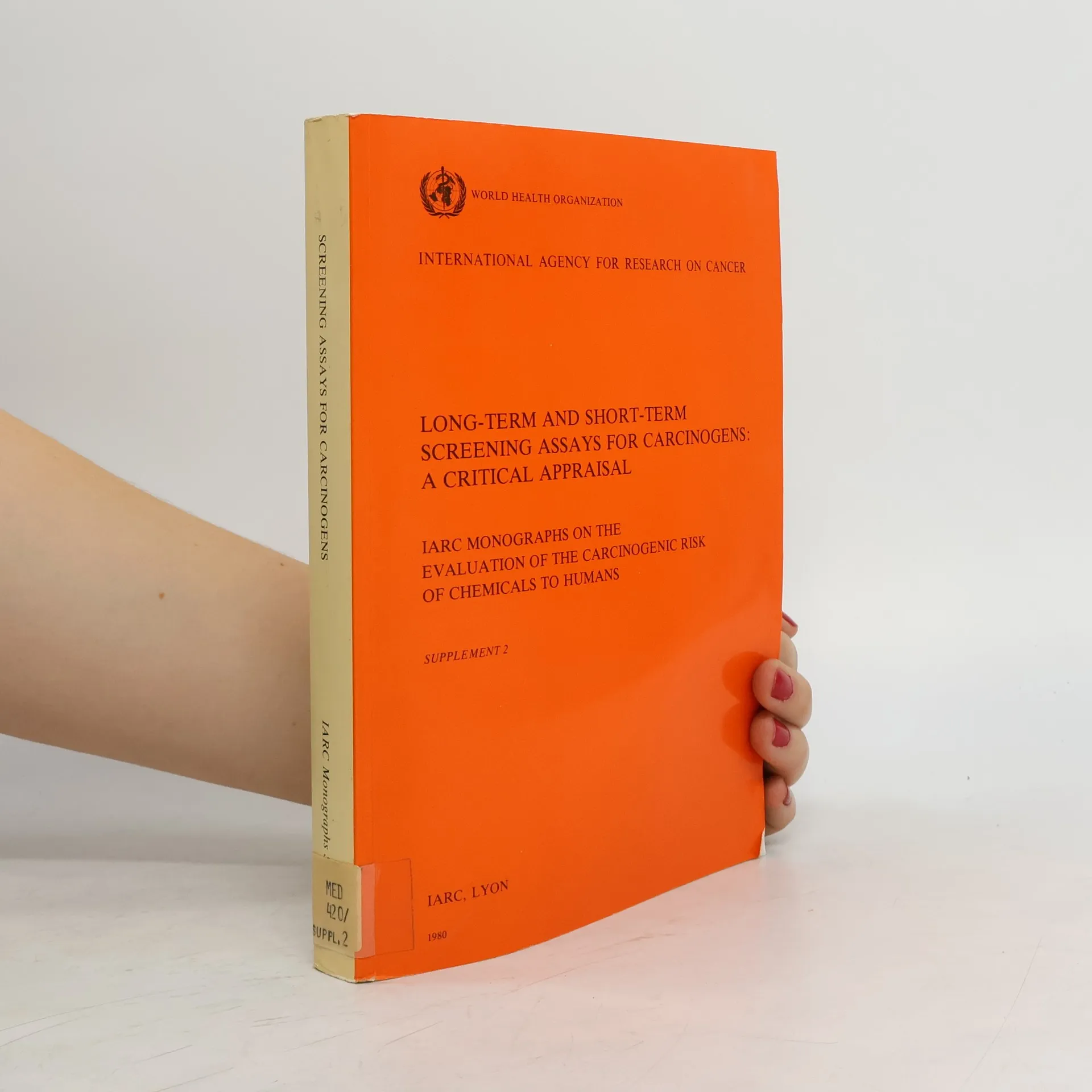
IARC Monographs - Supplement 2: Long-Term and Short-Term Screening Assays for Carcinogens
A Critical Appraisal
- 426 stránek
- 15 hodin čtení
Hardcover with jacket. Very good condition. IARC Monographs on the Evaluation of the Carcinogenic Risk of Chemicals to Humans - Supplement 2. Light tanning and edgewear to the jacket. Stamps and pen on the FEP. Pages are clean; all content is clear. CM
IARC Scientific Publications - 16: Air Pollution and Cancer in Man
Proceedings of the Second Hanover International Carcinogenesis Meeting Held in Hanover, 22-24 October, 1975
- 331 stránek
- 12 hodin čtení
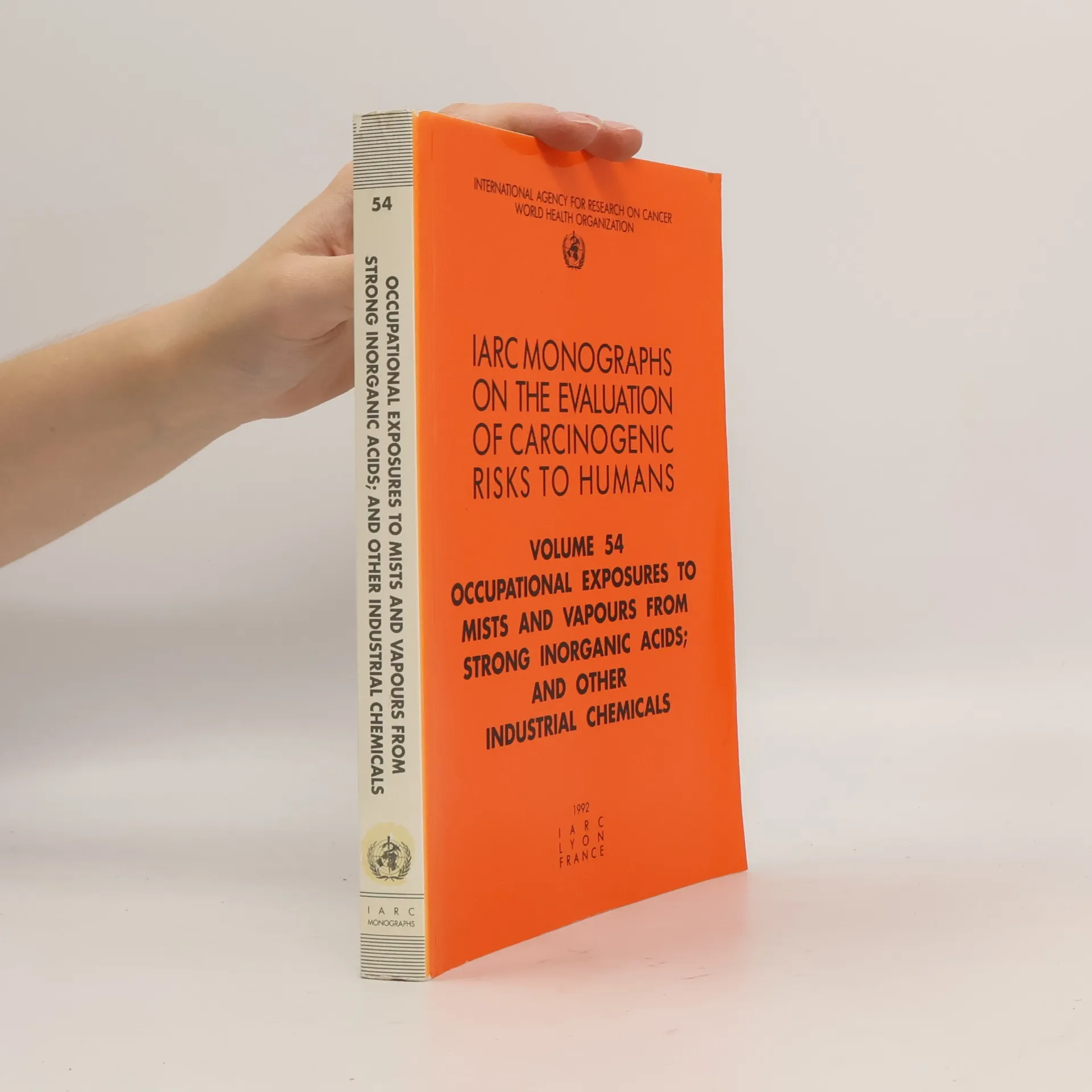
Evaluates occupational exposures to mists and vapours from strong inorganic acids: and other industrial chemicals.