
Knihobot

Carola Kloos

    Kinderen van Aristoteles
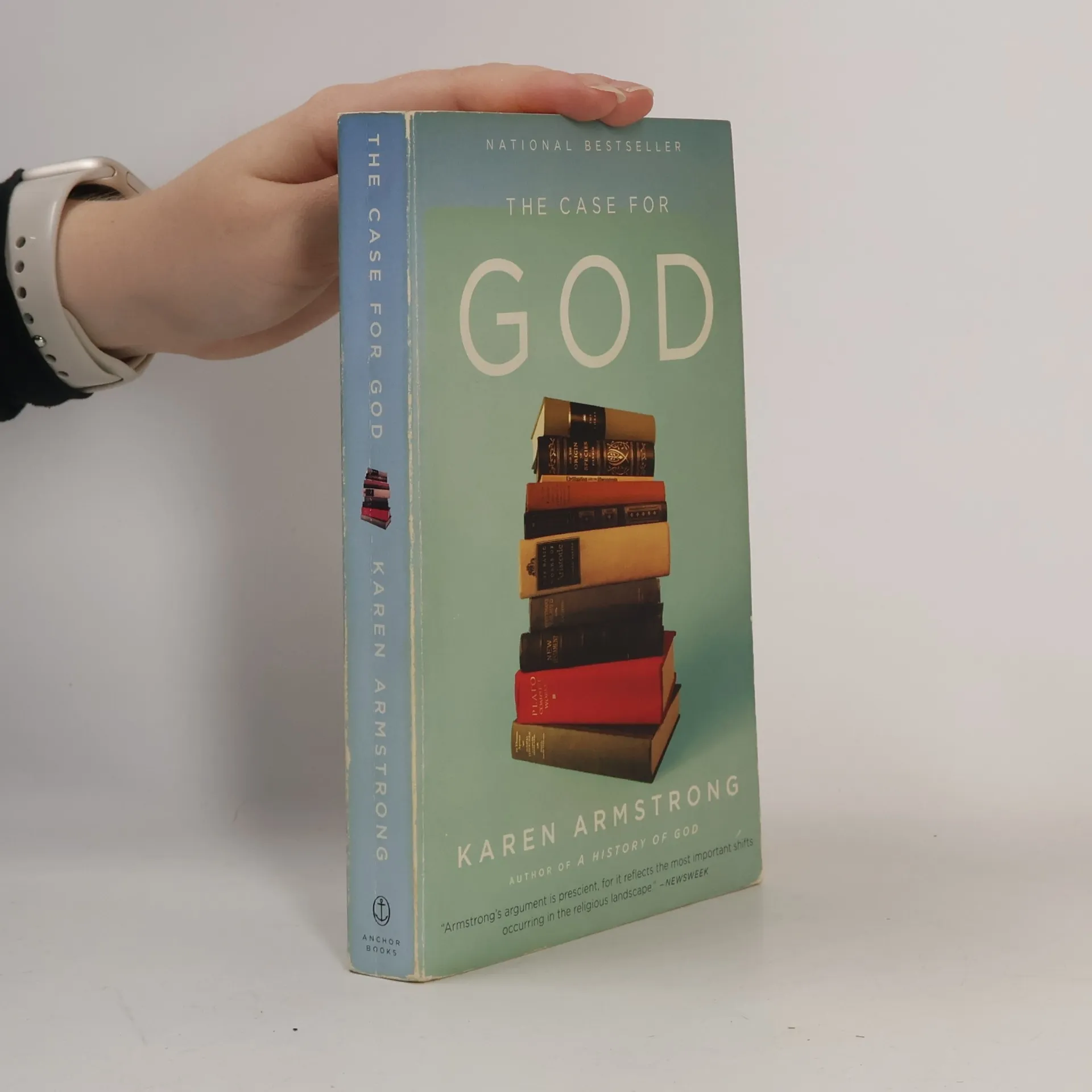
    The Case for God
    Second World War
    • Second World War

      • 880 stránek
      • 31 hodin čtení

      The Second World War began in August 1939 on the edge of Manchuria and ended there exactly six years later with the Soviet invasion of northern China. The war in Europe appeared completely divorced from the war in the Pacific and China, and yet events on opposite sides of the world had profound effects. Using the most up-to-date scholarship and research, Beevor assembles the whole picture in a gripping narrative that extends from the North Atlantic to the South Pacific and from the snowbound steppe to the North African Desert. Although filling the broadest canvas on a heroic scale, Beevor's THE SECOND WORLD WAR never loses sight of the fate of the ordinary soldiers and civilians whose lives were crushed by the titanic forces unleashed in this, the most terrible war in history.

      Second World War2012
      4,6
    • Kinderen van Aristoteles

      hoe christenen, moslims en joden verlichting brachten in de donkere Middeleeuwen

      • 341 stránek
      • 12 hodin čtení

      Historisch overzicht van de uitwisseling van het wetenchappelijke en filosofische gedachtegoed uit de Klassieke Oudheid tussen Arabieren, joden en christenen tijdens de Middeleeuwen.

      Kinderen van Aristoteles2004
    • The Case for God

      • 432 stránek
      • 16 hodin čtení

      This work offers a nuanced exploration of the role of religion in human life, drawing on historical insights to address the needs of our polarized age. From the Paleolithic era to the present, the author details humanity's quest for a sacred reality, referred to by various names such as God, Brahman, Nirvana, Allah, or Dao. While focusing primarily on Christianity, the discussion encompasses Judaism, Islam, Buddhism, Hinduism, and Chinese spiritualities, examining the declining impulse toward religion today, where many either reject God or question faith's relevance. The text poses critical questions about why God has become unbelievable and how contemporary views on divinity differ from those of our ancestors. With depth and insight, the author illustrates how the changing world has altered the significance of religion for individuals and society. She emphasizes that religion is not meant to provide answers that human reason can address; that is the role of logos. Instead, religion's purpose is to help us navigate complex realities creatively and peacefully. Furthermore, it is presented as a practical discipline, requiring dedicated intellectual effort and a compassionate lifestyle to transcend self-centeredness.

      The Case for God2000
      3,9