In the sixteenth century, the humanist values and admiration for classical
antiquity that marked the early Renaissance spread from Italy throughout the
rest of the continent. Part of the Art through the Centuries series, this
volume is divided into three sections that discuss the important people,
concepts, and artistic centres of this period.
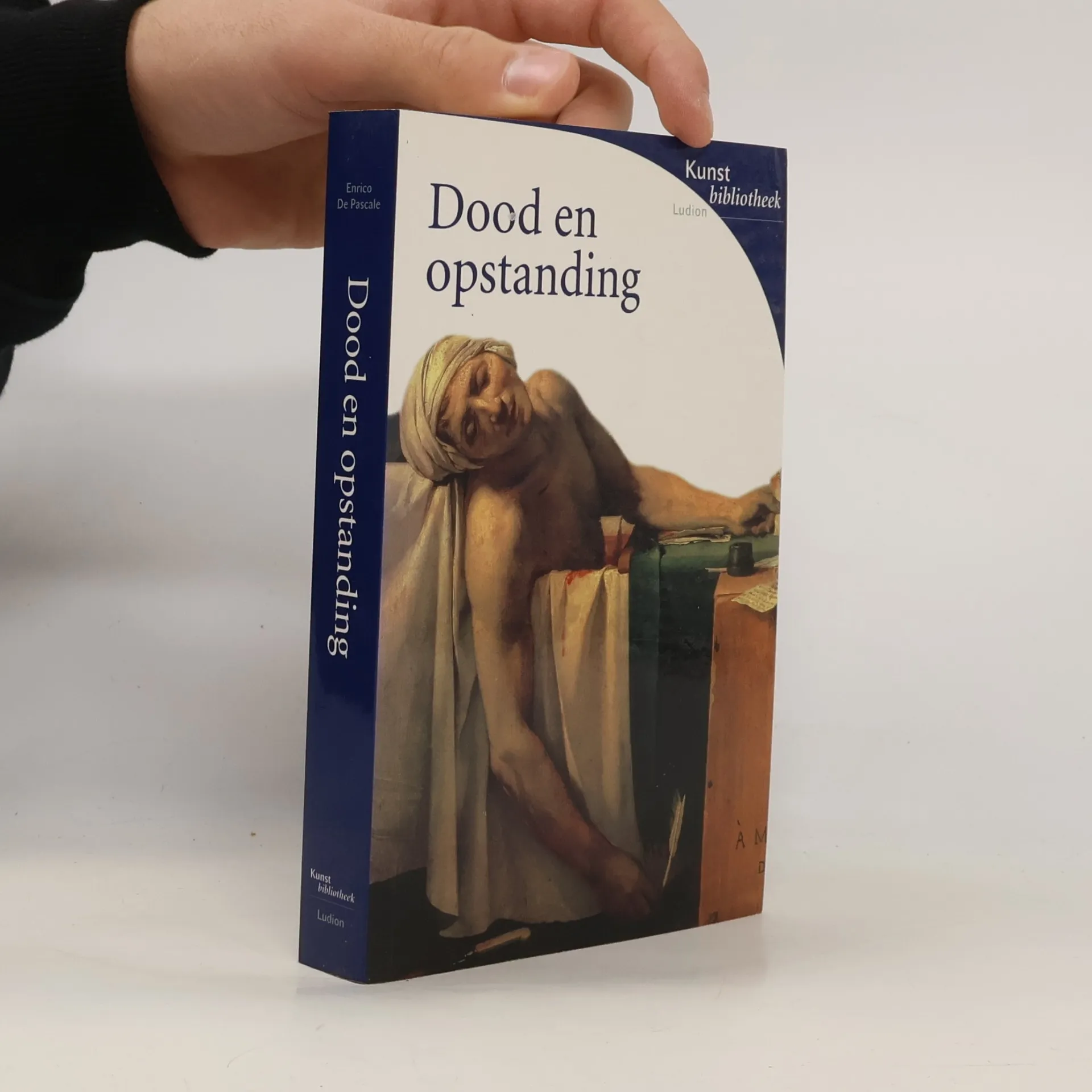
Dit nieuwe deel van de Kunstbibliotheek bewijst dat de dood een uiterst fascinerend gegeven is, waarover veel te vertellen valt. Het boek telt acht hoofdstukken, die stuk voor stuk het levenseinde vanuit een uniek perspectief belichten. Dit naslagwerk toont door middel van kunstwerken uit verschillende perioden en culturen aan hoe nauw de dood wel is verbonden met de verschillende aspecten van het leven. De eerste vier hoofdstukken behandelen achtereenvolgens de gewelddadige dood en het lijden in lichaam, geest en ziel, de dood in allegorieën in de gewijde en profane kunst, enkele beroemde kunstwerken met de dood als thema en, tenslotte, het afscheidnemen en de rouwplechtigheden. Hoofdstuk vijf buigt zich over de verschillende gedaanten waarin de dood, volgens ons collectieve geheugen, aan de levenden verschijnt. Hoofstukken zes en zeven zijn gewijd aan enerzijds de dodencultus en anderzijds het hiernamaals en de reis naar het dodenrijk. Het laatste deel bezingt hoe kunstenaars de triomf van het leven vieren over de verwoestende macht van de dood.
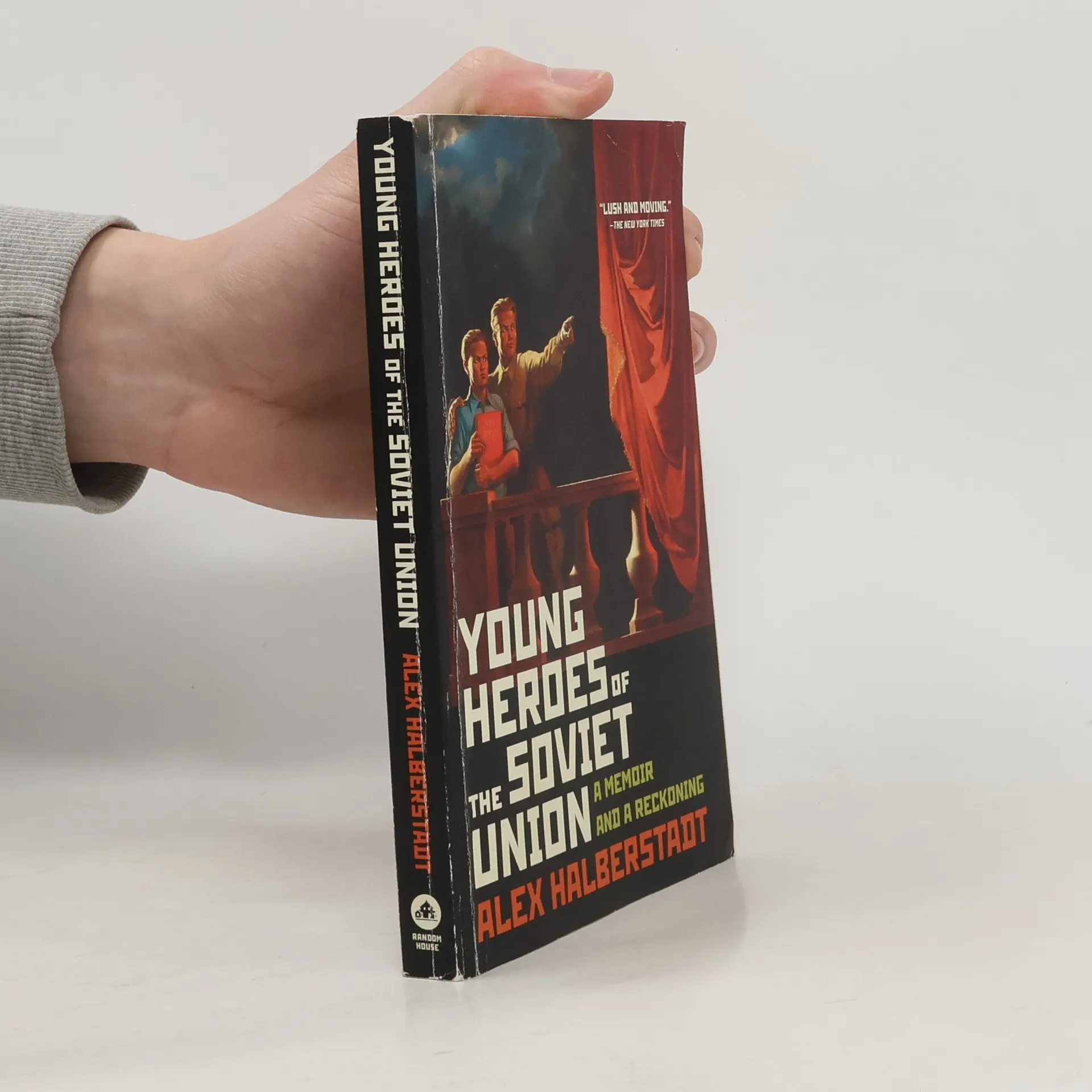
An American writer journeys back to Russia to confront a haunting past intertwined with family history. This gripping exploration delves into themes of memory and identity, revealing how the echoes of history shape personal narratives. Through his urgent quest, the author seeks understanding and reconciliation, providing a poignant reflection on the complexities of heritage and the enduring impact of familial ties.
From antiquity to the Enlightenment, astrology, magic, and alchemy were considered important tools to unravel the mysteries of nature and human destiny. As a result of the West's exposure during the Middle Ages to the astrological beliefs of Arab philosophers and the mystical writings of late antiquity, these occult traditions became rich sources of inspiration for Western artists. In this latest volume in the popular Guide to Imagery series, the author presents a careful analysis of occult iconography in many of the great masterpieces of Western art, calling out key features in the illustrations for discussion and interpretation. Astrological symbols decorated medieval churches and illuminated manuscripts as well as fifteenth-century Italian town halls and palaces. The transformational zymology of magic and alchemy that enlivened the work of a wide range of Renaissance artists, including Bosch, Brueghel, D: urer, and Caravaggio, found renewed expression in the visionary works of nineteenth-century artists, such as Fuseli and Blake, as well as in the creative output of the twentieth century's Surrealists.
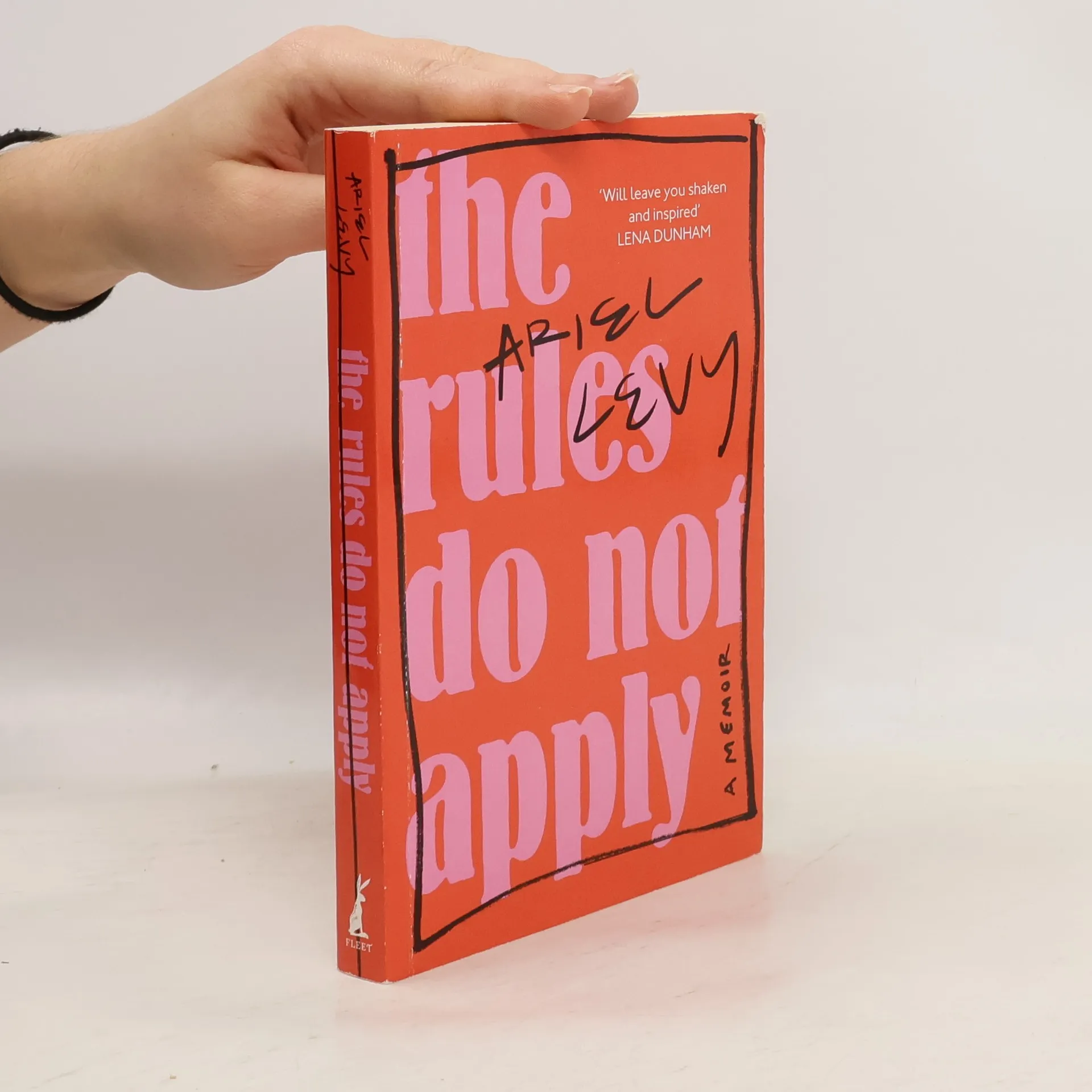
Every deep feeling a human is capable of will be shaken loose by this short,
but profound book. Ariel Levy has taken grief, and made art out of it David
Sedaris
From the invention of a single deity and the killing of his embodied Son through to the production of urban modernity, so much of supreme importance for humanity bears the imprint of Jewish thinking and culture. As well as exploring that history, Simon Schama - as he did in The American Future - will report from the battlefronts of today. He will talk to Jews and non-Jews, to archaeologists, rabbis, soldiers, hedge fund managers, Israeli Arabs and Jews for Jesus, film-makers, cartoonists and comedians.
Il volume prende in esame il modo in cui gli artisti di tutti i tempi hanno raffigurato il corpo umano come universo culturale, oltre che anatomico. La conoscenza del corpo, infatti, ha sempre condizionato la maniera di vedere e di comprendere il mondo circostante. Un glossario orienta il lettore nel dedalo dei termini anatomici.