Máme na vybranou?
Otázka svobodné vůle z pohledu moderní vědy




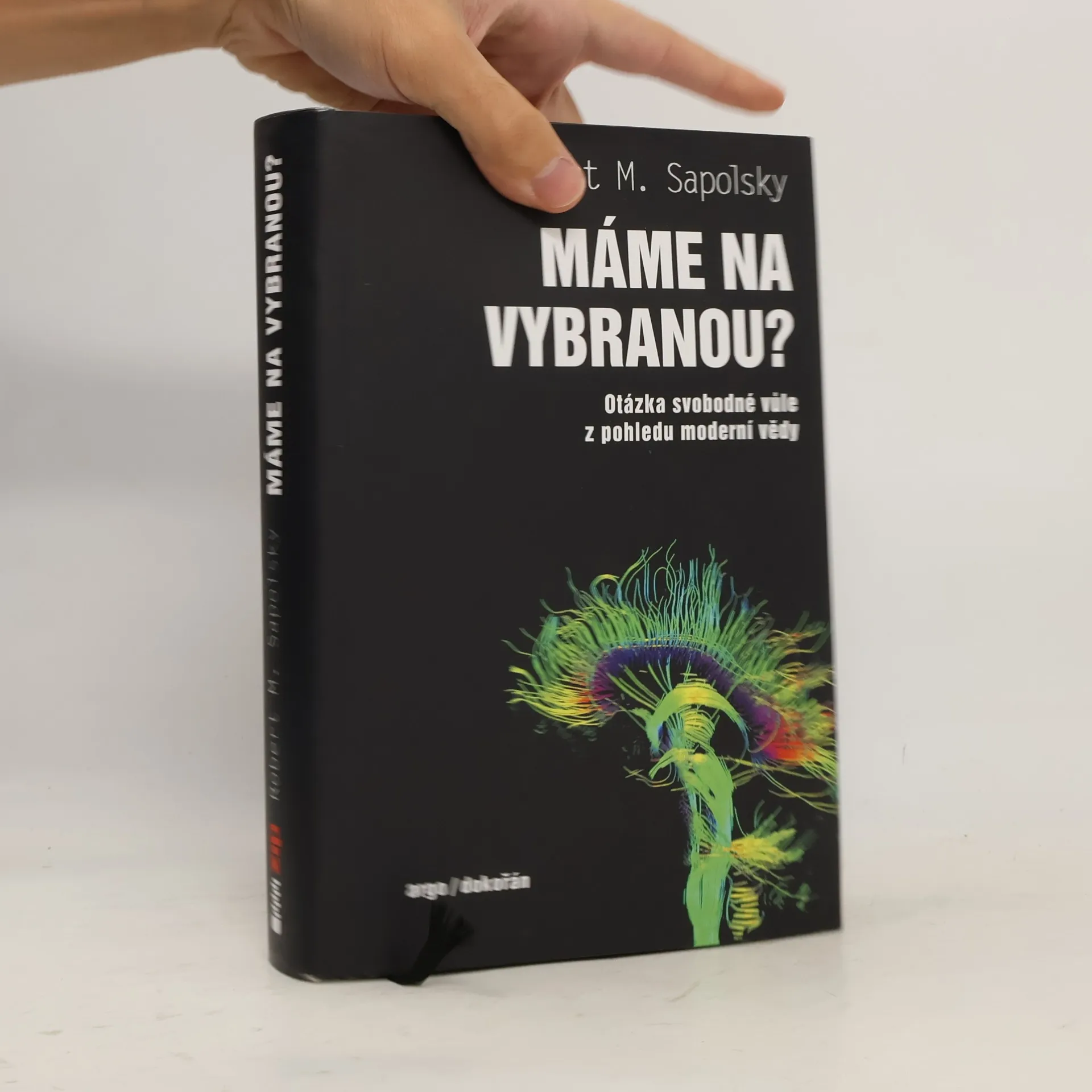
Otázka svobodné vůle z pohledu moderní vědy
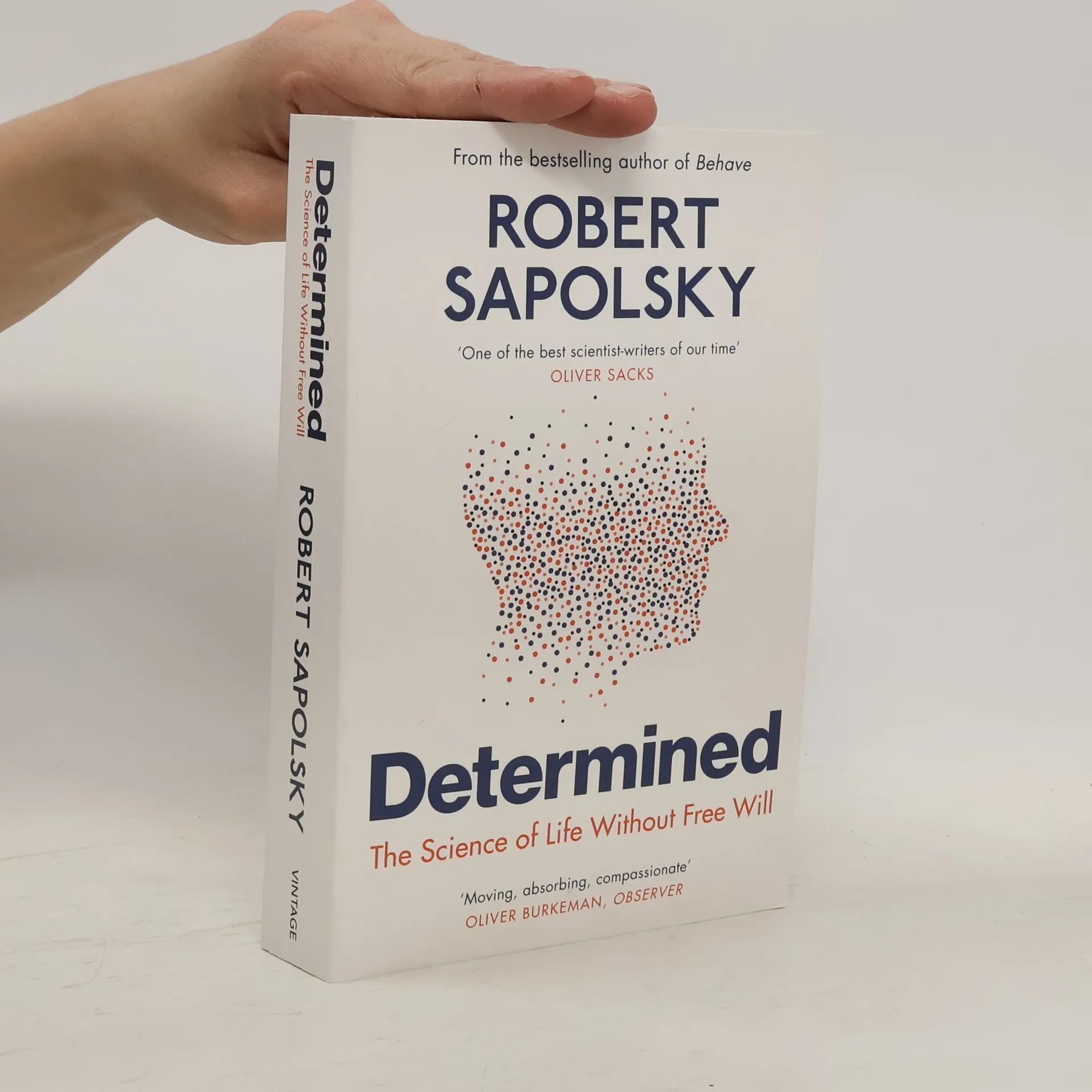
One of the world's greatest scientists of human behaviour, the bestselling author of Behave, shows that free will does not exist - and sets out the disturbing yet liberating implications of accepting this fact. 'One of the best scientist-writers of our time' OLIVER SACKS What if free will is an illusion? As Robert Sapolsky shows in this masterful account of the science of human behaviour, everything we think and do is caused by the luck of our biology and the influence of our environment, and ultimately both are beyond our control. In a world without free will, we must completely rethink what we mean by choice, responsibility, morality and justice. Sapolsky's extraordinary book does exactly this, guiding us toward a profoundly fairer, more humane way of living together. 'A joy to read. It's impossible to recommend this book too highly. Reading it could change your life' LAURENCE REES 'Outstanding for its breadth of research, the liveliness of the writing and the depth of humanity it conveys' Wall Street Journal 'Moving, absorbing, compassionate' OLIVER BURKEMAN, Observer
В книгу «Кто мы такие?» вошли лучшие статьи известного ученого и популяризатора науки Роберта Сапольски о человеке во всем его потрясающем многообразии. Три ее раздела посвящены главным вопросам естествознания, включая влияние генов и среды на поведение, социальные, политические и сексуальные предпосылки поведенческой биологии и роль общества в формировании личности. Во всем, что описывает Сапольски — от брачных ритуалов грызунов до религиозных практик жителей тропических лесов, от выделения феромонов до мозговых паразитов, — он блестяще соединяет передовые научные открытия с ироничными и мудрыми наблюдениями о невообразимой сложности бытия.
Proč se chováme tak, jak se chováme? Takovou otázku se pokoušeli zodpovědět mnozí a už rozmanitost přístupů, jak ji lze uchopit, naznačuje, že se jedná o úlohu navýsost zapeklitou. Jedni se zaměřují na neurobiologii, jiní si vzali na paškál hormony, další preferují geny, někteří zase kladou na první místo výchovu či další vlivy prostředí, které na nás zprostředkovaně působí od momentu našeho početí, tedy již v matčině lůně. Nesmíme ovšem zapomínat ani na evoluci, která naše chování utvářela po dlouhé věky. Všechno jsou to však jen škatulky, které jsou součástí jednoho celku, jenž ve své monumentální knize rozplétá americký biolog Robert Sapolsky. Ten čtenáři představuje původ našeho chování od prvních sekund, během kterých byla stěžejní aktivita různých oblastí mozku, přes hodiny až dny, kdy hrály prim hormony, až k milionům let, během nichž naše chování formovala evoluce. Sapolského kniha se tak vymaňuje z pout, kterými snahy o vysvětlení chování svazují jednotlivé obory, a snaží se o přístup holističtejší, který čerpá z nejrůznějších oborů biologie od neurologie a endokrinologie přes genetiku po evoluční biologii.
'The making of a lifelike picture was something to be wondered at. It was an adventure, it was an expense, and it was often something of an ordeal...' Victorians in Camera explores the world of nineteenth century photography from the subjects' point of view. What did people want from their portraits? Where did they go to have them made and did the Victorians really never smile? What did they do with the finished product, whether a formal daguerreotype or cheery snapshot? From a wealth of contemporary evidence - in both words and pictures - Robert Pols reveals the story behind Victorian photography - from trickery to photographic fashions. Discover the social history behind nineteenth century photographs and how to trace hidden stories within your own family album.
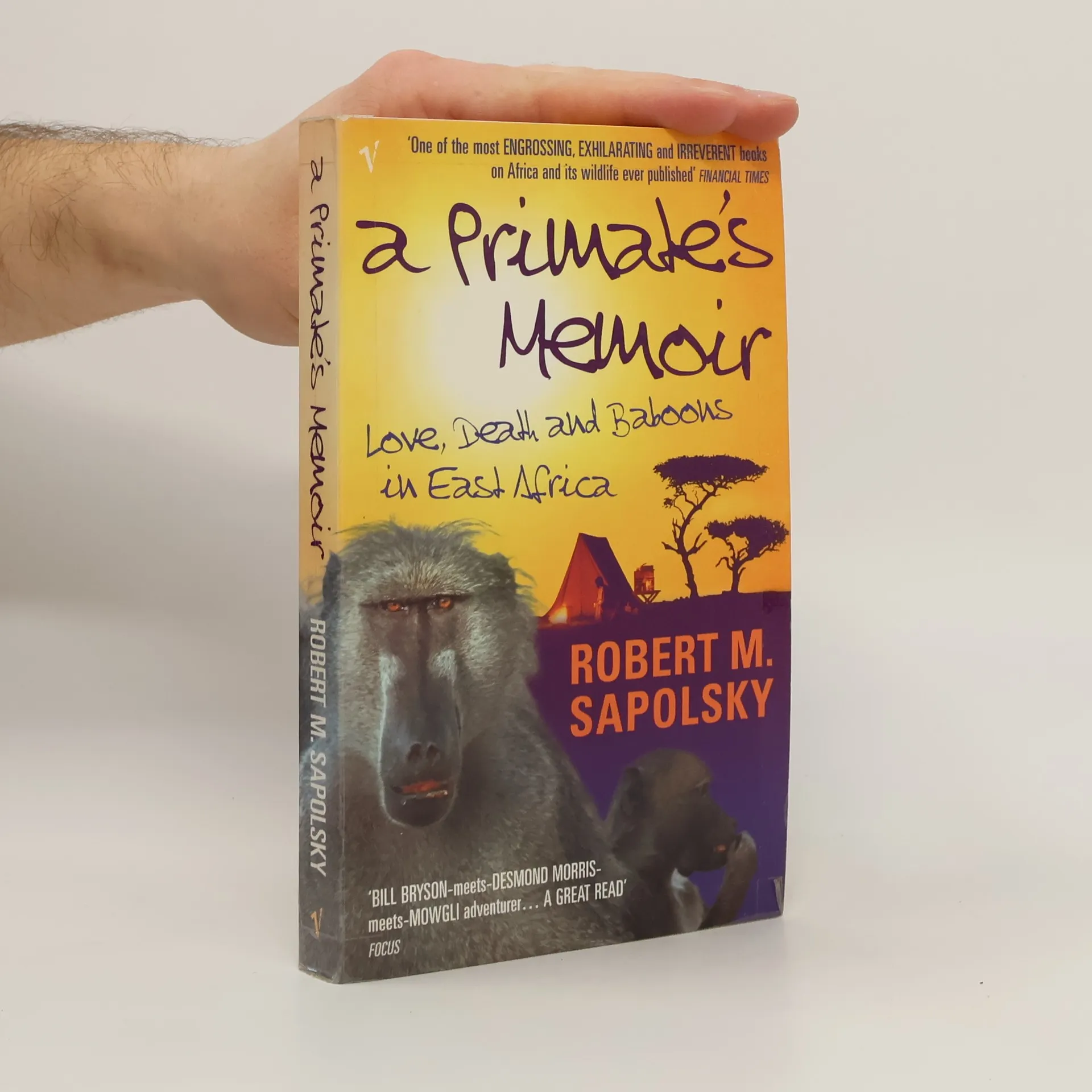
Book-smart and more than a little naive, Robert Sapolsky left the comforts of college in the US for a research project studying a troop of baboons in Kenya.
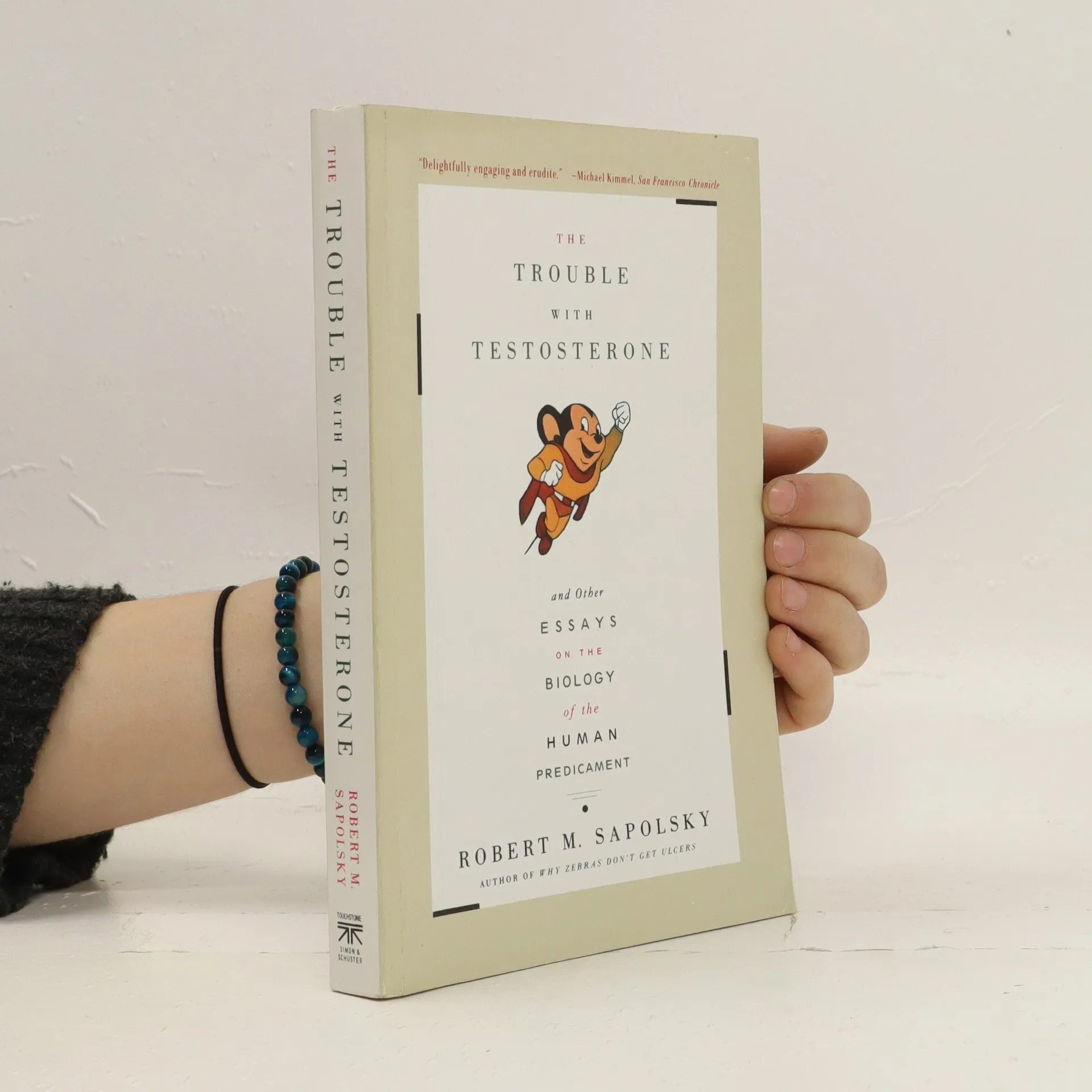
As a professor of biology and neuroscience at Stanford and a recipient of a MacArthur Foundation "genius grant," Robert Sapolsky carries impressive credentials. Best of all, he's a gifted writer who possesses a delightfully devilish sense of humor. In these essays, which range widely but mostly focus on the relationships between biology and human behavior, hard and intricate science is handled with a deft touch that makes it accessible to the general reader. In one memorable piece, Sapolsky compares the fascination with tabloid TV to behavior he's observed among wild African baboons. "Rubber necks," notes the professor, "seem to be a common feature of the primate order." In the title essay of The Trouble with Testosterone, Sapolsky ruminates on the links, real or perceived, between that hormone and aggression.Covering such broad topics as science, politics, history, and nature, the author of Why Zebras Don't Get Ulcers writes accessible and interesting essays that explore the human struggle with moral and ethical problems in today's world. 20,000 first printing.
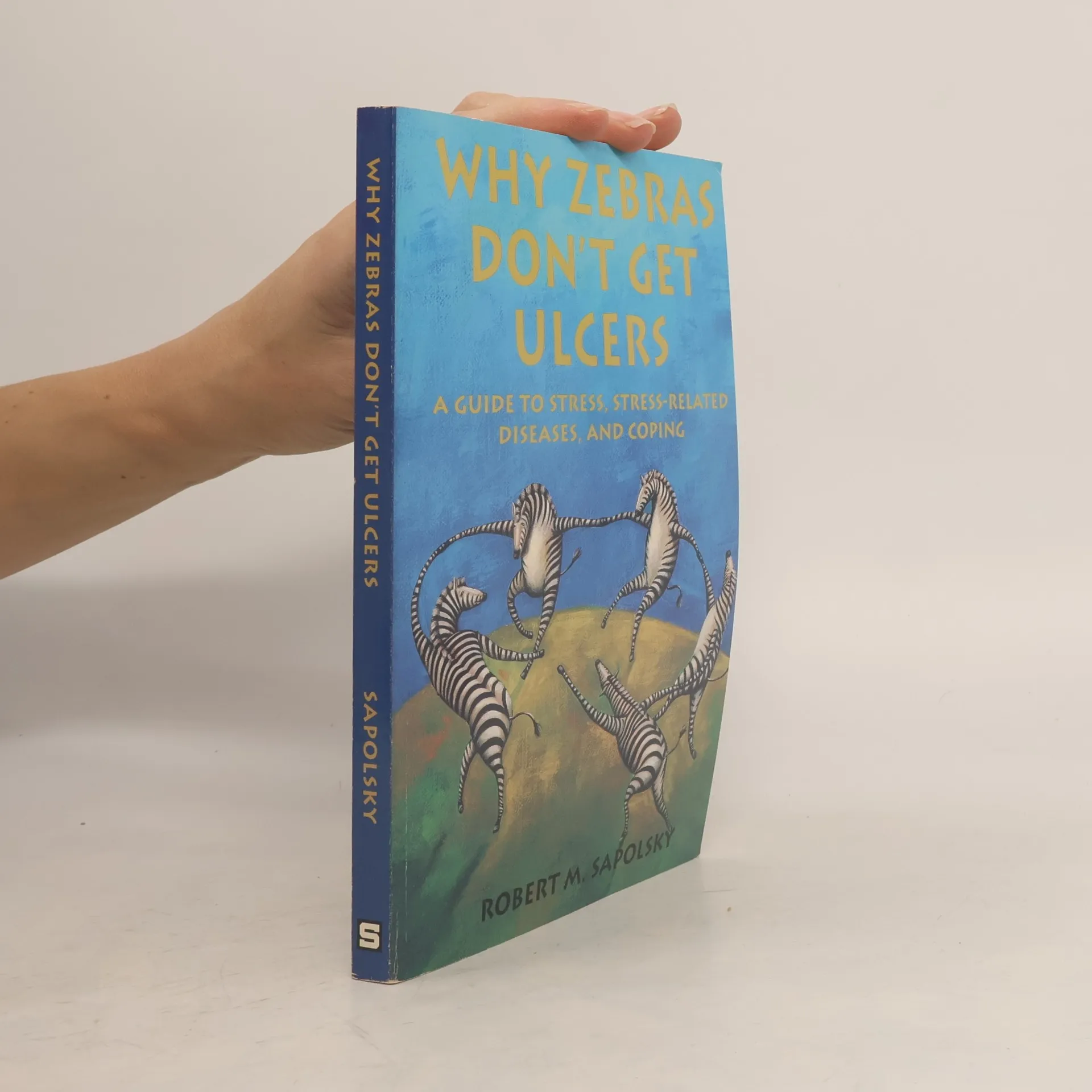
Now in a third edition, Robert M. Sapolsky's acclaimed and successful Why Zebras Don't Get Ulcers features new chapters on how stress affects sleep and addiction, as well as new insights into anxiety and personality disorder and the impact of spirituality on managing stress. As Sapolsky explains, most of us do not lie awake at night worrying about whether we have leprosy or malaria. Instead, the diseases we fear--and the ones that plague us now--are illnesses brought on by the slow accumulation of damage, such as heart disease and cancer. When we worry or experience stress, our body turns on the same physiological responses that an animal's does, but we do not resolve conflict in the same way--through fighting or fleeing. Over time, this activation of a stress response makes us sick.