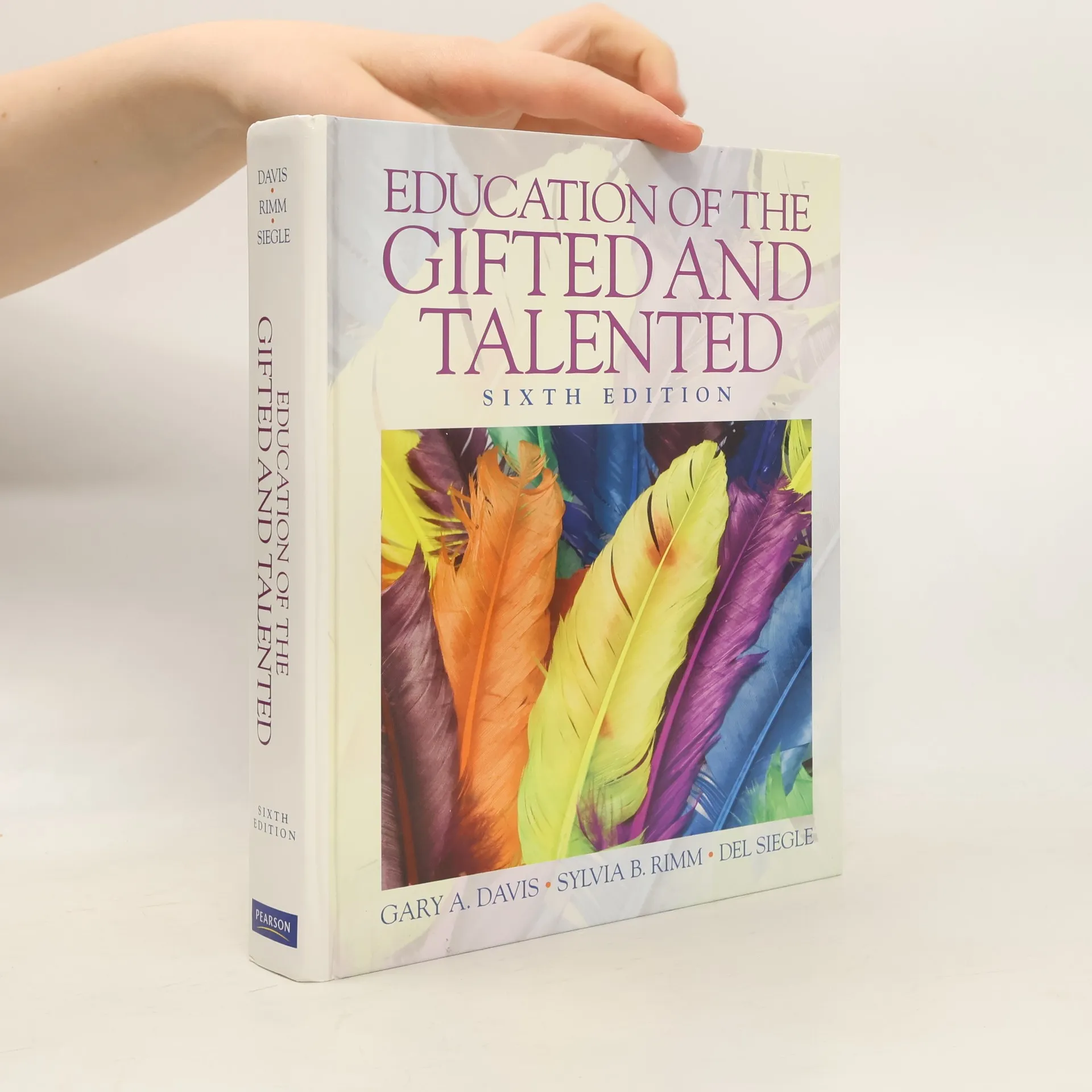
This comprehensive guide, authored by leaders in gifted education, offers an in-depth exploration of the field, highlighting best practices. It begins with an overview of current issues and delves into essential topics such as the characteristics of gifted students, identification strategies, program planning, contemporary models, various forms of acceleration, and differentiated curriculum. It also addresses challenges faced by underachieving disadvantaged, twice-exceptional, and female gifted students, along with program evaluation. The authors consider affective needs, leadership, and counseling, and include a chapter on parenting gifted children that covers advocacy and communication with schools. The thoroughly revised sixth edition incorporates the latest research on acceleration, curriculum, underachievement, and issues affecting culturally and economically disadvantaged students, as well as gender and dual exceptionalities. Practical strategies for classroom implementation, case studies for identifying student needs, and summaries of effective programs enhance the content. The emphasis on pedagogy and social-emotional needs, along with a focus on less visible sub-groups within gifted populations, is presented in an engaging and witty style, making this a compelling resource for educators.
Del Siegle Knihy