

Introduced by Daniel C. Hallin and Paolo Mancini, the book takes stock of twenty years of exiting transformation of east European media systems after the collapse of communism in 1989—an explicit, comparative, academic discussion of media politics.Leading researchers from different regions of Europe and the United States address five major interrelated themes:1) how ideological and normative constructs gave way to empirical systematic comparative work in media research 2) the role of foreign media groups in post-communist regions and the effects of ownership in terms of impacts on media freedom 3) the various dimensions of the relationship between mass media and political systems in a comparative perspective 4) professionalization of journalism in different political cultures—autonomy of journalists, professional norms and practices, political instrumentalization and the commercialization of the media 5) the role of state intervention in media systems
Miklós Sükösd Knihy
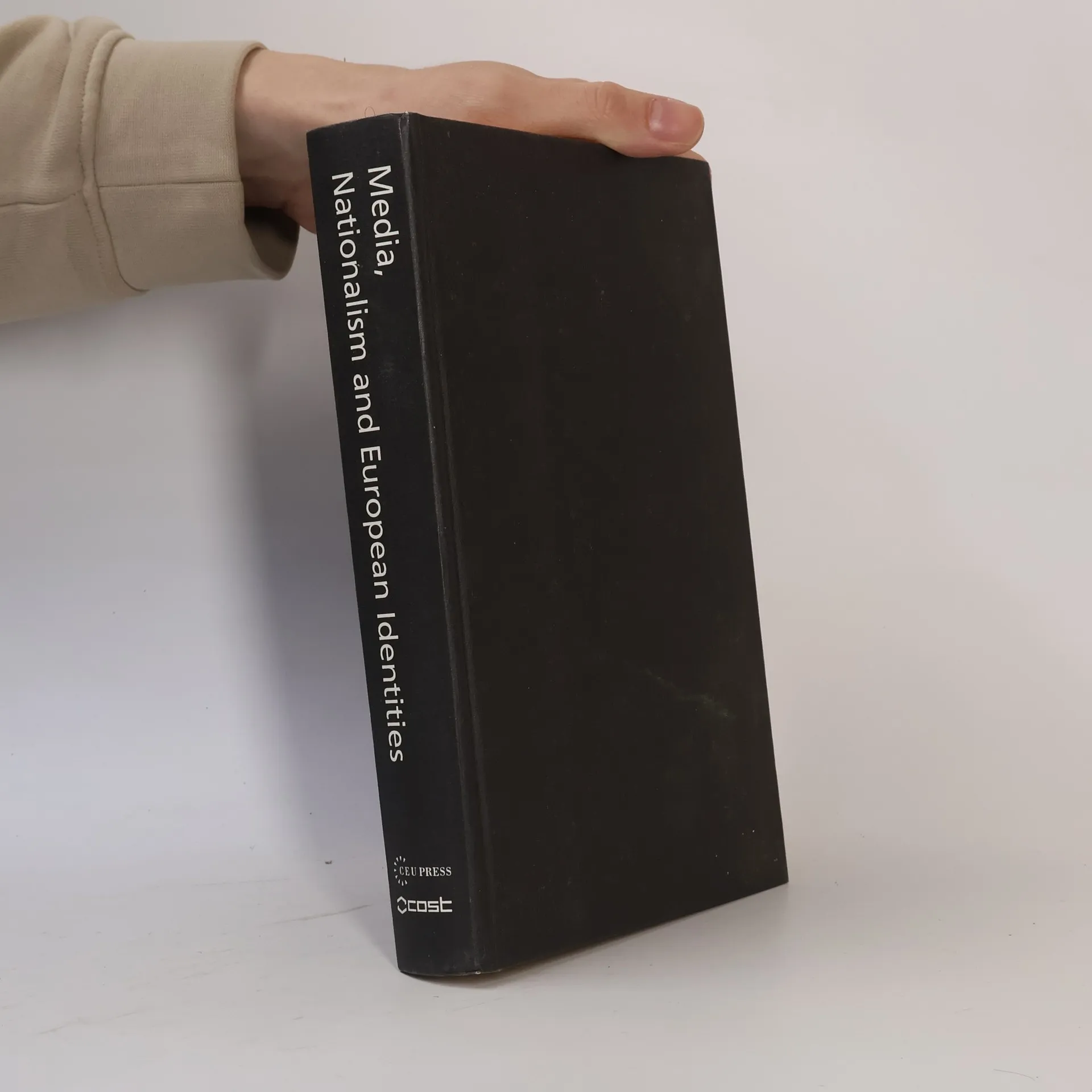

Media, Nationalism and European Identities
- 436 stránek
- 16 hodin čtení
Explores patterns of interaction between the mass media and identity formation in the context of Europeanization. On the one hand, the major contribution of the volume is a comprehensive framework that considers media impacts on four levels of identity: European, regional, national, and ethnic minority identities. On the other hand, authors offer cutting edge analysis of the structural transformation of European media institutions, and policies that shape the future of European media.