
Knihobot

Daniel Druckman

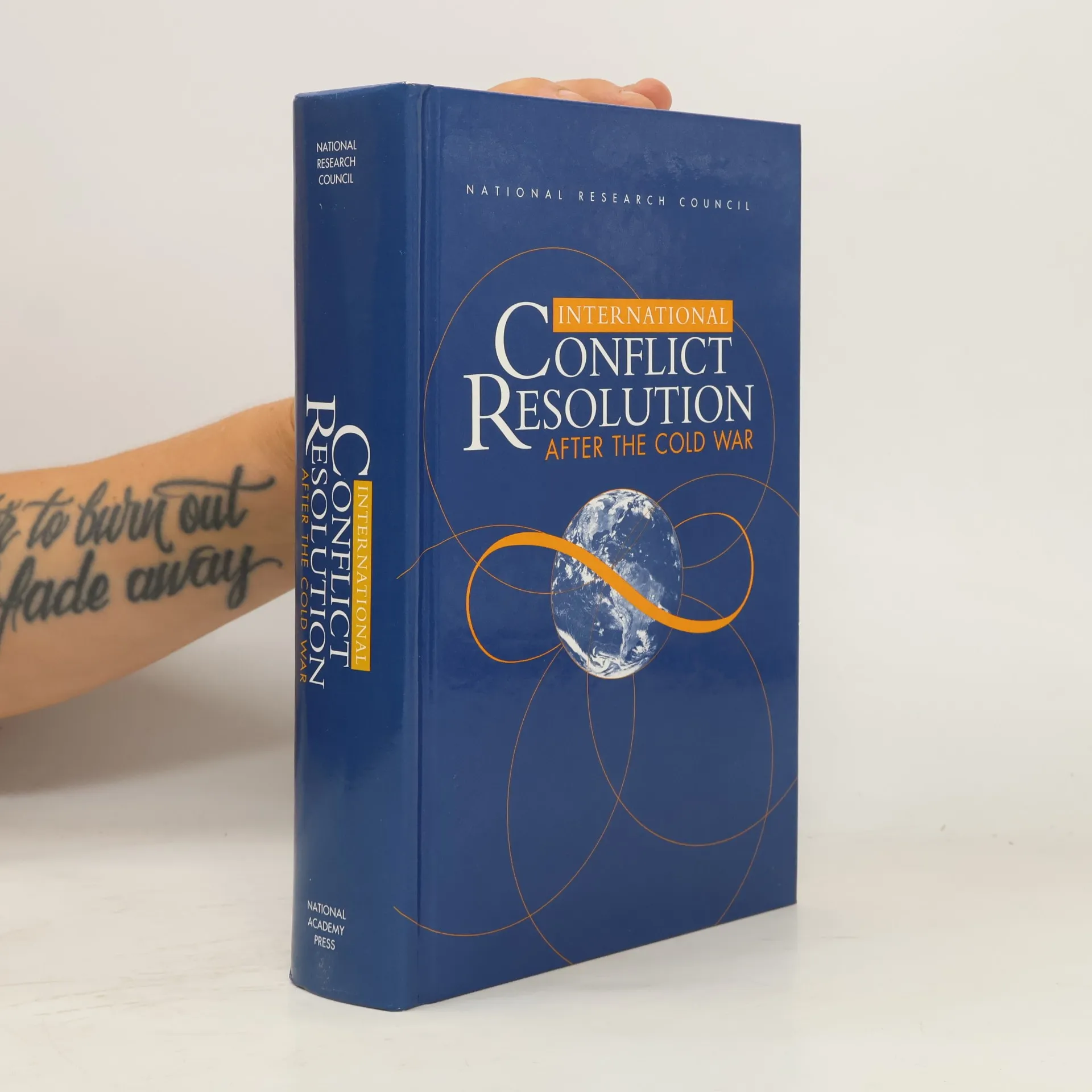
    International Conflict Resolution After the Cold War
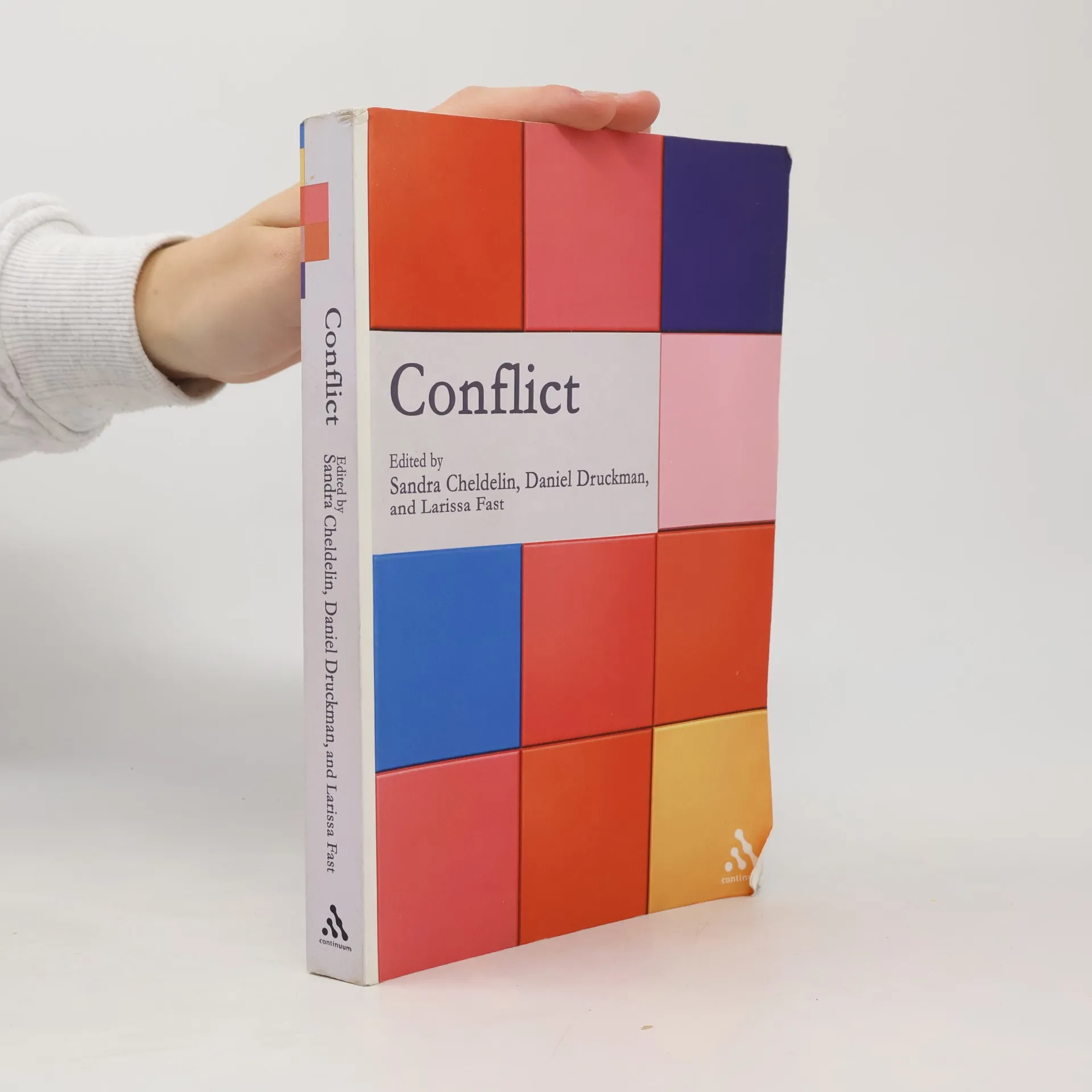
    Conflict
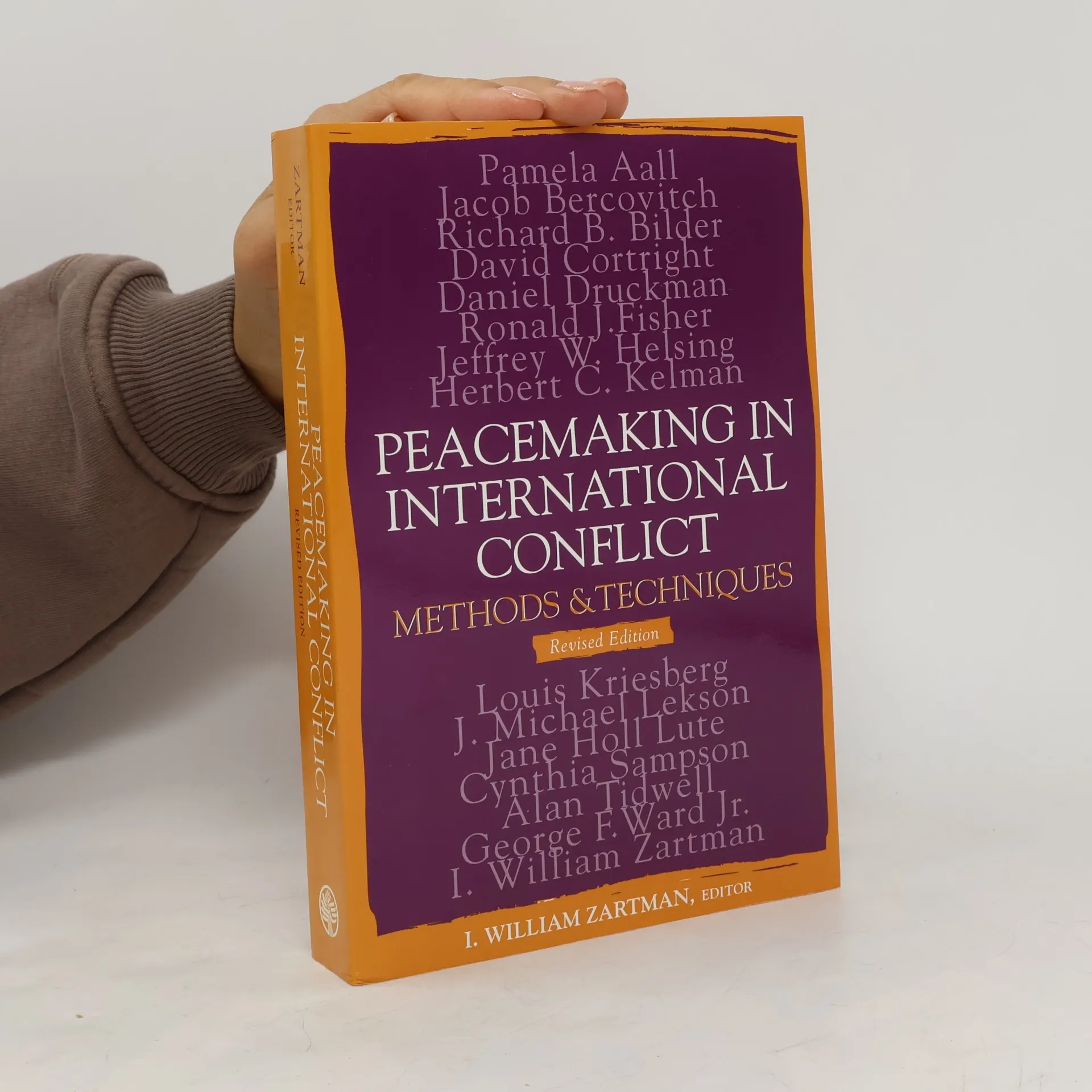
    Peacemaking in International Conflict
    • Peacemaking in International Conflict

      Methods and Techniques - Revised Edition

      • 505 stránek
      • 18 hodin čtení

      This updated and expanded edition of the highly popular volume originally published in 1997 describes the tools and skills of peacemaking that are currently available and critically assesses their usefulness and limitations.

      Peacemaking in International Conflict
      3,9
    • Conflict

      From Analysis to Intervention

      • 384 stránek
      • 14 hodin čtení

      This major new textbook analyses the emergent role of conflict analysis and resolution. Cheldelin, Druckman and Fast are all based at the Institute for Conflict Analysis and Resolution, and are international experts in the field of conflict. Covering theory, research and practice, the authors provide a comprehensive typology of conflict, as well as an in-depth analysis of the structural, strategic and cultural factors which influence conflict. They explore its management and resolution, paying particular attention to the concepts of negotiation, mediation and peace-building.

      Conflict
    • The end of the Cold War has changed the shape of organized violence in the world and the ways in which governments and others try to set its limits. Even the concept of international conflict is broadening to include ethnic conflicts and other kinds of violence within national borders that may affect international peace and security. What is not yet clear is whether or how these changes alter the way actors on the world scene should deal with International Conflict Resolution After the Cold War critically examines evidence on the effectiveness of a dozen approaches to managing or resolving conflict in the world to develop insights for conflict resolution practitioners. It considers recent applications of familiar conflict management strategies, such as the use of threats of force, economic sanctions, and negotiation. It presents the first systematic assessments of the usefulness of some less familiar approaches to conflict resolution, including truth commissions, "engineered" electoral systems, autonomy arrangements, and regional organizations. It also opens up analysis of emerging issues, such as the dilemmas facing humanitarian organizations in complex emergencies. This book offers numerous practical insights and raises key questions for research on conflict resolution in a transforming world system.

      International Conflict Resolution After the Cold War