

Knihobot

A. H. Halsey

    Education
    Education, Globalization and Social Change
    The Quality Of Life In London
    • The Quality Of Life In London

      • 176 stránek
      • 7 hodin čtení

      The essays in this book are drawn from a conference held in London on the subject of Quality of Life in London and New York papers on a range of important metropolitan concerns were presented by experts from both sides of the Atlantic within universities, government and the private sector. The conference was covered by SCPR (Social and Community Planning Research) and funded by the commonwealth fund of New York. The London essays are collected within this volume. They cover employment and the labour market (Ian Gordon), crime (Mike Hugh and Pat Mayhew), civility and public space (Ken Young), transport (Tony Ridley), housing (Christine Whitehead) and education (Donald Naismith), with introductory and concluding overviews by Howard Davies and A. H. Halsey. Together they cover the key factors that influence the quality of life in London, offering penetrating analyses and possible solutions.

      The Quality Of Life In London
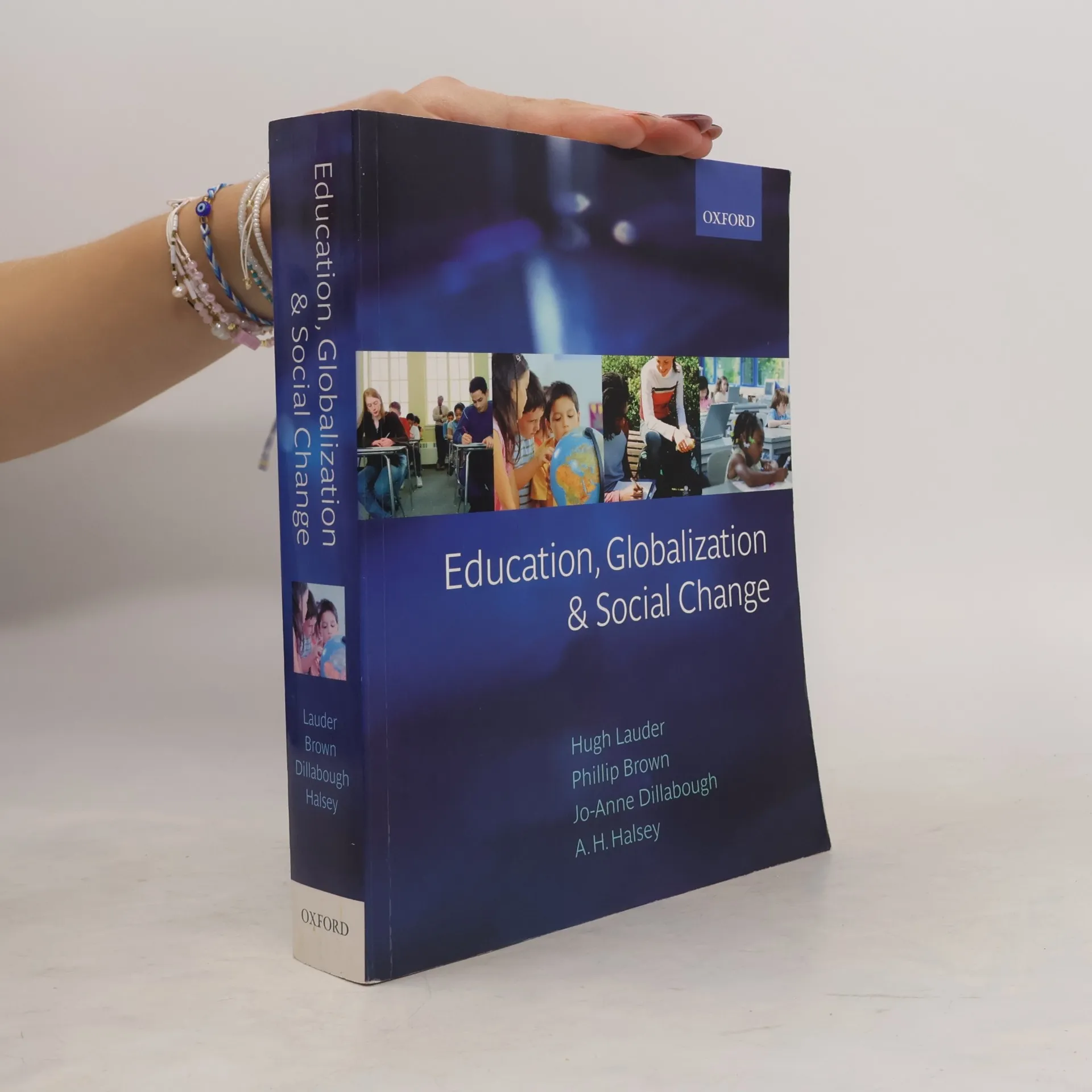
    • Education, Globalization and Social Change

      • 1216 stránek
      • 43 hodin čtení

      Education is seen as central to economic competitiveness, the reduction of poverty and inequality, and environmental sustainability. This book is an invaluable collection of key readings, with particular reference to globalization, for anyone concerned with the study of education at a time of major economic and social change.

      Education, Globalization and Social Change
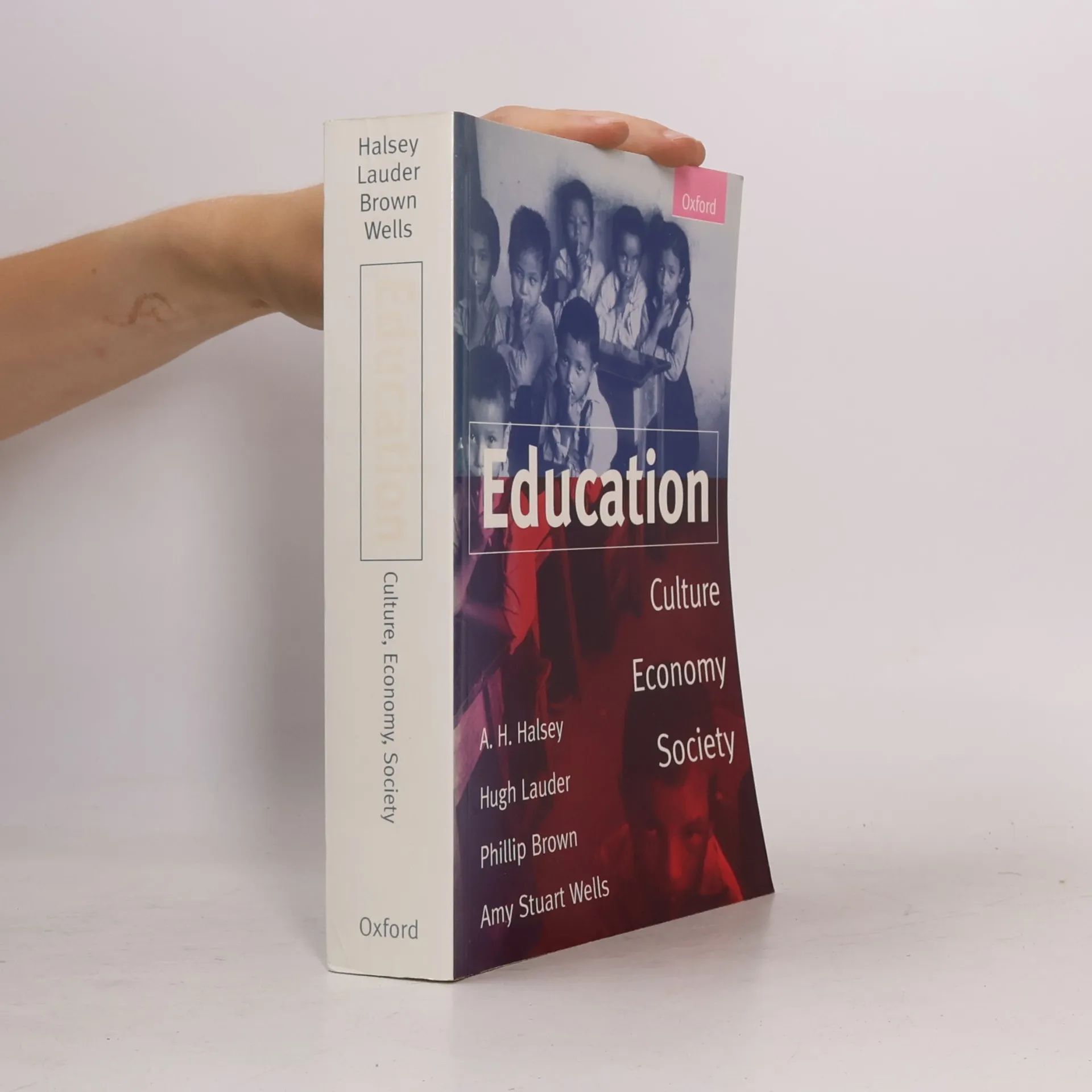
    • Education

      Culture, Economy, and Society

      • 848 stránek
      • 30 hodin čtení

      This book is for everyone concerned with the social study of education, placing it at the center of political and sociological debate about post-industrial societies. The fifty-two papers examine major changes that have taken place in the late twentieth century, giving students a comprehensive introduction to both the nature of these changes and to their interpretation in relation to long-standing debates within education, sociology, and cultural studies.

      Education