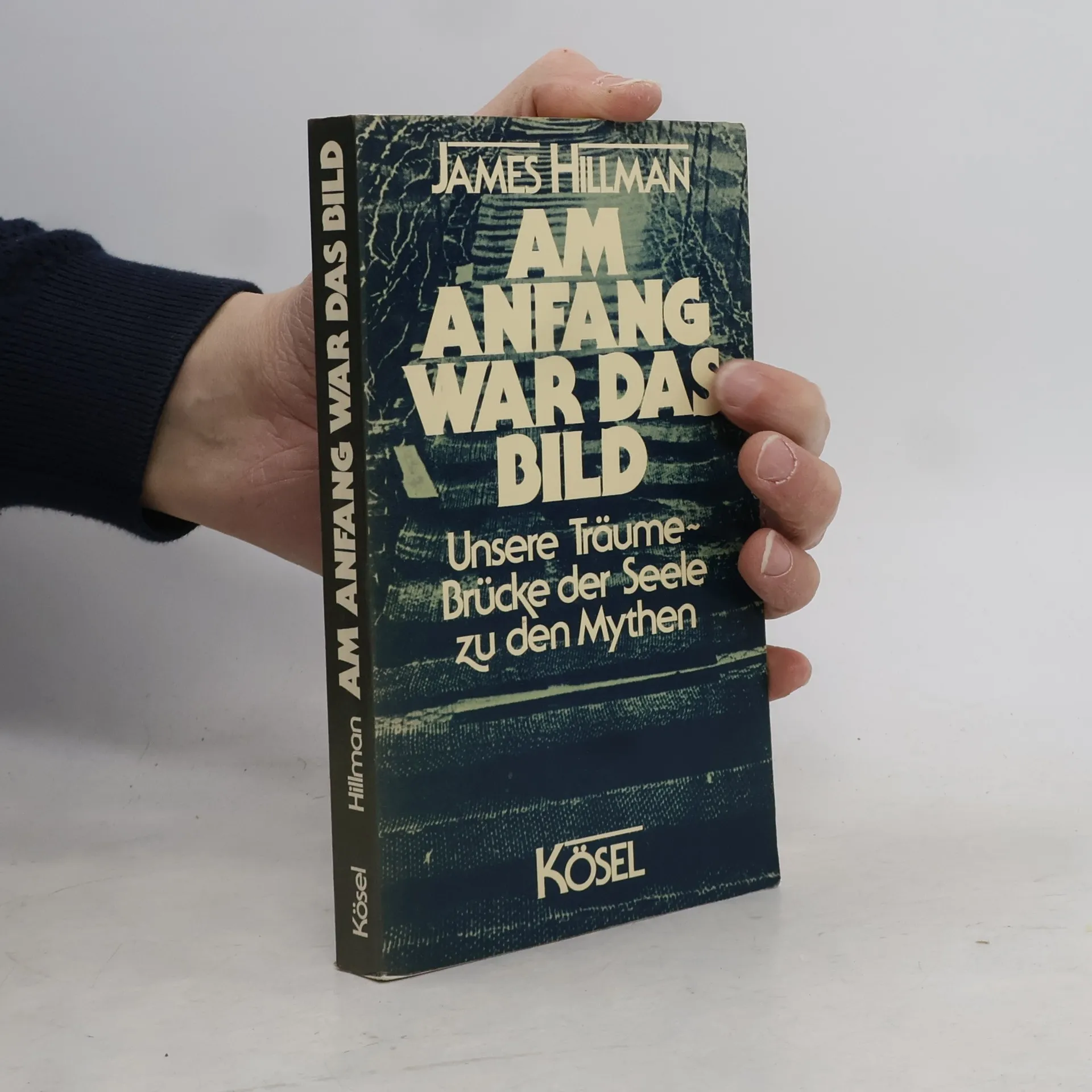
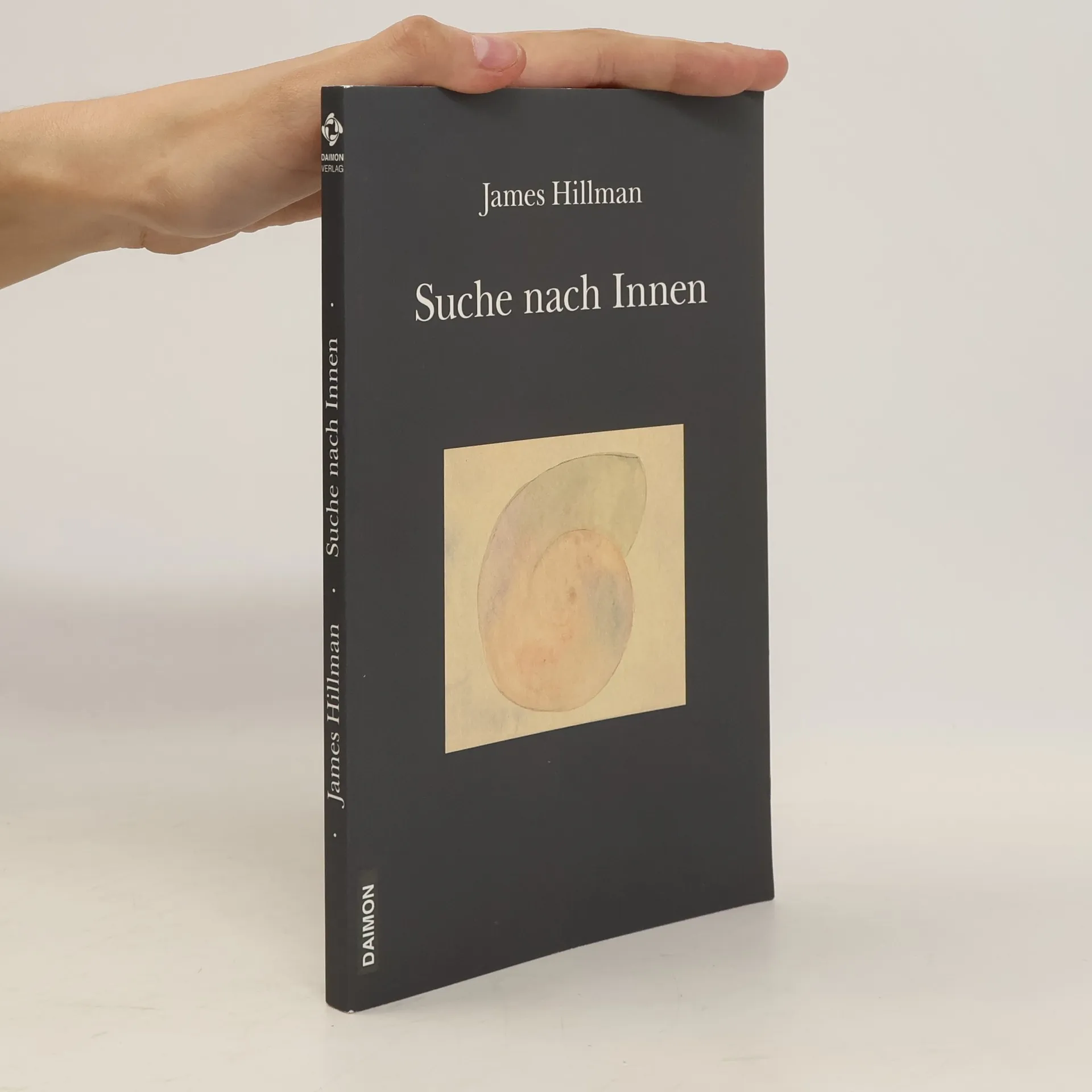
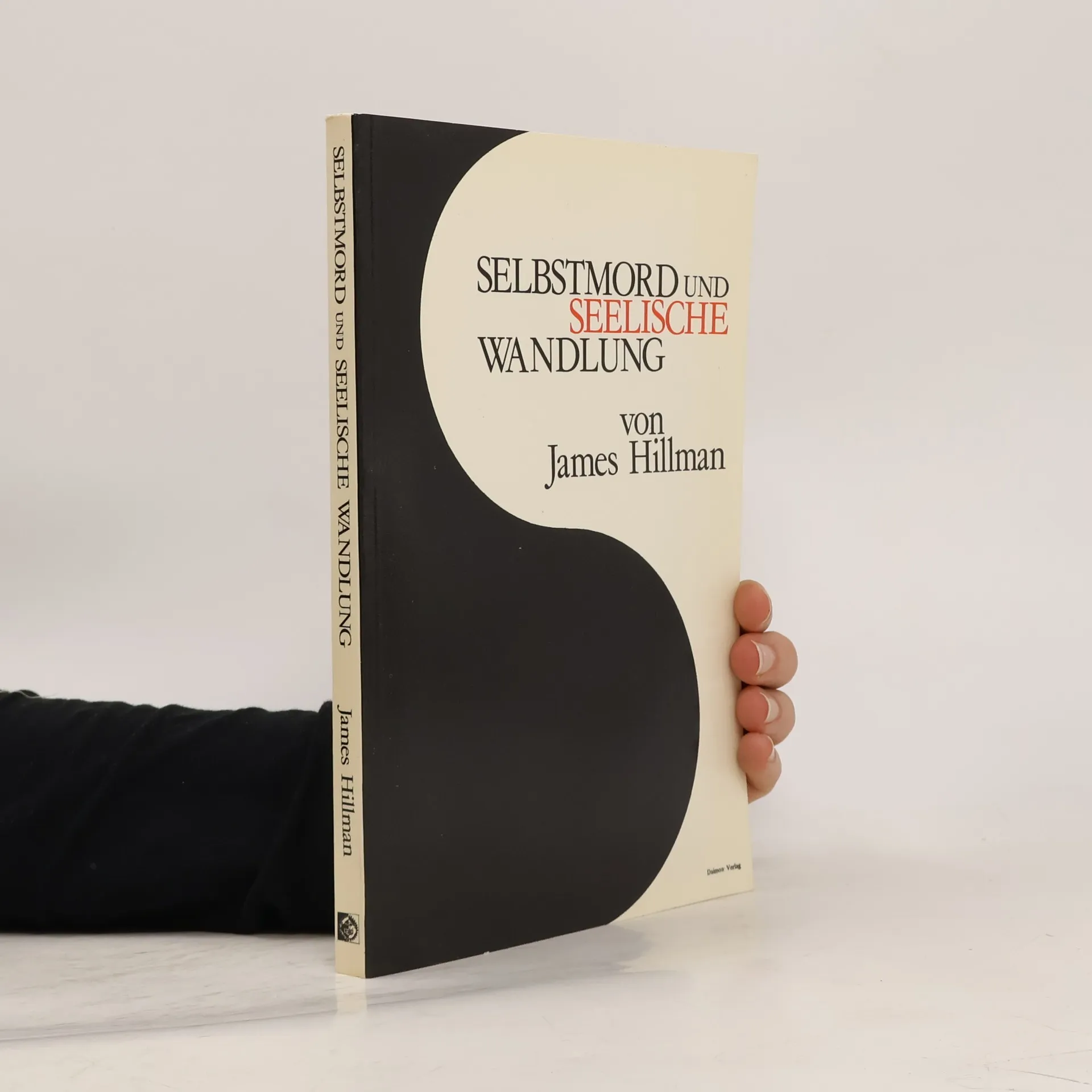
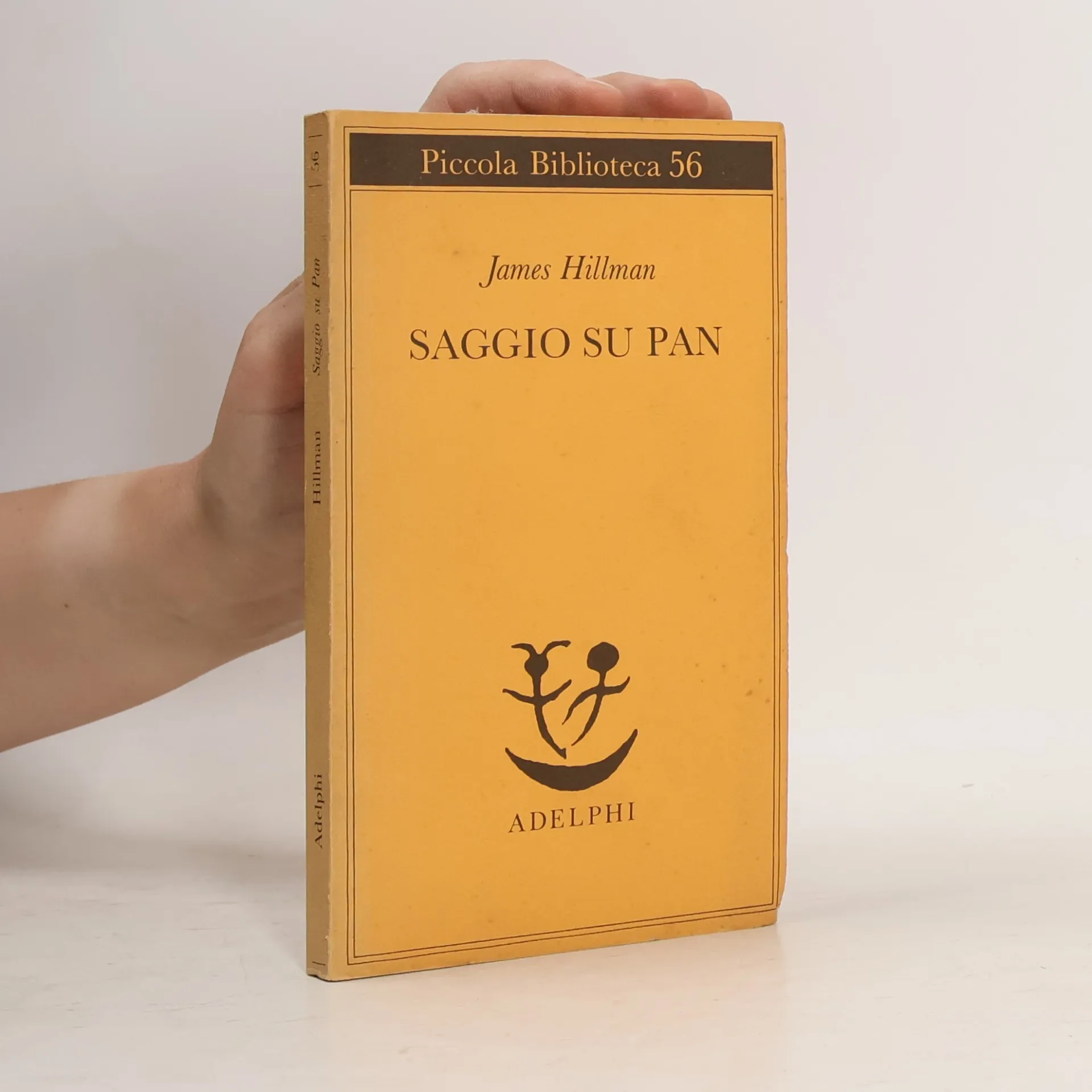
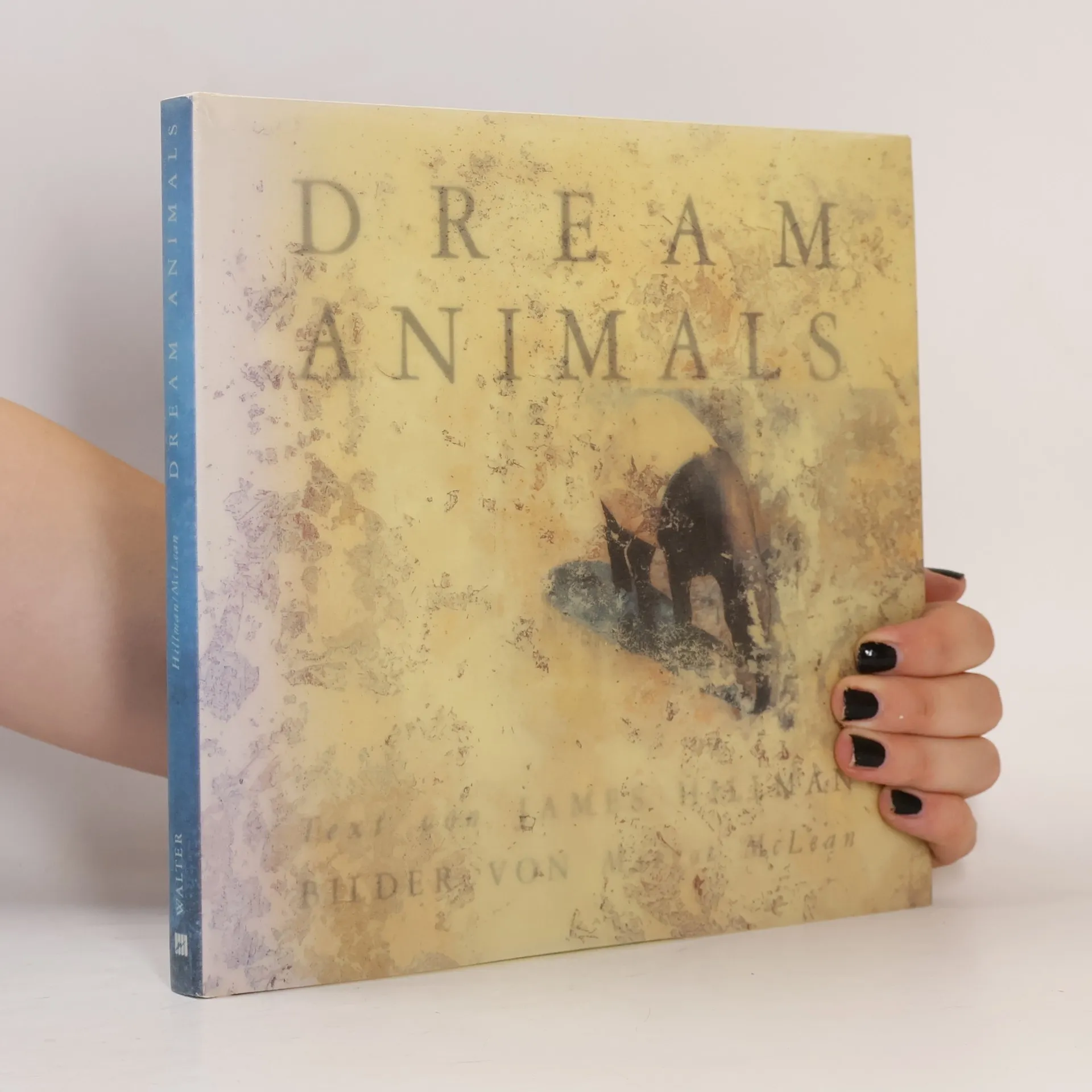
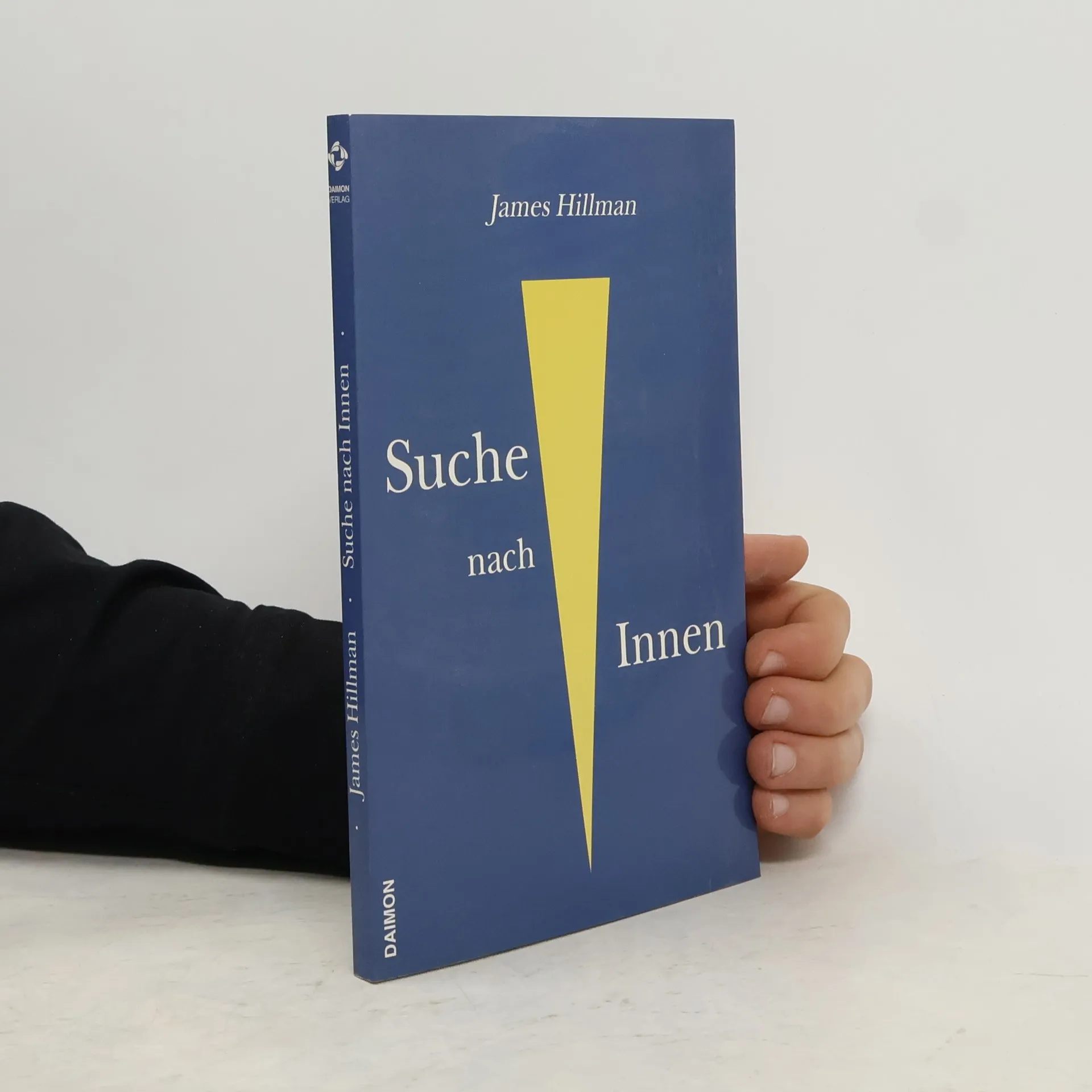
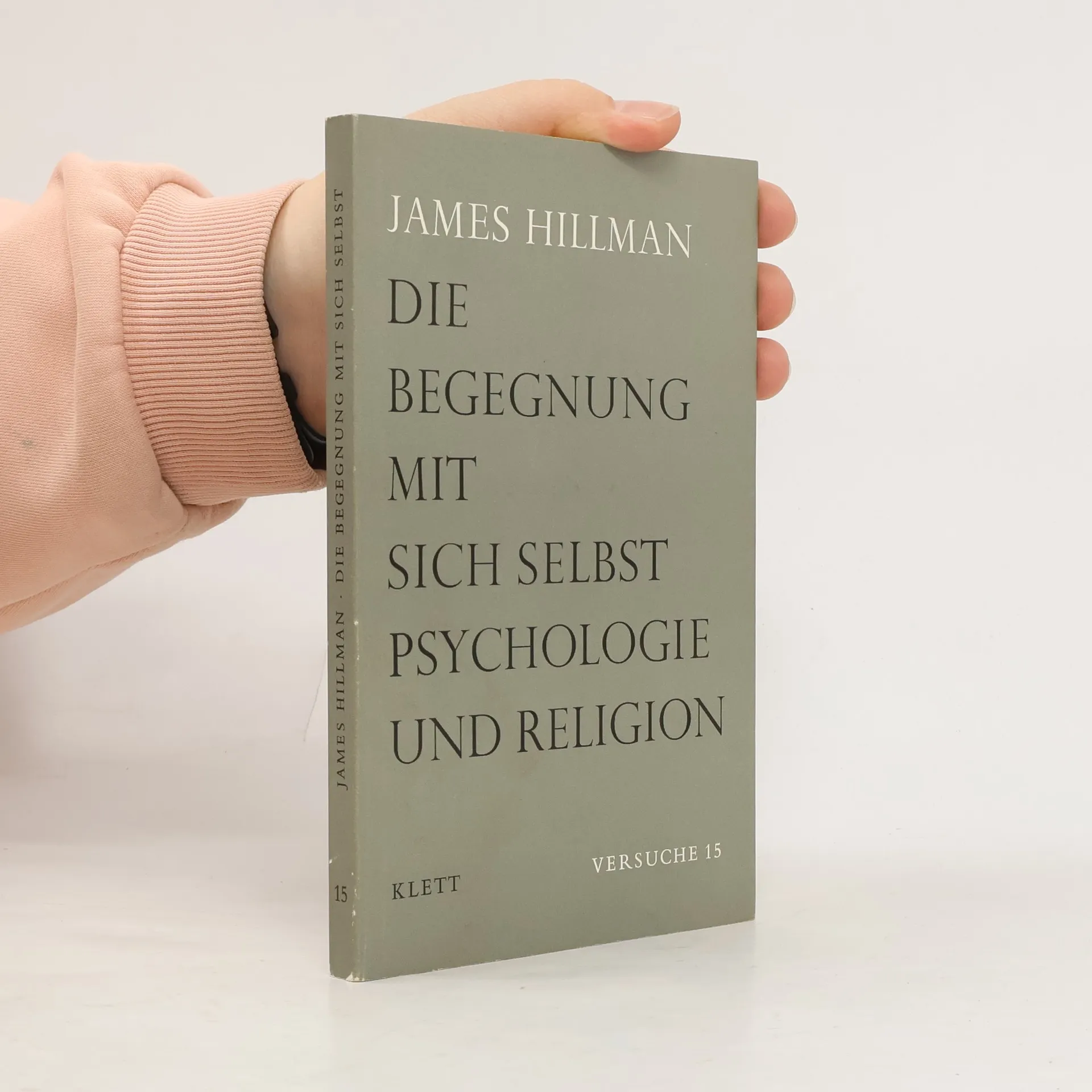
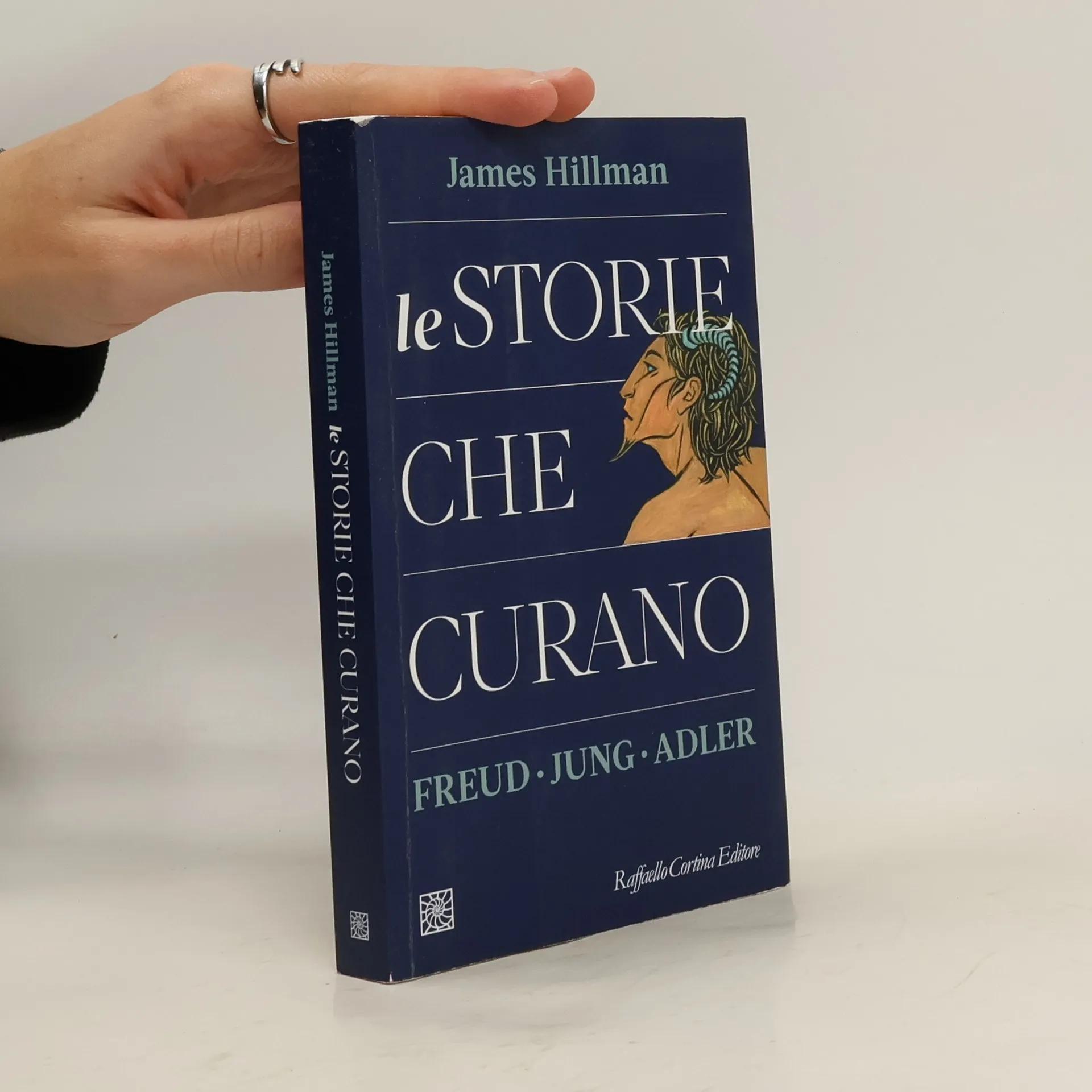
James Hillman byl americký psycholog a zakladatel archetypální psychologie. Jeho práce se hluboce ponořila do sfér mýtu, filozofie a umění a hledala porozumění lidské psychice prostřednictvím symbolických obrazů. Hillmanův jedinečný přístup zdůrazňoval význam obrazu a metafor v psychologickém životě, čímž nabídl radikálně odlišný pohled na lidskou zkušenost. Jeho spisy podněcují čtenáře k prozkoumání hlubších, archetypálních vrstev vědomí a odhalují bohatství nevědomého světa.
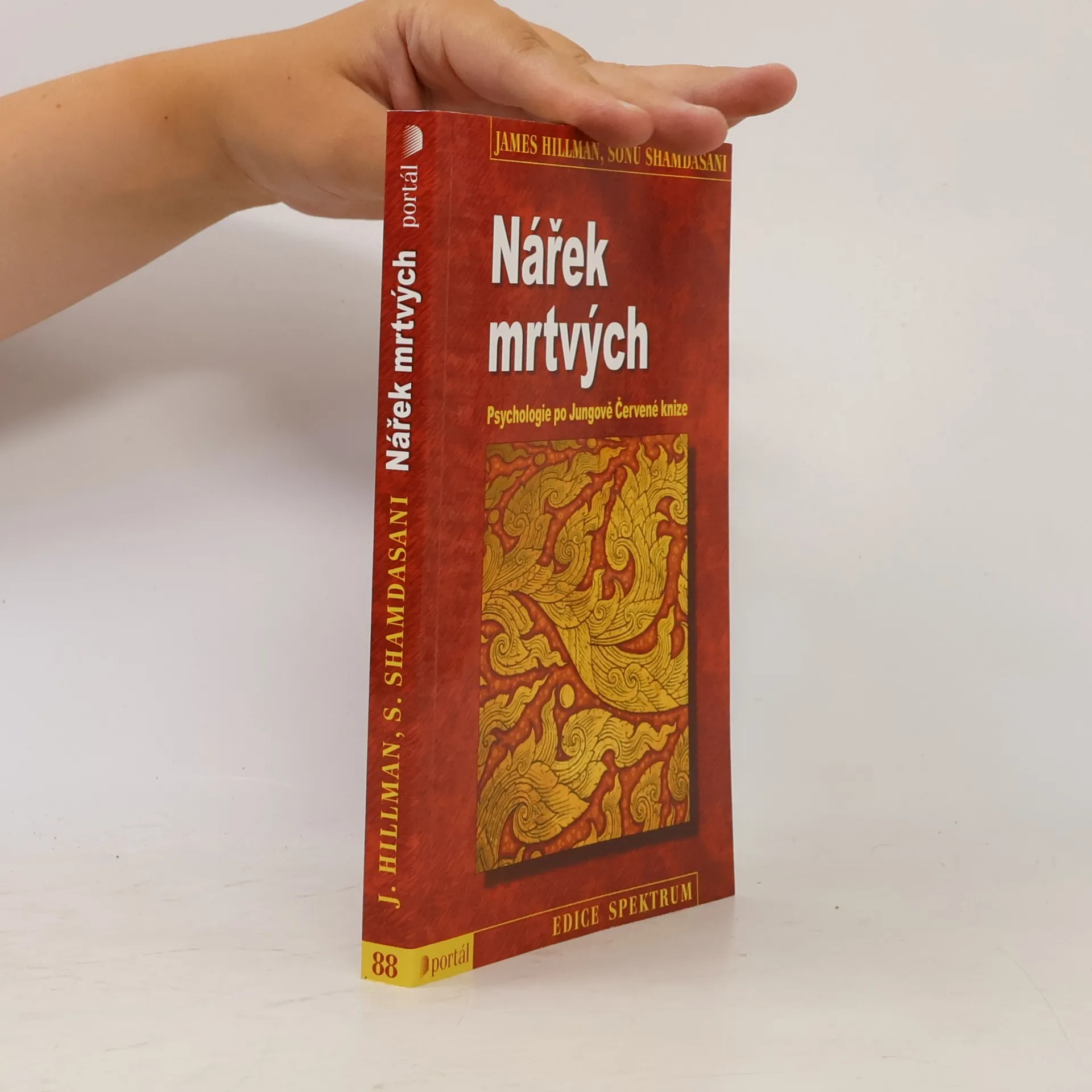
Rozhovor dvou předních současných světových psychologů, Jamese Hillmana, zakladatele hnutí archetypální psychologie, a editora Jungovy Červené knihy a historika psychologie Sonu Shamdasaniho, se odehrává na pozadí vydání Červené knihy a prochází tématy, která jsou důležitá pro moderní psychologii. Dotýká se vztahu živých a mrtvých, vztahu k mrtvým a živým v našich snech a fantaziích, otázek kreativity a výtvarného vyjádření, psychologie umění, narativní psychologie, hlubinné psychologie, významu křesťanství pro moderního člověka, vztahu člověka k minulosti a jejich souvislostí s dnešním myšlením.
Kniha Duše a sebevražda jungiánského psychoterapeuta Jamese Hillmana je brilantní studií o vzájemné provázanosti života a smrti. Přináší nové, neobyčejně podnětné pohledy nejen na problém smrti i sebevraždy, ale i na základní metodologické problémy moderní psychoterapie, a to ve vyhraněné konfrontaci medicínského a ryze analytického přístupu k tomuto fenoménu. Autor se nejprve zamýšlí nad základním myšlenkovým modelem, jímž se při zkoumání sebevraždy řídí sociologie, právo, teologie a medicína, a vymezuje specifické stanovisko analýzy. Přesvědčivě ukazuje, jak nesmírně důležité je psychické prožívání smrti v životě každého člověka, zejména z hlediska jeho schopnosti sebeproměny: čím intenzivnější je tento zážitek, tím hlubší je proměna osobnosti. V tomto smyslu je sklon k sebevraždě výrazem naléhavé potřeby sebeproměny.
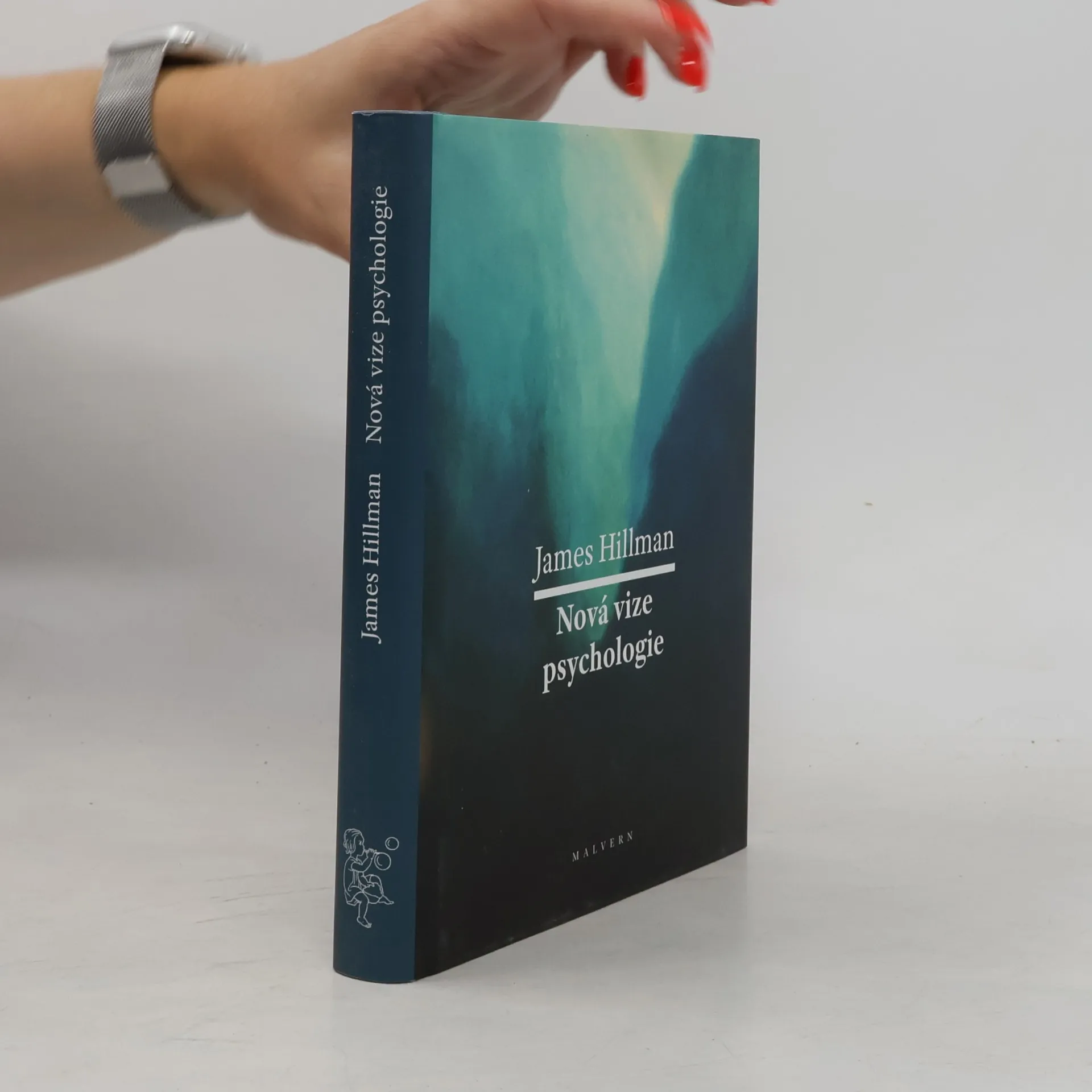
Tato kniha pojednává o utváření duše. Pokouším se v ní vytvořit psychologii duše, napsat esej obsahující novou vizi psychologie z hlediska duše. Jde tudíž o knihu staromódní i radikálně novátorskou, protože se vrací ke klasickým pojetím duše, zároveň však prosazuje myšlenky, o nichž současná psychologie ještě ani nezačala přemýšlet. Duši nemůžeme porozumět jen prostřednictvím psychologie, a proto naše vize dokonce opouští pole toho, co se obvykle pokládá za psychologii, a vydává se hluboko do oblastí historie, filosofie a náboženství. Tato kniha se sice napřahuje ve směru nového psychologického myšlení a pociťování, nicméně svými kořeny stále pevně tkví v hlavní půdě naší psychologické kultury; vyživují ji nahromaděné vhledy naší západní tradice od Řeků přes renesanci a romantiky až po Freuda a Junga.
Účelem knihy je nově otevřít otázky o duši a otevřít duši novým otázkám. Rád bych si posvítil na obskurní témata, ale nechtěl bych na ně vrhnout ten typ světla, který má ukončit zkoumání. Tato kniha má položit základy archetypální psychologie, a proto rovněž ukazuje, jak by se na tomto novém poli mělo pracovat. Drží se základní psychologické zkušenosti – totiž že duše o sobě ustavičně hovoří ve stále se opakujících motivech a vždy nových variacích, podobně jako hudba; že je duše nezměrně hluboká a mohou ji osvětlovat jen vhledy, záblesky v obrovské jeskyni nepochopení; vždyť v říši duše je ego jenom žebrák.
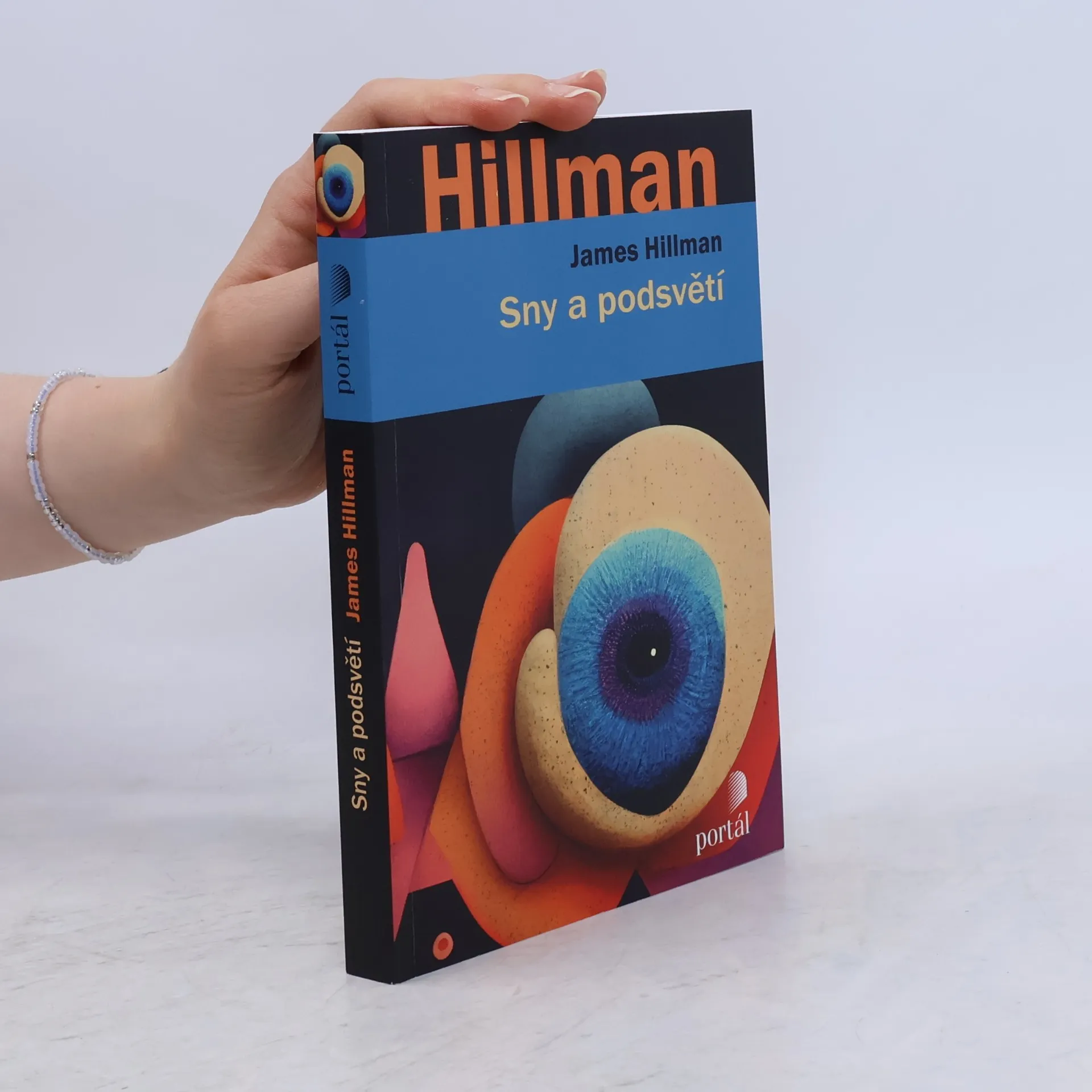
Dvě průkopnické eseje známého psychologa Jamese Hillmana (1926-2011) posouvají archetypální psychologii novým směrem: ke světu. Ukazují nám, že k tomu, aby se obnovila imaginativní síla srdce a jeho odvaha, musíme duši světa obsažené ve všech věcech věnovat stejnou pozornost jako duši lidské. Po česky vydaných knihách Duše a sebevražda, Sny a podsvětí a Klíč k duši nám tyto eseje ukazují cestu k opětovnému smíření srdce, duše a světa.
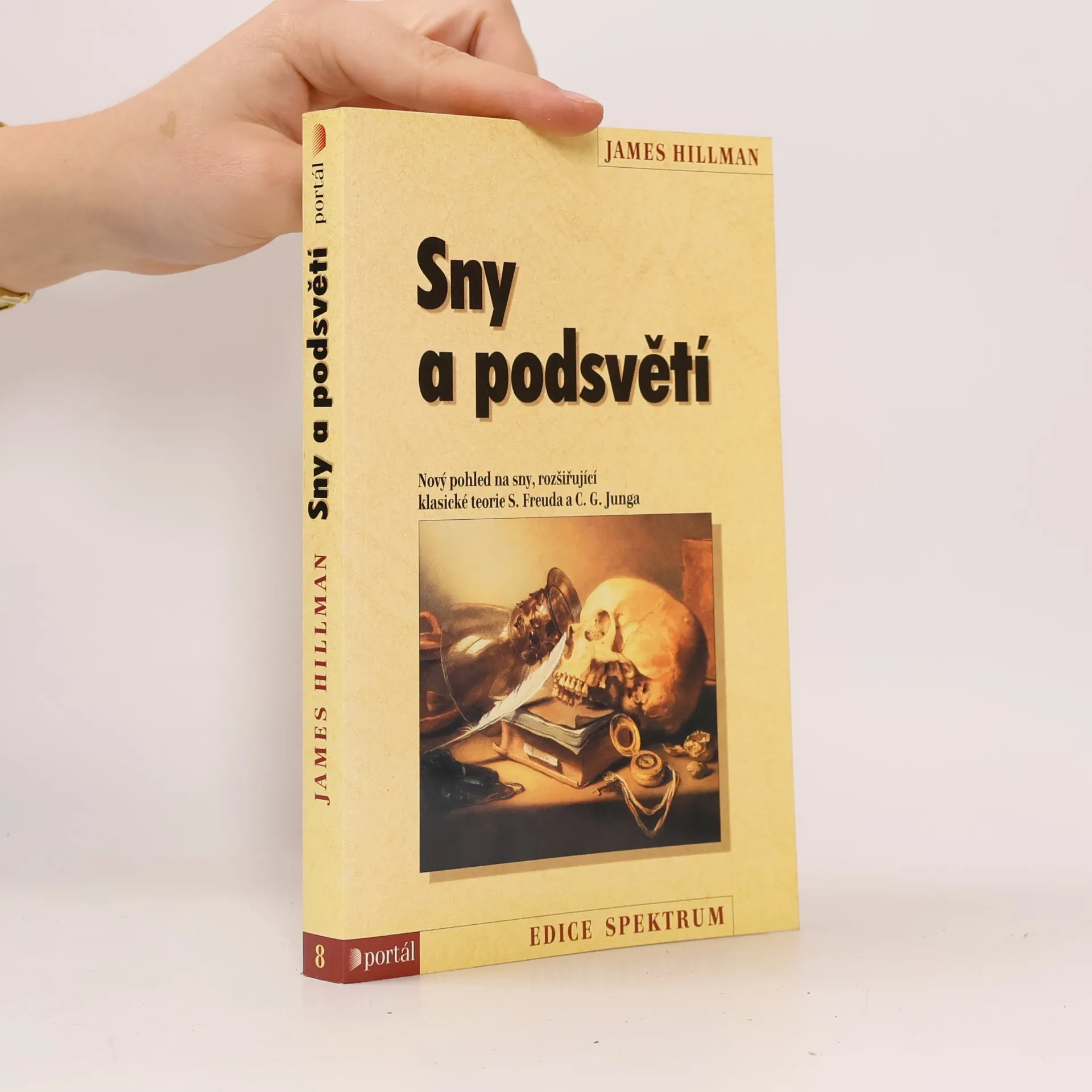
Vychází z klasických teorií, ale obohacuje je o nový přístup čerpající z poetiky mytologie. Spojuje sny zejména s temnou stránkou duše, jejími představami a stíny, s obrazy smrti. Na teoretickou část knihy, která je prokládána množstvím příkladů z mýtů, navazuje konkrétní rozbor jednotlivých snových symbolů.
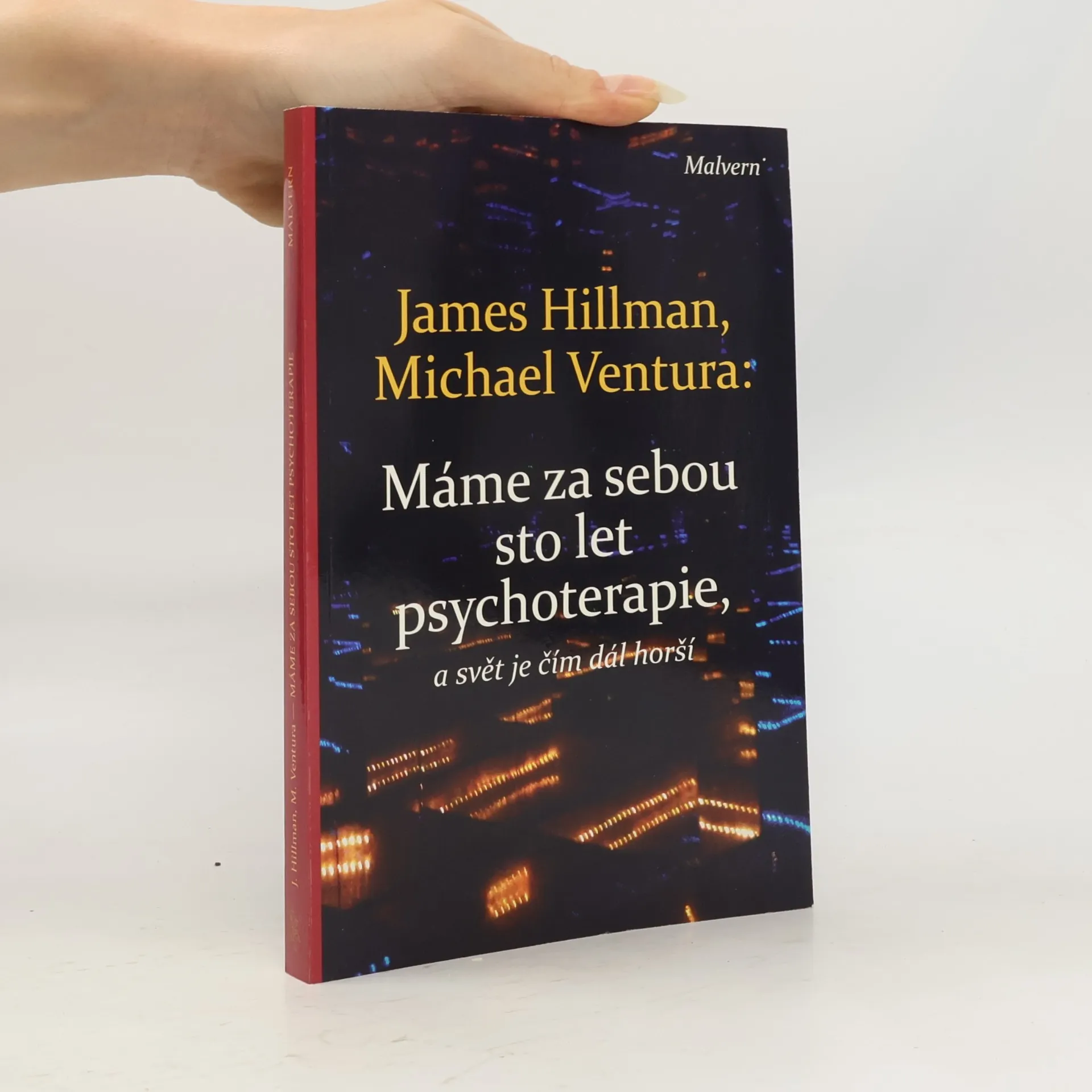
Troufalá a rozhněvaná řada vášnivých rozhovorů a dopisů je sžíravým komentářem a kritikou nejen dnešní psychoterapie, ale také takřka všech významných aspektů současného života – sexuality, politiky, médií, životního prostředí i městského života. James Hillman, kontroverzní a neortodoxní jungiánský psycholog, muž, kterého Robert Bly nazval „nejživější a nejoriginálnější americký psycholog od dob Williama Jamese“ – společně s Michaelem Venturou – provokativním fejetonistou L. A. Weekly a romanopiscem – otřásají mnoha obecně přijímanými přesvědčeními o našich životech, duši i společnosti. Dva brilantní a troufalí intelektuální divoši porušují pravidla a jezdí na červenou, aby udeřili do samotného jádra našich domněnek a pokáceli všechna naše zlatá telata.
Po klasicích Sigmundu Freudovi a C. G. Jungovi přichází James Hillman s originálním pohledem na sny a práci s nimi. Vychází z klasických teorií, ale netradičně je obohacuje o nový přístup čerpající z poetiky mytologie. Spojuje sny zejména s temnou stránkou duše, s jejími představami a stíny, s obrazy smrti. Hillmanovým řešením v přístupu ke snu je především odvaha k imaginativní, poetické, metaforické svobodě, odvaha k tvořivému ponoru do hlubiny… Na teoretickou část knihy, která je prokládána množstvím příkladů z mýtů i Hillmanovy vlastní praxe, navazují úvahy nad některými konkrétními snovými motivy.
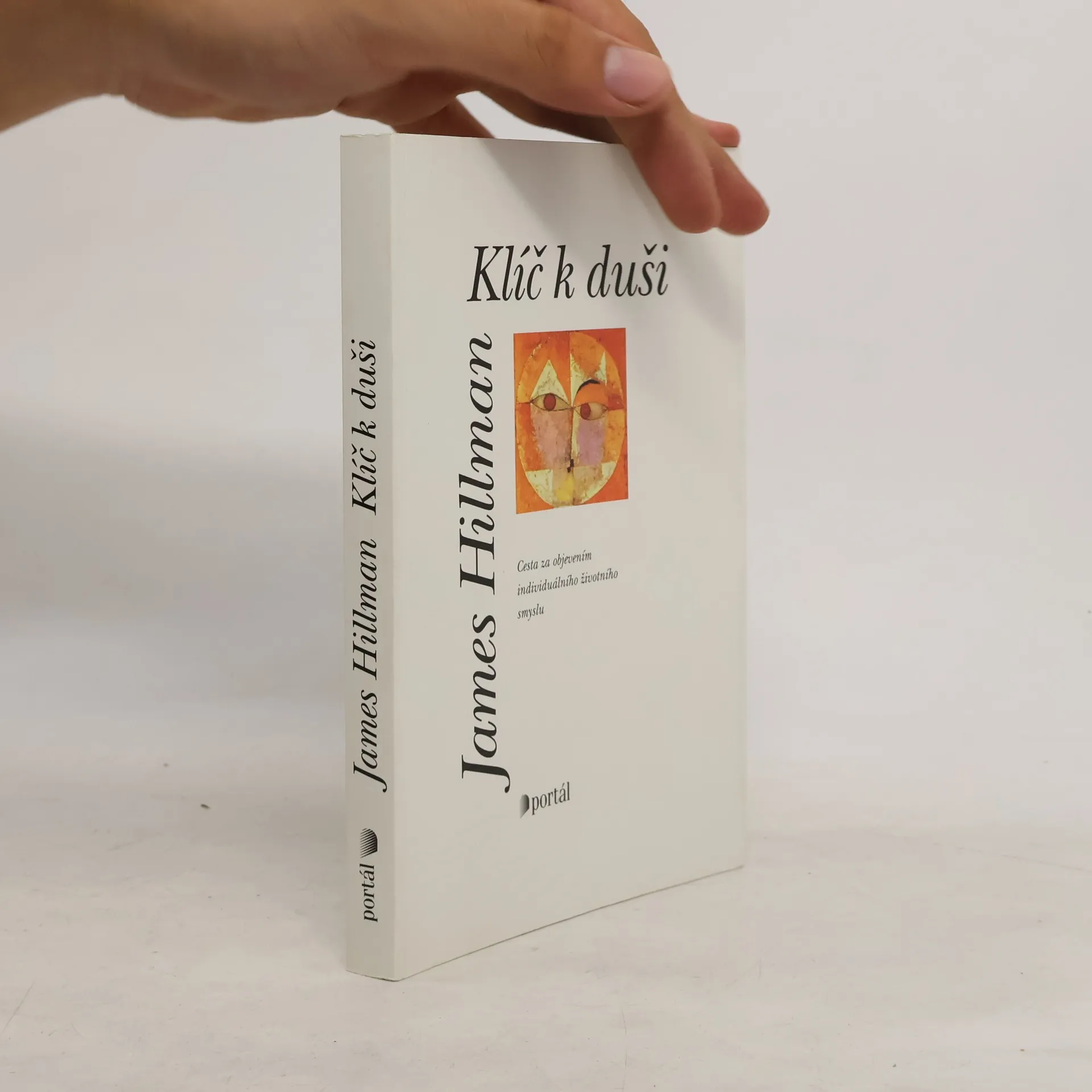
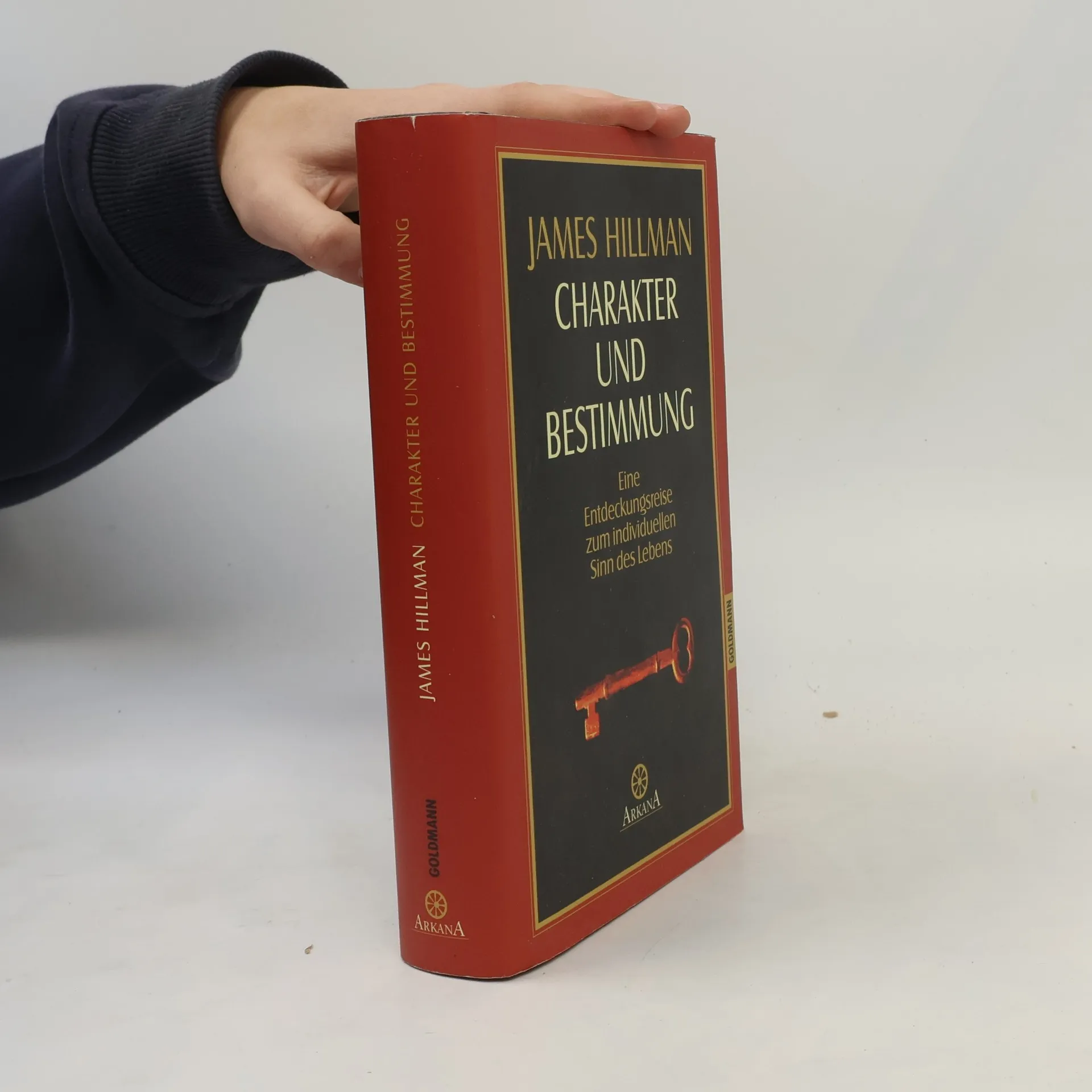
Cesta za objevením individuálního životního smyslu
295 stránek
11 hodin čtení
Kniha je určena čtenáři, který se zajímá o cestu individuálního objevování vlastního životního smyslu a o témata na pomezí psychologie a spirituality, a který se také zamýšlí nad svým dosavadním životem.
Cesta za objevením individuálního životního smyslu. Publikace zve čtenáře na cestu za objevením jeho vlastního životního smyslu a na této cestě mu poskytuje řadu příležitostí, aby se zamyslel nad svým dosavadním životem, nad svými fantaziemi a myšlenkami, i nad událostmi, které dosud jeho život výrazně formovaly.
Kniha byla recenzenty přirovnávána k úspěšným titulům Hilmannova žáka, Roberta Moora.
Válka nás děsí – a přesto nás nepřestává fascinovat. Je odvěkým tématem mýtů, dějin i osobních příběhů. Přináší zkázu a mnoho utrpení, ale svým aktérům i obětem mnohdy skýtá intenzivní, téměř opojný pocit vlastní existence. Je to jeden z nejděsivějších fenoménů dějin lidstva, ale zároveň je s nimi neoddělitelně spjatá – a dost možná odhaluje i významné aspekty lidského bytí a skutečnosti vůbec.
V knize Válka a její strašlivá láska se americký psycholog James Hillman pouští do nekompromisního zkoumání tohoto rozporuplného fenoménu. Čerpá z dopisů vojáků, záznamů z bojišť, vojenských analýz, starověkých mýtů i myšlenek velkých autorů – od Marka Twaina a Lva Tolstého po Immanuela Kanta, Hannah Arendtovou, Michela Foucaulta či Emmanuela Levinase. Výsledkem je smělá a znepokojivá kniha, která otevírá nové perspektivy, boří iluze a hledá odpověď na otázku, proč je válka tak hluboce zakořeněna v lidské zkušenosti.
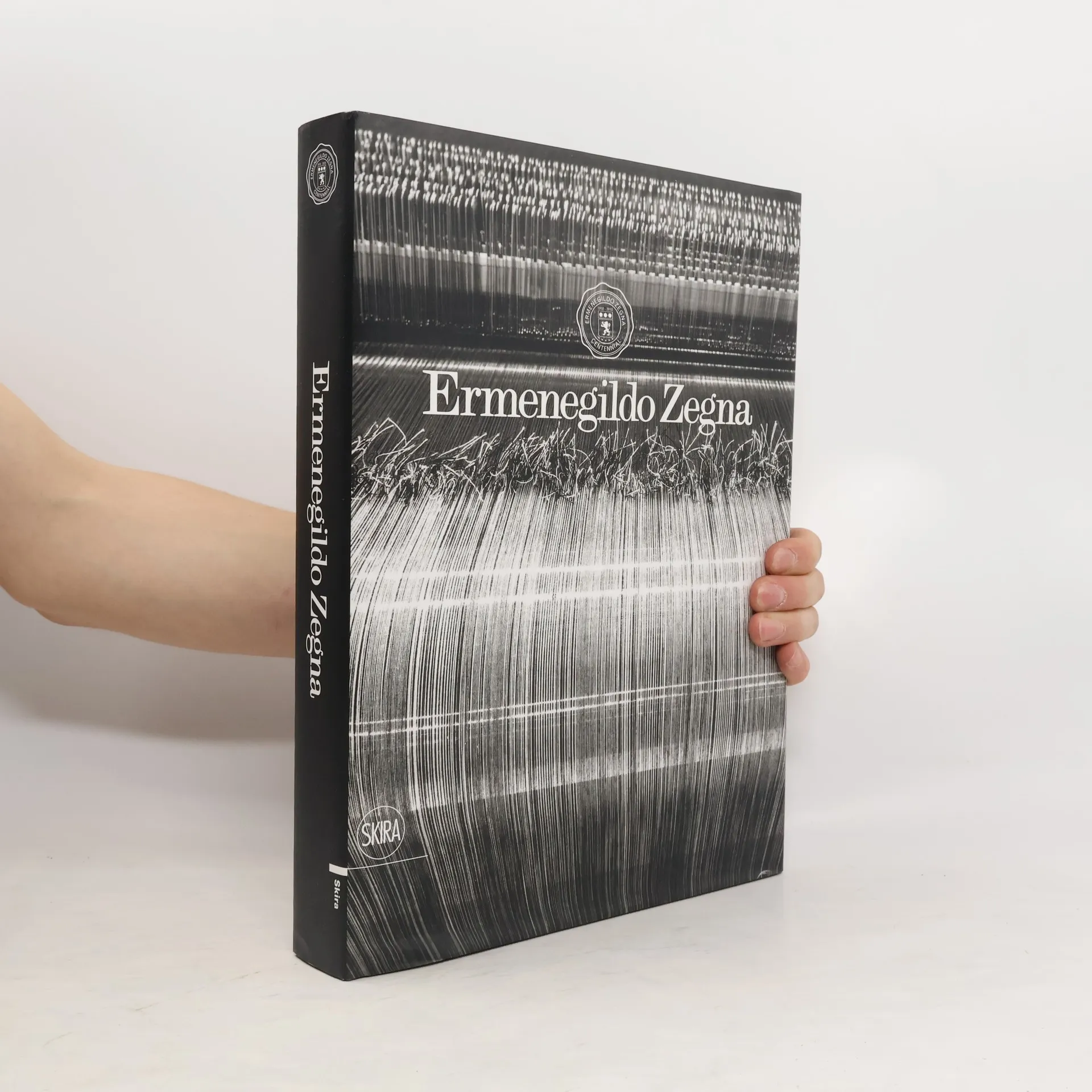
An Enduring Passion for Fabrics, Innovation, Quality and Style
406 stránek
15 hodin čtení
This volume presents the 100 year history of a leading multinational in mens luxury clothing and one of the oldest business families in Italy, Ermenegildo Zegna.
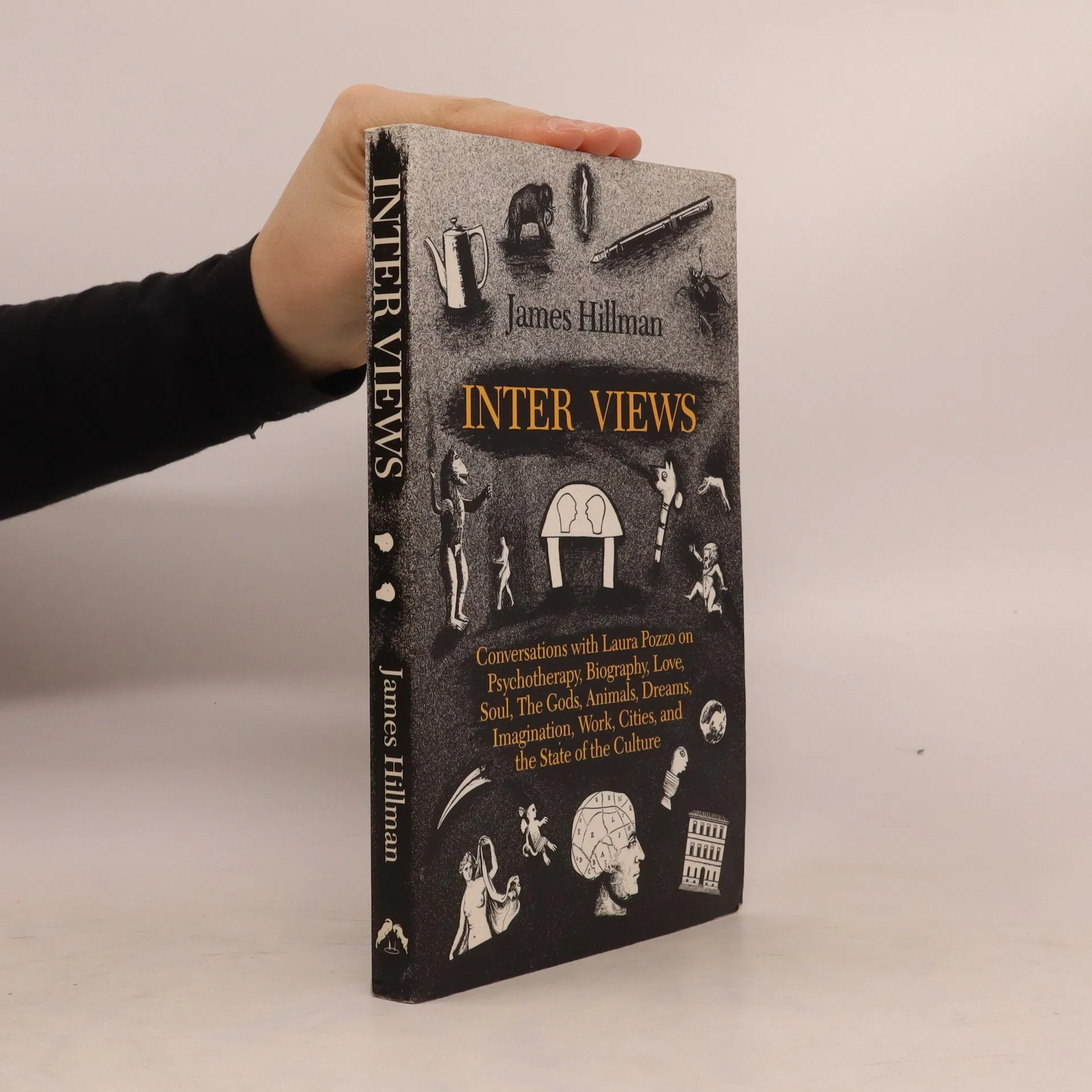
Extraordinary, yet practical accounts of active imagination, writing, daily work, and symptoms in their relation with loving. The only biography of Hillman, the book also radically deconstructs the interview form itself.
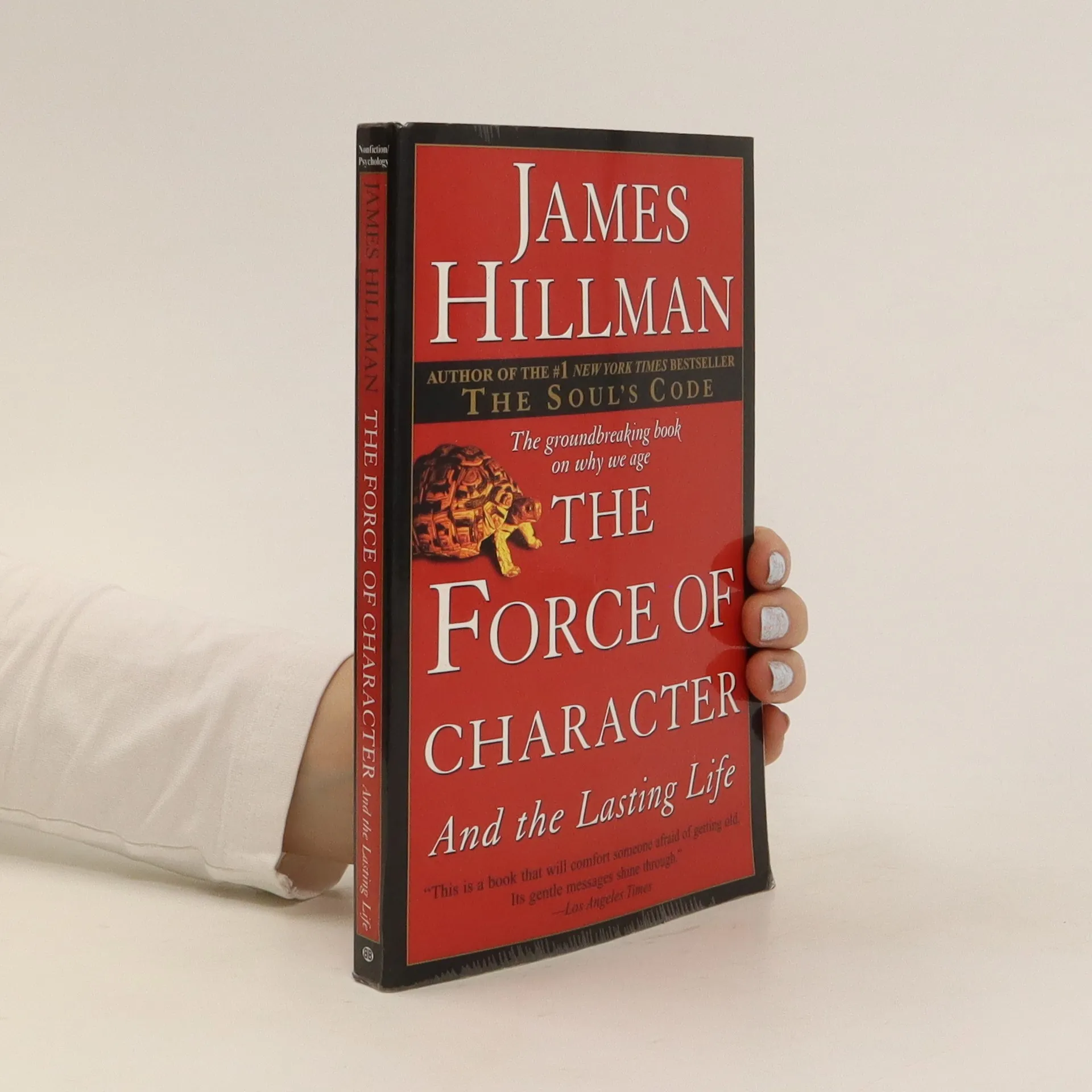
In his powerful bestseller The Soul's Code, James Hillman brilliantly illuminated the central importance of character to our spiritual and emotional lives. Now, in this magnificent new book, Hillman completes his exploration of character with a profound and revolutionary reflection on life's second half."Character requires the additional years," declares Hillman. "The last years confirm and fulfill character." Far from blunting or dulling the self, the accumulation of experience concentrates the essence of our being, heightening our individual mystery and unique awareness of life. Drawing on his grounding in Jungian psychology, Hillman explains here the archetypes and myths that govern the self's realignment in our final years.The Force of Character follows an enriching journey through the three stages of aging--lasting, the deepening that comes with longevity; leaving, the preparation for departure; and left, the special legacy we each bestow on our survivors. Along the way the book explores the meanings and often hidden virtues of characteristic physical and emotional changes, such as loss of memory, alterations in sleep patterns, and the mysterious upsurge in erotic imagination.Steeped in the wisdom of a lifetime, radiant with Hillman's reading in philosophy, poetry, and sacred texts, charged with a piercing clarity, The Force of Character is a book that will change--and affirm--the lives of all who read it.
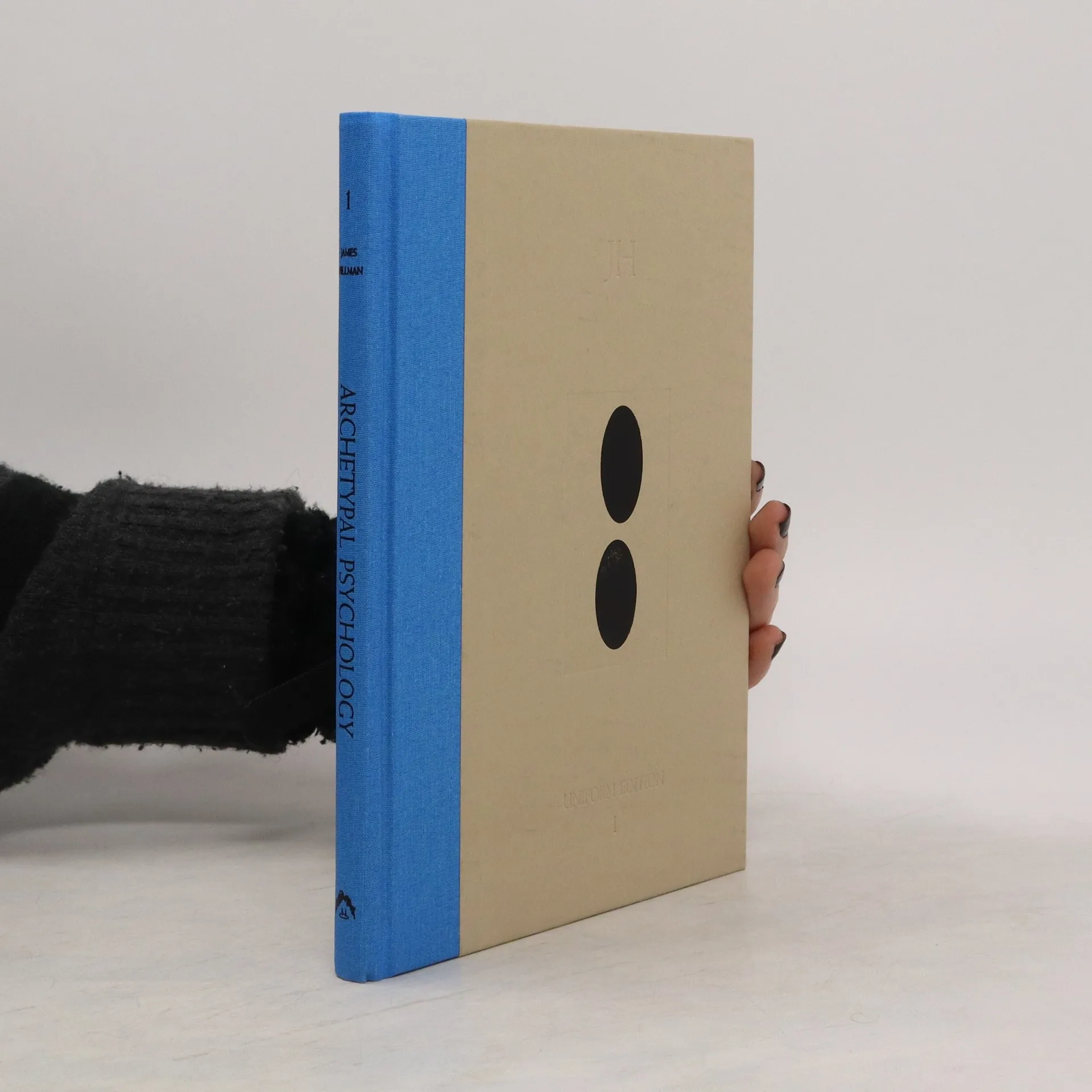
Uniform Edition of the Writings of James Hillman, Vol. 1
160 stránek
6 hodin čtení
Originally written for the Italian Enciclopedia del Novecento, this indispensable book is a concise, instructive introduction to polytheism, Greek mythology, the soul-spirit distinction, anima mundi, psychopathology, soul-making, imagination, therapeutic practice, and the writings of C.?G. Jung, Henry Corbin, and Adolf Portmann in the formulation of the field of Archetypal Psychology. This new edition includes three additional texts, which Hillman long felt belong into this introductory account of Archetypal Psychology: “Why ‘Archetypal Psychology’?”; “Psychology: Monotheistic or Polytheistic?”; and “Psychology: Monotheistic or Polytheistic? – Twenty Years Later.”
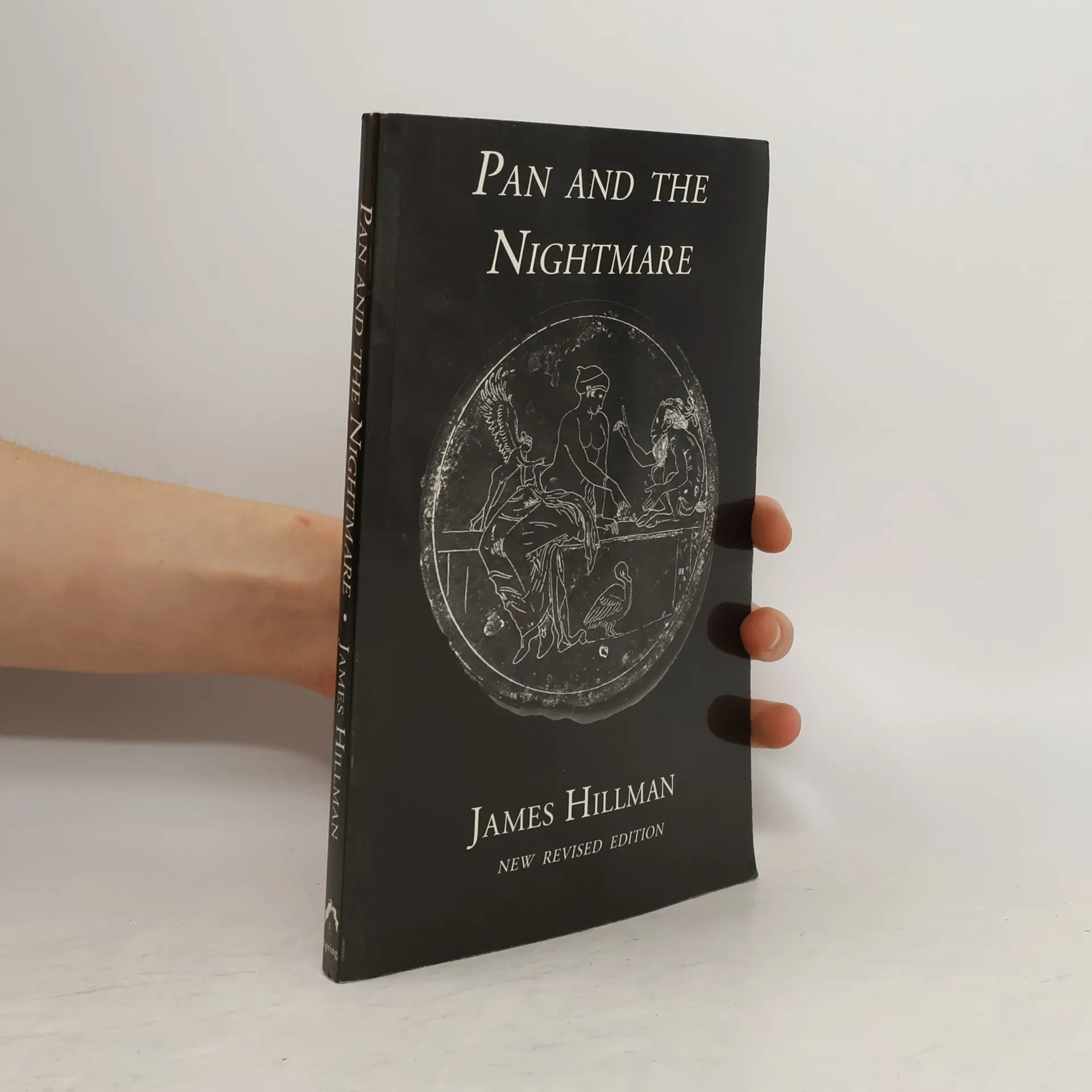
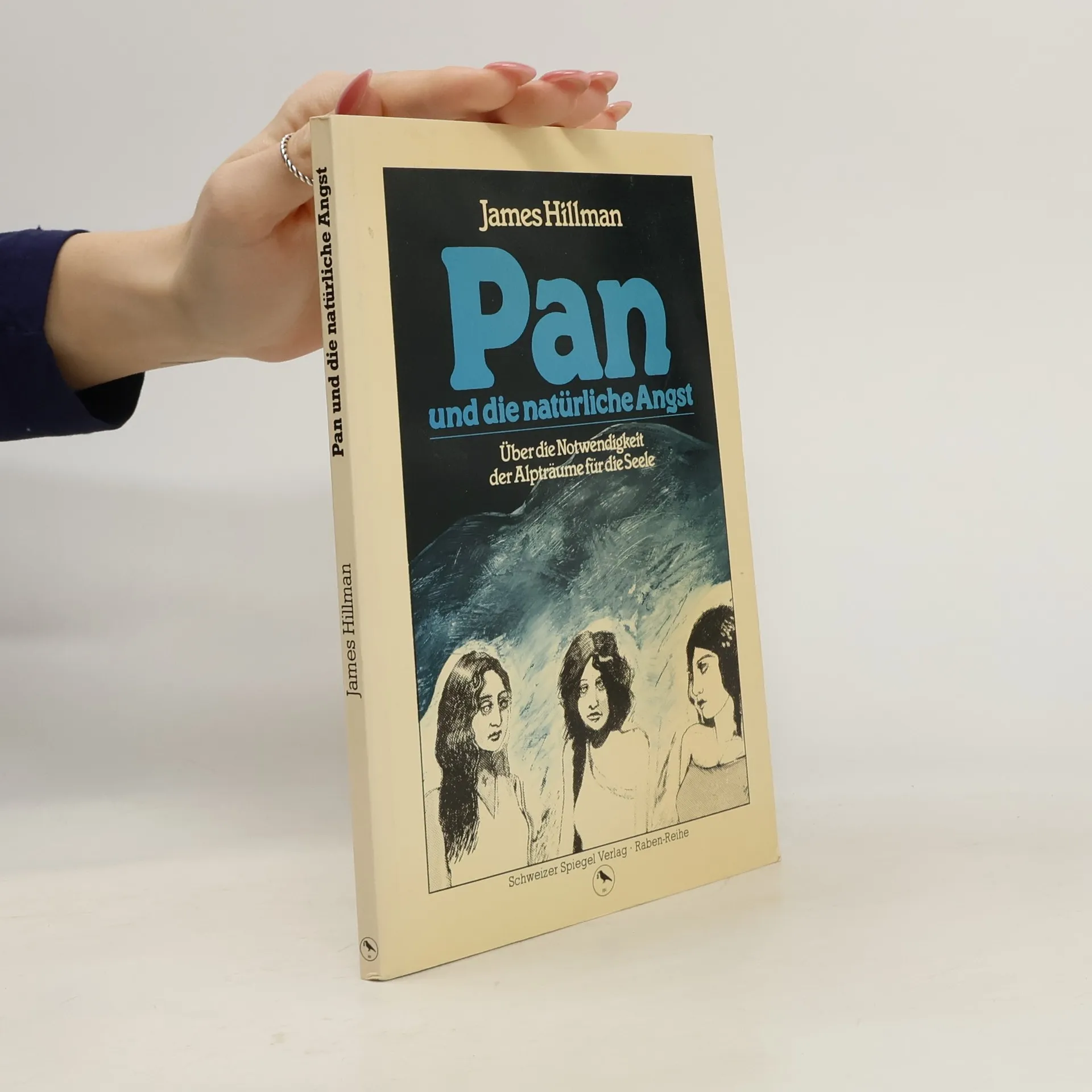
This brilliant book brings Pan back to life by following C. G. Jung's famous saying: "The Gods have become our diseases." Chapters on nightmare panic, on masturbation, rape and nympholepsy, on instinct and synchronicity, and on Pan's female loves-echo, Syrinx, Selene, and the Muses-show the goat-God at work and play in the dark drives and creative passions of our lives. Hillman's insights present the archetypal figure in the depths of nature and archetypal psychology as a method of revelation.Pan and the Nightmare (which includes a full translation of Wilhelm Roscher's masterful 19th-century mythological-pathological treatise on Pan and the demons of the night) is the most radical study of this God ever undertaken.
MARlE-LOUlSE von FRANZ, a prominent figure in analytical psychology, spent much of her life in Zurich, working closely with C.G. Jung for nearly thirty years. As a co-founder of the Jung Institute in Kusnacht, she has established herself as a leading analyst and prolific writer, frequently lecturing on her insights into Jungian psychology.
In her classic study of the "Peter Pan" syndrome, von Franz examines the concept of Puer Aeternus, or the "eternal child," which embodies a youthful spirit resistant to adult commitments in work and relationships. She illustrates how this childish innocence can impede self-actualization, leading to a life filled with adolescent fantasies and delusions.
Through analyses of works like Saint-Exupery's The Little Prince and Bruno Goetz's Kingdom Without Space, von Franz delves into the negative aspects of the puer archetype, linking it to the mother complex, Don Juanism, and homosexuality. Her work encourages both men and women to recognize this aspect of themselves and channel its energy in a constructive manner.
The relevance of her observations resonates widely, as many individuals find themselves trapped in a state of dreamy adolescence, hesitant to leave the comfort of childhood. This enduring study significantly impacts contemporary psychology, presenting Jungian concepts with remarkable rigor and depth. The new edition also features an extensive bibliography and a comprehensive inde
Alchemical Psychology combines all of Hillman's papers on the alchemical imagination from 1980 to the present. Hillman called the early attempt to present his way of grasping this material, in the 1960s at the C.G. Jung Institute in Zurich, "Alchemical Opus/AnalyticalWork." His intention then as now is to give psychoanalysis another method for imagining its ideas and procedures by showing how alchemy bears directly on psychological life, more clinically immediate and less spiritually progressivist.
«Der große Gott Pan ist tot!» Der Nachhall eines solchen Schreis muss die antike Welt erschüttert haben und das Ende des Paganismus, der Mythen und ihrer Götter sowie den Tod der Natur angekündigt haben. Ist das jedoch wahr? Es genügt, sich an das Wort von C.G. Jung zu erinnern: „Die Götter sind zur Krankheit geworden, die uns plagt“, um zu erkennen, dass die Götter niemals sterben. Und wenn wir sie heute leugnen, überleben sie in Form von Symptomen. In einer radikalen Studie über Albträume, Masturbation, Vergewaltigung und Nymphenraub, über Instinkte und Synchronizität sowie über die weiblichen Lieben des Pan - Echo, Syrinx, den Mond und die Musen - werden die Spiele skizziert, die der Ziegen-Gott bis heute in den dunklen Gängen und kreativen Leidenschaften unserer Seele ausheckt.
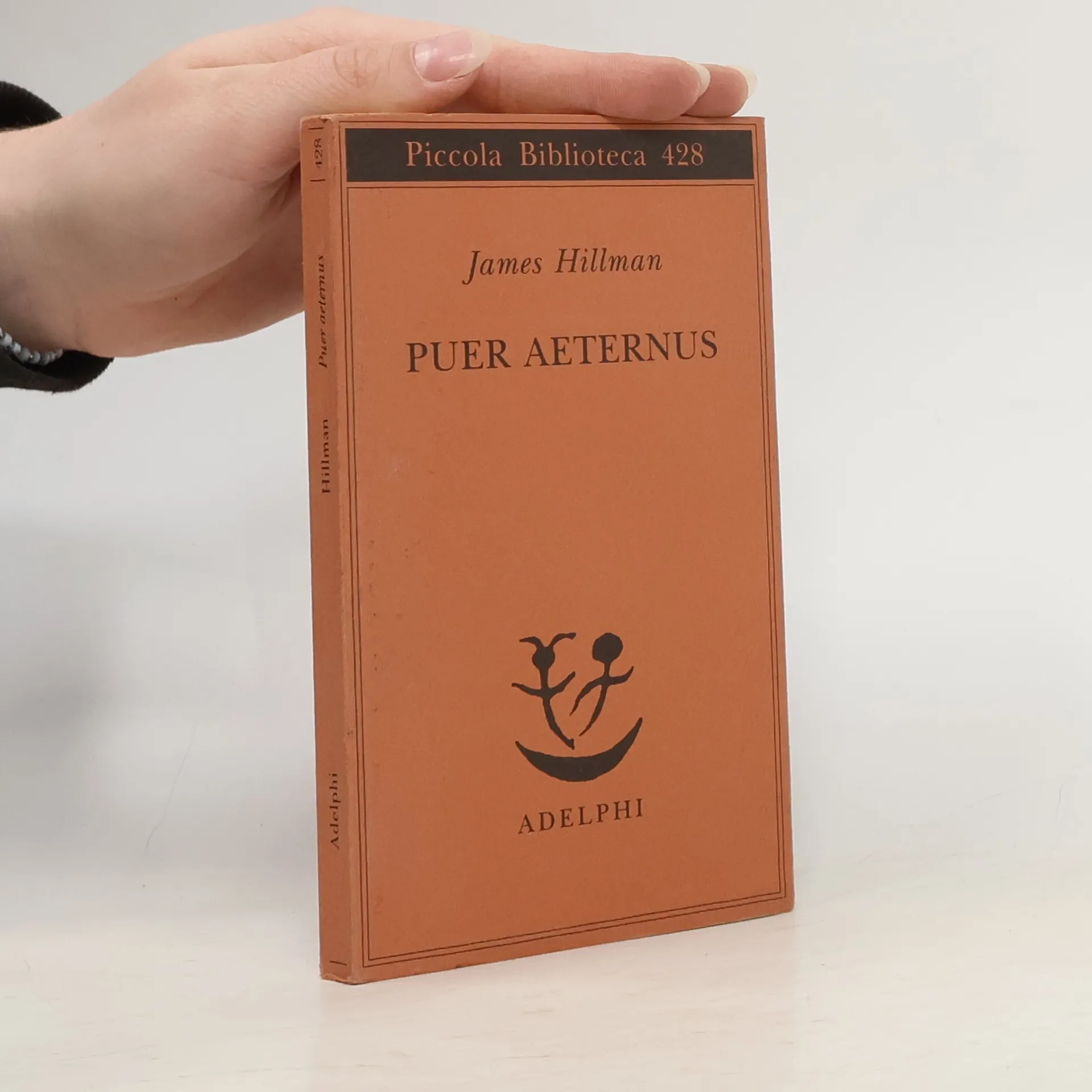
Fra i lettori appassionati di Hillman si sentono spesso ricordare due scritti, vere gemme della sua produzione: il saggio sul tradimento e "Senex e puer". Di fatto sarebbe difficile trovare una migliore via d’accesso al pensiero di questo autore. Nel primo caso perché in poche pagine egli ci offre un’analisi esemplare di una di quelle realtà condannate e deprecate che solo lo scandaglio psicologico riesce a illuminare dietro le grevi cortine della morale. E questa, come sappiamo, è una linea che Hillman ha in seguito ampiamente sviluppato. Nel secondo perché la caratterizzazione del Puer aeternus e quella parallela del Senex hanno una tale precisione e capacità individuante da offrirsi come ausilio immediato per riconoscere nella nostra psiche, in tutti i loro camuffamenti, i tratti dell’eterna fanciullezza e della saturnina vecchiaia. "Il tradimento" e "Senex e puer" sono entrambi nati come conferenze, rispettivamente tenute a Londra nel 1964 presso la Guild of Pastoral Psychology e nel 1967 ai seminari di Eranos.
Ein außergewöhnlicher Therapeut plädiert für eine positive Sicht des Älterwerdens. »Spannend.« Wiener Zeitung Wir alle wollen uns unsere körperliche Jugendlichkeit und unseren geistigen Schwung möglichst lange bewahren und betrachten deswegen das Älterwerden oft mit Sorge und Unbehagen. Dieses brillant geschriebene Buch eines außergewöhnlichen Therapeuten lehrt uns, jenen immer länger dauernden Prozess nicht als Abwärtstrend zu betrachten, sondern als ein leidenschaftlich-neugieriges Heranreifen zu dem, was den Kern unseres Wesens ausmacht. Wenn wir bereit sind, den biologischen Gegebenheiten auch eine psychologische, ja sogar philosophische Bedeutung zu verleihen, erkennen wir, wie selbst körperliche Beeinträchtigung oder Krankheit unserem Charakter zur eigentlichen Erfüllung verhelfen können. Im Laufe eines langen Lebens werden wir das, was wir sein können: eine unverwechselbare, markante und einzigartige Persönlichkeit.