Autor bestsellerov Psychológia penazí aTak ako vždy prináša príbehy o tom, ako využit silu penazí na štastnejší život. Väčšina z nás nevie, ako správne míňať peniaze. Naháňame sa za vecami, ktorými chceme zapôsobiť na iných, no v skutočnosti nás vôbec nenapĺňajú. Alebo neprestajne sporíme, pretože sa bojíme minúť peniaze na to, čo by nám v skutočnosti zlepšilo život. Zamieňame si obdiv so závisťou, pohodlie s prepychom a praktickú hodnotu so spoločenskou prestížou.
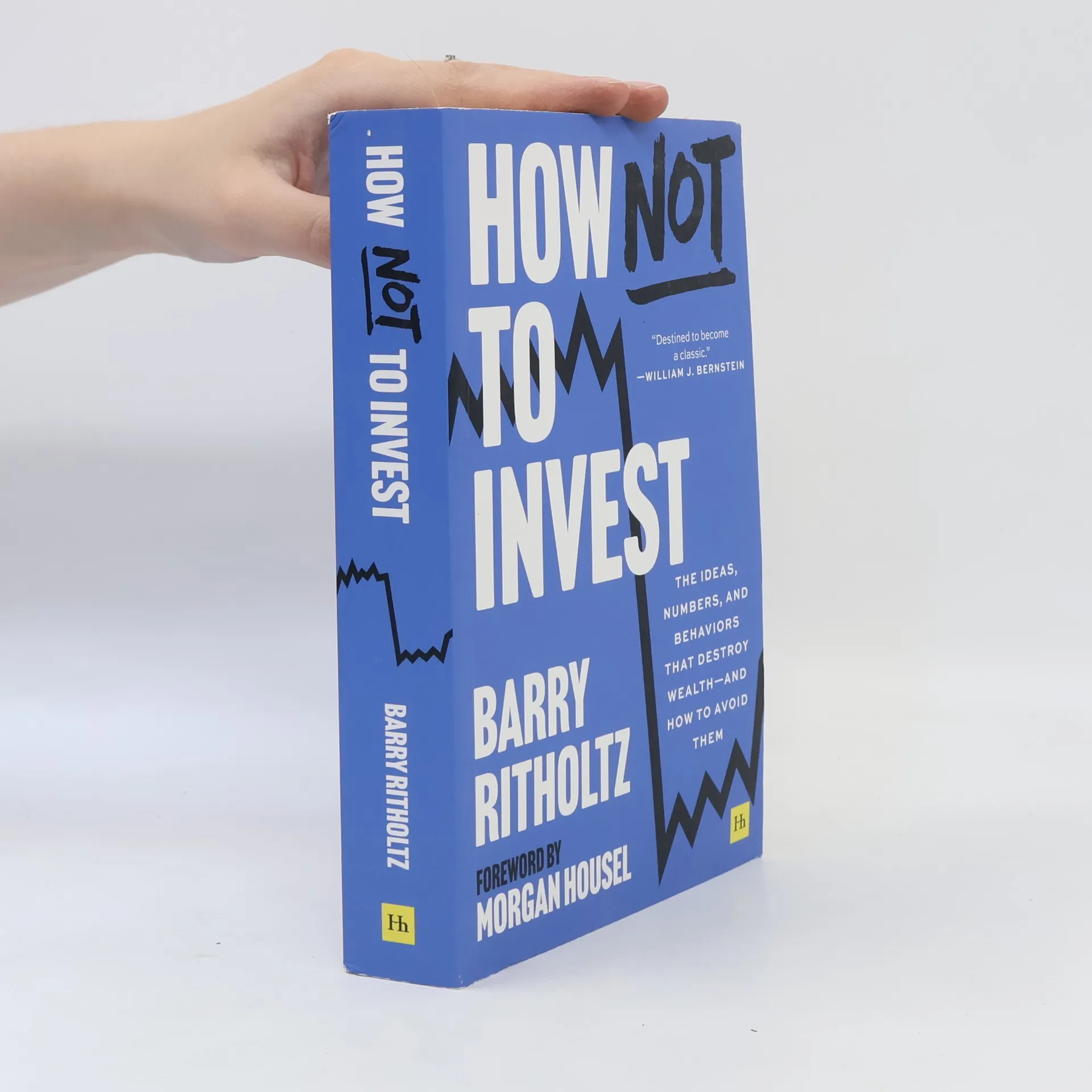
The Ideas, Numbers, and Behaviors That Destroy Wealth - And How to Avoid Them
496 stránek
18 hodin čtení
This book was designed to reduce mistakes. Your mistakes with money. Tiny errors, epic fails and everything in between. You can do thousands of things right, but make just a few of the errors we discuss, and you destroy much of your portfolio. If you could learn how to avoid the unforced errors investors make all the time, you would make your life so much richer and less stressful. The counterintuitive truth is avoiding errors is much more important than scoring wins. How Not To Invest shows you a few simple tools and models that will help you avoid the most common mistakes people make with their money. Learn these, and you are ahead of 98% of your peers. Make fewer errors, end up with more money. How Not To Invest lays out the most common errors investors make. Barry Ritholtz reveals his favorite mistakes, including the lessons we can learn from some of the wealthiest and most error-prone investors. We all make mistakes. The goal with this book is to help you make fewer of them, and to have the mistakes you do make be less expensive.
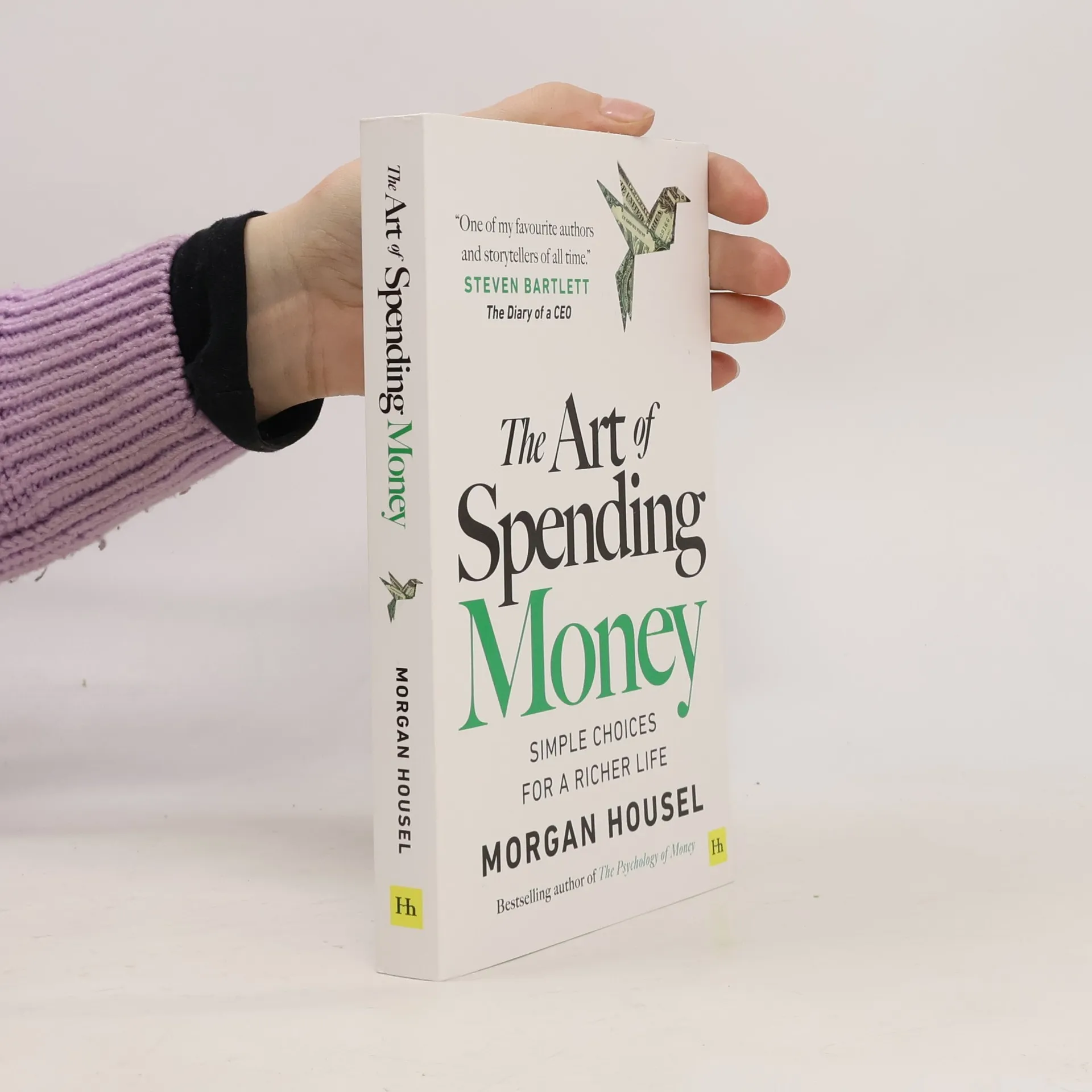
From the international bestselling author of The Psychology of Money, with 8 million copies sold worldwide - lessons on harnessing the power of money to live a happier life.Can money buy happiness? Yes. Can spending it make you happier? Absolutely. Yet, many of us struggle to unlock its full potential - either by spending on things that don't bring as much joy as they should, or by avoiding investments that would truly enhance our mental well-being.In The Art of Spending Money, award-winning and global bestselling author Morgan Housel offers a refreshingly practical approach to managing wealth while finding deeper meaning and contentment.Instead of one-size-fits-all financial advice, he unpacks the hidden psychology behind our choices - why we confuse envy with admiration, how expectations shape our satisfaction, and why slow, deliberate wealth-building often leads to the best results.More than just a book about money, The Art of Spending Money explores the emotions, biases, and social forces that drive our financial decisions. With sharp insights and practical takeaways, Housel helps you avoid common spending pitfalls, make smarter financial choices, and use money with intention - to not just build wealth, but to actually enjoy it.
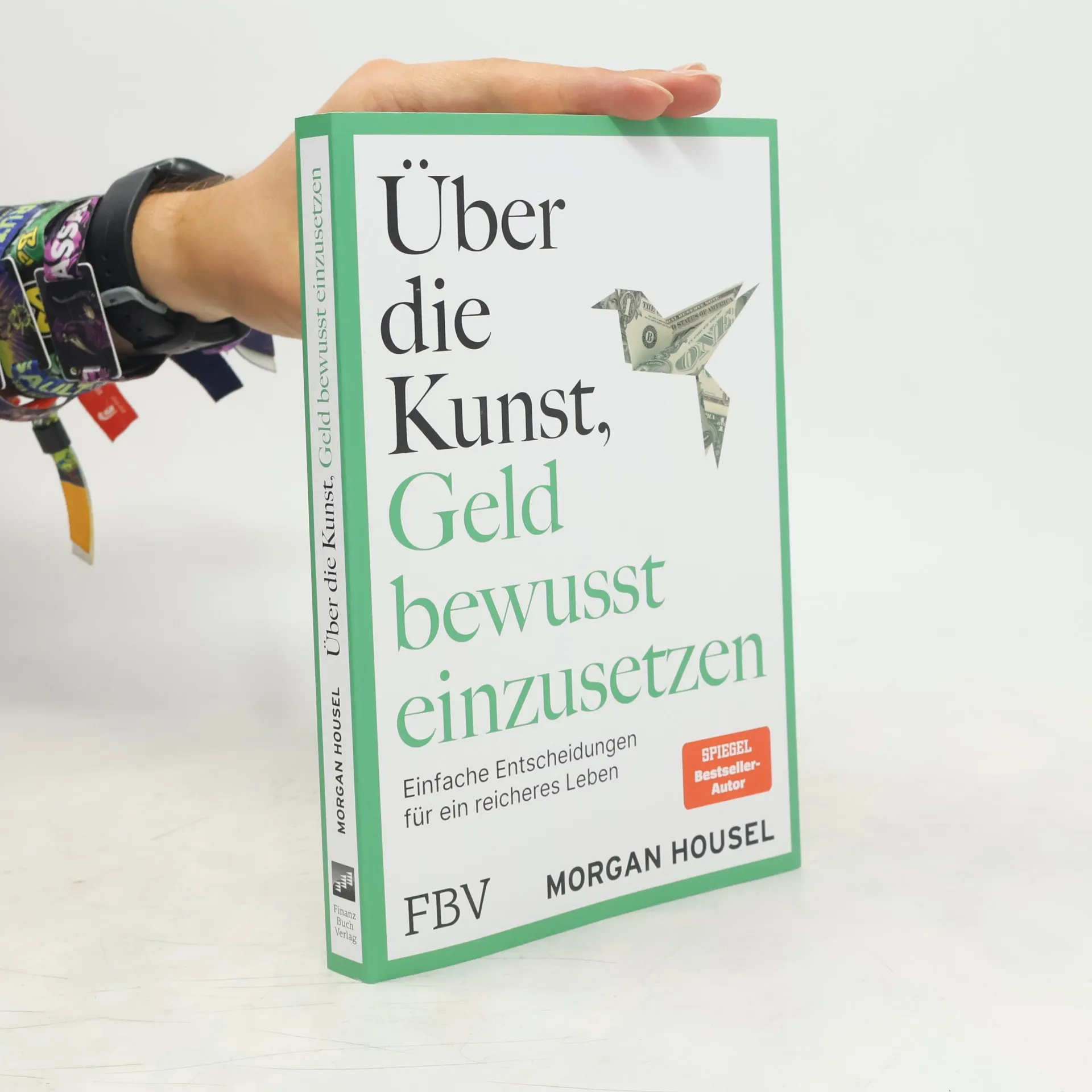
Einfache Entscheidungen für ein reicheres Leben. SPIEGEL-Bestseller-Autor von »Über die Psychologie des Geldes« über Glück, Reichtum, Neid
224 stránek
8 hodin čtení
Kann man Glück mit Geld kaufen? Nach dem weltweiten Erfolg von »Über die Psychologie des Geldes« findet Morgan Housel in seinem neuen Buch die Antwort auf diese entscheidende Frage: Ja – wenn es richtig eingesetzt wird. Der Bestsellerautor zeigt, dass Finanzentscheidungen wenig mit Rationalität und Zahlen zu tun haben und viel mit Psychologie und Identität, was in der Finanzwelt jedoch allzu oft ignoriert wird. Wer weiß, wie man Geld vermehrt, weiß noch lange nicht, wie man Geld einsetzt, um persönliches Glück und Zufriedenheit zu maximieren. In 21 Anekdoten, die im Gedächtnis bleiben, beleuchtet Housel Themen wie Neid, Erwartungen, soziale Verschuldung und die Kunst, in zukünftiges Glück zu investieren. Statt klassischer Finanzratschläge bietet Housel psychologische Werkzeuge, um die eigene Beziehung zu Geld zu reflektieren und klügere Entscheidungen zu treffen. Lehrreich und unterhaltsam zugleich hilft dieses Buch, Ausgabenfallen zu vermeiden, besser zu investieren und die Bedeutung von Geld für ein erfülltes Leben neu zu bewerten.
Achieving financial success does not solely depend on knowledge. The topic at hand pertains to one's conduct and demeanor. Teaching behavior can be challenging, even when working with knowledgeable individuals. Money, encompassing investing, personal finance, and business decisions, is commonly approached quantitatively, relying on mathematical principles. This approach emphasizes using data and formulas to guide our decision-making process. However, it is important to note that individuals typically do not base their financial decisions solely on spreadsheet calculations in practical scenarios. Decisions are often formulated during formal gatherings such as dining tables or meeting rooms, where a confluence of factors, including personal experiences, individual perspectives, self-importance, promotional efforts, and unconventional motivations, intertwine.
Kniha vás vybaví schopností lépe se vyrovnat s nejistotou budoucnosti tím, že se zaměříte na to, co zůstává neměnné. Autor Morgan Housel ve 23 kapitolách vysvětluje, že život, lidské chování a podnikání se řídí neměnnými zákonitostmi. Místo složitého prognózování se zaměřte na to, co se nikdy nemění. Jakmile si uvědomíte známé vzorce, můžete se lépe orientovat v budoucnosti. Reference vyzdvihují Houselovu schopnost spojit moudrost a humor, přičemž jeho příběhy ilustrují nadčasové poznatky o penězích a životě. Kniha je popsána jako hluboká a důležitá, ukazující, jak náhoda formuje náš osud, ale i jak existují univerzální pravdy, které se nemění. Houselovy myšlenky vám mohou změnit život a pomoci lépe se orientovat v přítomnosti. Čím dříve si tyto koncepty osvojíte, tím dříve začnete žít bohatší a naplněnější život. Tato kniha je určena každému, kdo hledá ponaučení z historie pro lepší pochopení současnosti.
Doing well with money isn't necessarily about what you know. It's about how you behave. And behavior is hard to teach, even to really smart people. The field of finance, including investment, personal finance, and business decisions, is typically presented as a mathematical one, where we are given precise instructions based on data and formulas. However, people in the real world don't use spreadsheets to make important financial decisions. At the dinner table or in the conference room, people mix in their own backgrounds, perspectives, egos, prides, marketing strategies, and peculiar motivations to come up with these decisions. To help you better understand one of life's most important themes, award-winning author Morgan Housel presents 19 short stories in his book The Psychology of Money.
Umět zacházet s penězi není nutně otázka toho, co všechno víte. Důležité je, jak se chováte. Jenže vštípit lidem – dokonce i těm opravdu chytrým – správné vzorce chování není snadné. K penězům, investování, osobním financím a podnikatelskému rozhodování se obvykle přistupuje, jako by to byly exaktní disciplíny, kde nám data a vzorce přesně řeknou, co dělat. Ve skutečném světě se ale lidé nerozhodují nad tabulkou v Excelu, nýbrž u večeře nebo na firemní poradě, kde se jejich dosavadní životní zkušenosti a jedinečný pohled na svět splétají s egem, ješitností, marketingem a pokřivenými podněty. V knize Psychologie peněz nabízí uznávaný autor Morgan Housel dvacet krátkých pojednání o tom, jak lidé uvažují o penězích, a učí nás, jak se v tomto veledůležitém tématu lépe vyznat.