

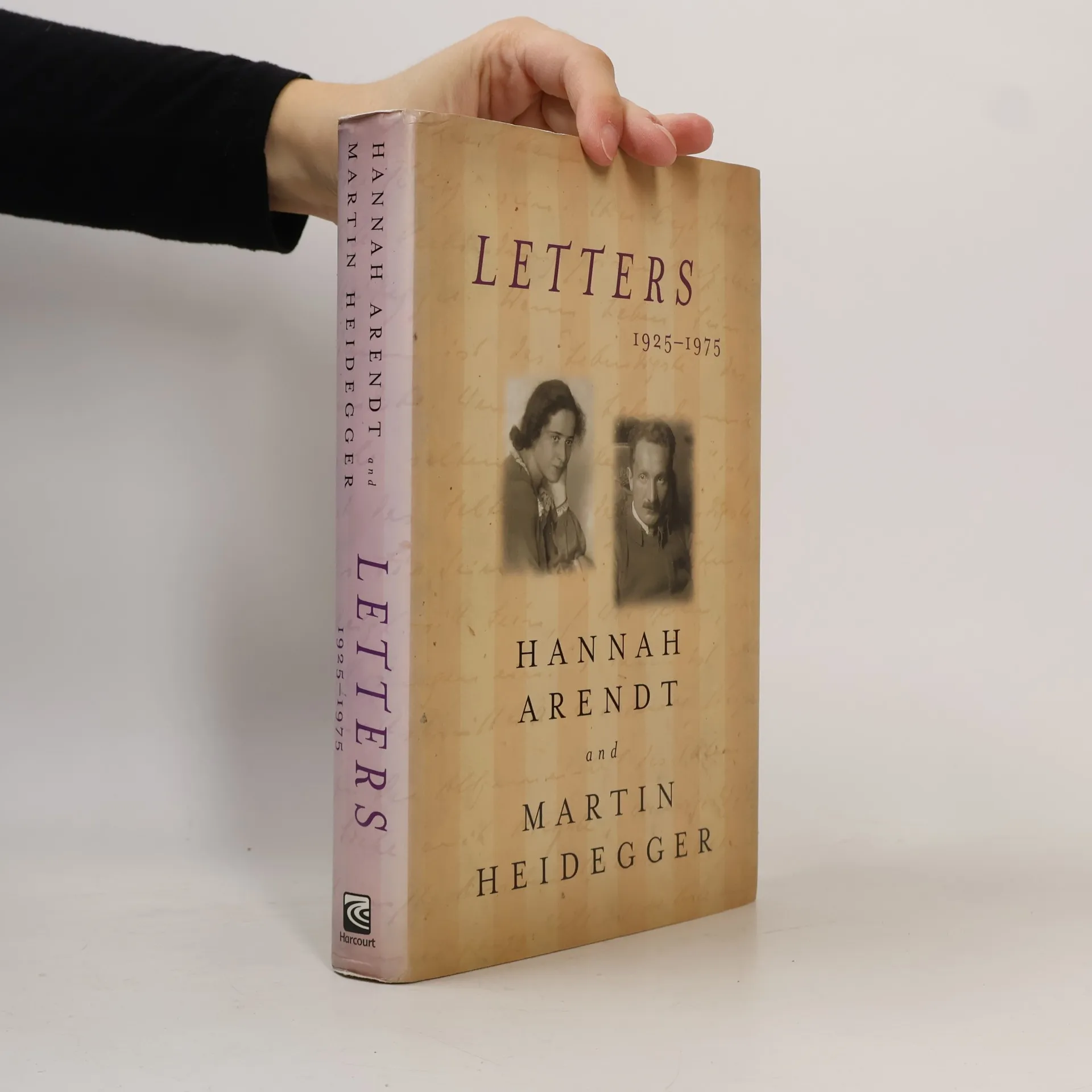
When they first met in 1925, Martin Heidegger was a star of German intellectual life and Hannah Arendt was his earnest young student. What happened between them then will never be known, but both would cherish their brief intimacy for the rest of their lives. The ravages of history would soon take them in quite different directions. After Hitler took power in Germany in 1933, Heidegger became rector of the university in Freiburg, delivering a notorious pro-Nazi address that has been the subject of considerable controversy. Arendt, a Jew, fled Germany the same year, heading first to Paris and then to New York. In the decades to come, Heidegger would be recognized as perhaps the most significant philosopher of the twentieth century, while Arendtwould establish herself as a voice of conscience in a century of tyranny and war. Illuminating, revealing, and tender throughout, this correspondence offers a glimpse into the inner lives of two major philosophers.
Ursula Ludz Knihy
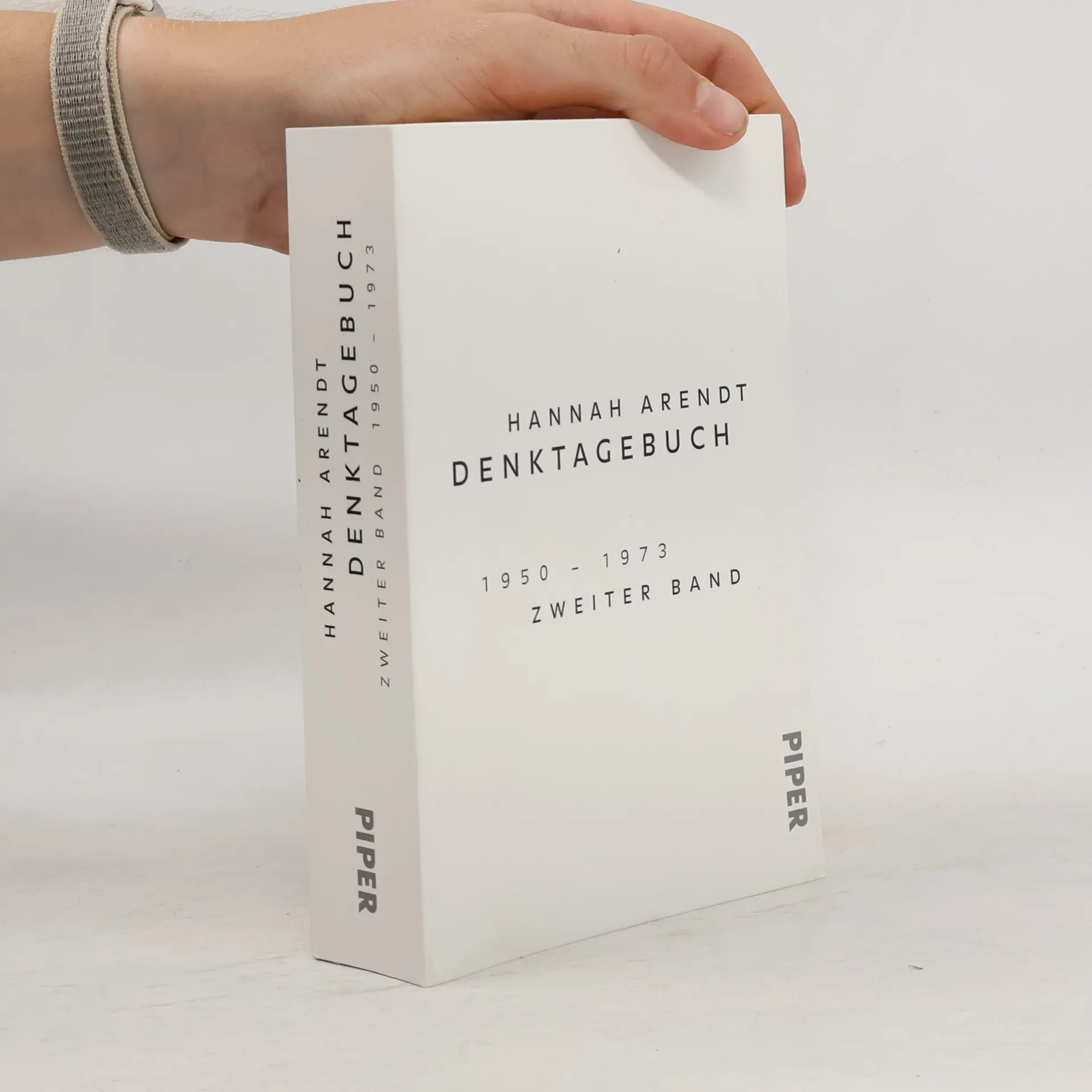
Im Sommer 1950 begann Hannah Arendt, handschriftlich Aufzeichnungen in ein Buch einzutragen, das sie ihr »Denktagebuch« nannte. In der Tat haben die 28 vollständig erhaltenen Hefte kaum etwas mit einem herkömmlichen Tagebuch gemein. Sie enthalten vielmehr Denkexperimente und Denkresultate und dienten dem lebenslangen Ziel der Autorin, die Wirklichkeit des Jahrhunderts der Kriege, Revolutionen und totalitärer Systeme denkend zu bewältigen. Ganz direkt erfahren die Leser hier Arendts Methode, die philosophische und politische Tradition des Abendlandes von Platon bis Heidegger zu befragen.
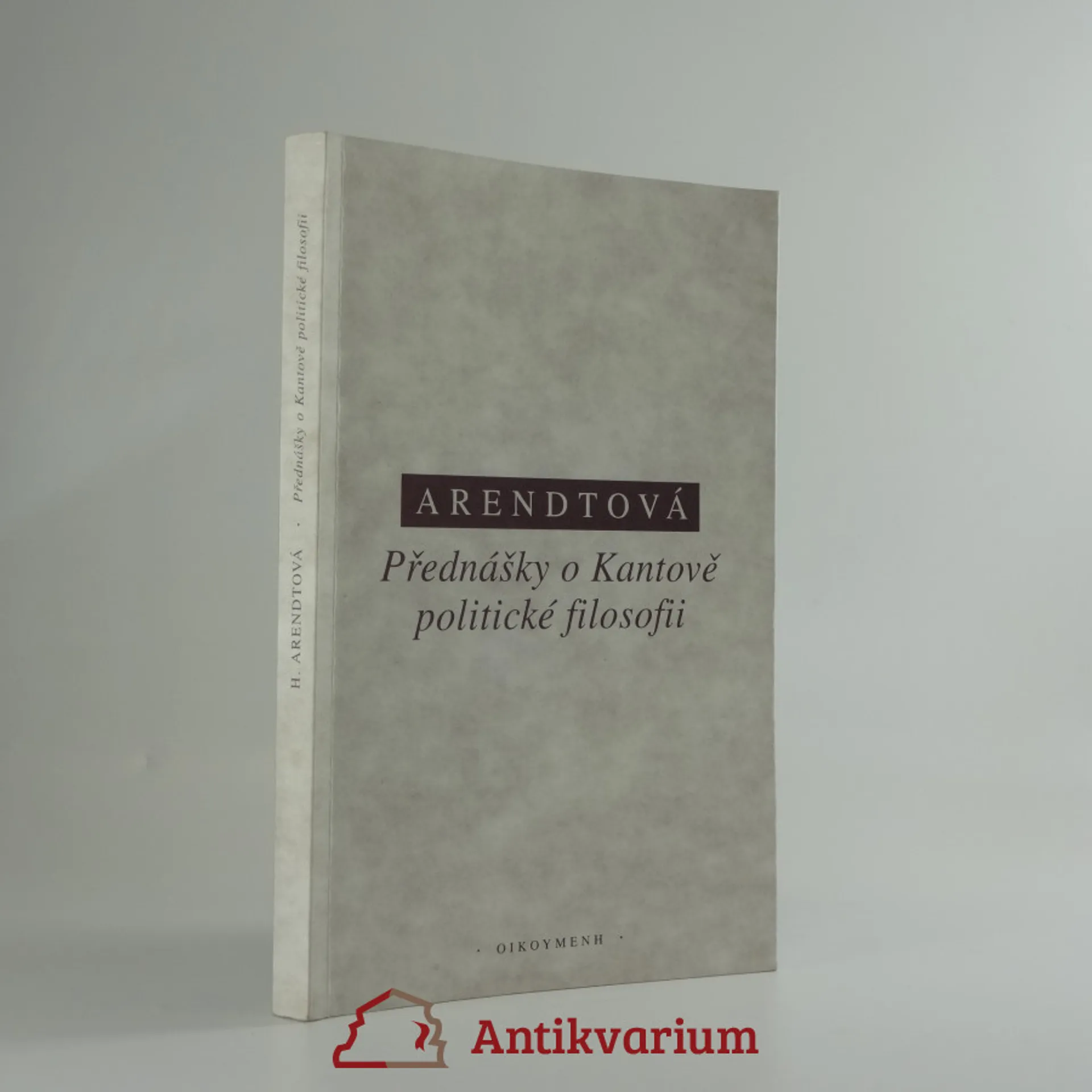
Autorka ve svém díle interpretuje Kantovo politické myšlení a analyzuje motivy politické soudnosti, obrazotvornosti a estetického vkusu.