

This historic book may contain numerous typos and missing text. Purchasers can often download a free scanned copy of the original (without typos) from the publisher. Not indexed or illustrated, the 1816 edition includes a voyage along the coast, detailing the islands of Zanzibar and Pemba, and the sterile appearance of the coast above Mugdasho. It describes the soundings south of Cape Bassas and provides insights into Capes d'Orfui and Gardafui. The author recounts an excursion near Somauli Point and discusses the implications of this voyage on Mr. Bruce's theory regarding Ophir. Upon arrival at Aden, observations highlight the ruins, ancient towers, and aqueducts of the area, along with a plan to secure Black Bay against enemies. The journey to Lahadj includes an interview with the local Sultan and descriptions of his territory and its inhabitants. The narrative also notes the singular atmospheric effects caused by refraction and characterizes the Banians. The voyage from Aden to Mocha and the author's residence at the factory are documented, along with an abstract of occurrences in Yemen since 1805 and preparations for an Abyssinian journey. A nautical journal of the passage from Mozambique to Aden is included, with careful observations of compass variation to compare with earlier records from 1620. The journey commenced on September 16th, sailing from Mozambique at daybreak.
Henry Stephens Salt Knihy
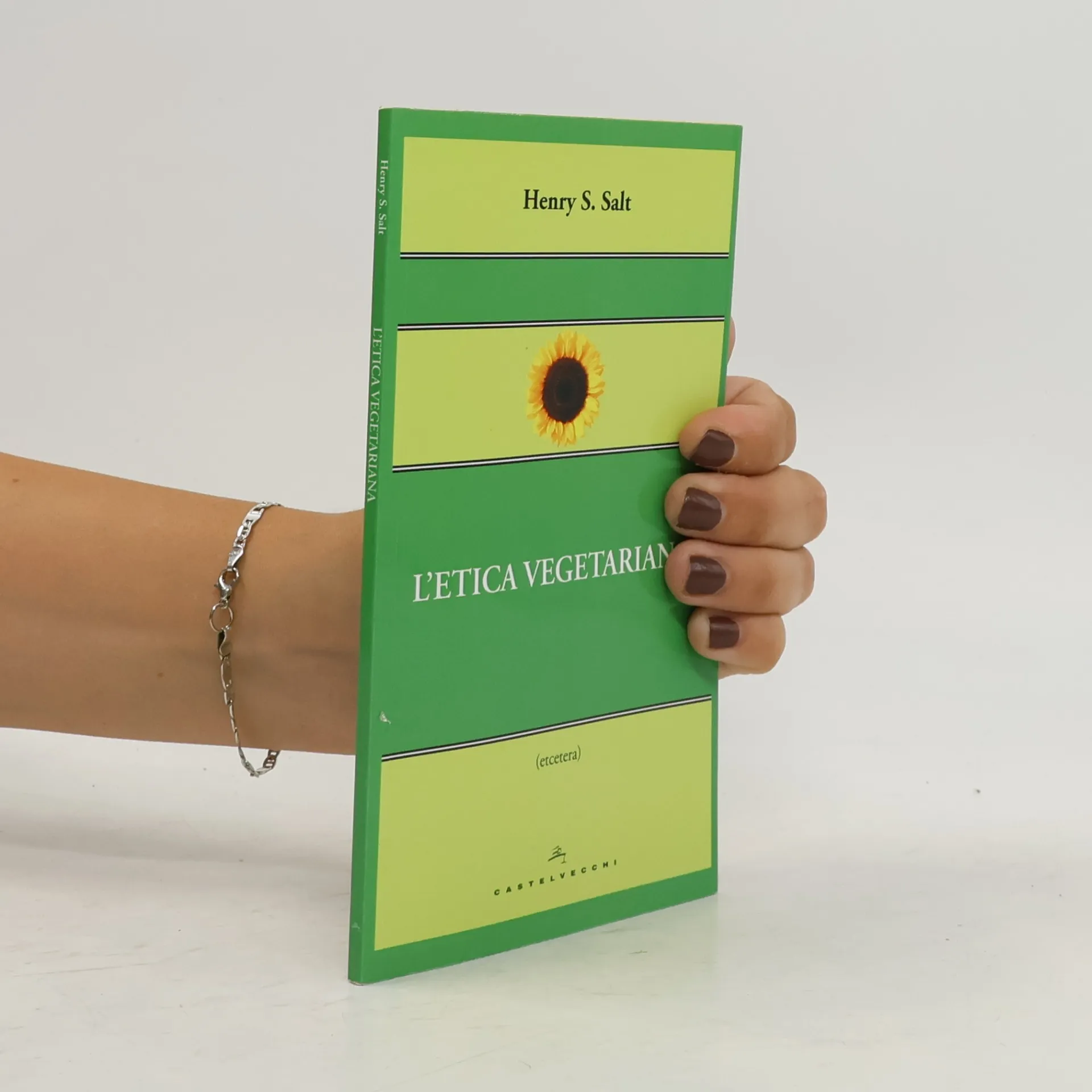
Etcetera: L'etica vegetariana
- 46 stránek
- 2 hodiny čtení
La scelta di non mangiare animali non è dovuta principalmente a ragioni di salute o economiche, ma si fonda su una chiara decisione etica. Il vegetarianismo, fin dai tempi dei pensatori buddisti e pitagorici, è stato una forma radicale e consapevole di umanismo, fondata sul rispetto incondizionato di tutte le forme di vita animale. Questa è la tesi sostenuta da Henry Salt, pioniere nella lotta per i diritti degli animali, in questo scritto folgorante pubblicato nel 1914 per la Vegetarian Society e qui per la prima volta in traduzione italiana. Con argomentazioni lucide e prive di fanatismo, percorse da una logica ferrea e a tratti ironica, Salt ci esorta a liberare gli animali dalla condanna ad essere gli ospiti involontari della nostra tavola.