

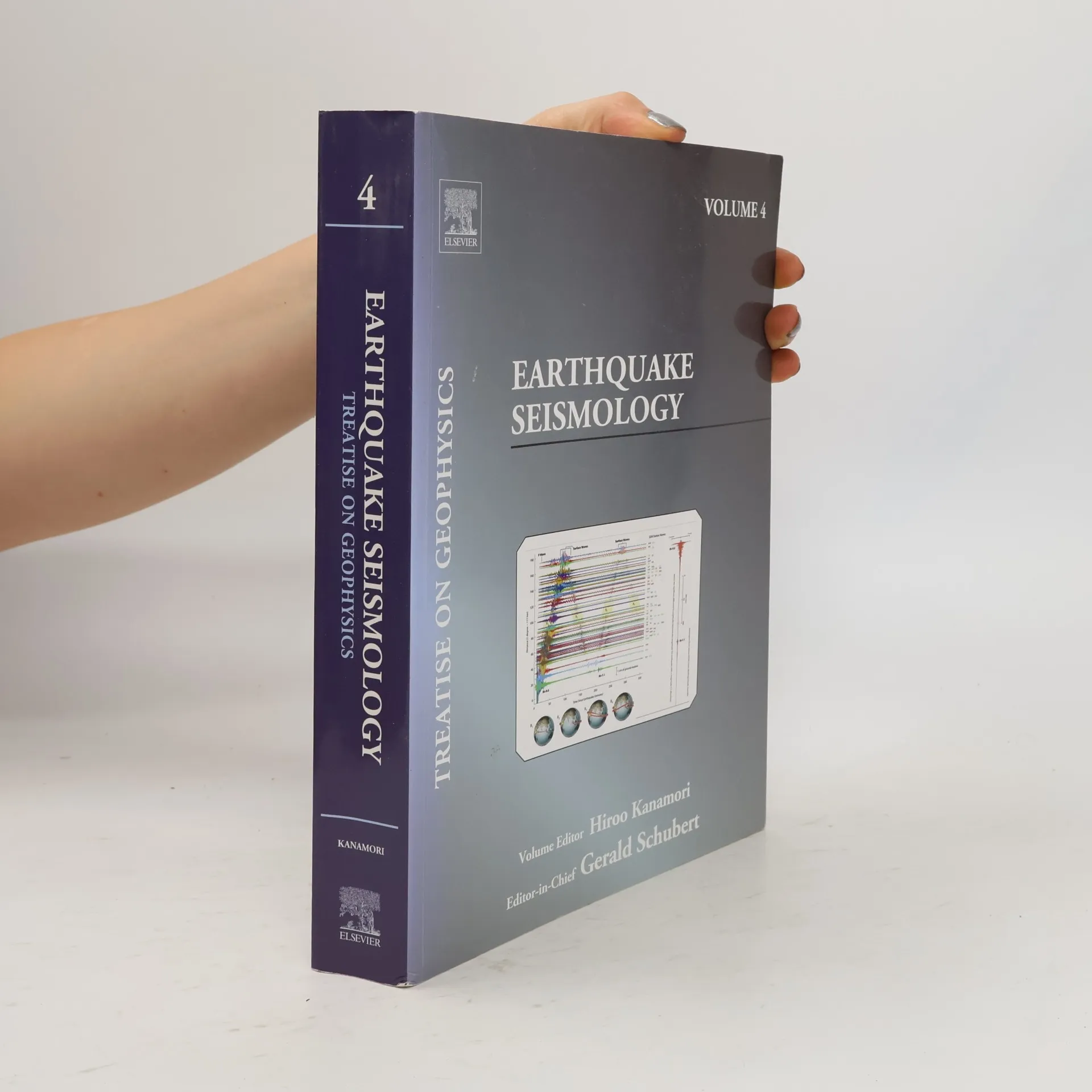
Earthquake Seismology presents the most recent findings on the physics of earthquakes. It includes chapters on seismicity studies from pre-historic periods to the most modern studies on a global scale, deep earthquakes, nucleation, stress transfer, triggering, hydrological processes, and recently discovered slow slips at plate boundaries. It also covers closely related fields including tsunami, volcanic seismology and physics, interaction between solid earth, atmosphere and ionosphere. Discussions on strong-motion seismology and its social implications are also reviewed. Self-contained volume starts with an overview of the subject then explores each topic with in depth detailExtensive reference lists and cross references with other volumes to facilitate further researchFull-color figures and tables support the text and aid in understandingContent suited for both the expert and non-expert
Hiroo Kanamori Pořadí knih (chronologicky)
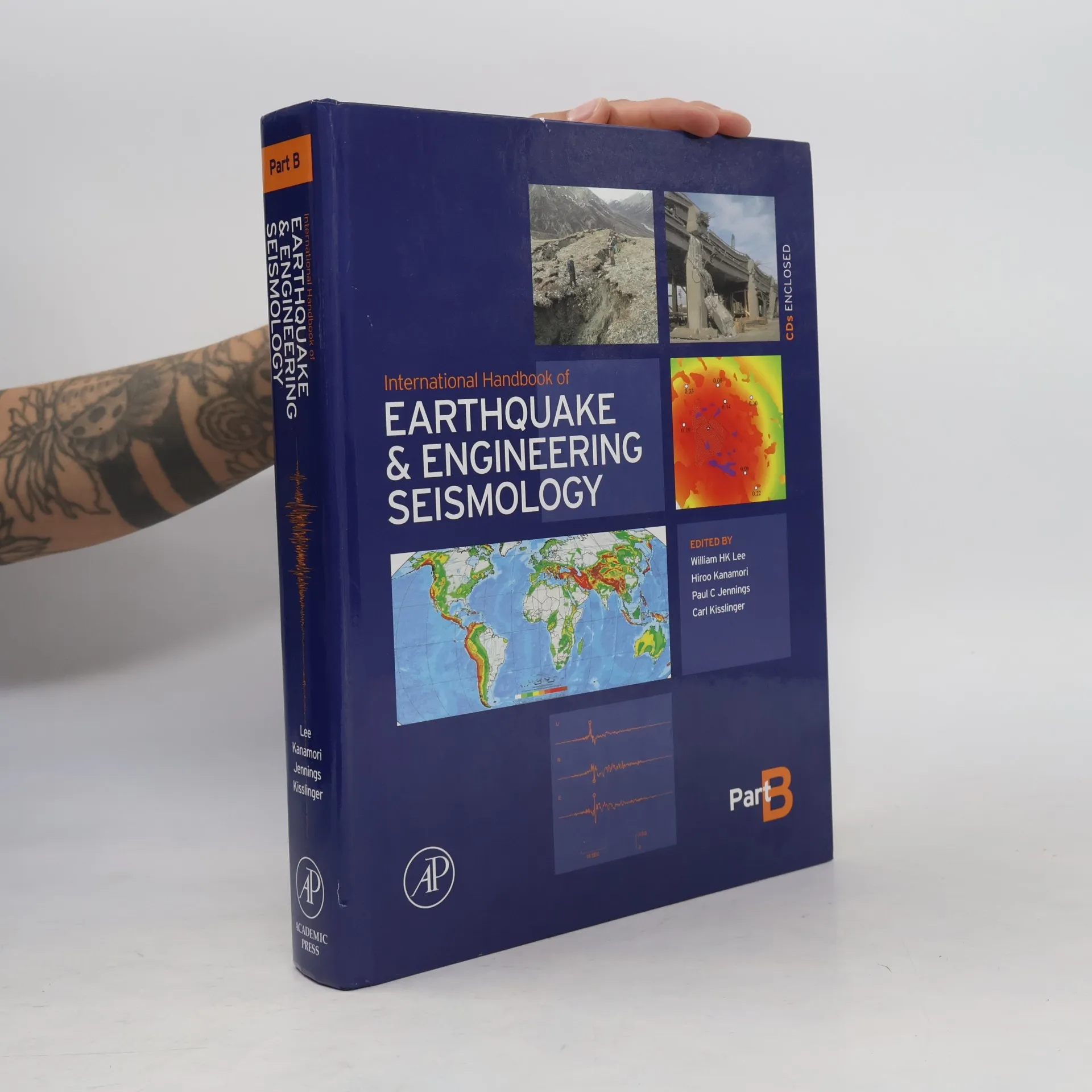
International Geophysics - 81B: International Handbook of Earthquake & Engineering Seismology, Part B
- 1000 stránek
- 35 hodin čtení
The two volume International Handbook of Earthquake and Engineering Seismology represents the International Association of Seismology and Physics of the Earth's Interior's (IASPEI) ambition to provide a comprehensive overview of our present knowledge of earthquakes and seismology. This state-of-the-art work is the only reference to cover all aspects of seismology--a "resource library" for civil and structural engineers, geologists, geophysicists, and seismologists in academia and industry around the globe. Part B , by more than 100 leading researchers from major institutions of science around the globe, features 34 chapters detailing strong-motion seismology, earthquake engineering, quake prediction and hazards mitigation, as well as detailed reports from more than 40 nations. Also available is The International Handbook of Earthquake and Engineering Seismology, Part A .
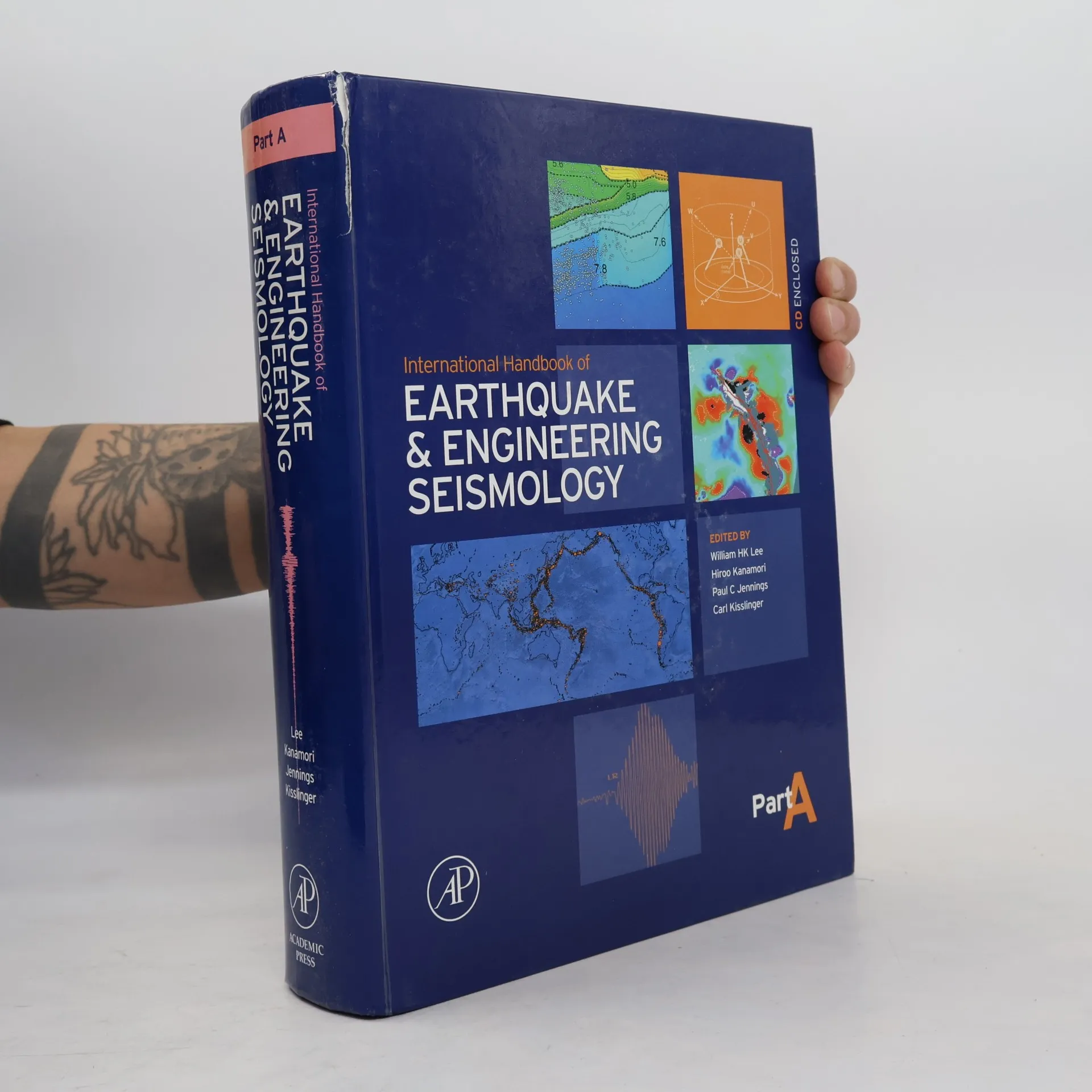
International Handbook of Earthquake & Engineering Seismology, Part A
- 933 stránek
- 33 hodin čtení
The two volume International Handbook of Earthquake and Engineering Seismology represents the International Association of Seismology and Physics of the Earth's Interior's (IASPEI) ambition to provide a comprehensive overview of our present knowledge of earthquakes and seismology. This state-of-the-art work is the only reference to cover all aspects of seismology - a "resource library" for civil and structural engineers, geologists, geophysicists, and seismologists in academia and industry around the globe. Furthermore, the Handbook will be an important information resource for administrators and officials responsible for developing and implementing worldwide earthquake hazard mitigation. . Part A of the Handbook, by more than 80 leading authors from major institutions of science around the world, features 56 full-length chapters detailing the history of seismology, theoretical and observational seismology, earthquake geology and mechanics, seismicity of the earth, and the Earth's structure.