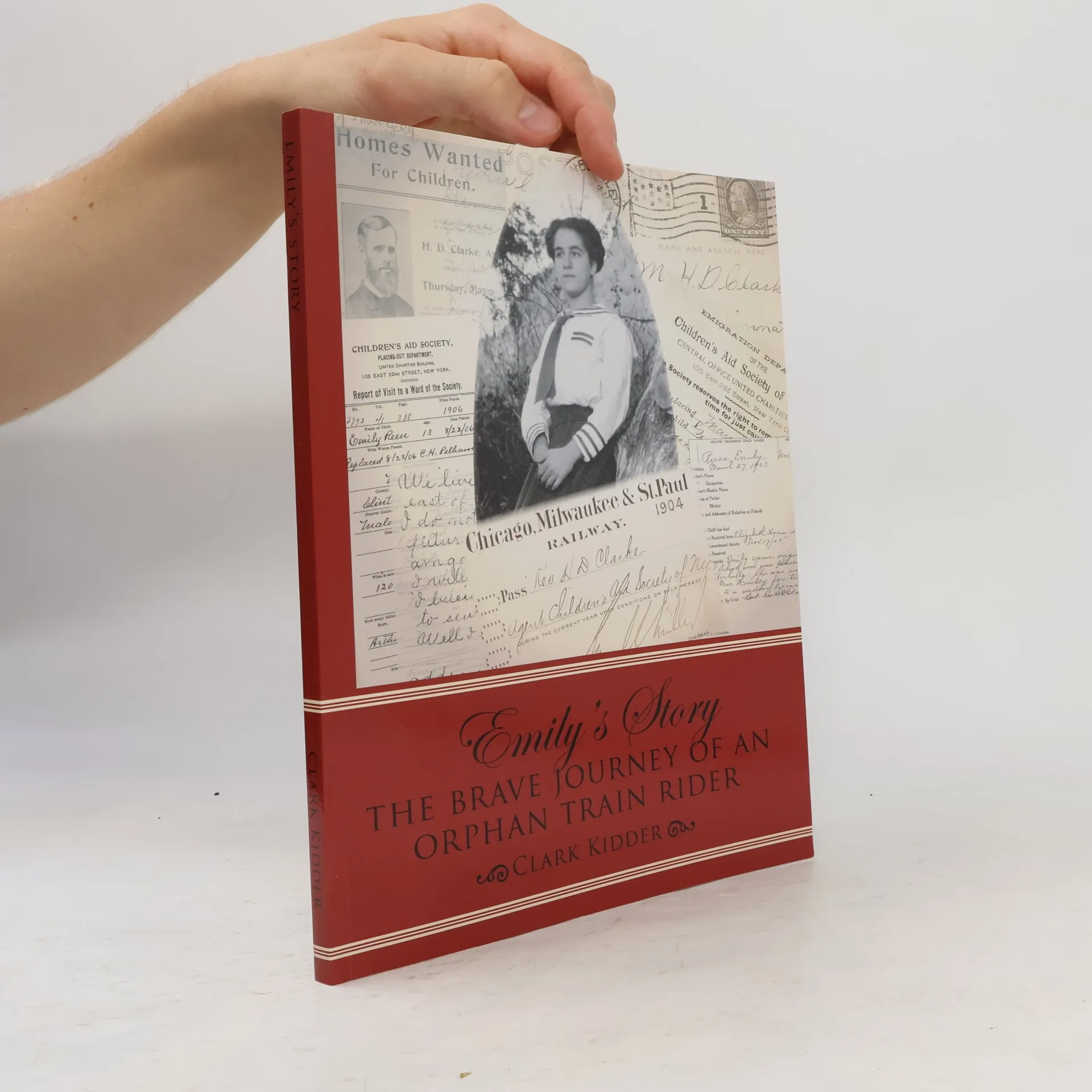
In America's not-so-distant past, nearly 200,000 children were transported from East Coast cities to the rural Midwest between 1854 and 1930 in a practice known as placing out. Initiated by Charles Loring Brace and the Children's Aid Society in New York City, this social experiment involved gathering orphans and abandoned children and placing them on Orphan Trains. Brace believed that every farmer had room for one more child at their table. Unfortunately, the individual stories of these children have largely faded from history. This narrative focuses on the true story of the author's grandmother, Emily (Reese) Kidder, who, at fourteen, became one of those children. In 1906, she was taken from the Elizabeth Home for Girls and placed on a train with eight others, heading to Hopkinton, Iowa. Emily's journey was just the beginning, as she faced numerous challenges that taught her lessons of perseverance, love, and loss. The author weaves Emily's story through primary materials, oral histories, interviews, and historical photographs, creating a tribute to her remarkable spirit. For Emily, the phrase "there's no place like home" held profound significance as she navigated her extraordinary life.
Clark Kidder Knihy