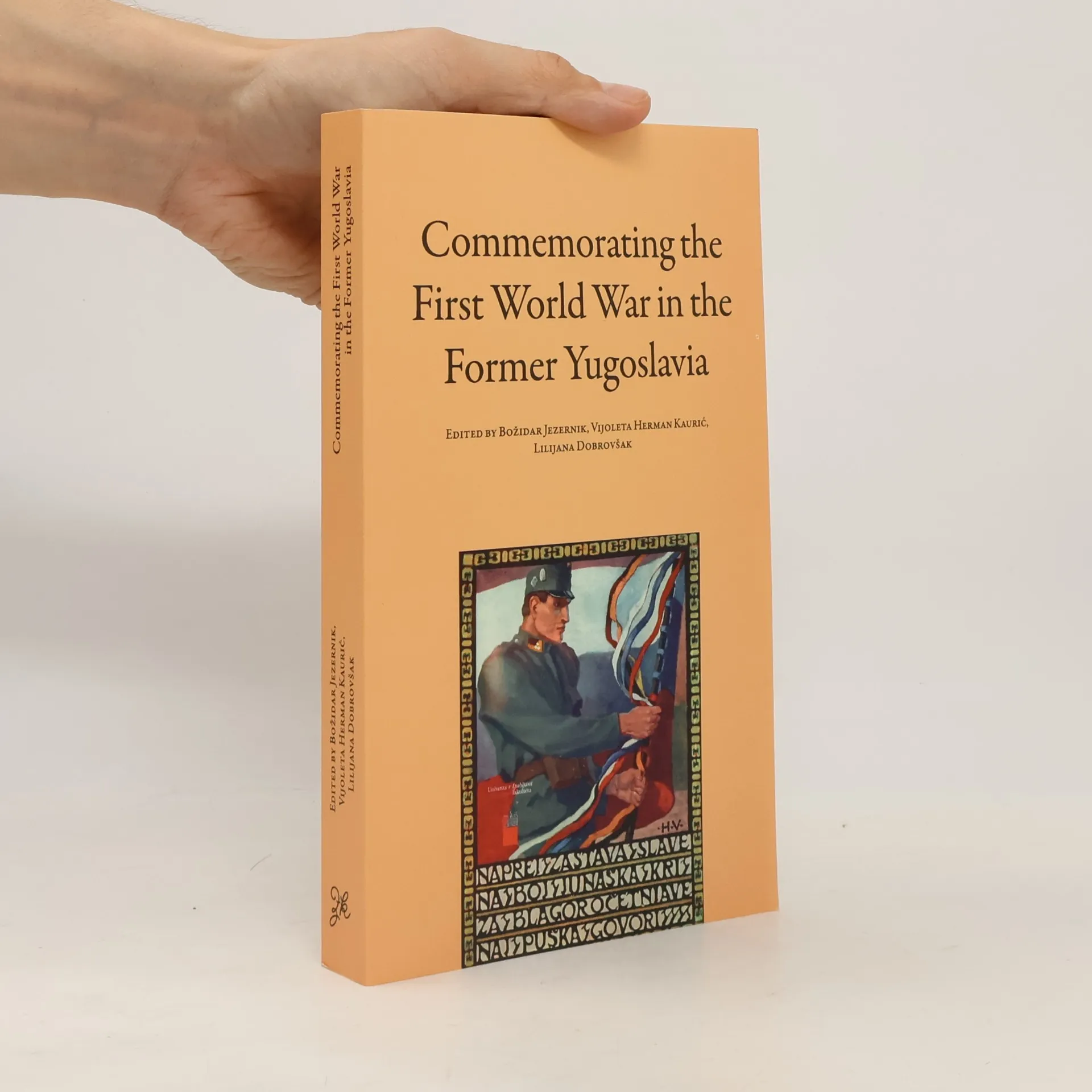
The First World War marked a pivotal moment in South Slavic history, not only due to its devastating impact but also for initiating a significant geopolitical shift—the establishment of a Yugoslav nation-state, seen as the fulfillment of a long-held dream. This historical context shaped the memory of war victims, offering a chance for reconciliation with the new state amidst ongoing Italian threats. In the Kingdom of Serbs, Croats, and Slovenes, however, the sacrifices of Yugoslav soldiers who fought in Austro-Hungarian and Bulgarian uniforms, particularly on the Isonzo Front, were overlooked in the narrative of liberation and unification. Over time, especially in Slovenia, there emerged a desire to honor these fallen soldiers in alternative ways, leading to diverse commemorations and interpretations of the war's significance. The postwar period did not allow for straightforward commemoration or re-legitimization of a shared history; instead, collective memory was shaped through complex negotiations and repressions. Lingering animosities, fueled by wartime propaganda, posed significant challenges. As the war ended, the task fell to historians and cultural figures to transform the divisive narratives created by propaganda into a new, unifying story for the citizens of the new nation-state.
Vijoleta Herman Kaurić Knihy